
Best Weekend Road Trips from Calgary in a Used Car
In this article
- Before You Go: Vehicle Readiness for Alberta Road Trips
- 1. Banff and Lake Louise — The Classic
- 2. Drumheller and the Badlands — The Otherworldly One
- 3. Kananaskis Country — The Local Secret
- 4. Waterton Lakes National Park — The Remote Beauty
- 5. Head-Smashed-In Buffalo Jump — History on the Prairie
- 6. Writing-on-Stone Provincial Park — Hidden Gem of the South
- Vehicle Type Quick Guide by Destination
- 7. The Icefields Parkway Day Trip (Advanced)
- Making Alberta Exploration Accessible: The Vehicle Angle
- Seasonal Driving Considerations for Alberta Road Trips
- Spring (April-May)
- Summer (June-September)
- Fall (October-early November)
- Winter (November-March)
- Road Trip Prep: The Practical Checklist
- The Real Cost of a Road Trip: Fuel, Insurance, and Prep
- Ready for Your Next Adventure? Start With the Right Vehicle
- Related Buyer Guides
- Compare and Apply
Check Your Options in 3 Minutes
No credit impact. All credit situations welcome.
5.0118+ Google ReviewsAMVIC LicensedFree Delivery 300km
Calgary sits at one of the most enviable geographic crossroads in North America. Within a two-hour drive, you can be standing in front of a glacier, hiking through hoodoos, or staring at one of the most dramatic badlands landscapes on the continent. The catch? Most of Alberta's best destinations reward drivers with reliable, road-ready vehicles — and punish those who show up in something held together by optimism and a recent oil change. Here are seven road trips worth doing from Calgary, matched to the vehicles that handle them best.
Before You Go: Vehicle Readiness for Alberta Road Trips
Alberta highway conditions change fast. A sunny morning drive to Banff can turn into slick mountain roads by afternoon in any month between October and May. Before any of these trips, run through a quick pre-departure check: tire pressure and tread depth, fluid levels (oil, coolant, washer fluid — especially washer fluid, you'll burn through it on the highway), brakes, and wipers. A solid Alberta vehicle maintenance routine makes road trips less stressful and more reliable.
AWD and 4WD are genuinely useful in the mountains, but a well-maintained front-wheel drive vehicle with good all-seasons can handle most of these routes in summer. In shoulder seasons (April-May, October-November), the calculus shifts. We've covered the AWD vs 4WD question for Alberta drivers in depth if you want the full breakdown before deciding on a vehicle.
1. Banff and Lake Louise — The Classic
Distance: 128 km (Banff townsite) / 185 km (Lake Louise)
Drive time: 1.5 hrs (Banff) / 2 hrs (Lake Louise)
Route: Trans-Canada Highway 1 West
Best vehicle types: AWD SUV, crossover, sedan
This is the crown jewel, and it earns the reputation. The Trans-Canada from Calgary to Banff is one of Canada's busiest mountain highways — well-maintained, divided, and relatively forgiving. Lake Louise to Moraine Lake (if that road is open — Parks Canada manages access via a reservation system since 2023) is where you want decent ground clearance and confident brakes on switchbacks.
What makes this trip demanding on a vehicle isn't the road itself — it's the combination of elevation change, stop-and-go tourist traffic in the townsite, and the mountain temperature swings. Your cooling system needs to be in good shape. A Toyota RAV4 handles this route beautifully: efficient on the highway, capable on mountain roads, and enough cargo room for hiking gear, bikes, or ski equipment depending on the season.
Budget tip: Gas is significantly cheaper in Calgary than Banff or Lake Louise. Fill up before you leave. And get into the park early — Lake Louise parking fills by 7 AM in peak summer.
2. Drumheller and the Badlands — The Otherworldly One
Distance: 138 km
Drive time: 90 minutes
Route: Highway 72 East then north via Strathmore or Highway 9 East
Best vehicle types: Sedan, crossover, any vehicle — roads are excellent
Drumheller is the easiest destination on this list from a vehicle standpoint. It's flat, well-paved, and accessible in virtually any road-worthy vehicle. The drama is entirely geological — hoodoos, canyon walls painted in layers of red and yellow badlands rock, and the Royal Tyrrell Museum (one of the best paleontology museums on the planet). The famous "biggest dinosaur" in the townsite is exactly as goofy as it sounds, and worth it.
The Hoodoos Trail, Horse Thief Canyon, and Horseshoe Canyon are all easy pulls-off along paved roads. The Canadian Badlands Passion Play amphitheatre and the Atlas Coal Mine are worth a stop if you're doing a full day.
For Drumheller, a reliable sedan is perfectly fine — you don't need SUV clearance. A Honda CR-V or comparable crossover gives you the cargo flexibility for a picnic and a full day out, but a Civic would get you there just as comfortably.
3. Kananaskis Country — The Local Secret
Distance: 75-130 km depending on destination
Drive time: 1-1.5 hrs
Route: Highway 1 West to Highway 40 South
Best vehicle types: AWD/4WD SUV or crossover
Kananaskis doesn't get the tourist volumes that Banff does, which makes it genuinely better for locals who want mountain air without the parking chaos. Barrier Lake, Elbow Falls, Spray Lakes, and the Peter Lougheed Provincial Park are all accessible without a national park pass (though Kananaskis Conservation Pass is required as of 2021).
Highway 40 south of Highwood Junction closes seasonally (December 1 to June 15), so check current conditions before planning a southern K-Country trip. The road quality is good on the main arteries, but some campground and trailhead access roads are unpaved — this is where you'll appreciate higher ground clearance.
A Subaru Outback is practically the default Kananaskis vehicle. Its symmetrical AWD, reasonable ground clearance, and Subaru's mountain-capable reputation make it feel at home here. But a Ford Escape or similar crossover handles the main K-Country roads without difficulty too.
4. Waterton Lakes National Park — The Remote Beauty
Distance: 264 km
Drive time: 2.5-3 hrs
Route: Highway 2 South to Fort Macleod, then Highway 3 and 6 to Waterton
Best vehicle types: Any reliable vehicle; AWD recommended for shoulder season
Waterton is the quieter cousin to Banff — smaller, less crowded, and arguably more dramatic per square kilometre. The Prince of Wales Hotel perched above Upper Waterton Lake is one of Canada's most photographed hotels. The Red Rock Canyon and Cameron Lake are short drives from the townsite.
The longest drive on this list, Waterton rewards you with significantly fewer crowds than the Banff corridor. The route down Highway 2 South is flat prairie driving — easy and fast. The final stretch into the park involves some winding mountain road as you drop into the valley. Wind is Waterton's signature feature; it's one of the windiest spots in Canada, which means exposed crossings can feel dramatic in any vehicle.
Because this is a full day's commitment (or better as an overnight), vehicle reliability matters more here than anywhere else on this list. Waterton has minimal services and no major garage. Make sure your vehicle is well-maintained before a trip this far from Calgary.
5. Head-Smashed-In Buffalo Jump — History on the Prairie
Distance: 158 km
Drive time: 1.5 hrs
Route: Highway 2 South to Fort Macleod, then secondary highway west
Best vehicle types: Any vehicle — excellent paved roads
One of the oldest, largest, and best-preserved buffalo jumps in North America, Head-Smashed-In is a UNESCO World Heritage Site and genuinely one of the most underrated attractions in Alberta. Indigenous Peoples used this site to hunt buffalo for nearly 6,000 years. The interpretive centre is built into the cliff face and tells the story with unusual depth and care.
Road access is straightforward — Highway 2 is one of Alberta's best-maintained corridors. The final few kilometres to the site are paved and accessible. This is a trip any vehicle in good repair can handle comfortably.
6. Writing-on-Stone Provincial Park — Hidden Gem of the South
Distance: 250 km
Drive time: 2.5 hrs
Route: Highway 2 South to Lethbridge, then Highway 4 East to Milk River area
Best vehicle types: Any reliable vehicle; higher clearance for campground roads
Writing-on-Stone contains the largest concentration of Indigenous rock art on the North American Great Plains — carved and painted Blackfoot petroglyphs and pictographs dating back thousands of years. The park also features dramatic hoodoo formations along the Milk River, making for extraordinary scenery that feels nothing like the rest of Alberta.
The main park roads are accessible, but some campground spurs and the more remote rock art viewing areas benefit from ground clearance. Plan for a full day minimum — the guided rock art tours book up fast in summer. This is the kind of destination that makes you grateful you have reliable wheels; it's remote enough that a breakdown would be genuinely inconvenient.
Vehicle Type Quick Guide by Destination
| Destination | AWD/4WD Needed? | Ground Clearance? | Best Vehicle Category |
|---|---|---|---|
| Banff / Lake Louise | Recommended (mountains) | Moderate | Crossover, SUV |
| Drumheller | Not needed | Standard | Any road-worthy vehicle |
| Kananaskis | Recommended | Moderate-High | SUV, Crossover, AWD Sedan |
| Waterton | Recommended (shoulder season) | Moderate | Crossover, SUV |
| Head-Smashed-In | Not needed | Standard | Any vehicle |
| Writing-on-Stone | Helpful | Moderate | Crossover, SUV |
7. The Icefields Parkway Day Trip (Advanced)
Distance: ~230 km from Calgary to Columbia Icefield
Drive time: 2.5-3 hrs one way
Route: Trans-Canada to Banff, Highway 93 North
Best vehicle types: AWD or 4WD SUV strongly recommended outside summer
The Icefields Parkway from Lake Louise to Jasper is routinely listed as one of the world's great drives. As a day trip from Calgary, most people aim for the Columbia Icefield and Athabasca Glacier viewpoint, then return the same way — a long day but unforgettable.
This is the most demanding drive on the list for your vehicle. The Parkway is a mountain highway in every sense — significant elevation changes, frequent weather changes, minimal services over 230 km of Jasper National Park, and genuine wildlife hazards (elk, bears, and mountain sheep wander the road regularly). AWD is strongly recommended, and in shoulder season, 4WD can matter.
If you're considering a vehicle primarily for this kind of trip, the best vehicles for mountain driving around Calgary and Banff guide goes deeper on which platforms actually shine on the Parkway. Spoiler: Subaru, Toyota 4Runner, and proven AWD platforms consistently come out on top.
Making Alberta Exploration Accessible: The Vehicle Angle
One of the most common things we hear from buyers at Canmore-adjacent and Calgary-area customers is: "I need something I can actually take into the mountains." That's a reasonable requirement — but it doesn't necessarily mean you need to spend $50,000 on a new truck. A used SUV in good mechanical condition with AWD, properly maintained, handles 90% of Alberta's recreational driving.
The key word is "maintained." A neglected AWD vehicle with worn tires is meaningfully less capable than a well-maintained FWD crossover with good all-seasons. Before judging a used vehicle by its drivetrain spec alone, check the tire condition and the service history. Our tire care guide covers what to look for and when to replace — useful reading whether you're buying or already own.
Used crossovers represent the sweet spot for most Calgary-area road trippers: fuel-efficient on the highway, capable enough for mountain terrain, and affordable enough that you're not financing the dream to the point it keeps you home. A solid used Subaru Outback, Toyota RAV4, or Ford Escape in the $18,000-28,000 range gives you genuine capability without overextending your budget. If you're sorting out the budget side, here's how in-house financing fits a used-vehicle purchase in Alberta.
Seasonal Driving Considerations for Alberta Road Trips
Alberta's seasons matter as much as your destination when planning a road trip. The window of truly easy driving — dry roads, long daylight, reliable weather — runs roughly mid-June through September. Outside that window, every trip requires additional planning.
Spring (April-May)
Mountain passes can still close to snow in May. Highway 40 south of Highwood Junction doesn't open until mid-June. Waterton sees wind events that can make driving feel genuinely challenging. That said, spring offers thinner crowds and stunning wildflower seasons in the foothills. Check 511 Alberta before leaving. All-season tires need to be in good shape — worn rubber on spring slush is a serious liability.
Summer (June-September)
Peak conditions for driving, but peak traffic too. Banff and Lake Louise see gridlock on summer long weekends that would shame a city rush hour. Arrive at destinations by 9 AM or plan to visit midweek. Wildlife is most active at dawn and dusk — slow down in those windows. Your vehicle's AC needs to work; Drumheller in August can hit 35°C in the canyon.
Fall (October-early November)
The most underrated season in Alberta. Larch season in the Rockies (mid-September to mid-October) draws crowds for good reason — the golden larch trees against the peaks are extraordinary. Roads are generally clear through October, but mountain snowfall can arrive any time after September 1. AWD becomes more relevant in this window. A vehicle with a solid battery matters too — the cold weather battery considerations apply as soon as overnight temperatures drop below 5°C.
Winter (November-March)
Winter road trips are for experienced Alberta drivers in properly equipped vehicles. The Trans-Canada to Banff is maintained and passable in all but extreme weather, but mountain roads like the Icefields Parkway can close on short notice. If you're attempting winter mountain driving, winter tires (not just all-seasons) are strongly recommended — and in some park campground access roads, practically required. Highway 2 to Drumheller and Lethbridge stays clear and winter road trips on the prairies are far more manageable than mountain ones.
Road Trip Prep: The Practical Checklist
- Check the 511 Alberta road report (511.alberta.ca) before any mountain trip — conditions change fast
- Download offline maps (Google Maps, AllTrails) before leaving cell range
- Carry an emergency kit: jumper cables or a jump pack, tow rope, emergency blanket, flashlight, basic first aid
- Top up washer fluid — highway driving through bug season eats through it fast
- Check Parks Canada's reservation system for any destination-specific permits (Moraine Lake, some Banff areas)
- Know your vehicle's fuel range — some of these routes have limited fuel stations
- Share your route and expected return time with someone at home
The Real Cost of a Road Trip: Fuel, Insurance, and Prep
A quick reality check on the economics of Alberta road tripping in a used vehicle, because the numbers matter when you're deciding how much vehicle to buy.
Fuel cost example: Calgary to Banff and back is roughly 260 km. A vehicle getting 10L/100km uses 26 litres — at $1.55/litre, that's about $40 in fuel. A more efficient crossover at 8L/100km brings that to $32. Over 20 road trips a year, that $8 difference adds up to $160 — not nothing, but not a reason to choose a vehicle you don't want. The bigger driver of ownership cost is insurance and depreciation.
Insurance costs in Alberta vary significantly by vehicle type. A used SUV and a used sedan of similar value can have meaningfully different premiums depending on the model's claims history, theft rates, and repair costs. Factor insurance into your total monthly budget, not just the loan payment. Our payment calculator helps estimate the loan portion — your insurance broker fills in the rest.
Ready for Your Next Adventure? Start With the Right Vehicle
Reliable transportation isn't just about commuting — it's about being able to say yes when the mountains are calling on a clear Saturday morning. If your current vehicle has you hesitating before a road trip, or if you're in the market and want to prioritize weekend capability alongside daily driving, we can help.
Our guide to the best used cars for Canadian winters overlaps significantly with road trip capability — the qualities that make a vehicle excellent in winter (AWD, reliability, thermal performance) also make it better in the mountains year-round. The vehicle that handles a January commute from Airdrie to Calgary also handles a June drive to the Icefields Parkway — those capability profiles largely overlap.
We work with buyers across all credit situations — whether your credit profile is strong or you've had challenges, our team matches you with lenders who can structure something that works. Use our financing application to start the conversation, or reach out if you have questions about specific vehicles for Alberta's roads. The mountains aren't going anywhere — but a road trip is always better in a vehicle you trust.
Compare and Apply
- Best Subprime Dealers in Calgary (2026) — finding the right subprime dealer in Calgary
Financing Resources
Cars you could drive home
See all inventory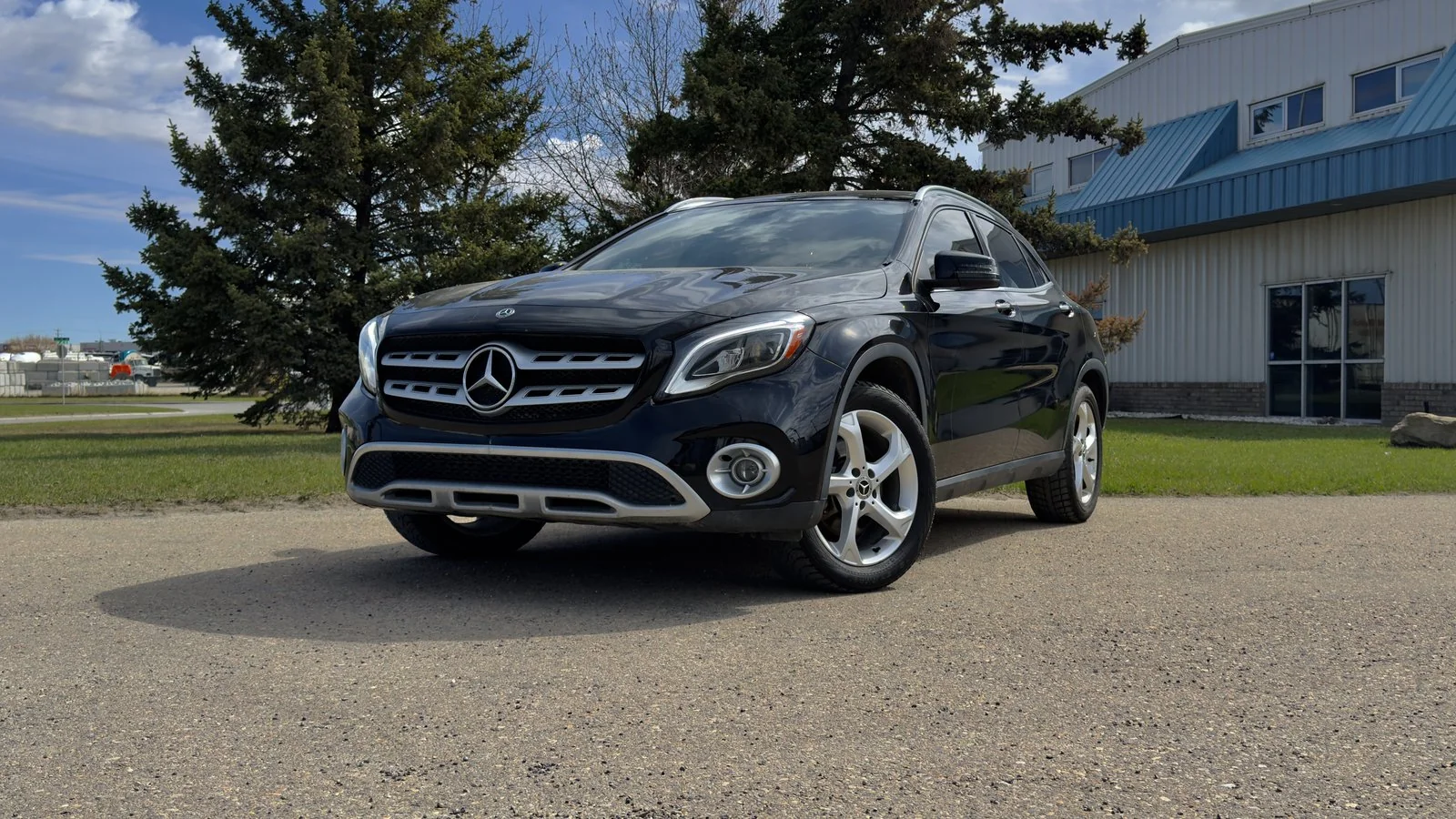
2020 Mercedes-Benz GLA250 4Matic
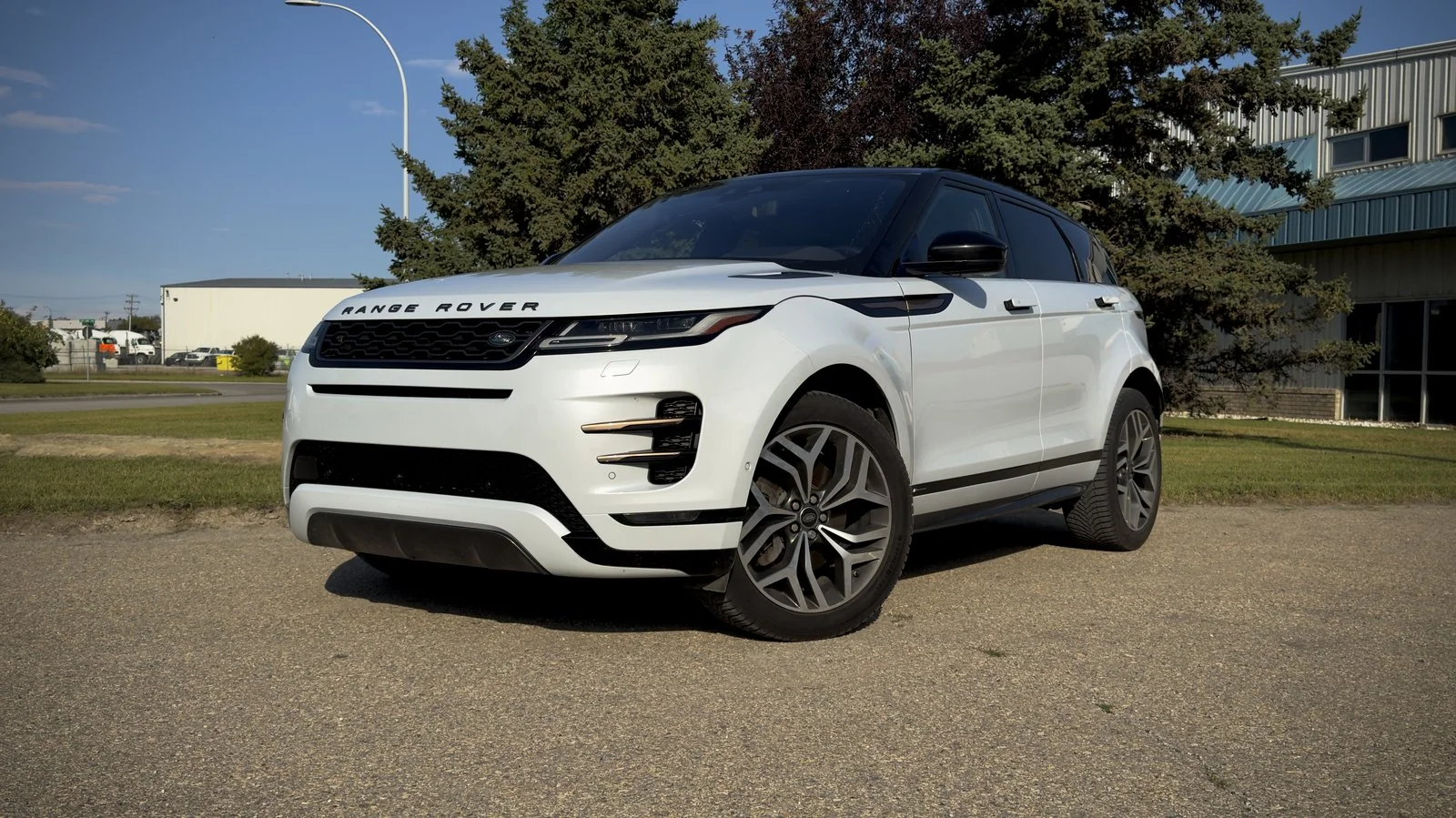
2020 Land Rover Range Rover Evoque P250 First Edition
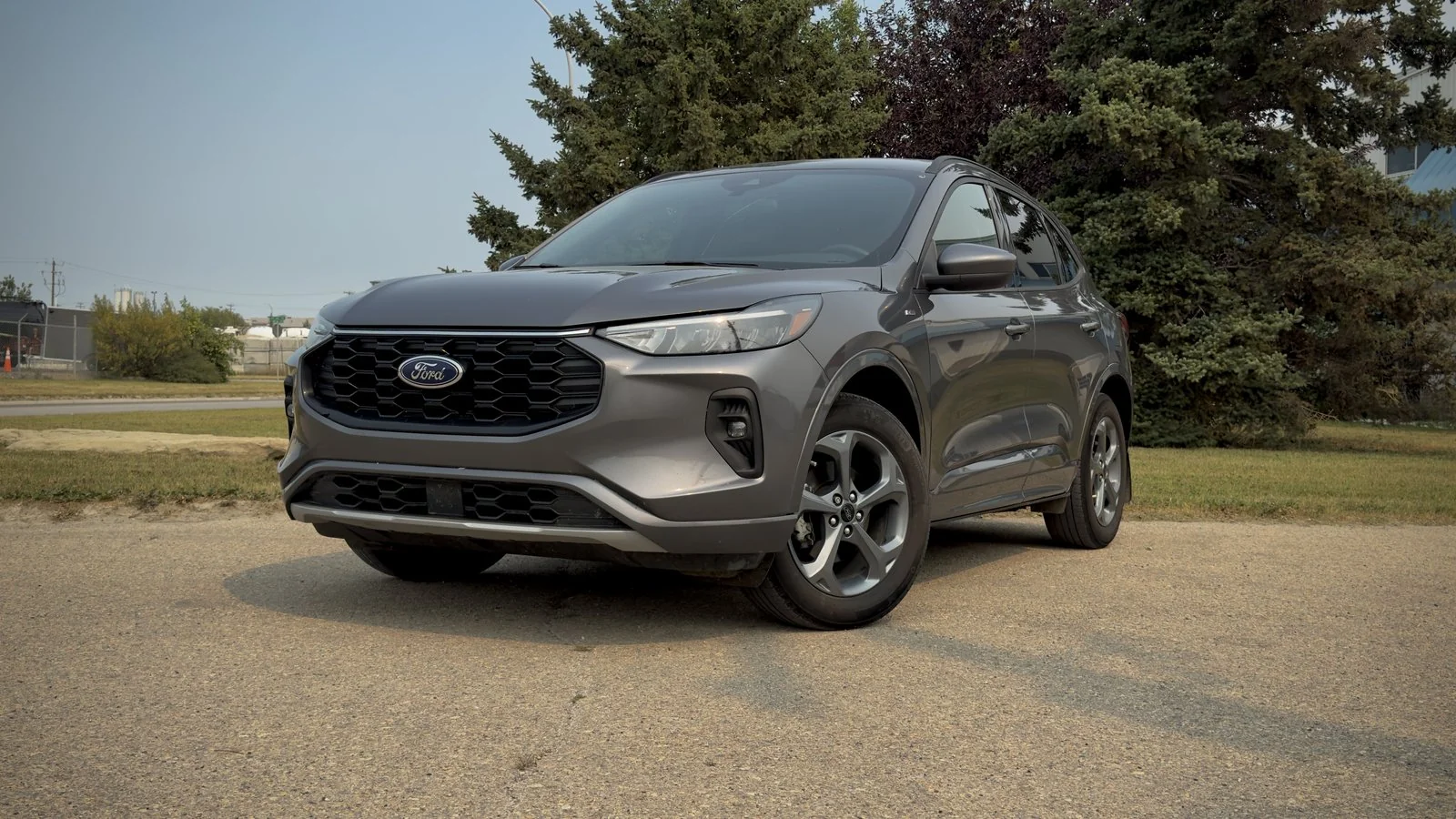
2024 Ford Escape Hybrid ST-Line
Not seeing it? We'll find it.
We source through our dealer partner network across Western Canada: 25,000+ vehicles to choose from. Tell us what you want and what works for your budget.
Find my car3 min · no credit impactOAC = on approved credit. Payments are examples at 6.49% APR over 84 months with $0 down, based on each vehicle's advertised price; GST extra. Your rate depends on your credit (4.99%–29.9% APR).
Related Articles
Ready to Find Your Vehicle?
Browse our inventory or apply for financing. All credit situations welcome.
5.0118+ Google ReviewsAMVIC LicensedFree Delivery 300km