
Can a newcomer to Canada get a car loan?
Yes. Permanent residents, work permit holders, and some student visa holders qualify for vehicle financing in Alberta. No Canadian credit history required — lenders evaluate your international credit, employment, and income.
Newcomer Car Financing in Alberta
New to Canada? Your credit history starts at zero here — and that is okay. We specialize in helping newcomers, work permit holders, and immigrants get approved for auto financing in Alberta.
Last reviewed: October 2026
New to Canada? Check Your Options
No Canadian credit history needed. PR, work permit, and student visa holders welcome.
5.0118+ Google ReviewsAMVIC LicensedFree Delivery 300km
Newcomer car loan at a glance
What lenders commonly look at, and the terms we can work with. This is not a promise: every lender decides each file.
- Status lenders look at
- Work permit, permanent resident (PR) card or Canadian citizenship
- Time in Canada
- Lenders commonly ask how long you have been here and how long your permit has left
- Employment
- Steady Canadian work, shown with recent pay stubs and supported by an offer letter
- Canadian credit history
- Not needed to apply. Home-country credit can be supporting evidence
- Loan terms
- Up to 84 months
- Down payment
- $0 down is possible depending on your file
- Lender network
- 21+ lenders
- Application time
- 3 minutes online
No Canadian Credit History Required
New to Canada? You Are Not Alone.
Every year, hundreds of thousands of newcomers arrive in Alberta facing the same challenge: you need a vehicle to get to work, but lenders want to see a Canadian credit history you have not had the chance to build yet.
Canadian credit scores start from zero for everyone who arrives without a prior Canadian financial profile. This is not a reflection of how you managed credit in your home country — it is simply how the system works here. Banks often decline newcomers not because they are a risk, but because there is not enough Canadian data to run through their models.
We bridge that gap. By looking at your full picture — employment, income, immigration status, and any available supporting documentation — we connect you with lenders who understand the newcomer situation and are set up to approve it. You can also browse bad credit car loans for every credit situation.
What Do You Need to Get Started?
To get started, newcomers need a government-issued photo ID, proof of employment or income, proof of Canadian address, and a void cheque — a Social Insurance Number is helpful but not always required to begin the application. Optional documents like a reference letter from your home bank or international driving record can strengthen a borderline application.
Required documents are marked. Optional documents strengthen your application but are not blockers.
SIN Number
RequiredRequired for a credit check. Apply at a Service Canada location — it is usually issued same day.
Work Permit or PR Card
RequiredProof of your immigration status in Canada. Both work permit and PR card holders are eligible.
Proof of Canadian Income
RequiredRecent pay stubs (1-2 is enough to start). An employment letter or an offer letter from a Canadian employer helps as a supporting document, but it does not replace your pay stubs.
Proof of Address
RequiredA utility bill, bank statement, or any official mail to your Canadian address. Even a lease agreement works.
Employer Reference Letter
OptionalNot always required but highly valuable. A letter from your employer confirming your position and income strengthens your file significantly.
International Credit Reference
OptionalA credit report from your home country or a reference letter from your home bank can provide supporting context for lenders.
What Does a Newcomer Car Payment Look Like?
A newcomer with a steady full-time job can see the real numbers before applying: a payment is worked out from the price, the rate and the term. The example below is a newcomer on a work permit with a steady job, no Canadian credit history yet or a score that is still building, and a reliable used sedan in mind.
It uses the Subprime example rate, a cautious assumption for a file that is still taking shape. Your own rate depends on your file.
- Gross pay
- $4,000 a month
- Credit score
- 550–599
- Vehicle
- used sedan, $20,000
- Down payment
- $0
- Amount financed
- $20,000 over 72 months
- Example rate
- 16.9% APR (Subprime example)
Payment:~$204/bi-weekly(or ~$444/mo)
That is about 11% of gross monthly pay. A common rule of thumb is to keep a car payment under 15% of gross pay.
Example, not an offer. Your rate depends on your file; rates run from 4.99% APR (prime) to 29.9% APR (deep subprime).
A longer term lowers the payment. The same $20,000 over 84 months comes to ~$408/mo instead of ~$444/mo, but costs about $2,280 more in interest overall. Terms go up to 84 months, and $0 down is possible depending on your file. Try your own numbers in the payment calculator.
How Does the Canadian Credit System Work for Newcomers?
Canada uses two independent credit bureaus — Equifax and TransUnion — and newcomers start with no Canadian credit file regardless of their history abroad, because Canadian scores are built only from Canadian credit activity. A meaningful score typically takes 6–12 months to develop once you open your first Canadian credit account.
Canada uses two major credit bureaus: Equifax and TransUnion. Both operate independently and scores can differ between them by 20-40 points. When you arrive in Canada, neither bureau has a file on you — your score effectively starts at zero, which is different from having a low score.
Your SIN and Credit File
Your Social Insurance Number is linked to your credit file. Once you have a SIN, any credit product you open (loan, credit card, line of credit) gets reported under that SIN to the bureaus. This is how your Canadian credit history is built from the ground up.
How Long Does It Take?
A meaningful credit score typically takes 6-12 months to develop with active credit accounts. Most scoring models require at least one account that has been open for 6 months and reported to the bureau within the last 6 months before they will generate a score at all. Starting early matters — open your first credit product as soon as you arrive.
Secured Credit Cards as a Starting Tool
A secured credit card requires a cash deposit (typically $300-$500) as collateral against the credit limit. It functions like a regular credit card and reports to both Equifax and TransUnion monthly. For newcomers, a secured card is often the fastest way to open a first Canadian tradeline. Most major banks — RBC, TD, Scotiabank — offer newcomer packages that include secured cards with simplified approval requirements.
Canadian Score Range: 300–900
Unlike the US (300-850), Canadian scores run 300-900. A score above 660 is generally considered acceptable by most lenders. Above 725 opens prime rates. Newcomers with no Canadian history start with no score, not 300 — the absence of a file is treated differently than a bad score by lenders who specialize in newcomer financing.
Step-by-Step: Getting Your First Car Loan as a Newcomer
Follow these steps in order for the smoothest path to approval in Alberta.
Get Your SIN
Apply at any Service Canada location. Bring your immigration documents (PR card, work permit, or study permit). SINs are typically issued same day. This is the foundation for everything financial in Canada.
Open a Canadian Bank Account
Most major banks have newcomer programs: RBC, TD, Scotiabank, BMO, and CIBC all offer accounts with no monthly fee for the first year for newcomers. You need this account for loan payments and to demonstrate financial stability.
Get Your Alberta Driver's Licence
Alberta allows most newcomers to drive on their international licence for 90 days. After that, you need an Alberta licence. Dealers and lenders will want to see a valid Alberta licence before completing the sale.
Secure Proof of Address
A utility bill, bank statement, or lease agreement showing your Alberta address. This confirms where you live and is required for both financing and vehicle registration.
Get an Employment Letter with Salary
Ask your employer for a letter on company letterhead stating your start date, employment type (full-time/part-time), and annual or hourly salary. This is one of the most important documents for newcomer applications.
Apply for Financing
Once you have the documents above, you are ready to apply. Our 3-minute online application connects you with lenders who specialize in newcomer financing. No Canadian credit history required to start.
What Is the Full Documents Checklist for Newcomers?
The full checklist for newcomers includes: passport or government ID, work permit or PR card, proof of Canadian address, employment letter, recent pay stubs, void cheque, and 2 personal references — SIN is helpful but not always required to start. Bringing everything to your first appointment eliminates delays and back-and-forth.
A complete reference for everything you may need during the financing process.
Immigration document
RequiredPR card, work permit, or study permit — whichever applies to your status
Social Insurance Number (SIN)
RequiredRequired for the credit bureau check
Employment letter with salary
RequiredOn company letterhead, stating start date, role, and compensation
Bank statements (3 months minimum)
RequiredShows income deposits and financial behaviour — a proxy for credit history
Proof of address
RequiredUtility bill, bank statement, or lease agreement
Alberta driver's licence
RequiredRequired before vehicle delivery — if you are still in the 90-day international window, your international licence is acceptable
International driving record or reference letter
OptionalSome insurers use international driving history to reduce premiums for newcomers
2 personal references
OptionalNames, phone numbers, and relationship — helps lenders verify stability
How Can You Use Your International Credit History in Alberta?
It depends — Canadian lenders cannot access foreign credit bureaus directly, but a reference letter from your home bank, 3–6 months of Canadian bank statements, and consistent employment can serve as effective proxies for lenders who specialize in newcomer financing. Major banks like Scotiabank, RBC, and TD also have formal newcomer programs that reduce credit history requirements.
Most Canadian lenders cannot access foreign credit bureaus — your credit file from India, the Philippines, Nigeria, Mexico, or anywhere else does not automatically transfer here. But that history is not useless.
Reference Letters from Foreign Banks
A letter from your home bank on official letterhead, stating your account standing, years of relationship, and any loan history, can serve as supporting evidence for Canadian underwriters. It does not substitute for a credit file, but it adds context that can shift a borderline file toward approval.
Newcomer Programs at Major Banks
Scotiabank, RBC, and TD all have formal newcomer programs that bridge the credit gap with simplified requirements. These programs recognize that the absence of Canadian credit is not the same as poor credit. If you are new to Canada, ask specifically about newcomer financing when visiting any of these institutions.
Employment and Bank Statements as Proxies
For lenders who work with newcomers, consistent employment history and 3-6 months of Canadian bank statements showing regular deposits and responsible spending effectively serve as a substitute for a credit score. This is the most practical short-term solution while you build your Canadian profile.
Recommended First Vehicles for Newcomers
Lender-friendly vehicles with strong resale value and low insurance costs are the best starting point. The Honda Civic and Toyota Corolla are both affordable and lender-friendly options that consistently pass subprime and newcomer underwriting criteria.
What Mistakes Do Newcomers Make When Financing a Car?
The most common mistakes newcomers make are: shopping without pre-approval, underestimating Alberta insurance costs, choosing a vehicle that is too expensive for year-one income, and not understanding which fees (GST, AMVIC levy, registration) are mandatory in Alberta. Knowing these in advance saves thousands and prevents approval delays.
These are the avoidable errors we see most often from newcomers going through the financing process for the first time in Canada.
Trusting Word-of-Mouth About Mandatory Fees
In Alberta, certain fees are required by law regardless of where you buy: AMVIC levy ($6.25), vehicle registration, and GST. These are not dealer add-ons — they are provincial requirements. Knowing this upfront prevents confusion when reviewing the final purchase price.
Not Getting Pre-Approved Before Visiting Dealers
Shopping without pre-approval puts you at a disadvantage in negotiations and can result in multiple hard credit inquiries. Get pre-approved first, understand your budget, then shop within those parameters.
Choosing Too Much Car for Year-One Income
A newer, higher-priced vehicle may seem appealing but comes with higher payments, higher insurance, and more risk if your employment situation changes in year one. Starting with a reliable vehicle in the $12,000-$20,000 range makes financial sense for most newcomers.
Not Understanding Canadian Insurance Costs
Alberta insurance rates are among the highest in Canada. Budget $150-$300/month for insurance as a newcomer with limited driving history. Get insurance quotes before committing to a vehicle — the insurance cost can change which vehicle makes financial sense.
Skipping the Test Drive
Every vehicle should be test driven regardless of how good it looks on paper. Listen for unusual sounds, test all electronics, and drive at highway speeds if possible. A pre-purchase inspection by an independent mechanic adds further peace of mind.
How Does Canadian Auto Financing Work?
Canadian auto financing works through regulated lenders — banks, credit unions, or specialty lenders — who fund your loan, set the rate based on your credit profile, and report payments to Equifax and TransUnion each month. As a newcomer, you may start at a higher rate, but consistent on-time payments build your Canadian credit, and most borrowers refinance at lower rates after 12–18 months.
How Interest Rates Work in Canada
Canadian auto loan interest rates are based on your credit profile, down payment, loan term, and vehicle age. As a newcomer, you may see slightly higher rates initially — this is normal and temporary. Consistent on-time payments build your Canadian credit quickly, and many customers refinance at better rates after 12-18 months.
Auto Insurance is Mandatory in Alberta
Every registered vehicle in Alberta must be insured before you drive it off the lot. You will need to arrange insurance before we can hand you the keys. As a newcomer, ask insurers about your international driving history — it can sometimes reduce your premium.
AMVIC Protection for Alberta Buyers
Alberta's Automotive Business Regulation (AMVIC) protects car buyers in this province. Licensed dealerships like Shift Happens Auto Sales are held to strict standards around disclosure, advertising, and contract terms. You have legal protections here that may differ from your home country.
Your Rights as a Buyer
You have the right to a written contract, full disclosure of financing terms, and to take time to review documents before signing. Never feel pressured to sign immediately. We encourage every customer — especially newcomers — to take the time they need.
What Types of Newcomers Do We Help?
We help all newcomer categories — permanent residents, temporary workers, international students, refugees, and those on work permits or open work permits — as long as you have verifiable Canadian income and the right to reside in Canada. Immigration status does not disqualify you; what matters is stability of income and your intent to stay.
Permanent Residents
Widest range of lender options. PR card + income + SIN gets you into the same financing pool as Canadian citizens. Often the fastest approvals.
Work Permit Holders
Eligible with a permit that extends beyond the loan term. Closed or open work permits both accepted. We have lenders who specialize in this.
International Students
Approved with a valid study permit plus Canadian part-time income or a co-signer. A stronger down payment helps offset the shorter income history.
Refugee Claimants
Refugee claimants and protected persons with valid documentation and Canadian employment can access financing. We work with all immigration statuses.
Which Work Permits Qualify for Vehicle Financing?
Not all work permits are treated equally by lenders. Your permit type affects how lenders assess income stability and the likelihood you will remain in Canada for the duration of the loan.
Post-Graduation Work Permit (PGWP)
The strongest newcomer document for lenders. A PGWP shows you completed Canadian education and have open work authorization — you can work for any employer in Canada. Lenders view this positively because it signals Canadian roots, broad employability, and a typical pathway to permanent residency. Combine your PGWP with proof of employment or income and you have a strong application.
LMIA-Based Closed Work Permit
An employer-specific permit tied to a Labour Market Impact Assessment. Lenders see this as income stability because your employer went through a rigorous process to hire you. Your employer letter confirming your position, salary, and permit duration is strong documentation. The key requirement is that your permit has enough remaining duration to cover the loan term, or that renewal is demonstrably likely.
Open Work Permit
Flexible but less predictable for lenders than employer-specific permits. An open work permit allows you to work for any employer, which lenders may view as less stable because there is no specific employer tie. The strength of your application shifts more heavily to your current income, bank statement history, and permit validity period. Still very workable with the right lender.
Study Permit Holders
Options are more limited on a study permit alone. International students are eligible to work up to 20 hours per week off-campus during the academic year, and full-time during scheduled breaks. Limited income and temporary status mean most lenders require a co-signer with Canadian credit, a larger down payment, or both. A PGWP after graduation opens the door significantly wider.
What Our Customers Say
“I honestly can't thank Luke enough. From start to finish he was patient, respectful, transparent, and genuinely cared about helping me find the right vehicle instead of just making a sale.”
“Thanks to Luke and his team. They were able to find me my dream car and have it delivered between cities. Easy to deal with and easy to work with.”
“Had an amazing experience at this dealership from start to finish. Huge thanks to Luke for being professional, knowledgeable, and genuinely making the whole process stress-free.”
New to Canada? Check Your Options
No Canadian credit history needed. PR, work permit, and student visa holders welcome.
5.0118+ Google ReviewsAMVIC LicensedFree Delivery 300km
Frequently Asked Questions
How do newcomers to Canada get approved for a car loan without Canadian credit history?
Lenders who specialize in newcomer financing evaluate your application on immigration status, Canadian employment, and income rather than a credit score you have not had the chance to build. Your work permit or PR card, recent pay stubs (with an employment letter or offer letter alongside them as support), and a Canadian bank account are the core building blocks. A down payment of $1,000 or more significantly strengthens your application.
What ID documents are accepted for newcomer car financing in Alberta?
Lenders accept a range of immigration documents depending on your status: a valid work permit, permanent resident card, study permit, or a confirmation of permanent residence letter. You will also need a Social Insurance Number (SIN) for the credit application, a Canadian bank account, and proof of Alberta address. Passport plus any of the above status documents covers most situations.
How does a newcomer with no Canadian credit history get treated by lenders?
No Canadian credit history is not the same as bad credit in the eyes of newcomer-friendly lenders — it is a blank file, not a negative one. These lenders understand that you arrived without a credit file and price the loan accordingly. Rates are typically 9 to 18 percent, higher than prime but lower than bad credit rates, and come down significantly after 12 months of on-time payments establish your Canadian credit profile.
What auto insurance requirements do newcomers face in Alberta?
Mandatory insurance is required before you can drive any vehicle off the lot. As a newcomer without Canadian driving history, expect premiums of $150 to $350 per month depending on the vehicle, your age, and your neighbourhood. Some Alberta insurers accept verified driving records from your home country to reduce the premium. Always get insurance quotes on your shortlisted vehicles before finalizing — the insurance cost can make or break the monthly budget.
What typical rates and loan terms can newcomers to Canada expect?
Newcomer financing in Alberta typically runs 9 to 18 percent APR on a 48 to 72 month term. On a $15,000 vehicle at 12 percent over 60 months, that is approximately $333 per month. A larger down payment reduces both the rate and the monthly payment. Many newcomers refinance to mainstream rates after 12 to 18 months of on-time payments.
How does a car loan help newcomers build Canadian credit quickly?
An auto loan is one of the fastest ways to build a Canadian credit file because it creates an instalment tradeline that reports monthly to Equifax and TransUnion. Pair it with a secured credit card for a revolving tradeline, and you have two positive accounts building your score simultaneously. Most newcomers reach a scoreable file within 3 to 6 months and a meaningful score — 620 or higher — within 12 months of consistent payments.
Can I get a car loan on a Post-Graduation Work Permit (PGWP)?
Yes. A PGWP is one of the strongest newcomer documents for car financing because it shows you completed Canadian education and have broad work authorization. Combine your PGWP with proof of employment or income and you have a strong application.
Does an LMIA-based work permit help or hurt my car loan chances?
An LMIA-based permit actually helps because it ties you to a specific employer, which lenders see as income stability. Your employer letter confirming your position, salary, and permit duration is strong documentation. The key requirement is that your permit has enough remaining duration to cover the loan term.
Cars in stock you could finance
See all inventory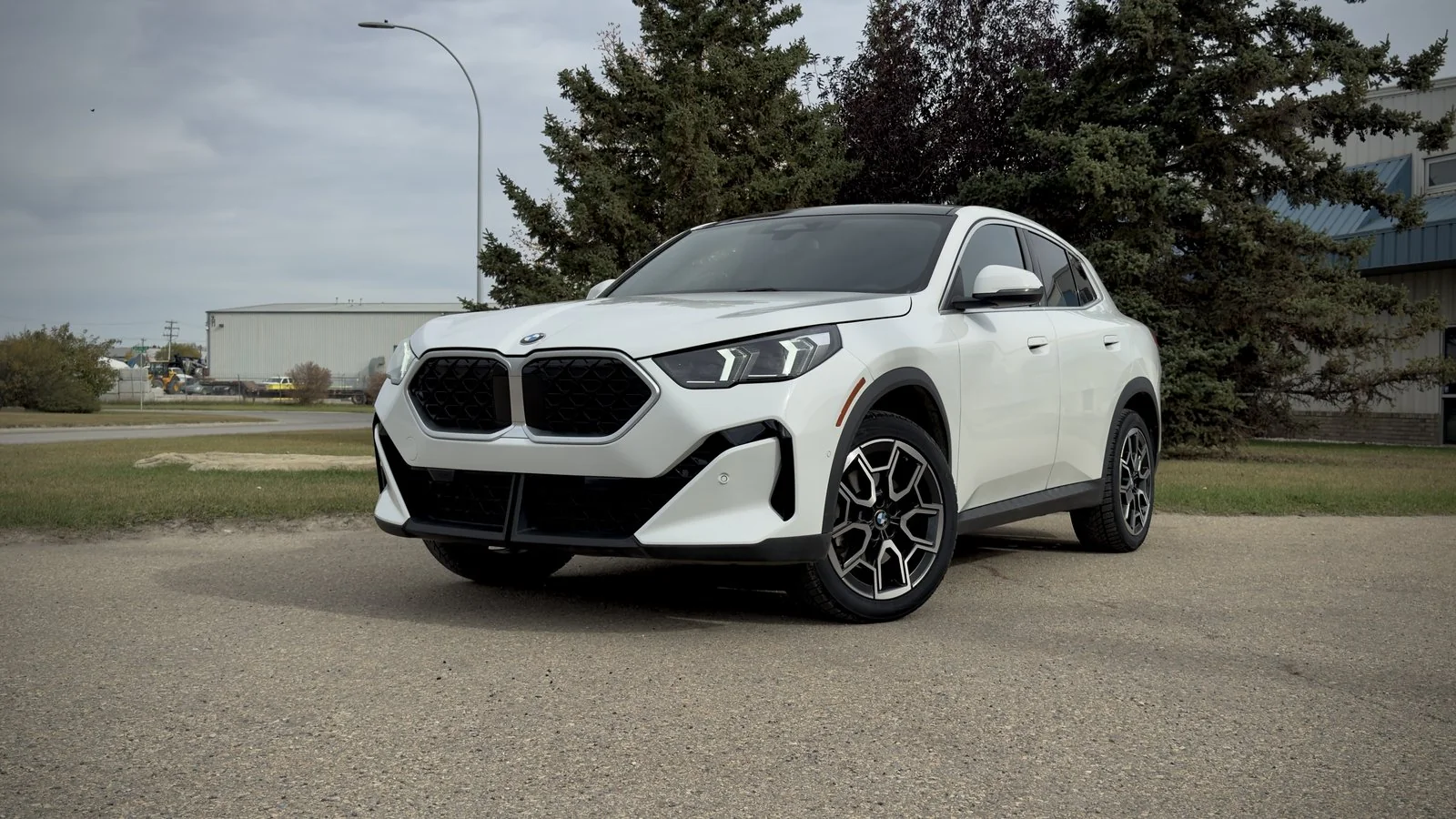
2025 BMW X2 xDrive28i
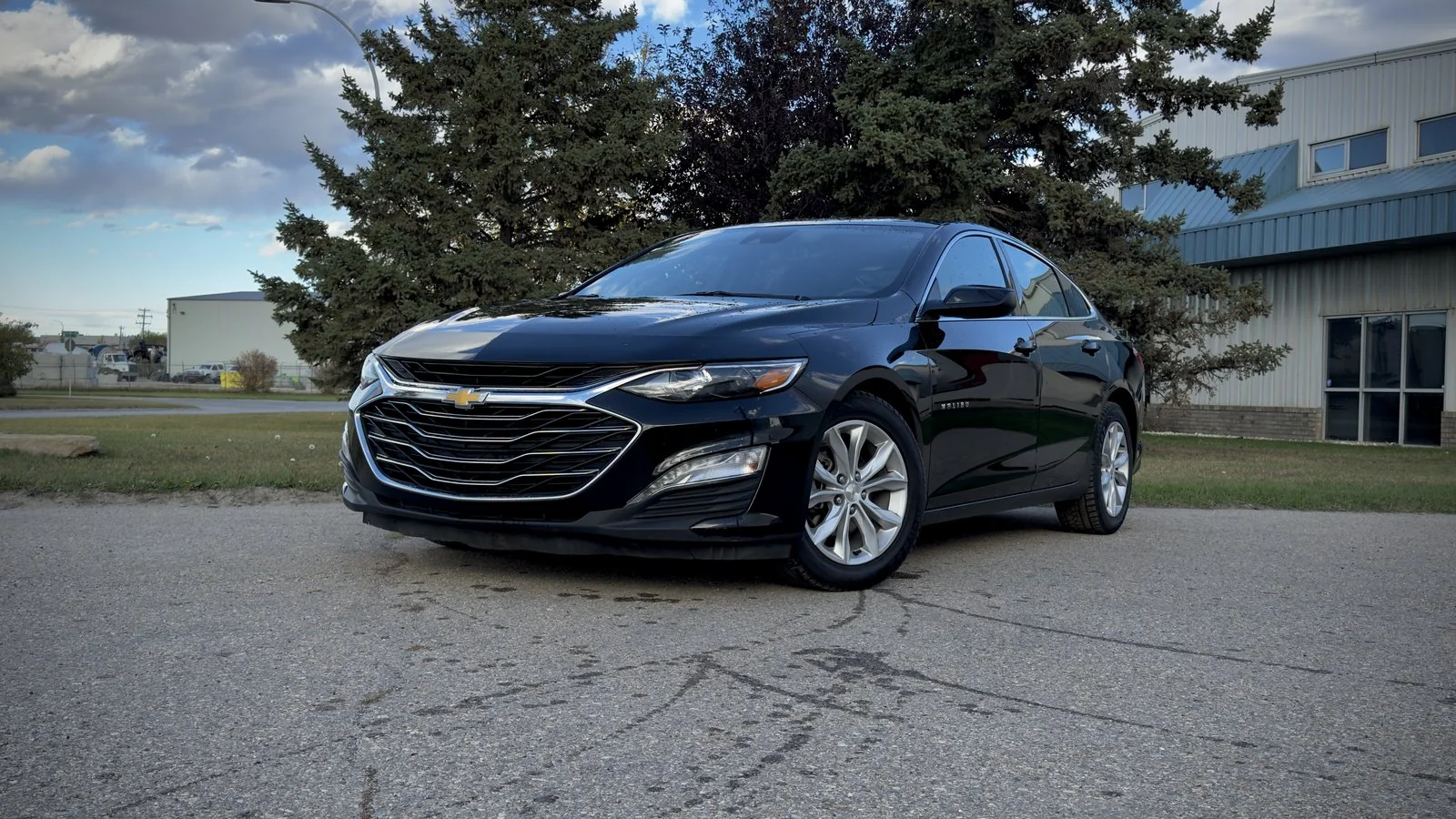
2025 Chevrolet Malibu 1LT
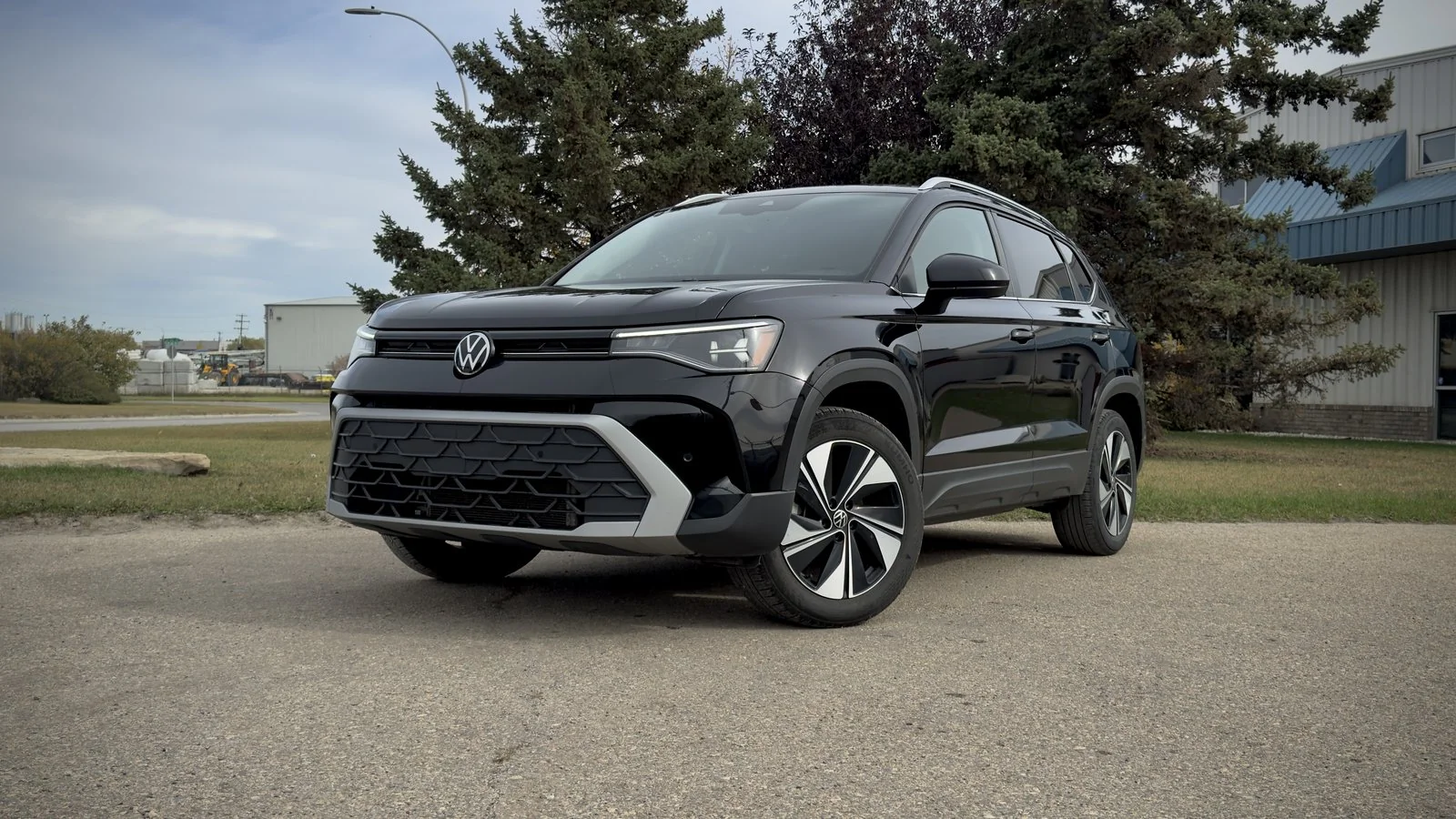
2025 Volkswagen Taos Comfortline
Not seeing it? We'll find it.
We source through our dealer partner network across Western Canada: 25,000+ vehicles to choose from. Tell us what you want and what works for your budget.
Find my car3 min · no credit impactOAC = on approved credit. Payments are examples at 6.49% APR over 84 months with $0 down, based on each vehicle's advertised price; GST extra. Your rate depends on your credit (4.99%–29.9% APR).
Related Resources
Other Financing Options
Ready to Get Your First Canadian Vehicle?
We work with all credit situations, including newcomers with no Canadian credit history. Apply in 3 minutes — no obligation.