
How do I get my first car loan with no credit history?
First-time buyers qualify through our lender network even with zero credit history. Lenders evaluate your income, employment stability, and down payment. Most first-time buyers are approved within 24-48 hours.
First-Time Car Buyer in Alberta?
No credit history? No problem! We specialize in helping first-time buyers get approved and start building credit. Your journey to car ownership starts here.
Last reviewed: October 2026
First Car? We'll Walk You Through It
No credit history needed. 3-minute application, 24-48 hour decision.
5.0118+ Google ReviewsAMVIC LicensedFree Delivery 300km
Key Facts
- Credit history needed
- None — first-time buyers welcome
- Credit building
- Your payments build your score
- Lender network
- 21+ lenders
- Application time
- 3 minutes online
- Down payment
- $0 options available
No Credit History? No Problem.
Who Do We Help?
Students
College or university student looking for reliable transportation? We help students get their first car loan, even with limited income history.
Newcomers to Canada
Recently moved to Canada? We work with lenders who understand newcomers may not have Canadian credit history yet.
New Workforce Entrants
Just started your first job? Stable employment and income can help you qualify even without established credit.
New Renters
Recently started renting on your own? Your ability to pay rent shows financial responsibility, which lenders consider.
What Documents Will You Need?
First-time buyers typically need a government-issued photo ID, proof of income (pay stubs or employment letter), proof of address, and 2 personal references. Having these ready before you apply speeds up approval and reduces back-and-forth. Just started your first job? Here is how a car loan on a new job works.
Having these documents ready will speed up your approval process:
Valid Government ID
Driver's license, passport, or provincial ID
Proof of Income
Recent pay stubs (2-3), employment letter, or bank statements
Proof of Address
Utility bill, lease agreement, or bank statement
References
2-3 personal references (not family members)
What Tips Help First-Time Car Buyers?
The four most impactful moves for first-time buyers are: set a budget before you shop, consider a down payment to improve approval odds, choose reliability over style, and get pre-approved before visiting dealerships. These steps reduce cost, improve approval chances, and protect you from common first-time mistakes.
Start with a Budget
Before shopping, determine how much you can realistically afford. Include insurance, gas, and maintenance in your calculations.
Consider a Down Payment
Even a small down payment can improve your approval chances and lower your monthly payments.
Choose Reliability Over Flash
For your first car, prioritize reliability and fuel efficiency. A dependable used car is often a better choice than an expensive new one.
Get Pre-Approved First
Apply for financing before shopping so you know exactly what you can afford. This gives you negotiating power.
How Do You Build Credit While You Drive?
You build credit while you drive by making every car loan payment on time — each payment is reported to Equifax and TransUnion, creating a positive installment history that raises your credit score month by month. Most first-time buyers see meaningful score improvement within 12–18 months of consistent on-time payments. New to Canada and starting without a Canadian credit history? Here is financing for new Canadians.
One of the biggest benefits of getting your first car loan is the opportunity to build credit. Here is how it works:
Your loan is reported to credit bureaus - Equifax and TransUnion track your payment history.
On-time payments boost your score - Each payment builds your credit history and improves your score.
Future financial opportunities open up - Good credit helps you get better rates on everything from credit cards to mortgages.
New vs. Used for Your First Car: What Does the Math Say?
For most first-time buyers, a reliable used vehicle is the better financial decision — the five-year total cost of ownership on a new car typically runs $55,000+ versus around $33,000 for a comparable used vehicle. The largest driver is depreciation: a new car loses roughly 20% of its value in year one alone.
The numbers make a clear case for used vehicles when you are buying your first car. Here is what the real cost comparison looks like.
| Cost Item | New Car — $35,000 | Used Car — $18,000 |
|---|---|---|
| Year 1 depreciation | -$7,000 (~20%) | -$1,800 (~10%) |
| 5-yr payments | ~$37,800 (7%, 72mo) | ~$22,400 (9%, 60mo) |
| Insurance (avg/yr) | ~$3,500/yr (under-25) | ~$2,200/yr (used avg) |
| 5-yr total cost est. | $55,000+ | ~$33,000 |
The gap is roughly $22,000 over five years. Great first-car options that hold value and carry low insurance costs include the Honda Civic and the Toyota Corolla — both are affordable and lender-friendly options with strong resale value and low maintenance costs. If your credit situation is non-standard, our guide to subprime auto financing explained covers how lender decisions work for first-time buyers.
What Is the Documents Checklist for First-Time Buyers?
The complete documents checklist for first-time buyers includes: photo ID, 2–3 recent pay stubs, proof of address dated within 90 days, a void cheque, and 2 personal references. If you have a trade-in, bring the registration and any existing loan information.
Having everything ready before you apply speeds up your approval and reduces back-and-forth. Here is the complete list:
Government-issued photo ID
Driver's licence, passport, or provincial ID card
Proof of income
Most recent 2-3 pay stubs, or your T4 from last year — both if available
Proof of address
Utility bill or bank statement dated within the last 90 days
Void cheque
For setting up automatic loan payments from your bank account
2 personal references
Names, phone numbers, and relationship — friends, colleagues, or neighbours (not family)
Trade-in vehicle registration
If you have a vehicle to trade in, bring the registration and any existing loan information
What Do Your First Car Loan Terms Mean?
The key terms in a first car loan are APR (the true annual cost of borrowing including fees), loan term (the repayment period — shorter means less interest), and payment frequency (biweekly payments reduce total interest versus monthly). Understanding these before signing ensures you can compare offers accurately and avoid surprises.
Auto loan paperwork has terminology that can feel opaque the first time through. Here is what the key terms actually mean.
APR (Annual Percentage Rate)
APR is the true cost of borrowing for one year, including the interest rate and any fees rolled into the loan. Always compare APR between lenders — not just the interest rate — because fees can make a lower rate more expensive in practice.
Biweekly vs. Monthly Payments
Biweekly payments result in 26 payments per year instead of 24 (12 months x 2). That extra two payments per year go entirely to principal, reducing your total interest paid. On a $20,000 loan at 10% over 60 months, switching to biweekly can save several hundred dollars and shorten the loan term by a few months.
Loan Term Trade-Offs
A longer term (72-84 months) means lower monthly payments but significantly more interest paid over the life of the loan. A shorter term (48-60 months) costs more per month but saves substantially on interest. For first-time buyers, the right balance is a payment you can comfortably afford without stretching the term unnecessarily.
Extra Payments
Most auto loans in Canada allow extra payments without penalty. Any amount above your regular payment goes directly to principal, reducing interest. Even $50 extra per month makes a meaningful difference on a first-time buyer loan.
GAP Insurance
GAP (Guaranteed Asset Protection) covers the difference between what your insurance pays out and what you still owe on your loan if your vehicle is written off. For first-time buyers financing close to the full purchase price, GAP is worth considering — especially in the first two years when depreciation outpaces principal paydown.
What Should First-Time Car Buyers Know About Insurance in Alberta?
First-time buyers under 25 in Alberta should budget $2,500–$4,000 per year for insurance — one of the highest rates in Canada — with the premium varying significantly by vehicle, driving history, and insurer. Getting an insurance quote before committing to a vehicle is essential, as the cost can change which car makes financial sense.
Insurance is often the biggest surprise for first-time buyers under 25. In Alberta, young drivers without a long history can pay $2,500 to $4,000 per year — or more for sports cars, trucks, or vehicles with high theft rates.
Ways to Reduce Your Premium
- —Winter tires: most Alberta insurers offer a 5-10% discount for documented winter tires
- —Driver training: a certified course can reduce premiums for new drivers
- —Higher deductible: raising your deductible from $500 to $1,000 can lower your annual premium by 10-15%
- —Telematics / usage-based programs: most major insurers offer apps that track driving behaviour and reward safe drivers with discounts
- —Bundle with home or renters insurance: multi-policy discounts can be 5-15% depending on the insurer
Collision vs. Comprehensive
Collision covers damage from accidents involving other vehicles or objects. Comprehensive covers theft, hail, fire, and other non-collision events. If you are financing a vehicle, your lender will typically require both. For older vehicles you own outright, dropping collision on a low-value car can make sense financially.
Vehicle Choice Affects Your Rate
Insurance rates vary significantly by vehicle. Practical sedans like the Honda Civic and Toyota Corolla consistently rank among the cheapest to insure for young drivers. Sports cars, large trucks, and vehicles with high theft rates cost substantially more. Before committing to a vehicle, get an insurance quote first — the number can change your decision.
What Our Customers Say
“When I started canvassing for a vehicle Luke reached out and was very helpful with finding cars and financing options. Luke and Shadeen helped with financing a private sale quickly.”
“Luke was fantastic with helping us get into a mini van, we are MORE than happy. I highly recommend anyone looking for a vehicle to go check out Shift Happens!”
“The buying experience was handled very professionally. Wes was very attentive and presented everything in an open and honest manner that gave me the reassurance that I made a good purchase.”
Cars you could drive home
See all inventory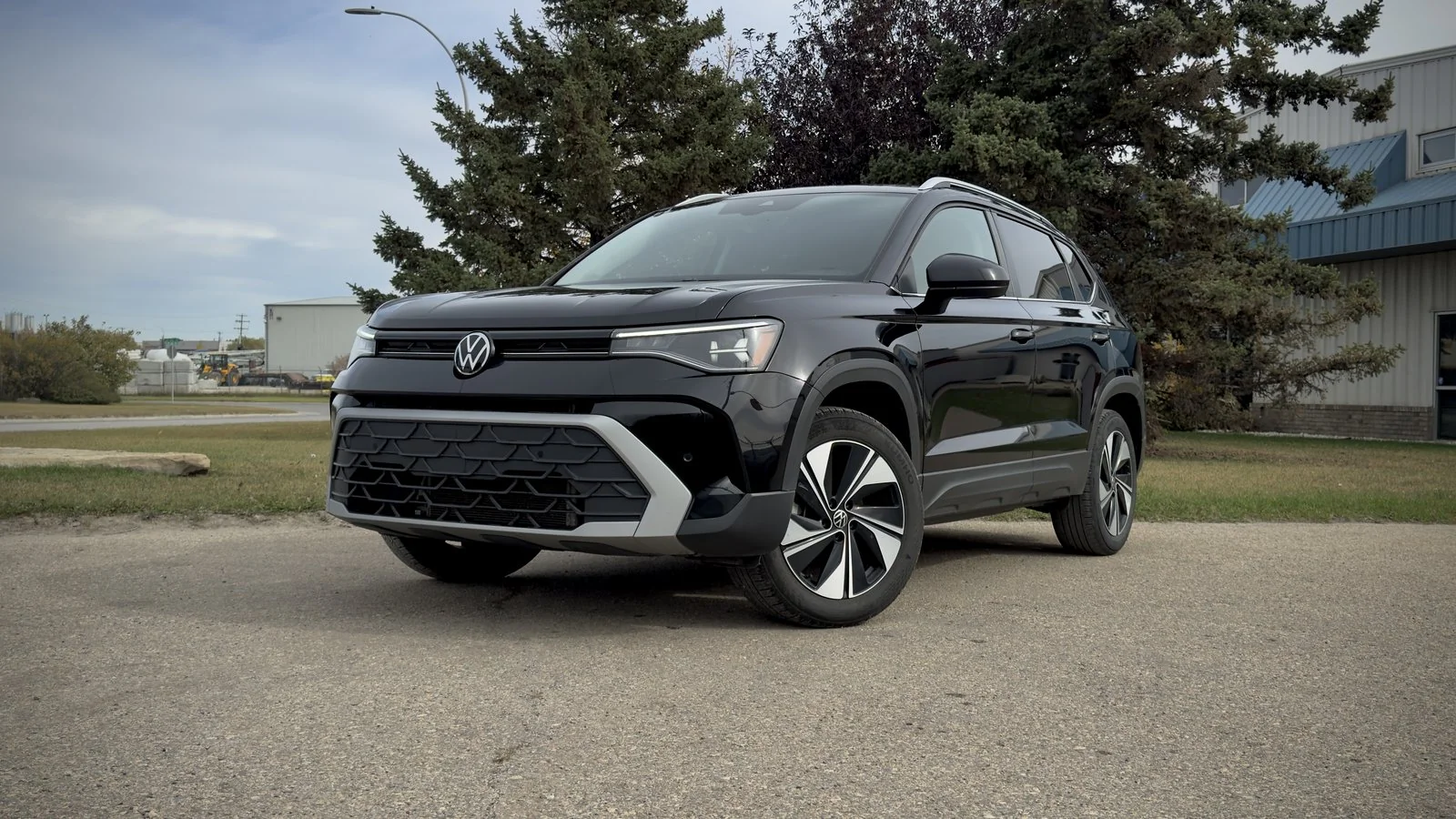
2025 Volkswagen Taos Comfortline
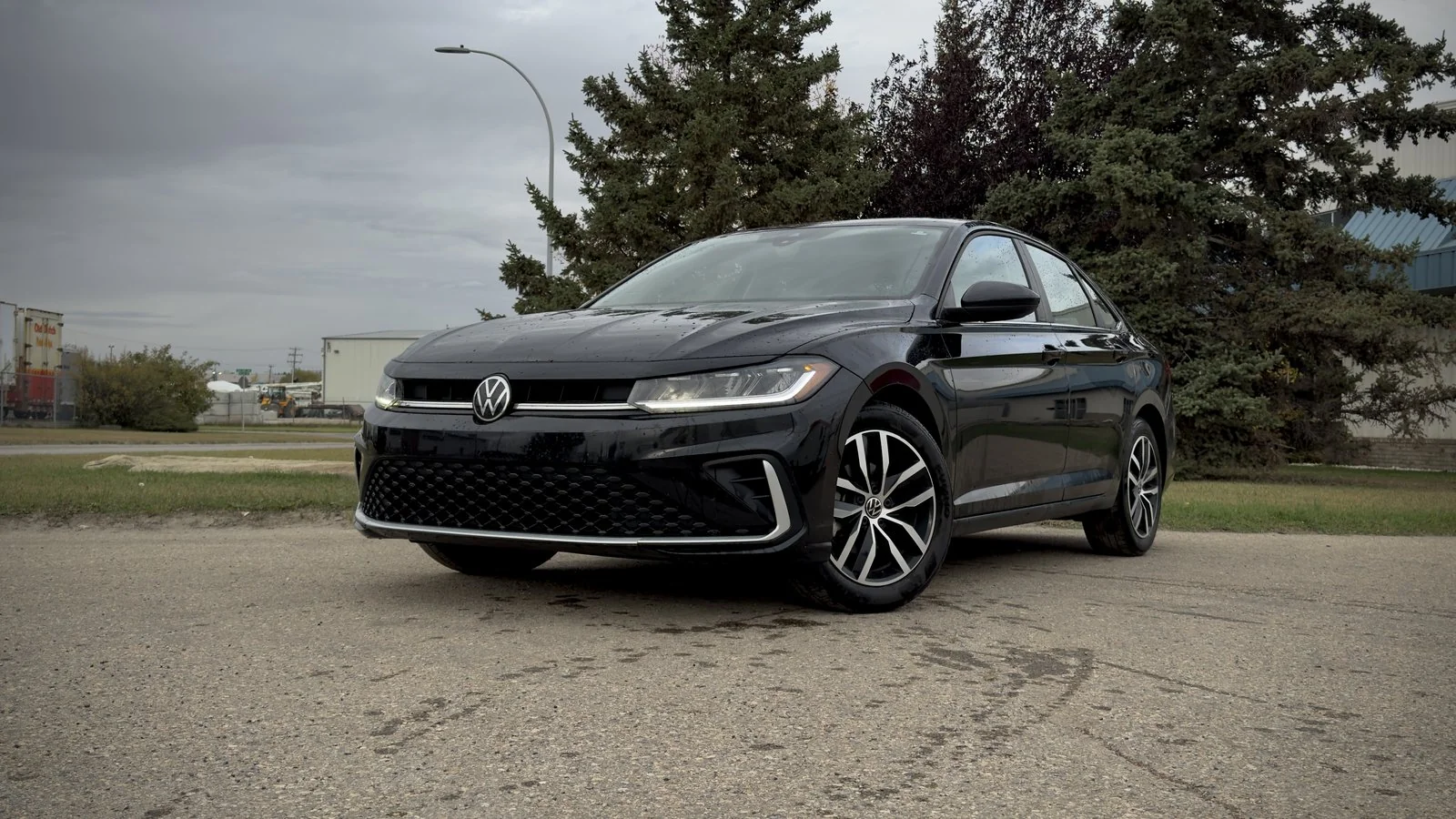
2026 Volkswagen Jetta Comfortline
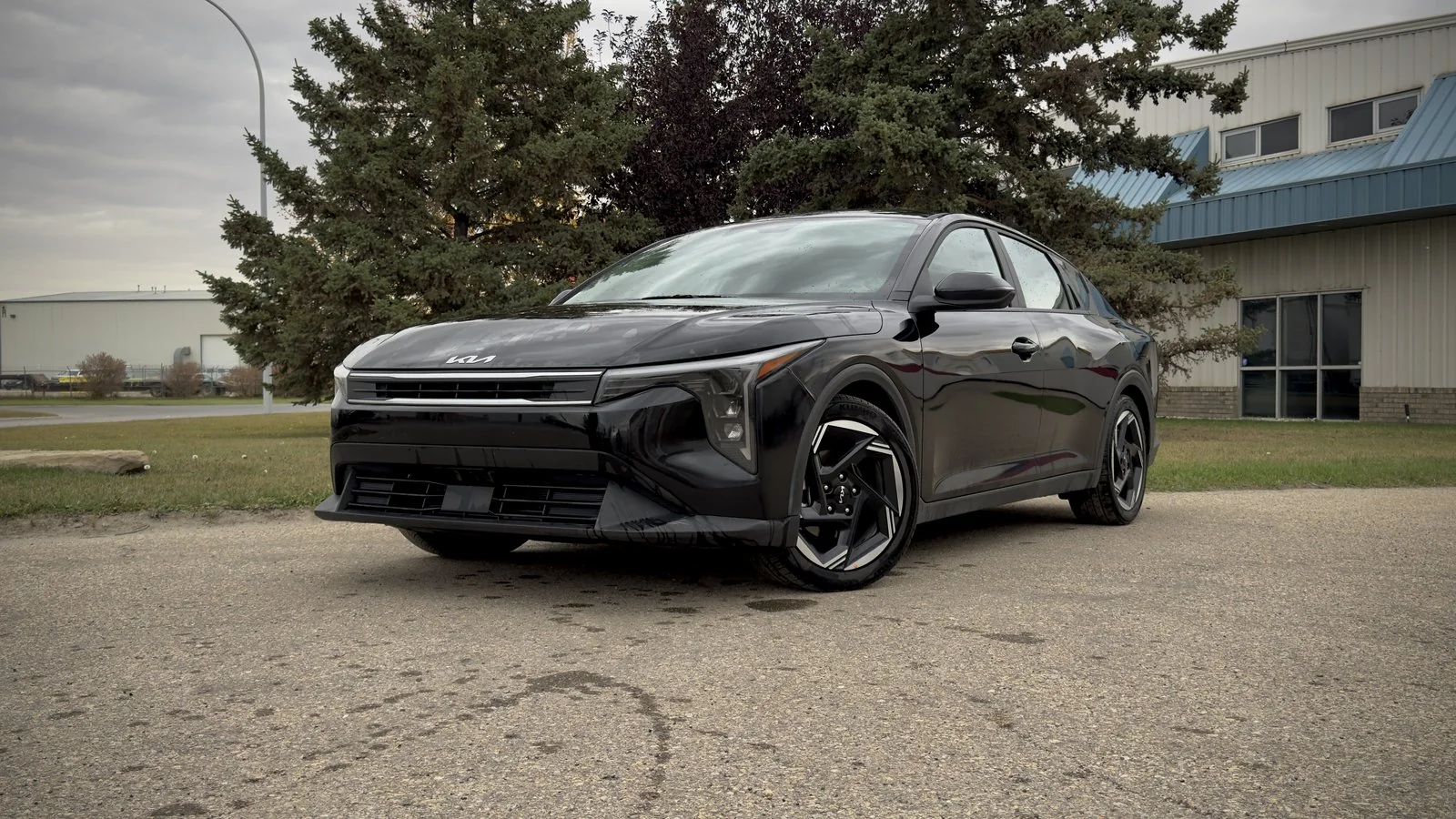
2025 Kia K4 EX
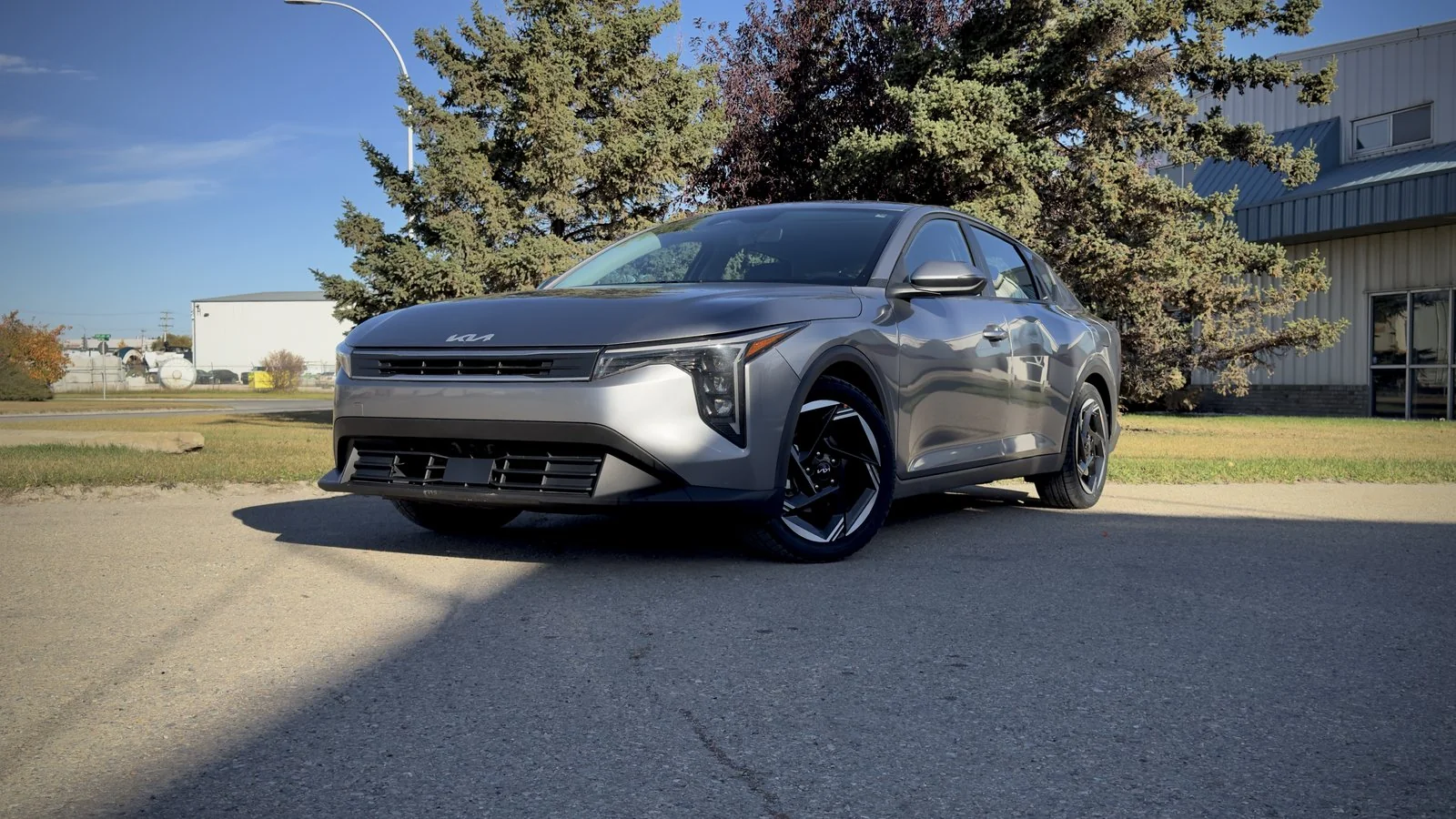
2025 Kia K4 EX
Not seeing it? We'll find it.
We source through our dealer partner network across Western Canada: 25,000+ vehicles to choose from. Tell us what you want and what works for your budget.
Find my car3 min · no credit impactOAC = on approved credit. Payments are examples at 6.49% APR over 84 months with $0 down, based on each vehicle's advertised price; GST extra. Your rate depends on your credit (4.99%–29.9% APR).
First Car? We'll Walk You Through It
No credit history needed. 3-minute application, 24-48 hour decision.
5.0118+ Google ReviewsAMVIC LicensedFree Delivery 300km
First-Time Buyer FAQs
Can I get a car loan with no credit history at all?
Yes. Having no credit history is different from having bad credit — and lenders treat it differently. Several lenders in our network have first-time buyer programs specifically built for people with no Canadian credit file, including newcomers and recent graduates. They evaluate income, employment duration, and banking history rather than a score that does not exist yet. A steady income and a reasonable down payment are typically enough to get approved.
How do first-time buyer programs work differently from regular car loans?
First-time buyer programs are designed for people with thin or no credit files. Instead of relying on a credit score, lenders look at income-to-payment ratios, employment duration, and banking history. Rates are typically higher than prime loans — usually 9 to 18 percent — but the loan performs exactly the same way. Every on-time payment builds your credit, and many buyers refinance to a better rate after 12 to 18 months of clean payment history.
What interest rates do first-time buyers with no credit history typically get in Alberta?
First-time buyers with no established credit typically see rates between 9 and 18 percent APR through our lender network, depending on income strength, down payment, and vehicle choice. A $500 to $1,000 down payment can meaningfully lower the rate. After 12 months of on-time payments, many of our customers refinance into the 6 to 9 percent range.
When does a co-signer actually help for a first car loan — and when is it not worth it?
A co-signer helps most when your income is borderline or you want a lower rate. A parent or close relative with established credit can unlock better terms and a higher approval amount. However, if your income is stable and you are choosing a reasonably priced vehicle, many first-time buyers qualify on their own. A co-signer adds complexity — if you ever miss a payment, it affects their credit too. We will tell you honestly whether you need one before you ask someone.
How long does it take to build a solid credit score from a first car loan?
Most first-time buyers have a scoreable credit file within 3 to 6 months of their first payment. After 12 months of consistent on-time payments, scores typically reach the 620 to 680 range — enough to qualify for credit cards and better loan rates. Adding a secured credit card alongside your car loan builds the file faster by creating two separate tradelines.
What is a realistic first car budget for someone in Alberta just starting out?
A practical budget for a first vehicle in Alberta is $12,000 to $18,000. In this range, you can find reliable used Hondas, Toyotas, and Hyundais that hold value, carry low insurance costs, and are approved by most first-time buyer lenders. Keep the total monthly cost — payment plus insurance plus gas — under 25 percent of your take-home income. For someone earning $3,500 per month, that is roughly $875 per month total.
Related Resources
Related Buyer Guides
Guides for first-time buyers building credit and navigating their first loan in Alberta.
- Best Used Cars for New Grads Starting Their Career in Alberta
- 5 Documents That Delay Every Alberta Car Loan
- How to Negotiate Your Car Loan Rate: Scripts That Actually Work
- Cosigner vs Joint Applicant: Which Is Better for Your Car Loan?
- Car Loan Pre-Approval vs Final Approval: What Actually Happens
- How Down Payment Size Shifts Your Approval Odds
- Going Back to School Mid-Career: Car Financing as a Mature Student
Other Financing Options
Ready to Get Your First Car?
Apply now and take the first step toward car ownership. We will guide you through the entire process.