
Car Buying on a Fixed Income: Retirement Financing in Alberta
In this article
- How Lenders View CPP, OAS, and Pension Income
- The Payment-to-Income Ratio on a Fixed Income
- Alberta-Specific Income Supplements That Help Your Application
- How Your Credit History Works in Your Favour
- The Vehicle Decision: Downsizing from Truck to Sedan
- Insurance Considerations for Retired Drivers
- Loan Term Strategy on a Fixed Income
- The Application Process: What to Bring
- Common Questions from Retired Buyers
- Do I need a cosigner if I'm retired?
- Can I still get approved with no income beyond CPP/OAS?
- What if I want to pay cash instead?
- Ready to See What You Qualify For?
- Related Buyer Guides
- Compare and Apply
Check Your Options in 3 Minutes
No credit impact. All credit situations welcome.
5.0118+ Google ReviewsAMVIC LicensedFree Delivery 300km
You've spent 30 or 40 years earning a paycheque, building a life, and probably financing a vehicle or two along the way. Now that you're retired, you might assume lenders will treat your CPP and OAS income differently — like it doesn't quite count the same way a T4 does. That assumption costs Alberta retirees real money every year, either in rates they didn't need to pay or in deals they walked away from because they thought they wouldn't qualify. Here's what actually happens when a retired person applies for a car loan in Alberta, and how to put yourself in the best position possible.
How Lenders View CPP, OAS, and Pension Income
The short answer: favourably. Canada Pension Plan and Old Age Security payments are among the most stable, predictable income sources a lender can see on an application. They don't disappear when the economy softens. They don't get cut when a company downgrades. They're indexed to inflation, they land on the same date every month, and the federal government backs them. For a lender doing a 48 or 60-month deal, that predictability is genuinely valuable.
Private pensions — whether from a defined benefit plan at a government job, a union, or a major employer — carry similar weight. So does RRSP/RRIF income, annuity payments, and rental income, provided you can document them. The key across all of these is documentation: your most recent tax return (T1 General), your CPP/OAS benefit statements, and two or three recent bank statements showing the deposits landing. Lenders want to see it on paper, not just hear about it verbally.
Investment income from a non-registered account is slightly more complex — it can vary year to year depending on what you're drawing down and how markets move. If that's part of your picture, bring two years of NOAs (Notices of Assessment) so a lender can average it out. And if you have rental income, bring the lease agreement and a recent bank statement showing rent deposits.
The Payment-to-Income Ratio on a Fixed Income
This is where retirement financing gets genuinely different from working-years financing, and it's worth thinking about carefully before you walk into any dealership. When you were earning a salary, a bad vehicle choice was expensive but recoverable — you could pick up overtime, change jobs, take on a project. On a fixed income, your monthly cash flow is largely locked. That makes the payment-to-income ratio the single most important number in the deal.
Most lenders want your total debt service (all loan payments, credit cards at minimum payment, any remaining mortgage) to stay under 40-44% of gross monthly income. If your CPP and OAS together bring in $2,800/month, that puts your maximum total debt service at roughly $1,120-$1,230/month. Subtract your other obligations first, and whatever's left is your real vehicle budget.
Use the biweekly payment calculator to model this before you shop. Plug in a realistic loan amount, a term that makes sense for your situation, and a rate estimate. For a retiree with a good credit history and documented pension income, rates from 6.99% to 12% are realistic depending on the vehicle age and lender. A $25,000 loan at 9.99% over 72 months comes to about $193 biweekly — or $419/month. That's manageable on most retirement incomes, but you want to confirm it before you fall in love with a specific vehicle.
Use the affordability calculator to work backward from a comfortable payment to a target purchase price. Starting with a payment you can actually sustain — rather than a vehicle you like and then reverse-engineering to make the numbers work — is the smartest move on a fixed income.
Alberta-Specific Income Supplements That Help Your Application
Alberta has a handful of provincial benefits that can meaningfully boost a retiree's documented income. The Alberta Seniors Benefit provides monthly payments to lower-income seniors, with the amount depending on household income. The Seniors Property Tax Deferral Program doesn't add income, but it frees up cash flow by letting you defer property tax until the home sells, which is worth noting when you're calculating monthly obligations.
The Alberta Seniors' Drug Plan reduces prescription costs significantly, which has an indirect effect on your available cash flow — and lenders sometimes ask about fixed monthly expenses when assessing affordability. Lower mandatory drug costs mean more discretionary income, which supports a higher loan payment ceiling. None of these are magic bullets, but every dollar of documented income helps your debt-to-income ratio, and lenders can count provincial government payments the same way they count federal ones.
If you're supplementing CPP/OAS with part-time work — many Alberta retirees do consulting, seasonal work, or part-time retail — that income counts too, as long as you can show a paper trail. Two months of pay stubs or a signed employment letter is usually sufficient. Read more about how lenders handle non-traditional income sources if your retirement income is a mix of different streams.
How Your Credit History Works in Your Favour
Here's a retirement advantage that doesn't get talked about enough: if you've been managing credit responsibly for 20, 30, or 40 years, your credit file is probably excellent. Average age of accounts matters to Equifax and TransUnion — it's a direct input into your score. A retiree with a 25-year mortgage (paid off), three credit cards with clean histories, and a couple of older car loans has a credit profile that most 32-year-olds would genuinely envy.
Credit utilization — how much of your available revolving credit you're using — tends to be lower in retirement as well, since most people have paid down their consumer debt. And payment history, which is the single largest factor in your credit score, reflects decades of on-time payments rather than a few years. All of this typically translates to lower interest rates, less scrutiny on the income side, and faster approvals.
The one risk to watch: closing old accounts. Some retirees close credit cards they "don't need anymore," which can actually reduce your score by shrinking your available credit and shortening your average account age. If you're planning a vehicle purchase in the next six months, keep those older accounts open and don't make any other major credit moves (new cards, loan applications) in the 90 days before you apply.
If you want to check where you stand before shopping, you can pull your credit score for free with no impact to your score. Knowing your number ahead of time means no surprises at the dealership.
The Vehicle Decision: Downsizing from Truck to Sedan
Many Alberta retirees arrive at this conversation coming off a truck or large SUV — a vehicle that made sense when you were hauling a boat, towing a trailer, driving to the job site, or managing a property. As those responsibilities fade, the costs associated with those vehicles don't. And on a fixed income, vehicle operating costs become a significantly larger percentage of your monthly budget than they were when you were earning a full salary.
Consider the gap between a used full-size truck and a used sedan over a five-year ownership period:
| Expense Category | Full-Size Pickup (avg) | Mid-Size Sedan (avg) |
|---|---|---|
| Fuel (15,000 km/yr at current prices) | ~$3,800/yr | ~$2,100/yr |
| Insurance (Alberta, age 65+) | ~$2,400/yr | ~$1,600/yr |
| Tires (replacement cycle) | ~$1,400/set | ~$800/set |
| Oil changes + filters | ~$300/yr | ~$200/yr |
| Brake service | ~$800/axle | ~$550/axle |
The annual operating cost gap between a truck and a sedan can easily run $2,000-$3,000 per year — money that, on a fixed income, could go toward travel, family, or simply financial cushion. And that doesn't include the purchase price difference: a comparable used truck often costs $5,000-$10,000 more than a sedan of the same age and mileage profile.
For most retired Alberta drivers, a Toyota Corolla or similar reliable sedan makes far more practical sense than a truck they no longer need. Corolla reliability is legendary — maintenance costs are predictable, parts are inexpensive, and fuel economy in the 9-11L/100km range on Alberta's mixed highway/city driving is genuinely easy on a fixed budget. The Honda CR-V is worth considering if you want the extra cargo space and slightly higher seating position without the operating costs of a full-size truck. It threads the needle well for retirees who still want versatility but don't need hauling capacity.
Other strong retirement candidates: the used sedan inventory in Calgary includes Toyota Camry (larger and quieter than the Corolla, similar reliability), Honda Accord, and Hyundai Elantra — all of which land in the sweet spot of low operating cost, high dependability, and comfortable ride quality for highway driving.
Insurance Considerations for Retired Drivers
Alberta auto insurance operates on a grid system modified by your personal history, and retirees typically have a structural advantage here: you've been driving for decades, your record is usually clean, and you drive fewer kilometres per year than when you were commuting. All three factors push premiums lower.
Vehicles with strong safety ratings and low theft profiles insure for less — another point in favour of Japanese sedans and small SUVs. The cheapest cars to insure in Alberta lists some specific models worth checking before you buy. Insurance cost should be part of your vehicle selection process, not an afterthought. Get a quote before you commit to a purchase — Alberta insurers will provide a quote on a specific VIN within 24 hours in most cases.
If you're dropping from two vehicles to one as part of retirement, your insurance costs obviously drop significantly. Some Alberta retirees also qualify for a multi-policy discount when bundling home and auto with the same insurer — worth asking about explicitly when you call.
Loan Term Strategy on a Fixed Income
Longer loan terms lower the monthly payment but increase total interest paid. On a fixed income, the instinct is often to stretch the term to keep payments manageable — and sometimes that's the right call. But it's worth running the math both ways before deciding.
Example: $20,000 vehicle, 10.99% rate.
- 48 months: ~$256 biweekly — total interest paid: ~$4,150
- 72 months: ~$186 biweekly — total interest paid: ~$6,320
- 84 months: ~$167 biweekly — total interest paid: ~$7,450
The 84-month option saves you $89 biweekly compared to 48 months, but costs you an extra $3,300 in interest over the life of the loan. On a fixed income where $89 biweekly genuinely matters, the longer term might make sense. But if you can comfortably handle the 48 or 60-month payment, the interest savings are substantial.
Our lenders offer terms from 12 to 96 months. The right term depends on your specific income, obligations, and comfort level — not a generic rule. A good financing conversation explores the full range rather than defaulting to one option.
It's also worth understanding how your debt-to-income ratio affects loan approval before you apply — especially if you have any remaining lines of credit or other monthly payments that factor into a lender's calculation.
The Application Process: What to Bring
Applying for a car loan as a retiree in Alberta is straightforward if you arrive prepared. Gather these before you shop:
- Government-issued photo ID — Alberta driver's licence or passport
- Most recent tax return (T1 General) — confirms total income from all sources
- Most recent Notice of Assessment — shows CRA-accepted income
- CPP and OAS benefit statements — current year amounts
- Pension income documentation — letter from pension administrator or T4A
- Three months of bank statements — showing income deposits and recurring expenses
- Proof of insurance on your current vehicle — if applicable
- Any RRIF/annuity documentation — if drawing from retirement accounts
The more complete your documentation, the smoother and faster the approval process. Lenders who specialize in financing for seniors and retirees understand the retirement income picture and know how to structure deals that make sense for fixed-income situations. At Shift Happens, we work with 15+ lenders to find options that fit your actual numbers — not a one-size-fits-all payment.
Common Questions from Retired Buyers
Do I need a cosigner if I'm retired?
Usually not, if your income is documented and your credit is strong. A cosigner becomes relevant if income is very low relative to the loan amount, or if there are credit issues that need strengthening. Most retirees with solid pension income and a clean credit history qualify on their own without needing to involve family members.
Can I still get approved with no income beyond CPP/OAS?
Yes, though the vehicle price range may be narrower. If your combined CPP and OAS is $1,800/month and you have no other fixed obligations, you have real purchasing power — you just want to stay in a price range where the payment stays comfortable within your income. Our payment calculator can help you model the numbers before you commit to anything.
What if I want to pay cash instead?
Some retirees prefer to pay cash and avoid interest entirely — and that's a perfectly valid choice. But it's worth doing the math: if you have RRSP or non-registered investments earning 6-8% annually and the car loan rate is 8-10%, paying cash from investments sometimes costs you more in foregone investment growth than the loan interest would have. If your investments are earning more than your loan rate, financing might actually serve you better financially. It's worth talking through with your financial advisor before deciding.
Ready to See What You Qualify For?
Retirement income is real, documented, and stable — exactly what lenders want to see. If you're ready to explore your options, submit a financing application and our team will match your situation to the right lenders from our network of 15+. There's no obligation, no pressure, and no commitment until you find the right vehicle at the right payment. We serve retirees across Airdrie, Calgary, and Alberta-wide — and we make the process straightforward regardless of what your income looks like on paper.
Compare and Apply
- Complete Bad Credit Car Buying Guide (Alberta) — how to buy a car with bad credit in Alberta
Financing Resources
Cars you could drive home
See all inventory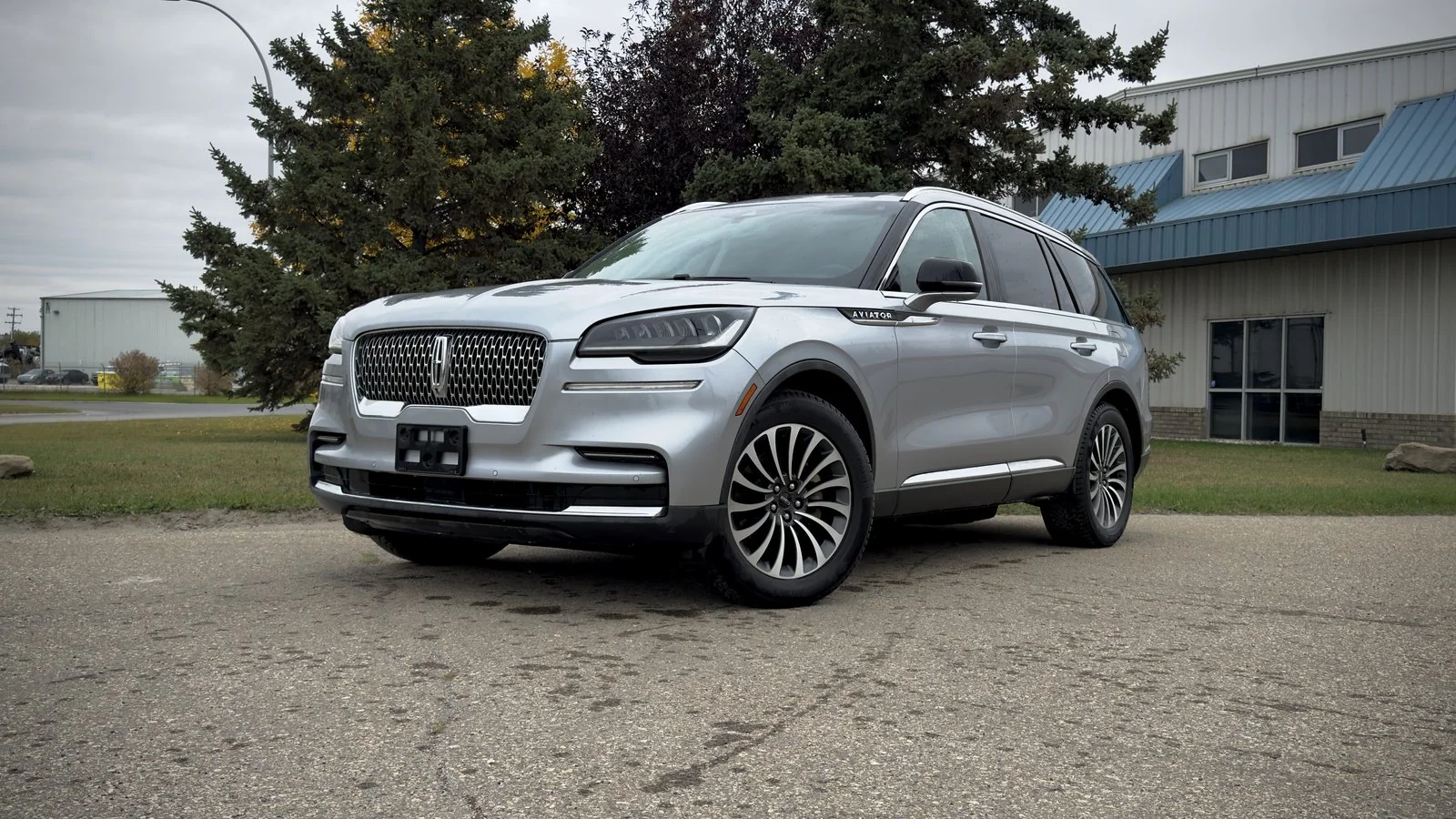
2022 Lincoln Aviator Reserve
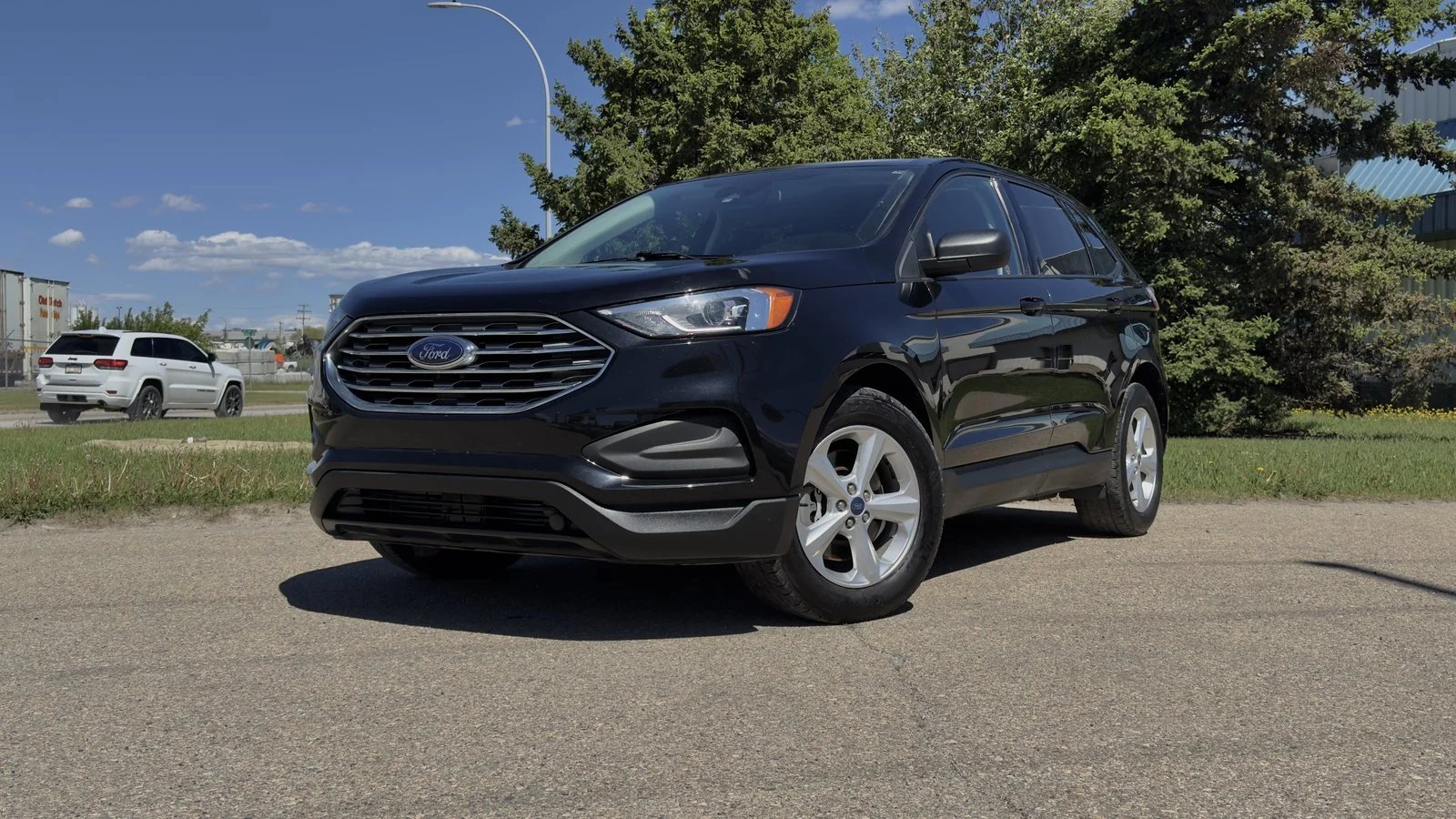
2020 Ford Edge SE
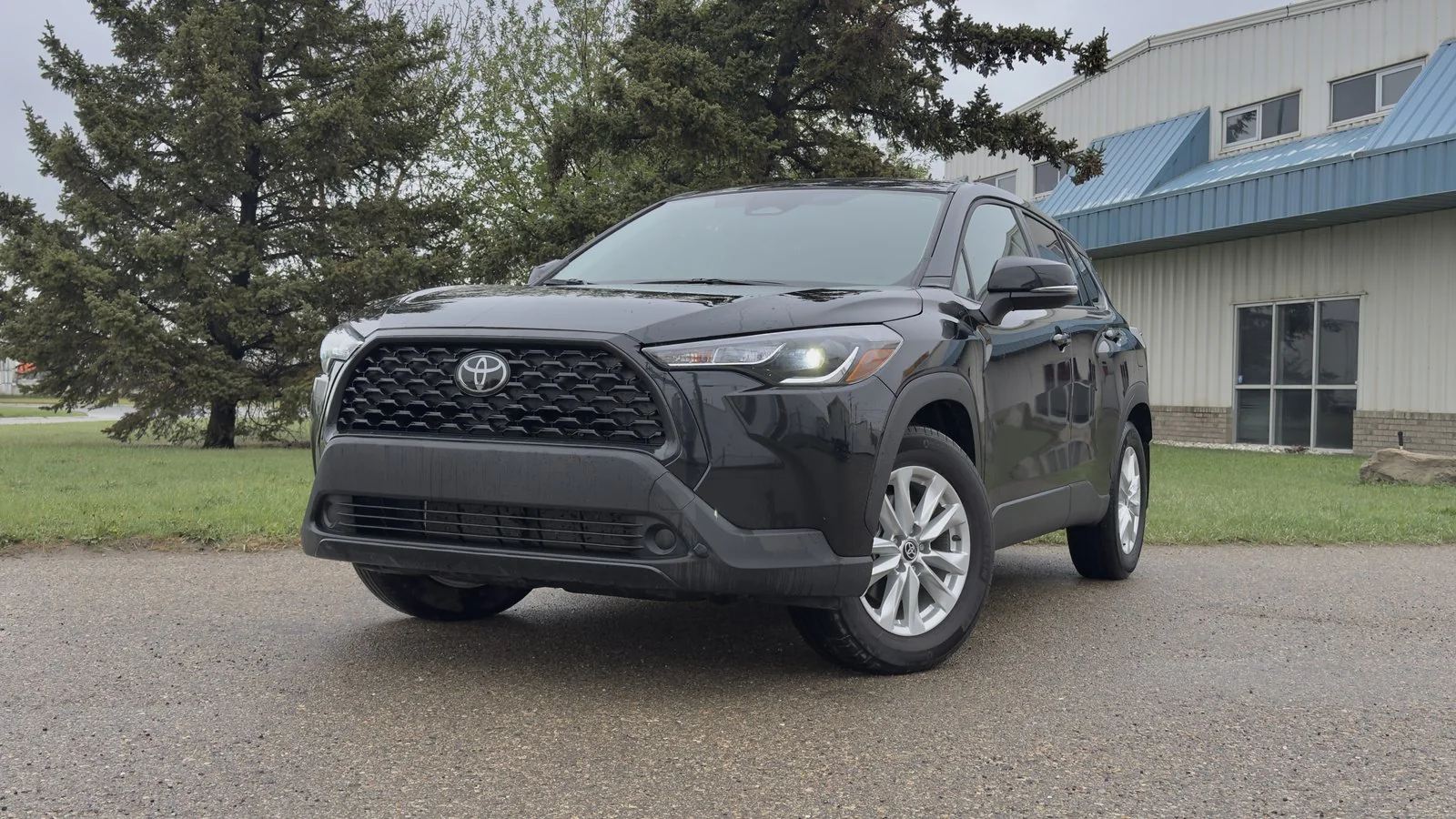
2024 Toyota Corolla Cross LE
Not seeing it? We'll find it.
We source through our dealer partner network across Western Canada: 25,000+ vehicles to choose from. Tell us what you want and what works for your budget.
Find my car3 min · no credit impactOAC = on approved credit. Payments are examples at 6.49% APR over 84 months with $0 down, based on each vehicle's advertised price; GST extra. Your rate depends on your credit (4.99%–29.9% APR).
Related Articles

Ready to Find Your Vehicle?
Browse our inventory or apply for financing. All credit situations welcome.
5.0118+ Google ReviewsAMVIC LicensedFree Delivery 300km