
Alberta Winter Vehicle Guide
Winter Car Buying Guide Alberta
Best AWD and 4WD vehicles for Alberta winters, winter tire requirements, block heater essentials, battery maintenance, and why winter is one of the smartest times to buy a vehicle in Alberta.
Last reviewed: October 2026
Key Facts
- Best AWD body type
- SUVs and trucks
- Winter tire season
- October through April
- Block heater plug temp
- -15°C and below
- Battery life in cold
- Reduced 50% at -18°C
- Best months to buy
- November–February
- Free delivery
- Within 300km of Airdrie
Alberta Winters Are Among the Harshest in Canada
Cars you could drive home
See all inventory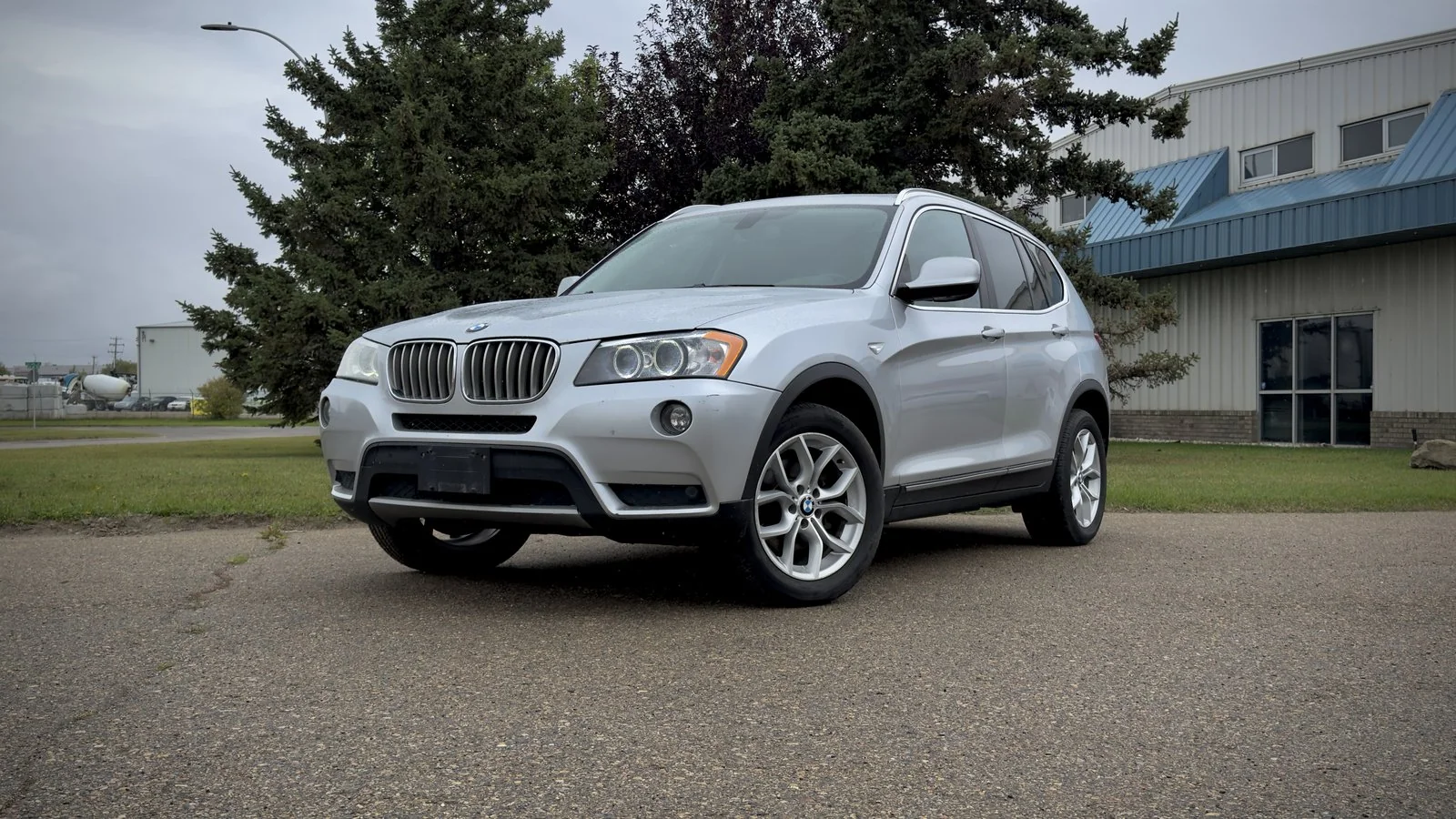
2014 BMW X3 xDrive28i
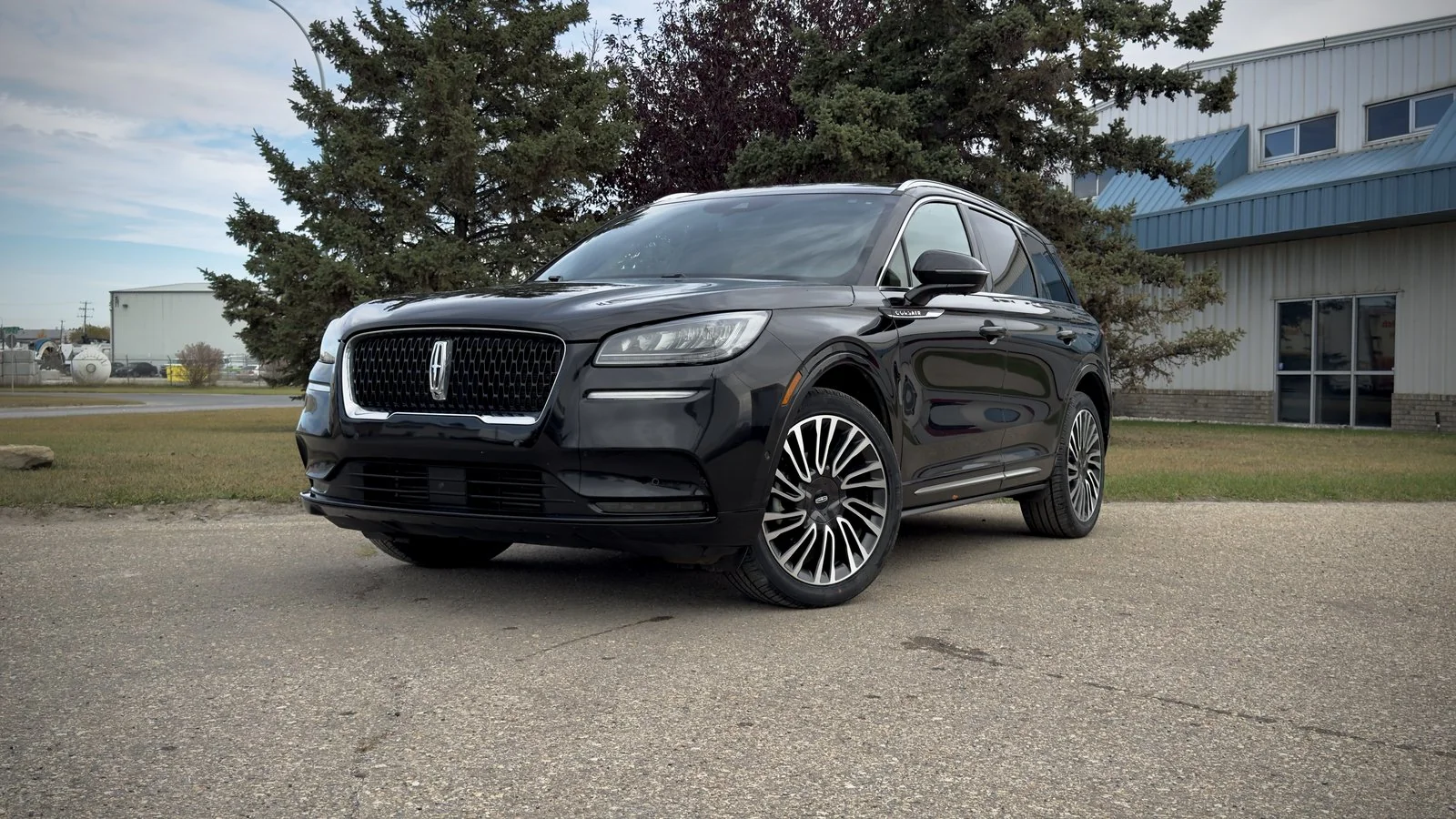
2021 Lincoln Corsair Reserve
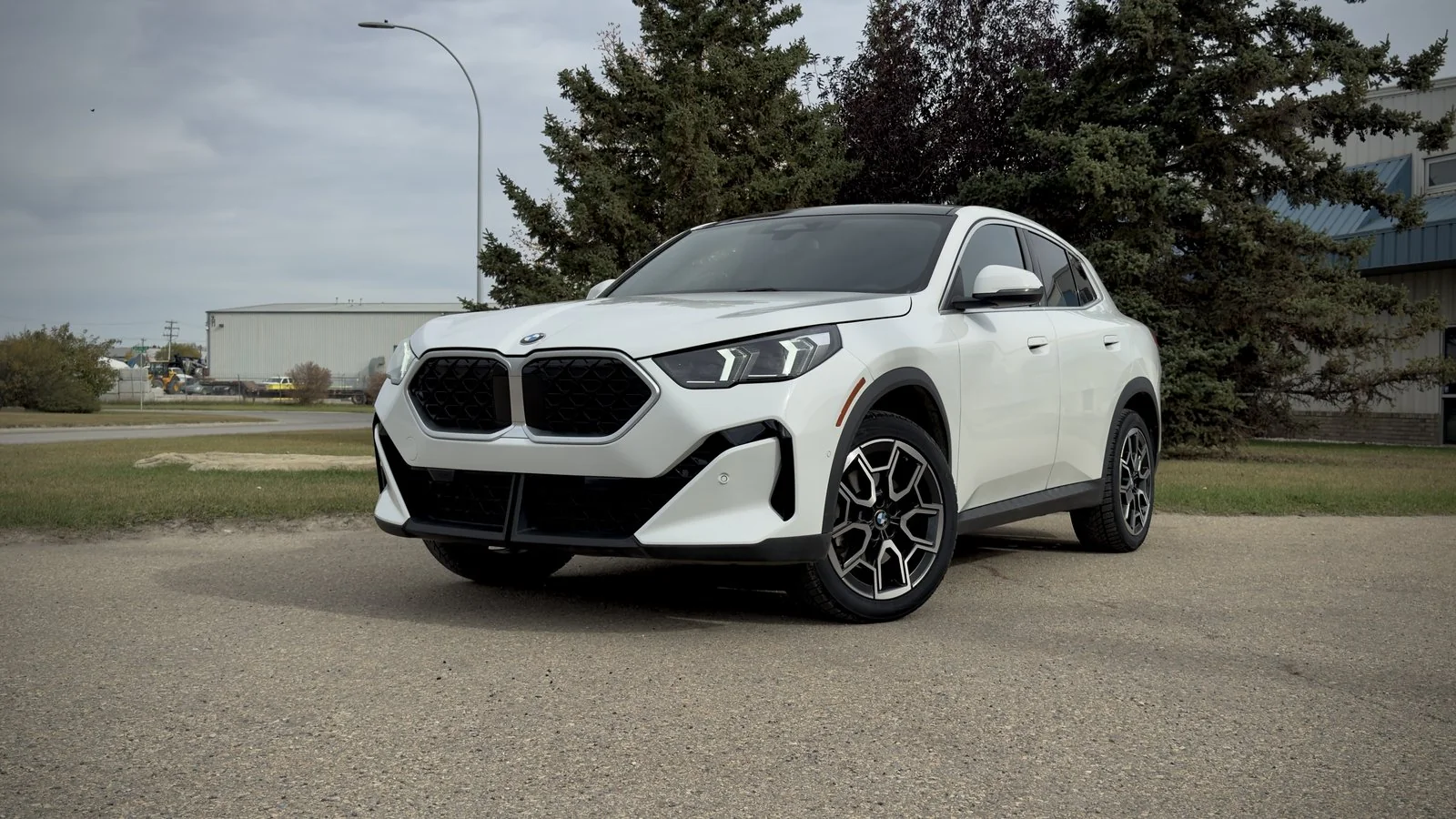
2025 BMW X2 xDrive28i
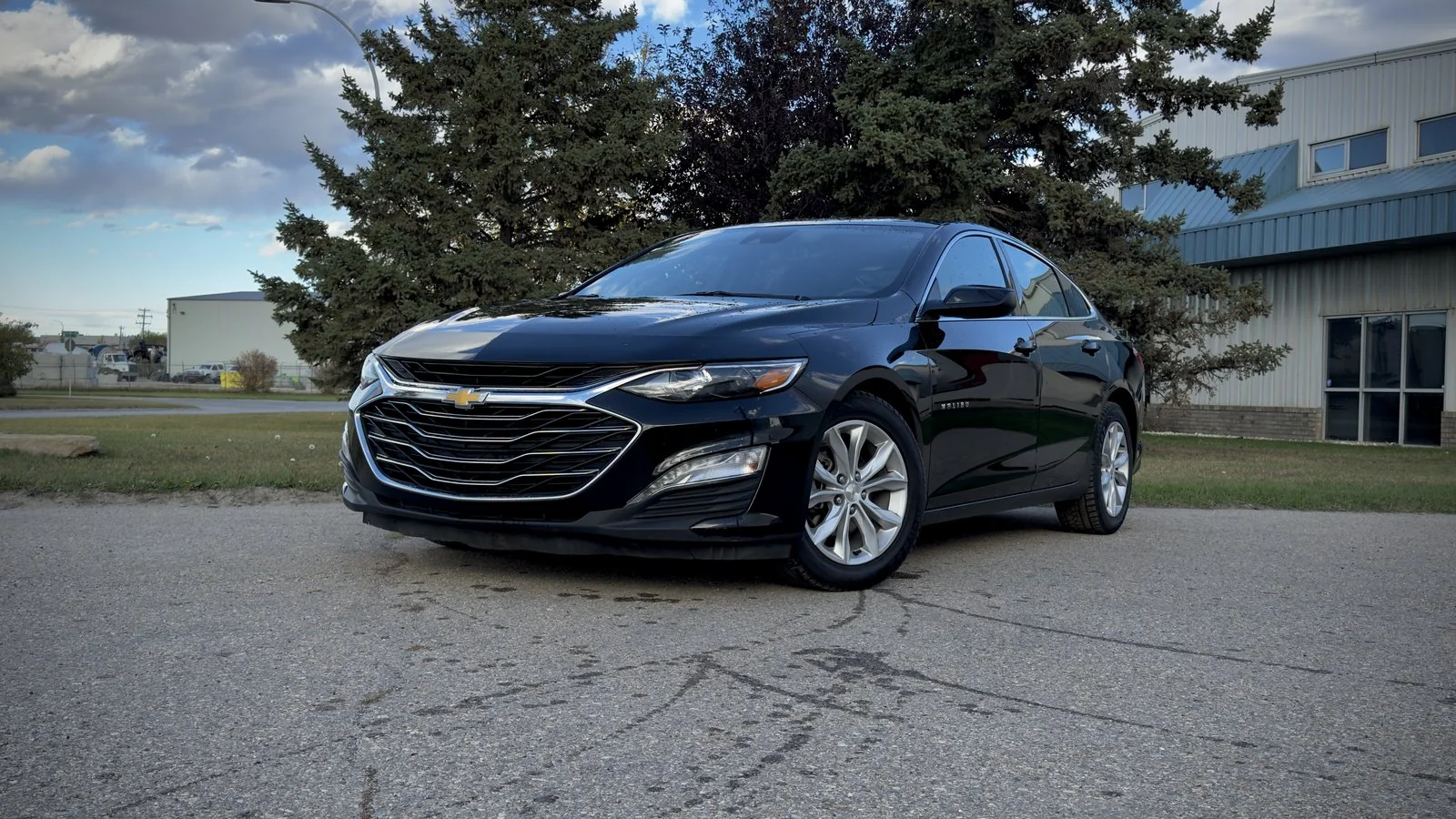
2025 Chevrolet Malibu 1LT
Not seeing it? We'll find it.
We source through our dealer partner network across Western Canada: 25,000+ vehicles to choose from. Tell us what you want and what works for your budget.
Find my car3 min · no credit impactOAC = on approved credit. Payments are examples at 6.49% APR over 84 months with $0 down, based on each vehicle's advertised price; GST extra. Your rate depends on your credit (4.99%–29.9% APR).
Shopping for a Winter Vehicle?
AWD and 4WD inventory. All credit welcome.
5.0118+ Google ReviewsAMVIC LicensedFree Delivery 300km
Best Vehicles for Alberta Winters
For Alberta winters, AWD or 4WD is not a luxury — it is a practical requirement for anyone outside of Calgary and Edmonton city limits. Even within cities, Alberta winters produce black ice, deep snow, and conditions where two-wheel-drive vehicles routinely get stuck. The right drivetrain paired with winter tires is the single most impactful upgrade you can make for winter safety. For a ranked breakdown of specific models that hold up best in Canadian cold, see our guide to the best used cars for Canadian winters.
Best AWD SUVs for Alberta
Toyota RAV4 AWD
The RAV4 is one of the most popular vehicles in Alberta for good reason. The AWD system is intelligent — it sends torque to the rear wheels automatically when slip is detected at the front. Ground clearance of 8.4 inches handles most Alberta snow depths without difficulty. The RAV4 Hybrid AWD adds an electric motor at the rear axle, giving it exceptionally fast torque response on slippery surfaces. Block heater is standard on Canadian-spec models.
Subaru Forester / Outback (Symmetrical AWD)
Subaru's Symmetrical AWD is a full-time system — all four wheels receive power simultaneously, unlike reactive AWD systems that only engage the rear axle when slip occurs. This makes Subaru a standout in conditions where the slip is happening before you can react. The Forester and Outback also offer among the best ground clearance in the compact SUV segment (8.7 and 8.8 inches respectively). Widely regarded as the benchmark for everyday winter AWD.
Ford Escape AWD / Chevy Equinox AWD
Both the Escape AWD and Equinox AWD offer capable winter performance at a more accessible price point than the Subaru or RAV4. Both have electronic AWD systems that react quickly to traction loss. These are strong choices for city-based Alberta drivers who want AWD capability without premium pricing. Pair either with dedicated winter tires for maximum winter performance.
Best 4WD Trucks for Alberta
Ford F-150 4WD
The F-150 with 4WD is the most common vehicle on Alberta roads for a reason — it combines high ground clearance (typically 9.4 inches), genuine 4WD with a low range, substantial towing capacity, and the comfort of a full-size cab for long Alberta highway drives. The aluminum body resists corrosion from road salt. Available 4WD Low range handles severe conditions that would stop an AWD vehicle. An essential winter workhorse.
Chevy Silverado / GMC Sierra 4WD
The Silverado and Sierra share underpinnings and offer excellent winter performance through their Autotrac 4WD systems. The Auto 4WD mode automatically engages 4WD as traction conditions require, making it transparent for daily driving. Particularly strong in conditions where you alternate between plowed roads and unplowed surfaces — which describes most Alberta rural driving from November through March.
Ram 1500 4WD
The Ram 1500 with 4WD delivers strong winter capability with the added benefit of one of the most comfortable cab interiors in the full-size truck segment. The air suspension available on higher trims can be raised for additional ground clearance when conditions demand it. The coil-spring rear suspension (unique in full-size trucks) provides better ride quality on Alberta winter roads where frozen ruts can be punishing on leaf-spring suspension.
AWD vs. 4WD: The Practical Difference
Winter Tires in Alberta: What You Need to Know
Winter tires are the single highest-impact safety upgrade you can make for Alberta driving. An AWD vehicle on all-season tires stops and corners less effectively in winter conditions than a front-wheel-drive vehicle on dedicated winter tires. The drivetrain helps you go — tires determine whether you can stop and steer.
Alberta Winter Tire Legal Requirements
Alberta does not have a blanket province-wide winter tire mandate for passenger vehicles. However, several important exceptions apply. Highway 1 through the Rockies (Banff/Golden corridor) has a winter tire requirement from October 1 to March 31 for commercial vehicles. Some municipalities, including parts of the mountain corridor, may have local requirements. More practically, your insurance carrier can dispute a winter accident claim if they determine all-season tires were used when winter conditions were present. For liability and safety reasons, switching to winter tires by October is strongly recommended.
What to Look for in Winter Tires
Look for the mountain snowflake symbol (Three-Peak Mountain Snowflake, or 3PMSF) on the tire sidewall — this is the industry standard indicating the tire has passed testing at -40°C. The M+S (mud and snow) designation alone does not meet this standard. Top-performing winter tire brands in Alberta include Michelin X-Ice, Bridgestone Blizzak, Continental WinterContact, and Nokian Hakkapeliitta. Minimum tread depth for winter driving is 3.5mm — below that, winter performance drops off sharply. Plan to replace tires at 4mm proactively.
Steel Rims vs. Alloy Rims for Winter
Running winter tires on a dedicated set of steel rims is significantly cheaper than mounting and unmounting on your alloy wheels twice a year. Steel rims cost $100-$200 each and eliminate the mounting/balancing fees entirely once you have the setup. They also protect your alloy wheels from salt corrosion and curb damage during winter. A complete winter tire and steel rim package typically runs $800-$1,500 installed — a one-time investment that pays for itself in two seasons of mounting savings and wheel protection.
Block Heaters: Essential for Alberta Cold
A block heater pre-warms the engine coolant and oil, so the engine turns over instantly at -30°C instead of grinding through cold-thickened oil.At temperatures below -20°C, an engine without a block heater plugged in will experience measurably increased wear on startup — every cold start in severe Alberta weather equals approximately 500 km of wear on engine components.
When to Plug In
The general guidance in Alberta is to plug in below -15°C. Most block heaters bring the engine to operating temperature after 2-3 hours of being plugged in — overnight is more than sufficient. Using a timer to plug in 2-3 hours before you leave, rather than overnight, saves electricity without sacrificing warmth. A standard block heater draws 400-1,500 watts — plugging in overnight for a full 8 hours costs approximately $0.25-$0.50 in electricity at Alberta rates.
Verifying a Block Heater Works
To test a block heater: plug the vehicle into a working 120V outlet for 2 hours, then carefully touch the lower radiator hose. It should be noticeably warm. Alternatively, use an outlet tester or a simple inductive ammeter clipped around the cord to confirm current draw. If the cord shows no draw and the engine is cold after plugging in, the element may have failed — a common issue on vehicles over 10 years old. Replacement block heater elements typically cost $50-$150 installed.
Block Heater Tip for Used Vehicle Purchases
Battery Maintenance in Alberta Cold
Cold weather reduces battery capacity by up to 50% at -18°C. A battery that tests at 60% health in summer will test at approximately 30% health in deep Alberta cold — right on the edge of reliably starting a vehicle. This is why batteries that seem fine in September fail in January.
Battery Testing Before Winter
Have your battery load-tested (not just voltage-tested) before winter begins. Voltage testing only shows charge state — load testing shows whether the battery can deliver cranking amps under demand. Canadian Tire, Napa Auto Parts, and most mechanics offer free battery testing. Batteries over 4 years old should be proactively replaced in Alberta before winter, regardless of test results — the risk-reward calculation on a $150-$200 battery replacement far outweighs getting stranded at -35°C.
Battery Tender for Stored Vehicles
If you have a secondary vehicle, motorcycle, or RV stored over winter, a battery tender (trickle charger) maintains the battery at full charge and prevents the deep discharge-recharge cycles that shorten battery life. A quality battery tender costs $40-$80 and can extend battery life by 2-3 years on stored vehicles. Essential for anyone with a summer motorcycle or seasonal vehicle in Alberta.
Why Winter Is a Smart Time to Buy a Vehicle in Alberta
Counterintuitively, winter is one of the best times to buy a used vehicle in Alberta. Most buyers wait for spring — which means less competition, more motivated sellers, and better leverage for the buyers who shop in winter.
Less Competition from Other Buyers
Spring and summer are peak used vehicle shopping seasons in Alberta. Dealer lots see higher foot traffic, vehicles sell faster, and there is less room to negotiate. Winter traffic is lighter — dealers have more time for each customer and are more willing to work on pricing to move inventory. The same vehicle that gets three offers in April may sit for two weeks in December.
Year-End Inventory Pressure
Dealerships operating on a December 31 fiscal year-end have real incentive to reduce inventory before the close. Pre-owned vehicles sitting on the lot through winter represent carrying costs — insurance, financing, floorplan interest. November through January is often the highest-motivation period for dealers to sell, which benefits buyers who are prepared and ready to move quickly.
See How the Vehicle Performs in Winter
Buying in winter lets you test drive the vehicle in actual winter conditions. You can verify that 4WD engages properly, that the heater delivers full heat within a few minutes, that the defrosters clear the windshield efficiently, and that the block heater connection is accessible and functional. Buying a winter vehicle in summer means taking all of this on faith.
Conversely: Spring Premium on AWD/4WD
AWD SUVs and 4WD trucks command a spring and summer premium in Alberta as buyers prepare for summer adventure and camping season. Prices on the most popular AWD/4WD vehicles tend to rise 3-7% from January to May. Locking in your purchase in winter captures that difference — and you have the vehicle immediately for the remaining cold months.
Frequently Asked Questions
Are winter tires required by law in Alberta?
Alberta does not have a province-wide law requiring winter tires on all roads. However, some mountain highway designations and local municipalities have requirements. More importantly, insurance providers in Alberta can deny claims if you are in a winter accident and were using all-season tires when winter tires would have been appropriate. Practically speaking, winter tires are essential for Alberta driving from October through April.
What is the best AWD SUV for Alberta winters?
The best AWD SUVs for Alberta winters combine genuine all-wheel drive, ground clearance, and block heater compatibility. Top performers include Toyota RAV4 AWD, Ford Escape AWD, Subaru Forester and Outback (Symmetrical AWD), and Toyota Highlander. For deeper snow and rough winter roads, the Ford Explorer 4WD, Jeep Grand Cherokee, and Chevy Equinox AWD perform well.
Do all vehicles in Canada come with block heaters?
Most vehicles sold in Canada since the 1990s include an engine block heater as standard equipment. If you are buying a used vehicle that was originally sold in the US and imported to Canada, it may not have a block heater installed. Block heaters cost approximately $100-$200 to install aftermarket and are essential for Alberta winters.
Is winter a good time to buy a car in Alberta?
Yes — winter (November through February) is typically one of the best times to buy a car in Alberta. Dealer inventory is often higher relative to foot traffic, and dealers are more motivated to move inventory. Less buyer competition means more negotiating leverage. Used vehicle prices also tend to dip slightly in winter.
What should I check on a used vehicle before an Alberta winter?
Before running a used vehicle through an Alberta winter, check: battery (cold reduces capacity 50% at -18C), block heater function, coolant antifreeze level, tire tread depth (minimum 3.5mm), 4WD/AWD engagement, winter wiper blades, and brake pad thickness.
Browse Winter-Ready Inventory
We stock AWD and 4WD trucks and SUVs year-round. Our vehicles include Canadian-spec models with block heaters as standard. Financing available across all credit situations — same-day approvals available.
Browse AWD/4WD Inventory
View available AWD SUVs and 4WD trucks ready for Alberta winters.
Apply for Financing
All credit situations welcome. 3-minute application, same-day decisions. Free delivery within 300km.
Winter Car Care Alberta
Detailed maintenance checklist for keeping your vehicle reliable through an Alberta winter.
Bad Credit Car Loans
Credit challenges? We work with all credit situations including consumer proposals and bankruptcy.
Ready for Winter? Find Your Vehicle.
We have AWD SUVs and 4WD trucks ready for Alberta winters. Free delivery within 300km of Airdrie. Financing for all credit situations — same-day approvals available.
Or text/WhatsApp: (825) 736-4438