
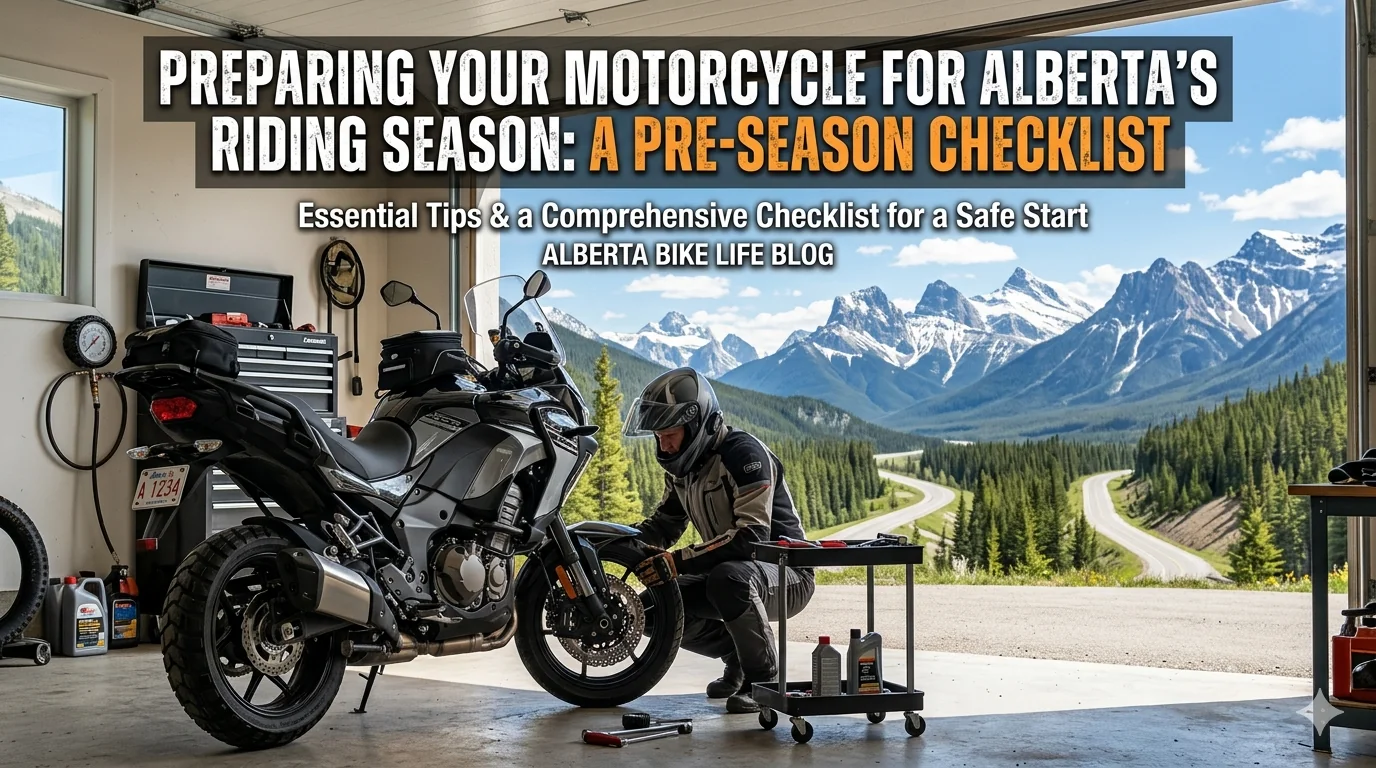
Preparing Your Motorcycle for Alberta's Riding Season: A Pre-Season Checklist
In this article
- Why Alberta Winters Are Especially Hard on Parked Motorcycles
- Battery: Start Here
- Battery Inspection Steps
- Tires: The Safety-Critical Check
- What to Check
- Fluids: Change What Needs Changing
- Fluid Checklist
- Chain, Belt, and Final Drive
- Brakes: The Non-Negotiable
- Lights, Signals, and Electrics
- Insurance and Registration Reactivation
- Your First Ride of the Season: Treat It Like a Shakedown
- Spring Road Hazards Specific to Alberta
- Best First Rides of the Season Near Airdrie and Calgary
- Spring Riding Safety Gear Check
- Helmet
- Jacket and Pants
- Gloves and Boots
- How to Handle Winterization Next Fall (While You're Thinking About It)
- When a Pre-Season Check Reveals the Bike Isn't Worth Fixing
- Thinking About a New Bike This Spring?
- Related Buyer Guides
- Compare and Apply
Check Your Options in 3 Minutes
No credit impact. All credit situations welcome.
5.0118+ Google ReviewsAMVIC LicensedFree Delivery 300km
Your bike has been sitting in the garage since October. It's mid-April, there's finally a dry week in the forecast, and every rider instinct you have is telling you to just go. Don't. Every spring in Alberta, riders who skip the pre-season inspection end up stranded on the side of the Cowboy Trail or, worse, discover a brake problem when it matters most. A proper pre-season walkthrough takes two to three hours and costs almost nothing — it's the best riding preparation you can do.
Why Alberta Winters Are Especially Hard on Parked Motorcycles
Alberta's storage season runs roughly five to six months, and our winters create specific problems that riders in milder climates don't face. Temperature swings from -30°C to +5°C can cause battery discharge, brake fluid moisture absorption, tire flat-spotting, and fuel degradation — all at the same time. If you stored the bike properly in October, you've minimized the damage. If you just rolled it into a cold garage and walked away, expect to work through this checklist carefully.
The good news: most winter storage issues are simple and cheap to fix if you catch them before the first ride. The bad news: they're expensive and dangerous if you don't.
Battery: Start Here
The battery is the most common spring failure point. Even with a battery tender running all winter, lithium and AGM batteries can develop problems over a six-month rest. Conventional lead-acid batteries without a tender are almost certain to be degraded after an Alberta winter.
Battery Inspection Steps
- Check resting voltage with a multimeter. A fully charged 12V battery should read 12.6-12.8V at rest. Anything below 12.0V means the battery is significantly discharged and possibly sulfated.
- Attempt a slow charge (1-2 amp). A good battery will accept the charge and hold it. A failing battery will charge to voltage but drop quickly when disconnected.
- Load test it. Most Canadian Tire stores will load-test your battery for free. This tells you actual cranking capacity, not just resting voltage.
- If the battery is more than three to four years old and doesn't pass a load test — replace it. A new motorcycle battery runs $60-180 depending on type and capacity. That's cheap compared to getting stranded.
Pro tip for next winter: A CTEK or Battery Tender-brand smart charger left connected all winter extends battery life significantly and costs about $60. If you don't have one, get one before you put the bike away this fall.
Tires: The Safety-Critical Check
Tires are the only contact patch between you and the road, and Alberta winters do specific damage that's easy to miss on a visual inspection.
What to Check
- Pressure: Motorcycle tires lose roughly 1 PSI per month of storage, plus additional pressure with every 10°C temperature drop. Check your bike's recommended pressure (usually on a sticker near the swing arm or in the owner's manual) and inflate accordingly. Don't use the sidewall rating — that's the maximum, not the recommended operating pressure.
- Flat spots: Tires that sat on a cold concrete floor for months may have developed a flat spot where they contacted the ground. Put the bike on a paddock stand before storage next year. Mild flat spots usually round out after 10-15 minutes of riding — but be aware of the subtle wobble when you first pull out.
- Tread depth: Alberta law requires 1.6mm minimum tread depth, but most experienced riders change tires well before that — especially in a climate with variable spring conditions. Check tread depth with a tread gauge or the built-in wear indicators. If your tires were marginal last fall, they haven't improved over winter.
- Cracks and dry rot: Look at the sidewalls and between the tread blocks for fine cracking. UV exposure and age cause rubber to degrade even with minimal mileage. Tires over five to six years old (check the DOT date code on the sidewall — last four digits are week and year of manufacture) should be replaced regardless of remaining tread.
Fluids: Change What Needs Changing
Most bikes should have an oil change done in spring if you didn't do one in fall before storage. Some riders prefer a fall oil change so the bike sits with clean oil (acids from combustion byproducts in old oil can damage bearings over long storage). Either way, if more than 5,000km or one year has passed since the last oil change, do it now.
Fluid Checklist
- Engine oil and filter: Drain, replace filter, refill with the correct viscosity for your bike (most Alberta riding seasons call for 10W-40). Start the engine and check for leaks at the drain plug and filter.
- Coolant (liquid-cooled bikes): Check the level in the reservoir and inspect the quality. Coolant should be translucent, not murky or rust-coloured. Most manufacturers recommend replacing coolant every two years. An Alberta winter with multiple freeze-thaw cycles is hard on coolant chemistry.
- Brake fluid: This one matters most for safety. Brake fluid is hygroscopic — it absorbs moisture from the air over time, lowering its boiling point and introducing corrosion. Check the colour in the reservoir: fresh DOT 4 is nearly clear, degraded fluid is amber or brown. If it's been over two years, bleed and replace. The cost is under $30 in fluid; the consequence of vaporizing brake fluid on a long descent is not something you want to experience.
- Fork oil (if applicable): Check for weeping fork seals — oil streaking down the lower leg of your forks. Leaking fork seals need replacement; contaminated brake pads can result if you ignore them long enough.
- Fuel: If you used a fuel stabilizer before storage, the fuel in your tank should be usable. If you didn't, drain the tank and carb (if applicable) or add fresh fuel and run it through the system before your first real ride. Stale fuel causes no-start issues and carburetor varnishing that can take a full carb rebuild to fix.
Chain, Belt, and Final Drive
Chain-driven bikes need the most attention here. Cold Alberta temperatures thicken lubricant and can leave the chain insufficiently protected through the storage period.
- Chain-drive: Clean the chain thoroughly with a chain cleaner (not WD-40, which displaces lubricant). Inspect for tight links, stiff links, or excessive wear (if you can pull the chain significantly away from the rear sprocket on the tension side, it's stretched beyond service limits). Check tension per the owner's manual. Lubricate with a dedicated chain lube — apply after a short warm-up ride so the chain is warm and the lube penetrates properly.
- Belt-drive (Harley-Davidson and some others): Check for cracks, fraying, or missing teeth. Belt tension should be checked per manufacturer spec — over-tight belts wear bearings, under-tight belts can slip or jump.
- Shaft-drive: Check the gear oil level in the final drive unit. Most manufacturers recommend changing every two to three years regardless of mileage.
Brakes: The Non-Negotiable
After tires, brakes are the most safety-critical system on the bike. Spring is not the time to find out your brakes are marginal.
- Pad thickness: Pull the caliper or look through the inspection window. Most pads have wear indicators — grooves or lines that disappear as the pad wears. If you're near the wear limit, replace them before riding.
- Rotor condition: Look for deep grooves, scoring, or warping. A warped rotor causes pulsation in the brake lever. Minimum rotor thickness is usually stamped on the rotor itself.
- Lever feel: Squeeze both front and rear brakes with the engine off. The lever should feel firm with consistent resistance. A spongy or soft lever after correct pad/fluid condition indicates air in the lines — bleed the system.
- Caliper slide pins (for floating calipers): These can seize over a cold, damp storage period. A seized slide pin causes the caliper to apply unevenly, wearing one pad much faster and reducing braking force.
Lights, Signals, and Electrics
Work through the full electrical check with the bike on and in the driveway:
- Headlight (high and low beam)
- Tail light and brake light (test both the hand lever and foot pedal activation separately)
- Turn signals — front and rear, both sides
- Instrument cluster — all warning lights should illuminate briefly at startup and then go out
- Horn (Alberta law requires a functioning horn)
- Any aftermarket lighting or accessories that may have developed wiring issues over winter
If you find a burned bulb, replace it before your first ride — not later. Running without a functional brake light is both illegal and dangerous, especially in spring when cars aren't accustomed to sharing the road with motorcycles again.
Insurance and Registration Reactivation
In Alberta, you cannot legally park an uninsured vehicle on a public road, but many riders suspend collision coverage during winter storage to save money (third-party liability can be suspended too if the vehicle is stored off-road). Before rolling out of the driveway, confirm your insurance is fully active for the season.
Contact your insurer or broker in advance — not the day you want to ride. Some insurers require a short notice period to reactivate full coverage. While you're at it, confirm your registration is current. Alberta vehicle registration needs annual renewal, and it's easy to lose track over a long winter.
Insurance timing note: If you're buying a new-to-you motorcycle this spring rather than coming out of winter storage, expect higher rates as a new rider — typically $1,500-3,000 per year. Completing an approved safety course and choosing a bike with a lower displacement and reasonable insurance group helps. See our first-time buyer guide for a full breakdown.
Your First Ride of the Season: Treat It Like a Shakedown
Even after a thorough pre-season inspection, your first ride should be a short, conservative shakedown run — not a two-hour blast up the Cowboy Trail.
Take it through a quiet neighbourhood first. Feel how the bike responds: any brake pulsation, unusual vibration, handling quirks, or warning lights that appear. Let the engine warm up fully before pushing any RPMs. Your own reflexes and muscle memory also need a shakedown — six months off the bike means your instincts are slightly dulled, and Alberta spring roads have specific hazards.
Spring Road Hazards Specific to Alberta
- Winter sand and gravel: Alberta municipalities apply sand and gravel to roads all winter, and cleanup is slow. Expect loose material in corners and on highway ramps well into May. This is the single biggest spring riding hazard in our region.
- Potholes from freeze-thaw cycles: Winter expansion and thaw cause massive pothole development on municipal roads. Hit one in a corner and you can lose control. Give extra attention to the road surface, especially on residential roads and secondary highways.
- Driver awareness lag: Car drivers who haven't seen motorcycles on the road for six months are statistically less attentive to them in the first weeks of spring. Ride as if you're invisible until traffic adapts.
- Cold morning temperatures: Even in May, morning temperatures in Airdrie and Calgary can drop to near zero. Cold tires generate significantly less grip than warm ones. If you're doing early morning rides, add 15 minutes of gentle riding before you lean into corners aggressively.
Best First Rides of the Season Near Airdrie and Calgary
Once you're satisfied the bike is sorted, Alberta offers some of the best early-season rides in Canada. The best motorcycle roads near Calgary open up quickly once temperatures stabilize. Highway 1A through Cochrane to Morley is a favourite for first rides — smooth tarmac, light traffic, and scenery that reminds you why you got into riding in the first place. The Cowboy Trail south from Cochrane is open year-round and sees most of its gravel cleared by late April. Avoid Kananaskis roads early in the season — they're typically last to be sanded, and wildlife crossings pick up significantly in May.
Spring Riding Safety Gear Check
While the bike is on the stand, spring is also the right time to audit your riding gear — not just the machine. Gear that served you well two seasons ago may have degraded in ways that aren't obvious until you need it.
Helmet
Helmet manufacturers typically recommend replacement every five years regardless of visible condition, and immediately after any impact — even a tip-over where the helmet contacts the ground. Foam compression from impacts isn't visible externally but significantly reduces protection. Check the date code inside your helmet (usually a sticker inside the chin bar) and assess whether your visor seals cleanly and the retention system still feels secure.
Jacket and Pants
Check the CE armour in your jacket's shoulders, elbows, and back pocket. CE Level 1 armour is the minimum; Level 2 is better for highway speeds. Armour can degrade with UV exposure and repeated compression — if it feels crumbly or brittle, replace it. Replacement armour pads are inexpensive ($20-60 per piece) and often dramatically improve protection on older jackets that are otherwise in good shape.
Gloves and Boots
Look for delamination at the palm reinforcements on gloves and check that the wrist closure still forms a proper seal. For boots, check that ankle reinforcements haven't shifted and that the sole hasn't separated from the upper — a common failure point on boots that spent the winter in an unheated space with temperature extremes.
How to Handle Winterization Next Fall (While You're Thinking About It)
The best spring inspection is the one you barely need because you prepped the bike properly the previous fall. Since you've just worked through everything that goes wrong with poor storage, now is the right time to plan what you'll do differently in October.
An ideal fall storage checklist includes: full oil and filter change (fresh oil sits better than old oil over winter), fuel stabilizer in a full tank (prevents varnishing and water accumulation), battery tender connected, tires off the ground on a paddock stand or centre stand, and a light coat of protectant on exposed metal and chrome. These steps cost less than $100 total and take two hours — they eliminate most of what this spring checklist addresses.
For a full breakdown of how seasonal maintenance affects long-term ownership costs and trade-in value, the Alberta vehicle maintenance guide covers the principles that apply to motorcycles alongside cars and trucks. The spring vehicle maintenance checklist also has overlapping content relevant to any vehicle coming out of winter storage.
When a Pre-Season Check Reveals the Bike Isn't Worth Fixing
Sometimes the pre-season inspection surfaces problems that exceed the bike's value — a seized engine from running low on oil, a cracked frame from a prior accident that was hidden, or a combination of deferred maintenance items that add up past the point of reasonable repair. It happens, and it's better to find out now than mid-season on the side of the road.
If you're in that position, spring is genuinely a good time to replace rather than repair. Sellers who stored their bikes over winter are motivated to move units, and dealer inventory tends to be freshest before peak summer demand. A sport bike financing application or general powersports financing application takes minutes, and knowing your approved amount before you shop puts you in a much stronger position than negotiating without a number in mind. Browse current listings — including used motorcycles in Red Deer and across Alberta — to see what's available before you start the search.
Thinking About a New Bike This Spring?
If this spring's inspection revealed that your current bike needs more money than it's worth — or you've simply been wanting an upgrade — check out our used motorcycles in Airdrie and used motorcycle listings in Calgary to see what's available. For motorcycle financing in Calgary or anywhere across Alberta, we work with riders across all credit situations. A $9,000 bike at 11.99% over 60 months is roughly $100 biweekly — very manageable for a five-month season of riding you'll genuinely enjoy. Apply online today and we'll find the best available option for your situation.
Compare and Apply
- Bad Credit Car Loans — Complete Guide — subprime auto financing options
Financing Resources
Cars you could drive home
See all inventory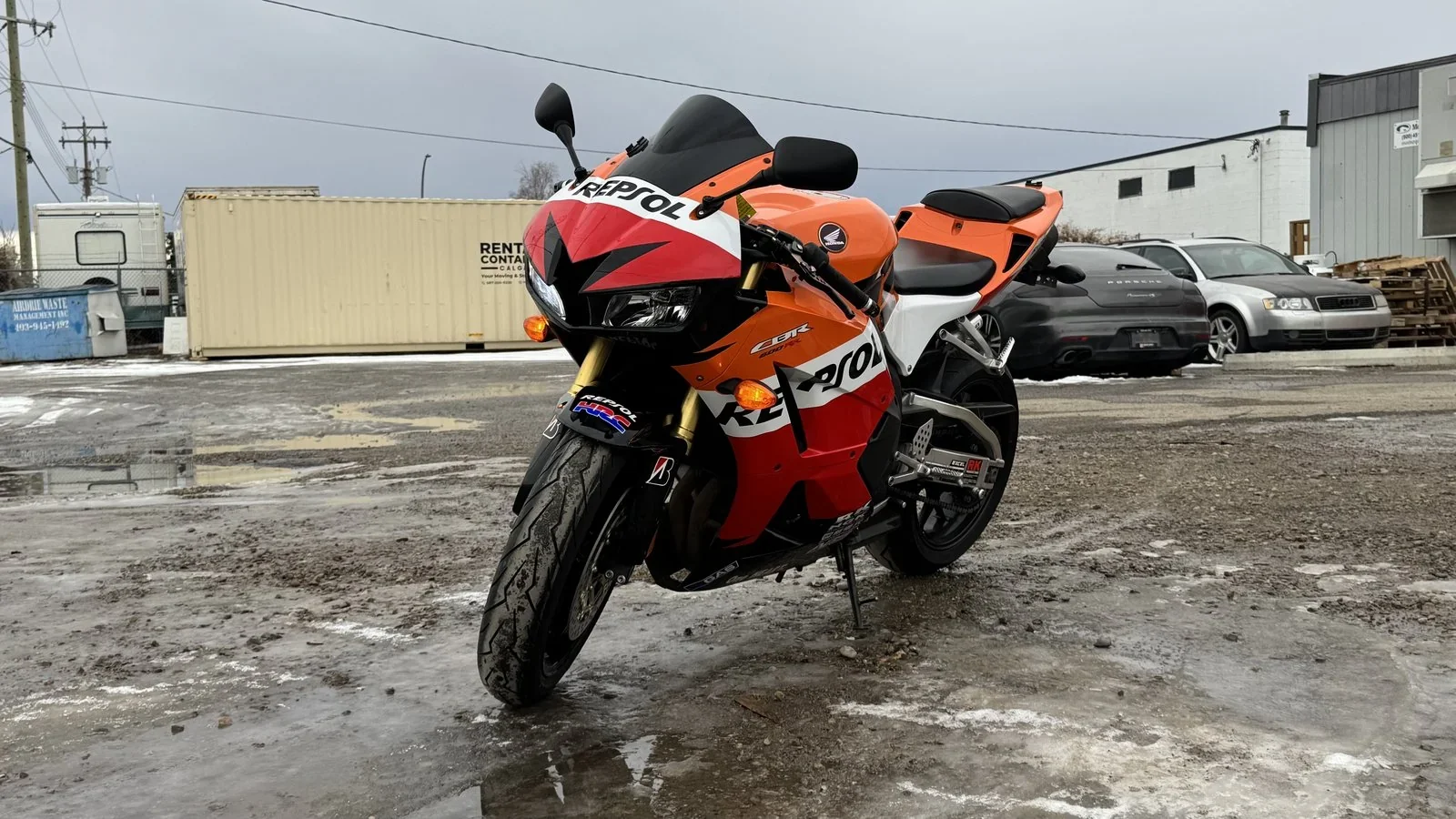
2013 Honda CBR600RR
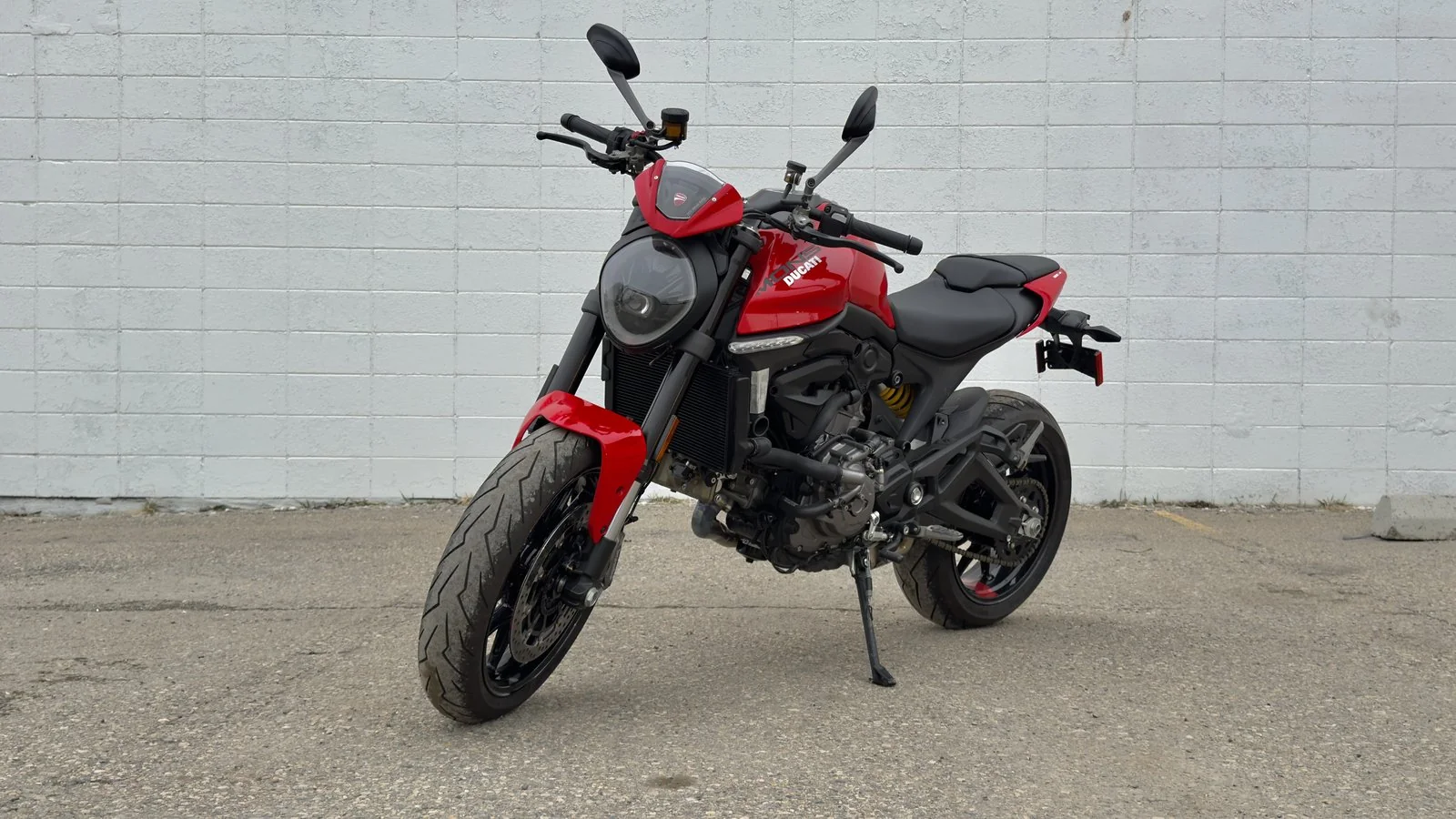
2021 Ducati Monster
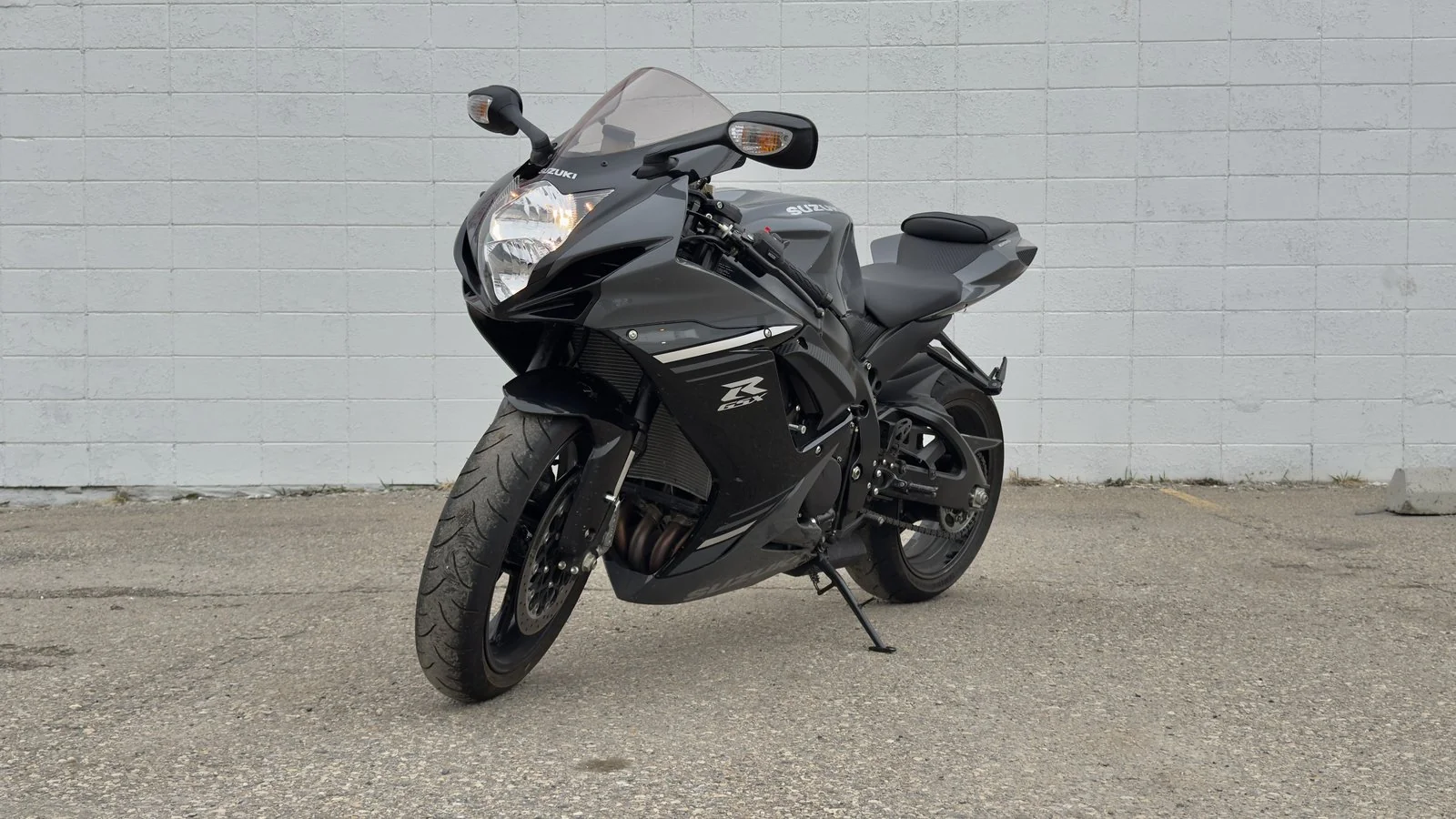
2025 Suzuki GSX-R600
Not seeing it? We'll find it.
We source through our dealer partner network across Western Canada: 25,000+ vehicles to choose from. Tell us what you want and what works for your budget.
Find my car3 min · no credit impactOAC = on approved credit. Payments are examples at 6.49% APR over 84 months with $0 down, based on each vehicle's advertised price; GST extra. Your rate depends on your credit (4.99%–29.9% APR).
Related Articles
Ready to Find Your Vehicle?
Browse our inventory or apply for financing. All credit situations welcome.
5.0118+ Google ReviewsAMVIC LicensedFree Delivery 300km