
Foster Parents: Does Per-Child Funding Count as Car Loan Income?
In this article
- Does Alberta foster care maintenance payment count as car loan income?
- How Foster Care Income Is Classified
- What Documentation Foster Parents Need
- How Much Vehicle Can You Finance on Foster Income?
- What If You're a New Foster Parent?
- Credit Score Considerations for Foster Families
- Vehicle Safety Requirements for Foster Care
- Running the Full Cost of Vehicle Ownership on a Foster Budget
- Why Multiple Lender Access Matters for Foster Family Applications
- When Shift Happens Makes Sense for You
- Protecting Your Financial Position as a Foster Family
- Frequently Asked Questions
- Is Alberta foster care maintenance payment considered income for a car loan?
- Do I need to declare foster care income on my car loan application?
- What if my foster placements are only short-term or respite care?
- Can foster income and employment income be combined on a single car loan application?
- How long does it take to get approved for a car loan as a foster parent in Alberta?
- Compare and Apply
Check Your Options in 3 Minutes
No credit impact. All credit situations welcome.
5.0118+ Google ReviewsAMVIC LicensedFree Delivery 300km
You're a licensed foster parent in Alberta receiving per-child maintenance payments from the Province — and you need a larger vehicle to transport the kids in your care. The question every foster family asks is: does the money the government pays me to care for these children count as income on a car loan application? The short answer is yes, with the right documentation and the right lender. The longer answer involves understanding how different lenders treat non-employment income — and why it matters which dealership submits your application.
Does Alberta foster care maintenance payment count as car loan income?
Yes, in most cases. Alberta foster care maintenance payments — which vary by child and by the child's assessed needs level — are accepted as verifiable income by subprime and many near-prime lenders when properly documented. What counts is the monthly amount shown on your placement agreement letters and deposited into your bank account. Documentation required: your current placement agreement letters and 3-6 months of bank statements showing deposits.
How Foster Care Income Is Classified
Alberta Children's Services pays foster families monthly maintenance payments set by the child's assessed needs level. The exact monthly rate for each child is shown on your placement agreement letter. These payments are not taxable income under the Income Tax Act — they are tax-exempt maintenance payments — which is where complexity enters.
Because foster payments don't appear on a T4 or as employment income, many major banks and prime lenders won't count them at face value. They see "no T4, no income." Subprime and second-chance lenders evaluate income sources differently — they look at provable cash flow and payment consistency rather than only employment income. That's the critical distinction, and it's why lender selection matters enormously for foster family applications. If you've encountered a lender who won't count your foster income, it's not a universal rule — it's that lender's policy. If you're learning how non-traditional income qualifies for car loans in Alberta, foster care payments follow similar principles to other government-sourced income streams. If your income arrives as deposits rather than a pay stub, this guide to car loans for the self-employed explains how bank statements are used.
What Documentation Foster Parents Need
Documentation is everything in a non-standard income application. Assemble this before you apply:
- Current placement agreement(s) — issued by Alberta Children's Services for each child in your care. Shows the monthly rate and the placement term. This is your primary income verification document.
- Foster care license — your current approved foster home license issued by Alberta Children's Services. Shows you're in active standing.
- 6 months of bank statements — showing monthly deposits from Children's Services. Lenders want to see the pattern of income: consistent, same source, same timing every month.
- Prior year's tax return (T1) — even though foster payments are tax-exempt, your T1 shows your gross total income, which often includes the foster payments on Schedule 14. Some lenders accept this as income confirmation.
- Spouse/partner employment income — if applicable, adding a working partner's T4 and pay stubs to the file significantly strengthens the application
If your placements have been consistent for 12+ months, that track record of stable government deposits is often more convincing to lenders than a recently-hired employee's paystubs. Six months of bank statements showing steady monthly deposits from Children's Services tells a clear, verifiable story.
How Much Vehicle Can You Finance on Foster Income?
The math works like this: most lenders use a total debt service (TDS) ratio of 40-45% of gross income. If your documented monthly income (foster payments plus any employment income) is $3,800/month, lenders will typically allow up to $1,520–$1,710/month in total debt payments, including the new vehicle payment. Biweekly payments are standard — a $750/month vehicle cost runs approximately $375 biweekly.
Practically, a foster family with $3,500-$4,000/month in combined income can typically finance $20,000–$28,000 in vehicle, which opens up minivan, large SUV, and truck territory. That's important because many foster families need exactly those vehicles to legally and safely transport children in their care. A Toyota Sienna or Honda Odyssey in the $18,000–$25,000 range fits the need and the budget. For families needing more cargo room and AWD, a Toyota Highlander or Ford Explorer in the $22,000–$28,000 range is a common choice.
Before committing, run the numbers through the biweekly payment calculator with your specific loan amount and a realistic interest rate to see exactly what you'll be paying.
Foster family financing snapshot: A licensed Alberta foster family documenting $2,680/month in placement payments (an illustrative figure, not a payment rate) plus one working partner earning $2,400/month gross has combined household income of $5,080/month. With a credit score of 620 and $2,500 down, they typically qualify for $22,000–$28,000 in vehicle financing at 12.99%–18.99% APR over 72 months — enough for a quality used minivan or 3-row SUV. At 15.99% over 72 months on a $24,000 loan, biweekly payments run approximately $228.What If You're a New Foster Parent?
New placements — less than 6 months — present more of a documentation challenge but are not automatically disqualifying. If you have your placement agreement letter showing current monthly rate and a letter from your Alberta Children's Services caseworker confirming anticipated continuation of the placement, some lenders will accept this with 3 months of bank statements instead of 6. You'll likely need a stronger co-applicant or a larger down payment to offset the shorter income track record.
Foster parents who are also employed have the easiest path — your employment income is already fully verifiable, and the foster payments layer on top. If you're considering whether you'd qualify today, your employment history, credit score, and down payment together matter more than the foster payment history if the employment side is strong.
Credit Score Considerations for Foster Families
There's nothing about being a foster parent that affects your credit score directly — your personal credit history is what it is. But foster families often share some financial patterns that can affect credit applications:
- Single-income households — if one partner stopped working to provide full-time foster care, the household may have reduced its credit utilization capacity. This is often credit-neutral or positive if accounts were paid down.
- Higher debt-to-income ratios — if the home has a mortgage plus consumer debt and the new car payment tips TDS over 45%, lenders may reduce approval amounts. Use the affordability calculator to scope what fits.
- Credit score 580-660 — the near-prime range — is typical for families who've managed moderate debt loads with generally good payment history. At 620, you're looking at 12-18% APR. At 660+, you might qualify for prime-adjacent rates under 10%.
If you've had any credit challenges — late payments, a collection, a consumer proposal — the subprime lenders in our network are accustomed to foster family applications and will assess the full picture, not just the score. Review what second-chance financing looks like before assuming your credit rules you out.
Vehicle Safety Requirements for Foster Care
Alberta Children's Services has vehicle safety expectations for transporting children in care. While they don't publish a single rigid standard, the practical requirements are:
- Working seatbelts in all positions being used
- Age-appropriate car seat compatibility (check for LATCH anchors if caring for young children)
- Safe mechanical condition — no active warning lights, functional brakes, current registration
- Adequate space for the number of children being transported
When selecting a used vehicle, a pre-purchase inspection is worth the $150-$200 cost. The Alberta used car inspection checklist covers what to look for before buying. AMVIC-licensed dealerships like Shift Happens conduct their own inspections, but an independent inspection from a licensed mechanic gives you additional confirmation for peace of mind.
Running the Full Cost of Vehicle Ownership on a Foster Budget
Foster families manage complex household budgets — placement income covers care costs for the children, while household overhead comes from the primary earner's employment income. When adding a vehicle payment, it's important to model the true cost of ownership, not just the biweekly loan figure:
| Cost Item | Monthly Estimate | Notes |
|---|---|---|
| Loan payment (biweekly × 2.17) | $440–$540 | $22,000 at 15.99%, 72 months |
| Insurance (SUV/minivan, Alberta) | $140–$200 | Varies by vehicle age and driver profile |
| Fuel (higher km for family transport) | $200–$280 | SUV at ~11L/100km, 2,200 km/month |
| Maintenance reserve | $80–$120 | Larger vehicles cost more to maintain |
| Registration | ~$20 | Alberta annual registration amortized |
| Total estimated | $880–$1,160/month | Full ownership cost, larger vehicle |
A foster household with $4,500/month in combined income should keep total vehicle ownership costs under $1,200/month — roughly 27% of gross income — to maintain comfortable debt service ratios. If the full-ownership cost runs higher, look at a slightly older model year in the same vehicle class, which can reduce the loan principal by $3,000–$5,000 with minimal sacrifice in reliability.
Why Multiple Lender Access Matters for Foster Family Applications
Foster income is a non-standard income source. A prime bank — Royal Bank, TD, Scotiabank — will often decline a foster-only income application outright because their automated systems aren't calibrated for it. This is not a reflection of your creditworthiness; it's a categorization problem. Their system doesn't have a clean box for "government-funded per-child maintenance payment."
Subprime and alternative lenders — the kind that make up Shift Happens' 15+ lender network — underwrite these files manually. A human underwriter reviews your placement agreements, your license, your bank statements showing consistent monthly deposits, and your credit history, and makes a judgment call based on the full picture. That manual review process is where foster families get approved when banks have already said no.
The difference in outcomes between applying at a single bank and applying through a multi-lender dealership is not marginal for foster family applicants — it's often the difference between a decline and an approval. If you've already been turned down by your bank, that decline doesn't follow you to a subprime lender application. Each lender evaluates your file independently. The prior decline is not reported on your credit bureau.
If you want a preliminary read on where your combined income and credit score position you before formally applying, the 60-second approval quiz gives a realistic picture based on your actual numbers. It doesn't require you to disclose personal financial details in detail — just enough to give a directional answer.
When Shift Happens Makes Sense for You
Reach out to us if you: (1) are a licensed Alberta foster parent needing to finance a larger used vehicle, (2) have foster care maintenance payments as part of your qualifying income, (3) want lenders who understand non-employment government income documentation. Not a fit if: you require new vehicle only, lease-only, or commercial fleet financing.
If this article describes your situation, the fastest next steps are: check your approval likelihood in 60 seconds or start a financing application. Both are no-impact on your credit score until you formally apply.
Protecting Your Financial Position as a Foster Family
Foster families take on significant responsibility — financial, emotional, and logistical — and protecting your own financial health while doing so is not selfish, it's necessary. A vehicle loan is a multi-year commitment, and making sure it works within your household budget over the full term matters as much as the initial approval.
Three things to build into your planning before signing:
- Placement continuity risk — placements can end unexpectedly. If your qualifying income relied on two placements and one ends, can you service the loan on one placement plus employment income? Model the "one placement ends" scenario and make sure the payment is still manageable.
- Renewal timing — Alberta foster licenses and placements are reviewed periodically. If there's a gap between placements — even 30-60 days — your cash flow from foster income drops. Keep 2-3 months of vehicle payments in reserve so a placement gap doesn't threaten your loan payments.
- Insurance for a larger vehicle — insuring a minivan or 3-row SUV costs more than a compact. Get an insurance quote on the specific vehicle you're considering before finalizing your purchase. A 2018 Toyota Sienna might run $180/month to insure for a foster family; factor that into your full budget, not just the loan payment.
The goal is a vehicle that works for your household for the full loan term — typically 60-84 months — through placement changes, life transitions, and income variability. Choosing a vehicle and a payment that has enough margin for these realities is worth more than squeezing into the maximum loan amount the lender will approve.
If you're ready to see what your actual approval looks like with your current documentation, starting the application takes about 10 minutes and gives you real numbers to work with instead of estimates.
Foster families typically find the application process straightforward once documentation is assembled. The placement agreements and foster license are the documents that distinguish your file from other non-employment income applications — lenders who specialize in these files recognize them immediately and know how to process them. Buyers from across the Calgary region, including Cochrane, Chestermere, and the surrounding communities, complete applications remotely and come in for delivery. If managing the trip with children in your care is logistically difficult, remote applications are fully available — you review and sign digitally, and your vehicle is ready when you arrive.
Frequently Asked Questions
Is Alberta foster care maintenance payment considered income for a car loan?
For car loans through subprime and alternative lenders: yes, with proper documentation (placement agreements, foster license, bank statements). For prime bank car loans: it depends on the specific institution — many decline because their automated systems don't have a category for government maintenance payments. For mortgages: rules vary significantly by lender and insurer. Always ask lenders directly about their specific policy on foster income before submitting your application.
Do I need to declare foster care income on my car loan application?
Yes. Omitting or misrepresenting income sources on a credit application is fraud under the Criminal Code. Declare all income sources — foster payments, employment income, any other verifiable streams. Your lender can only advocate for your file with the information you disclose. Full disclosure also protects you: if a lender later discovers undisclosed income, it can trigger default clauses in the loan agreement.
What if my foster placements are only short-term or respite care?
Respite care — typically weekend or short-term placements — is generally not counted as stable qualifying income because it lacks the consistency and documented placement agreements that long-term placements provide. Long-term placements of 6+ months with documented placement agreements are what lenders require. If you primarily do respite care, your application needs to qualify on your primary employment or other verifiable income sources.
Can foster income and employment income be combined on a single car loan application?
Yes. Lenders calculate qualifying income by adding all documented, verifiable income streams together. A working foster parent with both employment income and foster maintenance payments has a materially stronger file than either alone. Document both: T4 and pay stubs for employment, placement agreements and bank statements for foster income. The combined figure is what lenders use to calculate your maximum qualifying loan amount.
How long does it take to get approved for a car loan as a foster parent in Alberta?
Same-day approvals are common when documentation is complete. If you arrive with your current placement agreements, active foster license, 6 months of bank statements, and T4 or NOA, most lenders in our network return conditional approvals within a few hours. Delays most often come from missing placement agreements or bank statements that need to be retrieved. Starting the online application before your documents are assembled gives you a preliminary directional read without triggering a credit bureau pull — you only authorize the hard inquiry once you're ready to proceed.
Compare and Apply
- Bad Credit Car Loans — Complete Guide — financing for low credit scores
Financing Resources
Cars you could drive home
See all inventory
2020 Ford Edge SE
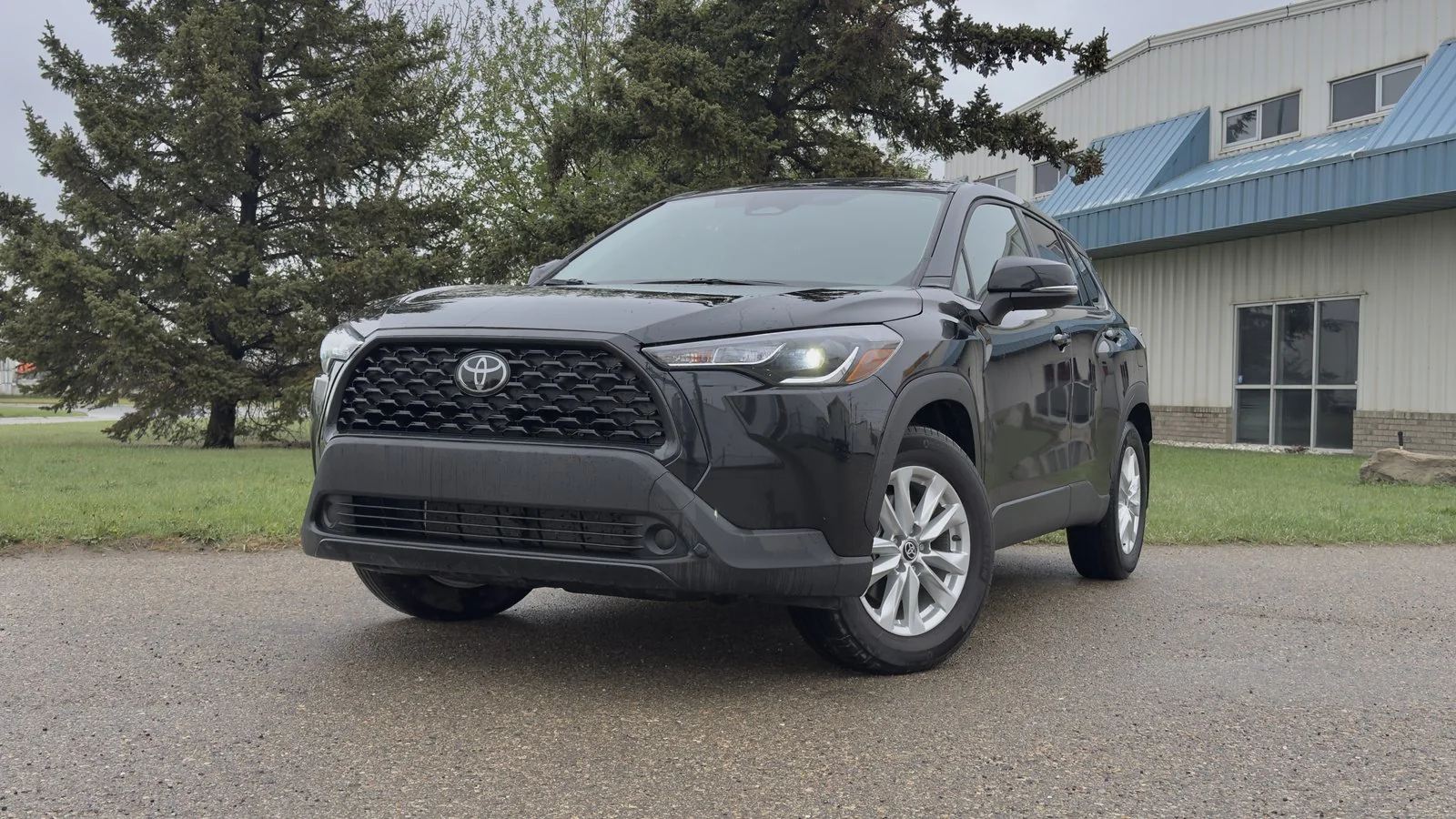
2024 Toyota Corolla Cross LE
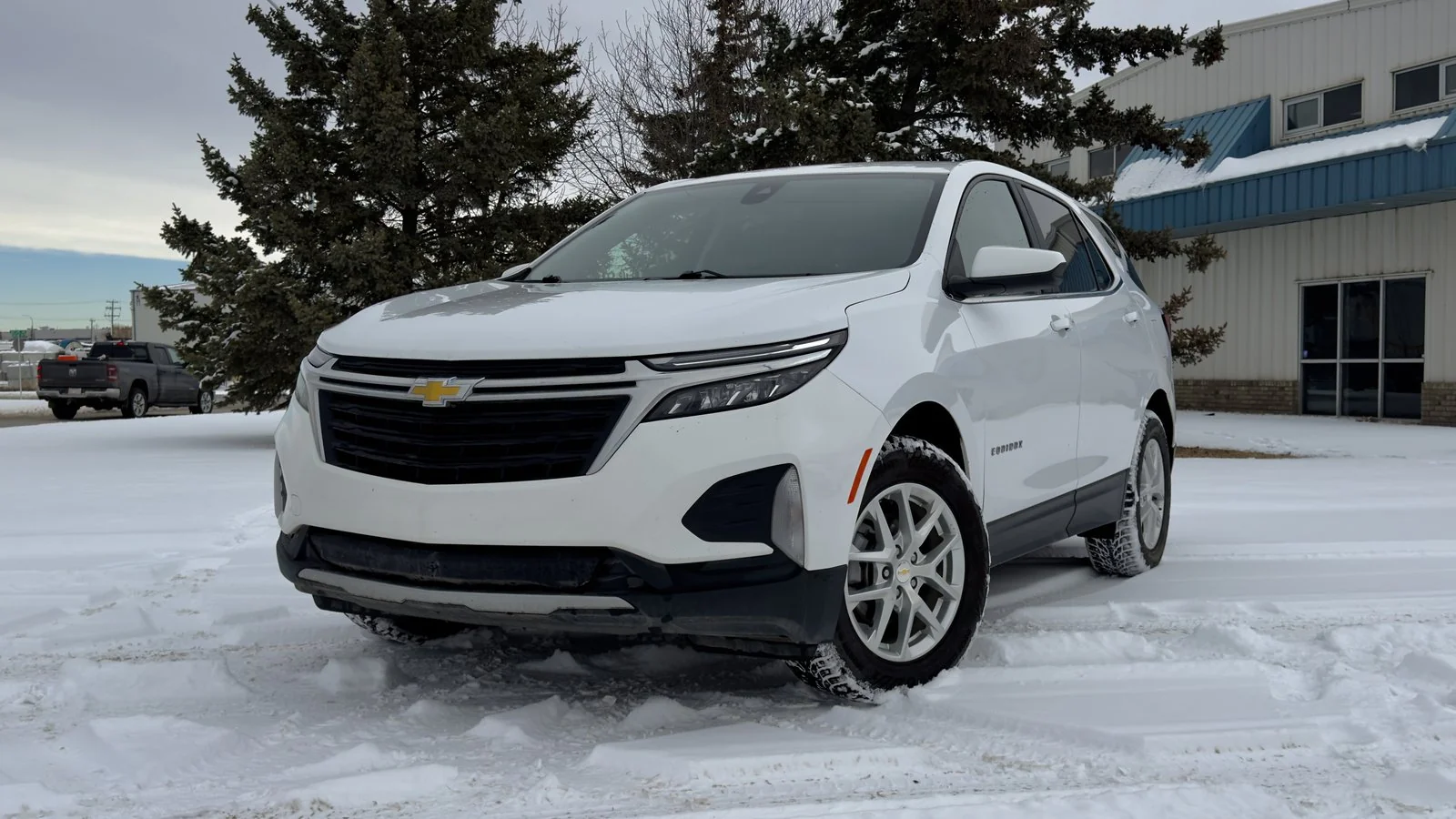
2022 Chevrolet Equinox LT
Not seeing it? We'll find it.
We source through our dealer partner network across Western Canada: 25,000+ vehicles to choose from. Tell us what you want and what works for your budget.
Find my car3 min · no credit impactOAC = on approved credit. Payments are examples at 6.49% APR over 84 months with $0 down, based on each vehicle's advertised price; GST extra. Your rate depends on your credit (4.99%–29.9% APR).
Related Articles

Ready to Find Your Vehicle?
Browse our inventory or apply for financing. All credit situations welcome.
5.0118+ Google ReviewsAMVIC LicensedFree Delivery 300km