
Loan-to-Value Ratio (LTV)
What is loan-to-value ratio (LTV) on a car loan?
Loan-to-value ratio (LTV) is the loan amount divided by the vehicle's value, expressed as a percentage. Subprime lenders typically cap LTV at 110–130%, including taxes, warranty, and fees rolled into the loan.
How Lenders Use LTV to Assess Risk
LTV is one of the primary risk signals a lender evaluates on any secured loan. The vehicle serves as collateral — if you default, the lender repossesses and sells it to recover the balance. A low LTV means the vehicle is worth considerably more than the outstanding loan, so the lender has a large cushion. A high LTV means the loan amount is close to or exceeds the vehicle's value, leaving the lender with limited recovery if the vehicle depreciates further or is damaged.
This is why lenders cap LTV rather than simply evaluating income and credit score alone. Even a borrower with strong income and decent credit can be declined if the deal structure pushes LTV above the lender's maximum — the collateral risk is independent of the borrower's creditworthiness.
Why LTV Often Exceeds 100% on Car Deals
In Alberta, the purchase price is rarely what you actually finance. The loan typically includes:
- Alberta GST (5% on the vehicle price)
- Registration and transfer fees
- Dealer administrative fees (documentation, AMVIC levy)
- Optional add-ons rolled in: extended warranty, GAP insurance, tire and rim protection
A $20,000 vehicle quickly becomes $22,500–$24,000 financed once taxes, fees, and any add-ons are included. That pushes LTV to 110–120% before a dollar of down payment is applied. Subprime lenders who understand this structure accommodate above-100% LTV — but only to a point. If add-ons and fees pile up to 130% or beyond, the deal exceeds most lenders' limits.
Add-Ons and LTV: What to Watch For
Dealers earn margin on financed add-ons — warranty, GAP, protection packages. Rolling these products into the loan increases the loan amount and therefore the LTV. On a deal already close to the lender's cap, adding a $2,500 warranty can be the difference between approval and a counter-offer requiring down payment. It is worth understanding exactly what is being rolled into your loan and what the resulting LTV is before signing.
Some add-ons have real value — GAP insurance on a long-term loan is a sensible product. Others are optional. Knowing your LTV and the lender's cap gives you leverage to decide which products to include and which to defer or decline.
Reducing LTV: Down Payment and Trade-In
Down payment and trade-in equity are the two primary tools for bringing LTV within acceptable limits. Every dollar of down payment or positive trade-in equity reduces the financed amount by one dollar, lowering LTV proportionally. If a deal is structured at 125% LTV and the lender caps at 110%, a down payment of roughly 15% of the vehicle's value — about $3,000 on a $20,000 car — closes that gap.
Know your LTV before you negotiate
Frequently Asked Questions
How is LTV calculated on a car loan?
LTV is calculated by dividing the total loan amount by the lender's appraised value of the vehicle, then multiplying by 100. For example: if the vehicle is worth $20,000 and you are financing $22,000 (including taxes and fees), the LTV is 110%. Lenders use their own valuation sources — typically Black Book or Canadian Black Book wholesale values — not the sticker price or what you paid.
Why do subprime lenders cap LTV above 100%?
Lenders allow LTV above 100% to accommodate the costs that must be financed alongside the vehicle — Alberta GST (5%), registration fees, and occasionally dealer admin fees. Without an above-100% LTV allowance, buyers would have to pay all taxes and fees in cash at the time of purchase, which many cannot do. Subprime lenders typically cap LTV at 110–130% to allow these costs to be rolled in while still maintaining a collateral position they are comfortable with.
How does a down payment affect LTV on a car loan?
Every dollar of down payment directly reduces the loan amount, which lowers LTV. On a $20,000 vehicle at a lender cap of 110% LTV, the maximum loan is $22,000. If you are financing $24,000 after taxes and fees (120% LTV), a $4,000 down payment brings you to $20,000 financed (100% LTV) — well within the lender's limit. Down payment is the most direct tool for lowering LTV when the deal is otherwise outside the lender's approved range.
What happens if my LTV is too high for a lender?
If LTV exceeds a lender's cap, the application will typically be declined or countered with a condition. Common conditions include requiring additional down payment to bring LTV within limits, requiring a cosigner, removing add-ons (warranty, GAP) from the financed amount, or selecting a less expensive vehicle. In some cases a different lender with a higher LTV tolerance may be a better fit for the deal.
Cars you could drive home
See all inventory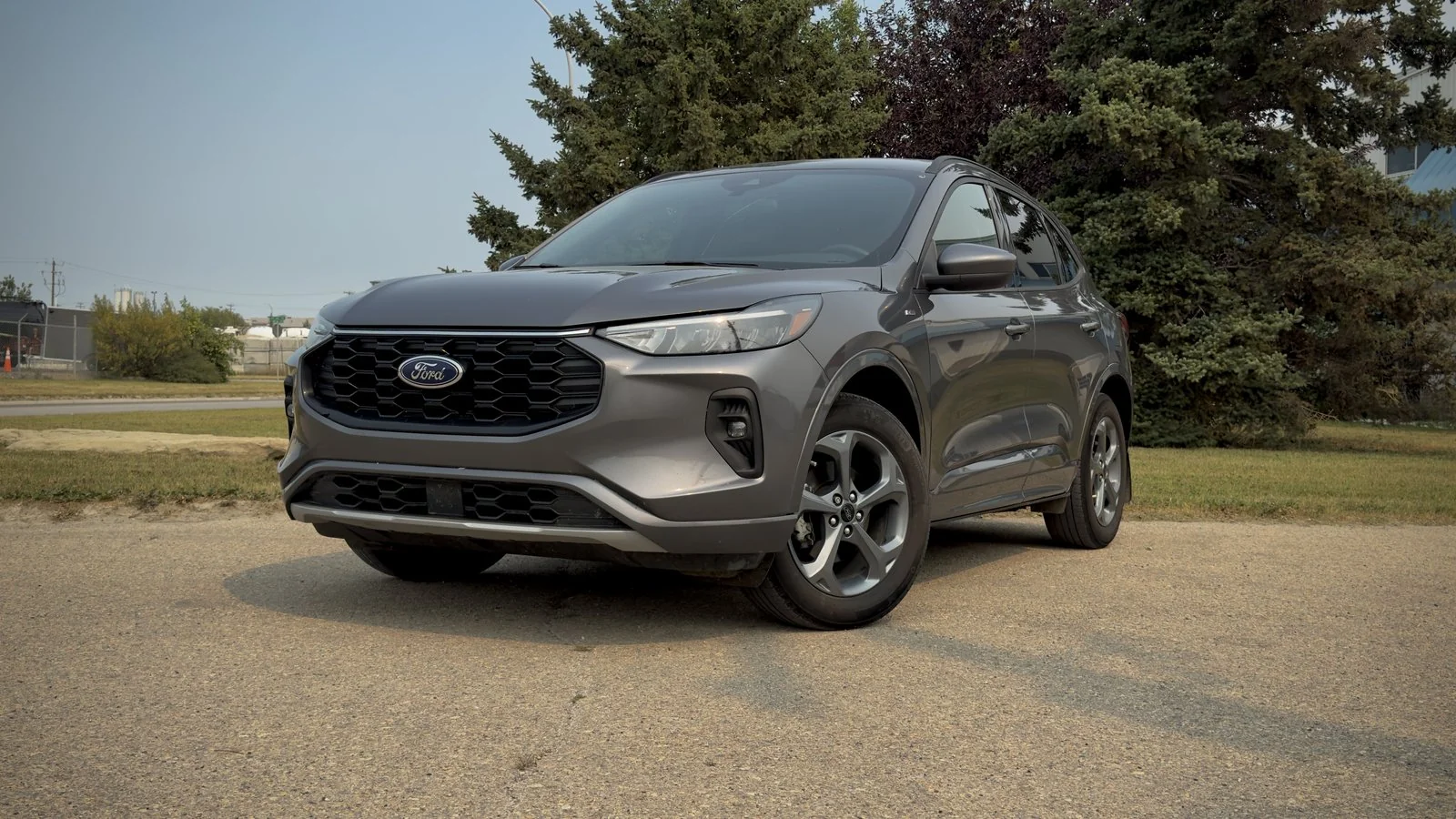
2024 Ford Escape Hybrid ST-Line
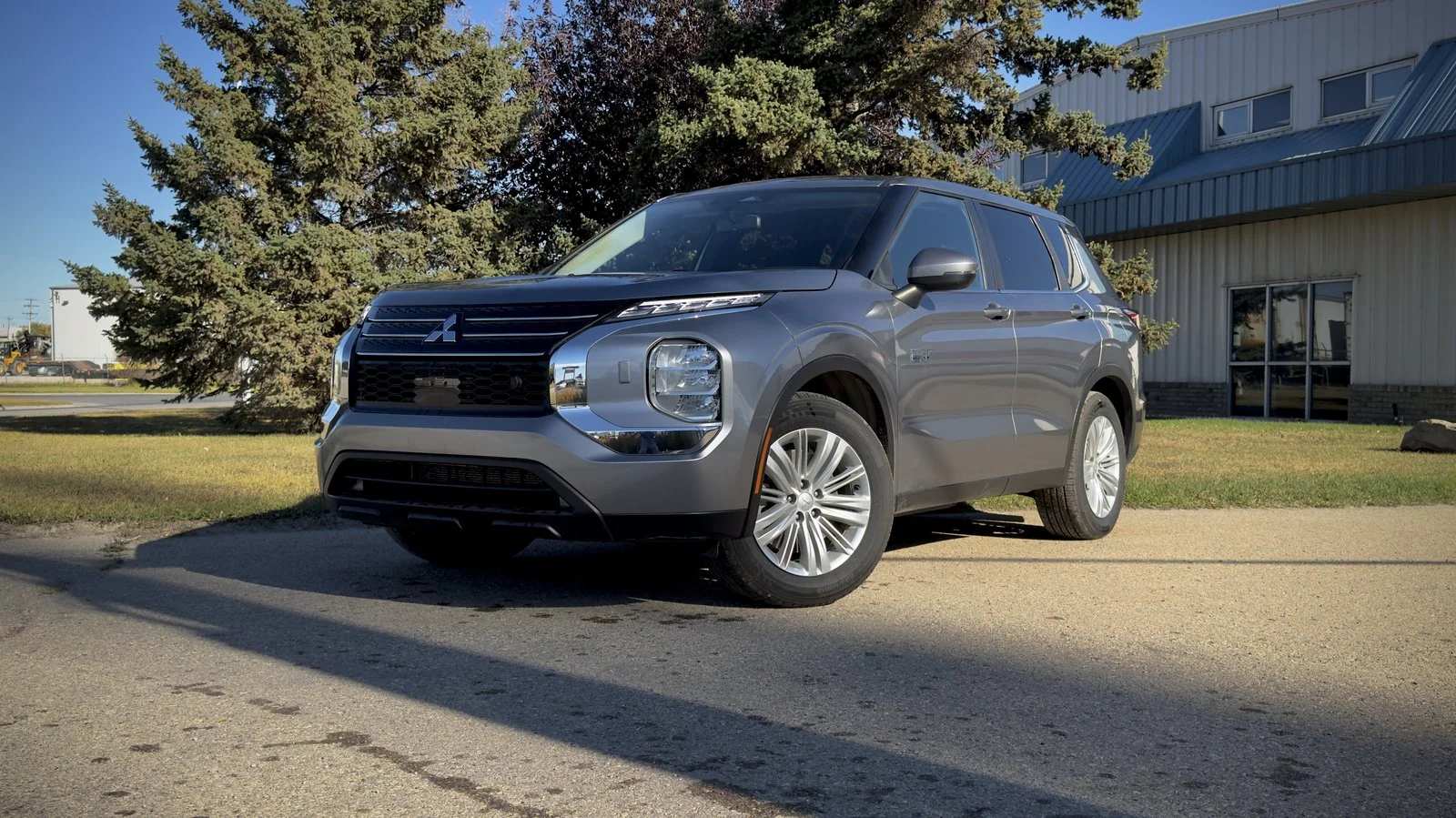
2023 Mitsubishi Outlander ES PHEV
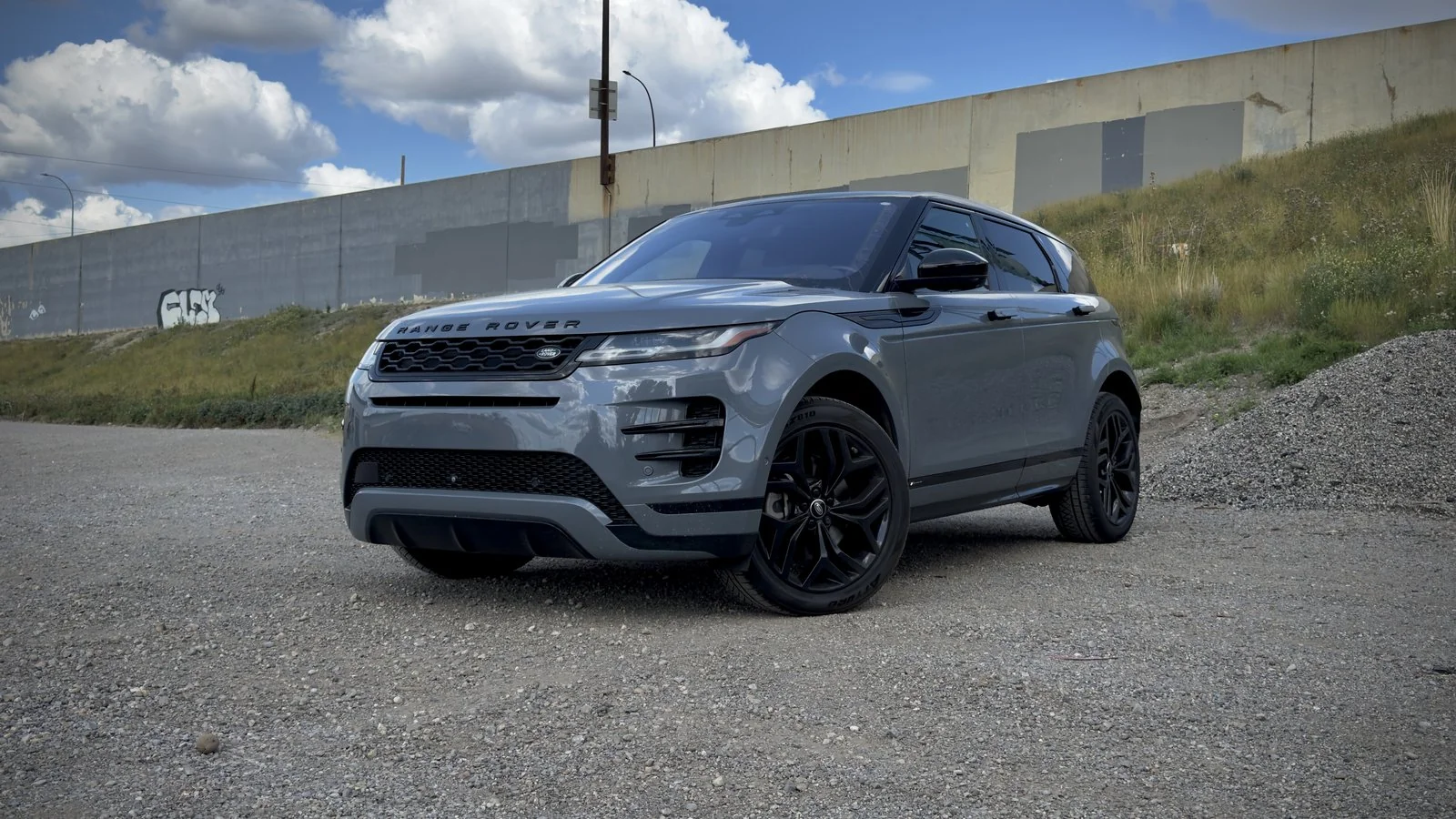
2021 Land Rover Range Rover Evoque R-Dynamic HSE
Not seeing it? We'll find it.
We source through our dealer partner network across Western Canada: 25,000+ vehicles to choose from. Tell us what you want and what works for your budget.
Find my car3 min · no credit impactOAC = on approved credit. Payments are examples at 6.49% APR over 84 months with $0 down, based on each vehicle's advertised price; GST extra. Your rate depends on your credit (4.99%–29.9% APR).
Related terms
- Down Payment — the most direct lever for reducing LTV
- Trade-In Equity — positive trade equity reduces LTV the same as cash
- Cosigner — what a cosigner and down payment are both trying to solve
- Deficiency Balance — what you can still owe if a repossessed vehicle sells for less than the loan balance
- ← Back to glossary