
Down Payment
What is a down payment on a car loan?
A down payment is the cash you contribute upfront toward the vehicle price, reducing the amount you finance. Subprime lenders may require 5–20% down depending on credit tier and lender.
How a Down Payment Affects Loan Approval
When a lender evaluates a subprime auto loan application, one of the key risk factors is the loan-to-value ratio — how much is being borrowed relative to what the vehicle is worth. A down payment directly reduces this ratio. A borrower financing $20,000 on a $25,000 vehicle has an LTV of 80%; the same borrower putting $0 down and rolling in taxes and fees might be at 115% or higher. Lenders cap LTV at different levels depending on their risk appetite, and a down payment is often the lever that moves a borderline application from declined to approved.
Beyond approval, a down payment demonstrates willingness to invest in the purchase — a signal lenders interpret as lower default risk. Subprime lenders who specialize in bad-credit files are well aware that cash down is not always available, but a meaningful down payment from a challenged-credit borrower generally results in better terms than no money down.
Alternatives to Cash Down
Not all down payments come in the form of cash. Three alternatives that lenders typically recognize in Alberta:
- Trade-in equity: If your current vehicle is worth more than the balance owing on it, the positive equity is applied to the purchase price. This is the most common alternative and is treated identically to cash by most lenders.
- Vehicle rebates: On new vehicles, manufacturer rebates applied directly to the vehicle price reduce the financed amount. Lender treatment varies — confirm before relying on a rebate as down payment.
- Gifted funds: Some lenders accept gifted down payments from an immediate family member, typically with a letter confirming the funds are not a loan. Requirements vary by lender.
Minimum Down Payment by Lender Tier
Our network of 21+ lenders spans a range of credit tiers, and down payment requirements differ significantly across that range:
- Subprime specialists (B/C tier): often $0–$500 minimum on approved files with verifiable income, depending on vehicle age and LTV.
- Near-prime lenders: may require 5–10% depending on credit score and vehicle type.
- High-risk / deep-subprime: may require 10–20% or a specific dollar amount as condition of approval on lower credit scores or high-mileage vehicles.
These are general ranges, not commitments. Your specific lender match depends on your credit file, income, and the vehicle you are financing.
Put down what you can comfortably afford — not every dollar you have
Frequently Asked Questions
How much down payment do subprime lenders typically require in Alberta?
Subprime lender requirements vary. Some specialized bad-credit lenders require as little as $0 down on the right vehicle at the right loan amount. Others require 10–20% depending on credit tier, vehicle age, and loan-to-value ratio. The lower your credit score and the older the vehicle, the more likely a lender will want down payment to reduce their risk. Your specific situation determines what, if anything, is required.
Does a trade-in count as a down payment on a car loan?
Yes. If your trade-in has positive equity — meaning it is worth more than you owe on it — that equity is applied toward the purchase price and reduces the amount you finance. Lenders treat trade-in equity the same as cash down. If you owe more than the trade is worth (negative equity), the difference typically rolls into the new loan and increases the amount you finance, raising the loan-to-value ratio.
Can a vehicle rebate be used as a down payment in Canada?
Sometimes, depending on the structure. On new vehicles with manufacturer rebates, some lenders will treat the rebate as a reduction in vehicle price, which lowers the financed amount. On used vehicles, rebates are uncommon. Dealer incentives or cash-back programs may also count, but lenders review these on a case-by-case basis. Confirm with the lender whether a specific rebate or incentive can be applied to reduce the financed amount.
Does a larger down payment improve my interest rate?
It can, but not always automatically. A larger down payment lowers the loan-to-value ratio, which reduces the lender's risk. Some lenders use LTV tiers when pricing rates — crossing a lower LTV threshold may unlock a better rate tier. More commonly for subprime borrowers, the primary rate driver is credit tier, not LTV. Ask the lender whether a specific down payment amount changes the offered rate before committing extra cash.
Cars you could drive home
See all inventory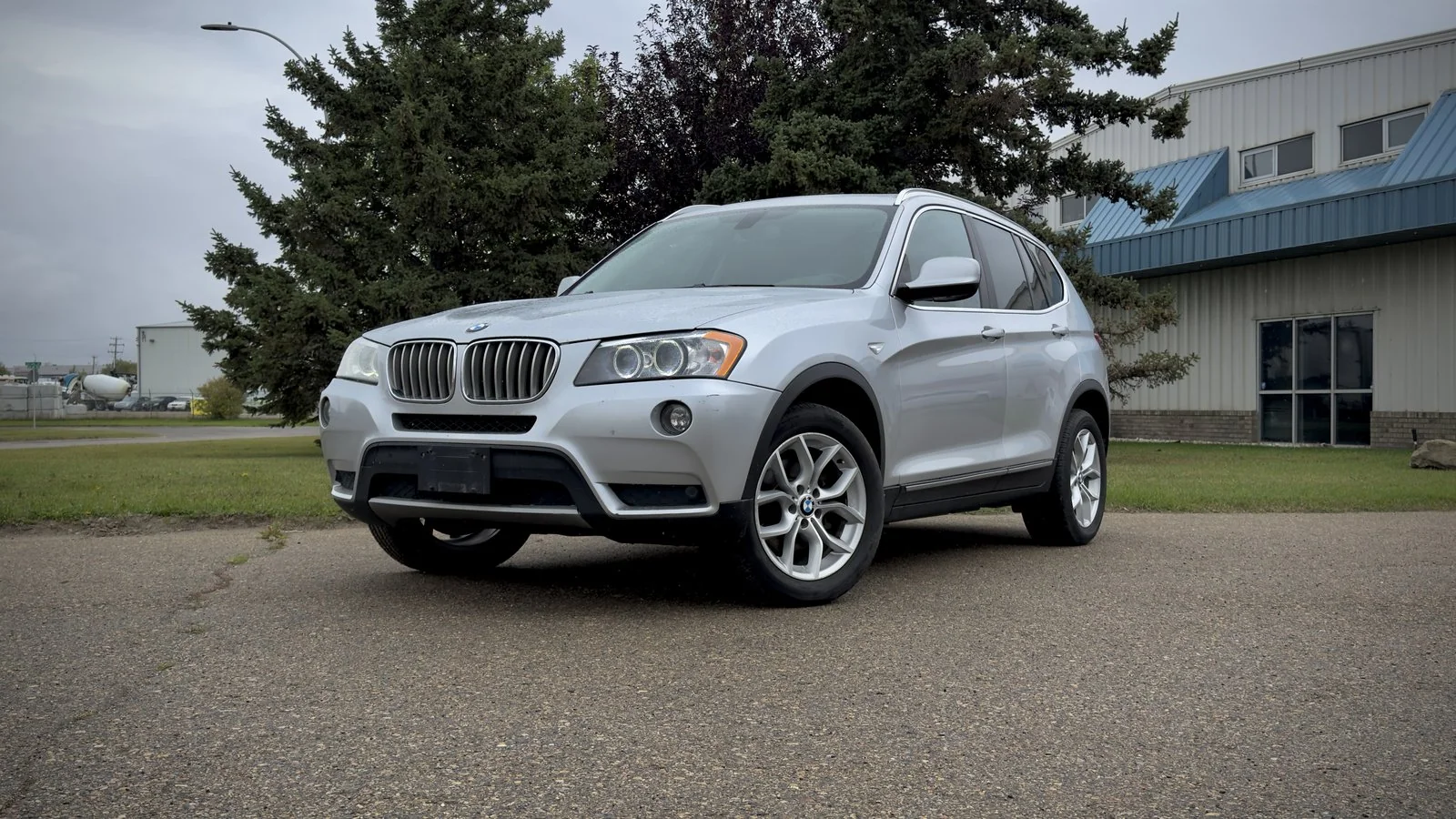
2014 BMW X3 xDrive28i
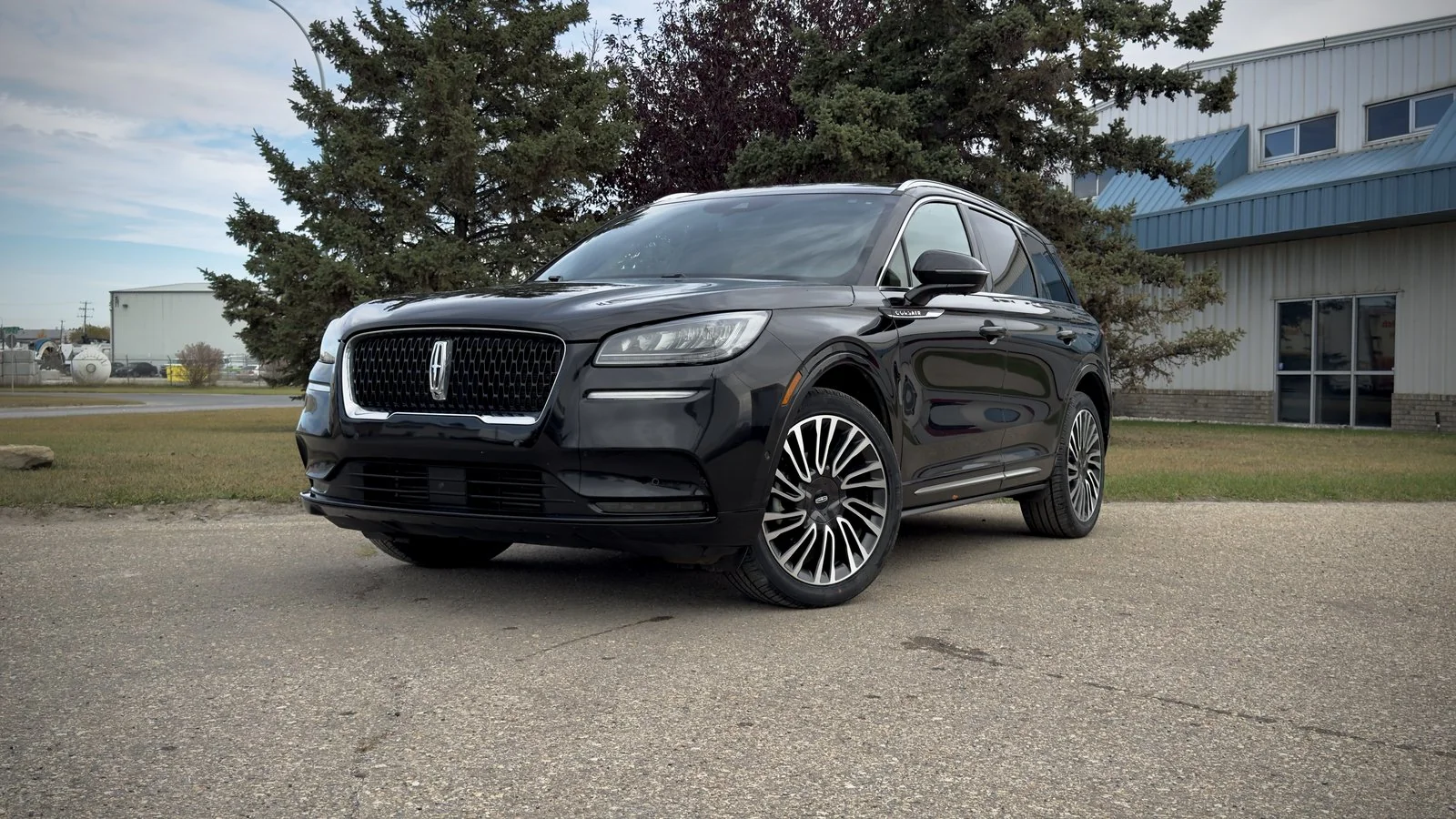
2021 Lincoln Corsair Reserve
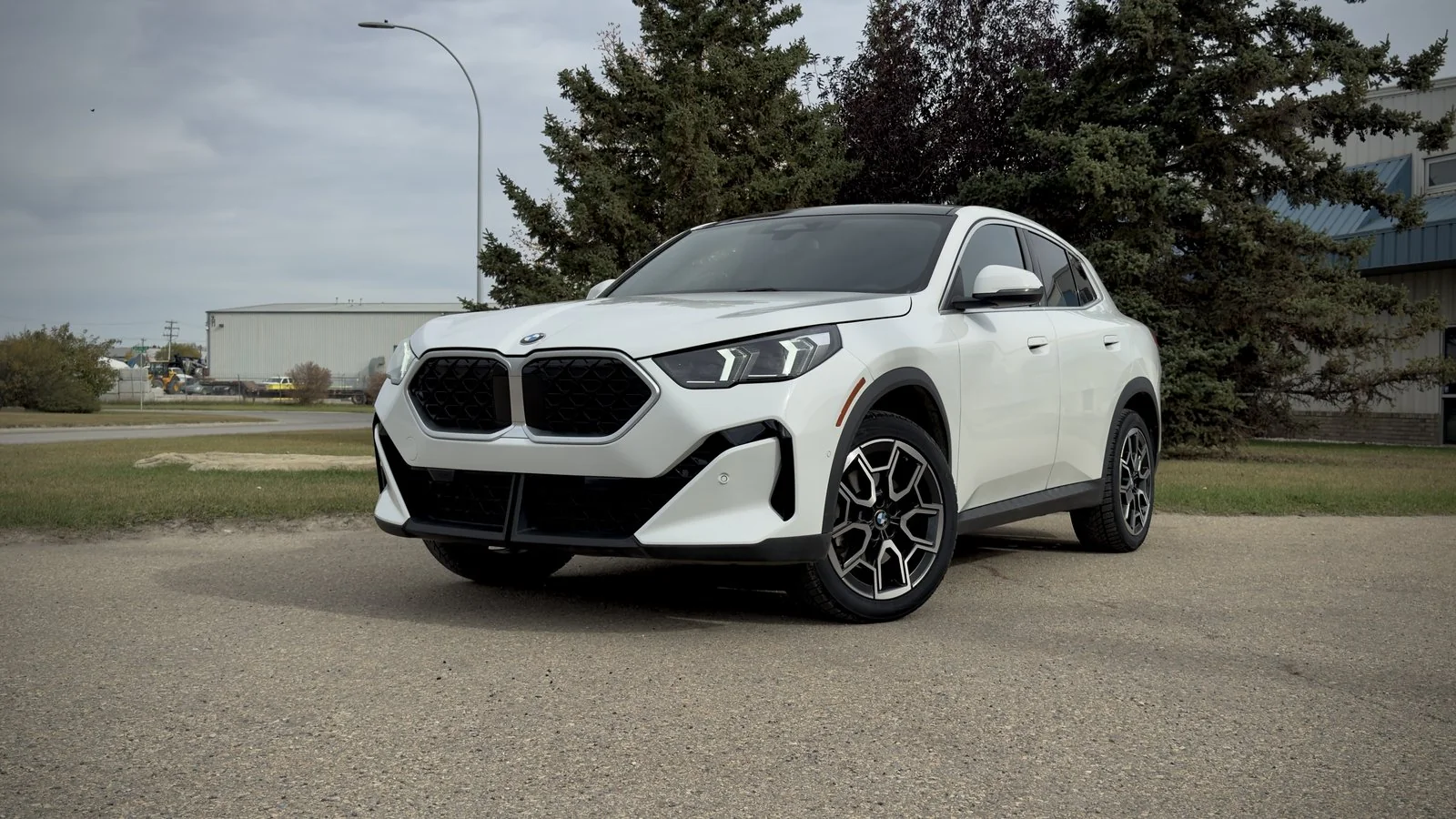
2025 BMW X2 xDrive28i
Not seeing it? We'll find it.
We source through our dealer partner network across Western Canada: 25,000+ vehicles to choose from. Tell us what you want and what works for your budget.
Find my car3 min · no credit impactOAC = on approved credit. Payments are examples at 6.49% APR over 84 months with $0 down, based on each vehicle's advertised price; GST extra. Your rate depends on your credit (4.99%–29.9% APR).
Related terms
- Loan-to-Value Ratio — the metric your down payment directly improves
- Trade-In Equity — the most common non-cash alternative to a down payment
- Amortization — how down payment size affects total interest paid
- ← Back to glossary