
Amortization
What is amortization?
Amortization is the schedule of equal monthly payments that gradually pay down both principal and interest over the loan term, ending with a zero balance at the final payment.
How Amortization Works on a Car Loan
When you borrow money to buy a vehicle, the lender calculates a fixed monthly payment using three inputs: the loan amount (principal), the interest rate, and the loan term. Every monthly payment is identical in dollar amount, but the split between interest and principal shifts throughout the loan. In the first month, interest is calculated on the full balance — so a large portion of your payment covers interest and only a small slice reduces what you owe. Each subsequent month, the balance is slightly lower, so slightly less interest accrues and slightly more of your payment attacks the principal. By the final payment, almost all of it is principal and the balance reaches exactly zero.
This gradual shift is what the word "amortization" describes — from the Latin for "killing off" debt. An amortization schedule is a table showing every payment, the interest portion, the principal portion, and the remaining balance after each payment. Your lender can provide this on request, and it is one of the most useful documents you can have when evaluating whether to make extra payments or refinance.
Amortization Is Not the Same as Interest-Only
An amortizing loan always reduces the balance. An interest-only loan covers the interest charge each period but leaves the principal unchanged — the borrower still owes the original amount at the end of the term. Standard Canadian auto loans are always amortizing. If a lender offers you a structure where your payment does not fully cover accruing interest, your balance would grow over time — a red flag to discuss with a financial advisor before signing.
60 Months vs 84 Months: A Concrete Example
Illustrative numbers on a $25,000 loan at 12% APR:
- 60 months (5 years): monthly payment ~$556. Total interest paid ~$8,370. Total cost ~$33,370.
- 84 months (7 years): monthly payment ~$426. Total interest paid ~$11,775. Total cost ~$36,775.
The longer term saves $130 per month but costs roughly $3,400 more overall. For buyers with tight monthly cash flow, the 84-month term can make a vehicle affordable — but understanding the total cost tradeoff is essential. These are illustrative figures; your actual payment depends on the exact rate and any fees rolled into the loan.
Extra Payments and Early Payoff
Because early payments are heavily weighted toward interest, paying even a modest extra amount in the first year or two can significantly reduce total interest. A single extra $500 principal payment in month one eliminates every dollar of interest that would have accrued on that $500 for the remaining term. If your loan permits prepayment without penalty — confirm in your contract — extra payments are the highest-return use of any surplus cash on a high-interest subprime loan.
Term length is a tradeoff, not a free lunch
Frequently Asked Questions
Why are my early car loan payments mostly interest?
Amortization applies each payment to interest first, then principal. Early in the loan your balance is at its highest, so more of each payment covers interest charges. As the balance falls, less interest accrues each month and more of each payment goes toward the principal. This is why paying even a small amount extra early in the loan reduces total interest significantly.
How does loan term length affect total interest paid in Canada?
A longer term reduces the monthly payment but extends the period over which interest accumulates. On a $25,000 loan at 12% APR, a 60-month term results in a monthly payment of roughly $556 and approximately $8,370 in total interest. Stretching to 84 months drops the payment to about $426 but increases total interest to roughly $11,775 — about $3,400 more for the same vehicle. The monthly saving costs you more in the end.
Can I pay off a car loan early without penalty in Alberta?
Most Canadian auto loan contracts allow early repayment without a prepayment penalty, but you should confirm this in your loan agreement before signing. Some subprime lenders include a soft prepayment clause. If your contract permits it, extra principal payments early in the amortization schedule have the greatest impact on reducing total interest.
What is negative amortization on a car loan?
Negative amortization occurs when the monthly payment is too small to cover the interest accruing on the balance. The unpaid interest is added to the principal, so the amount you owe grows instead of shrinks. This is uncommon on standard fixed-rate auto loans but can occur if a payment is deferred or restructured without an interest adjustment. Confirm with your lender that your payment fully covers accruing interest.
Cars you could drive home
See all inventory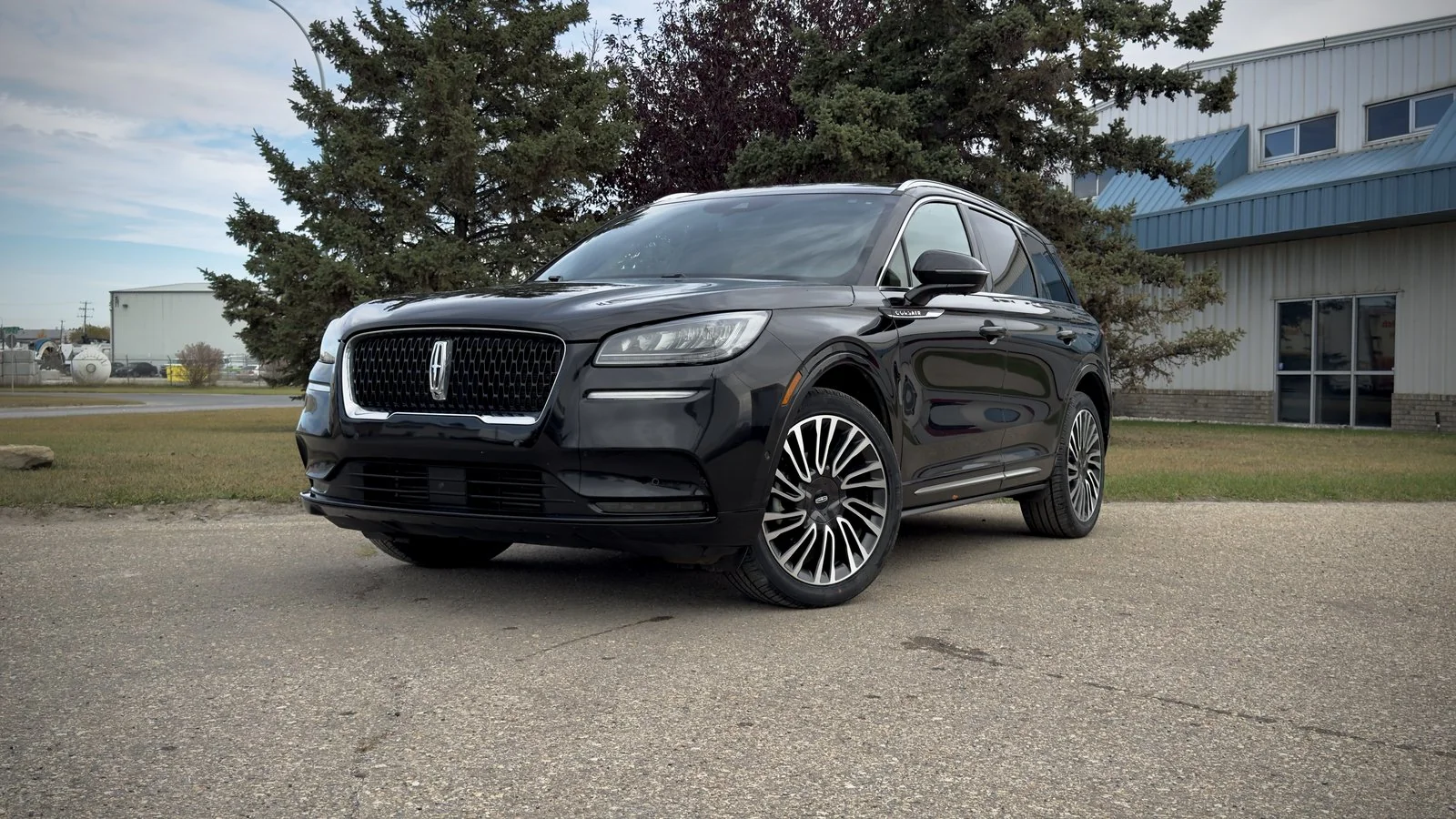
2021 Lincoln Corsair Reserve
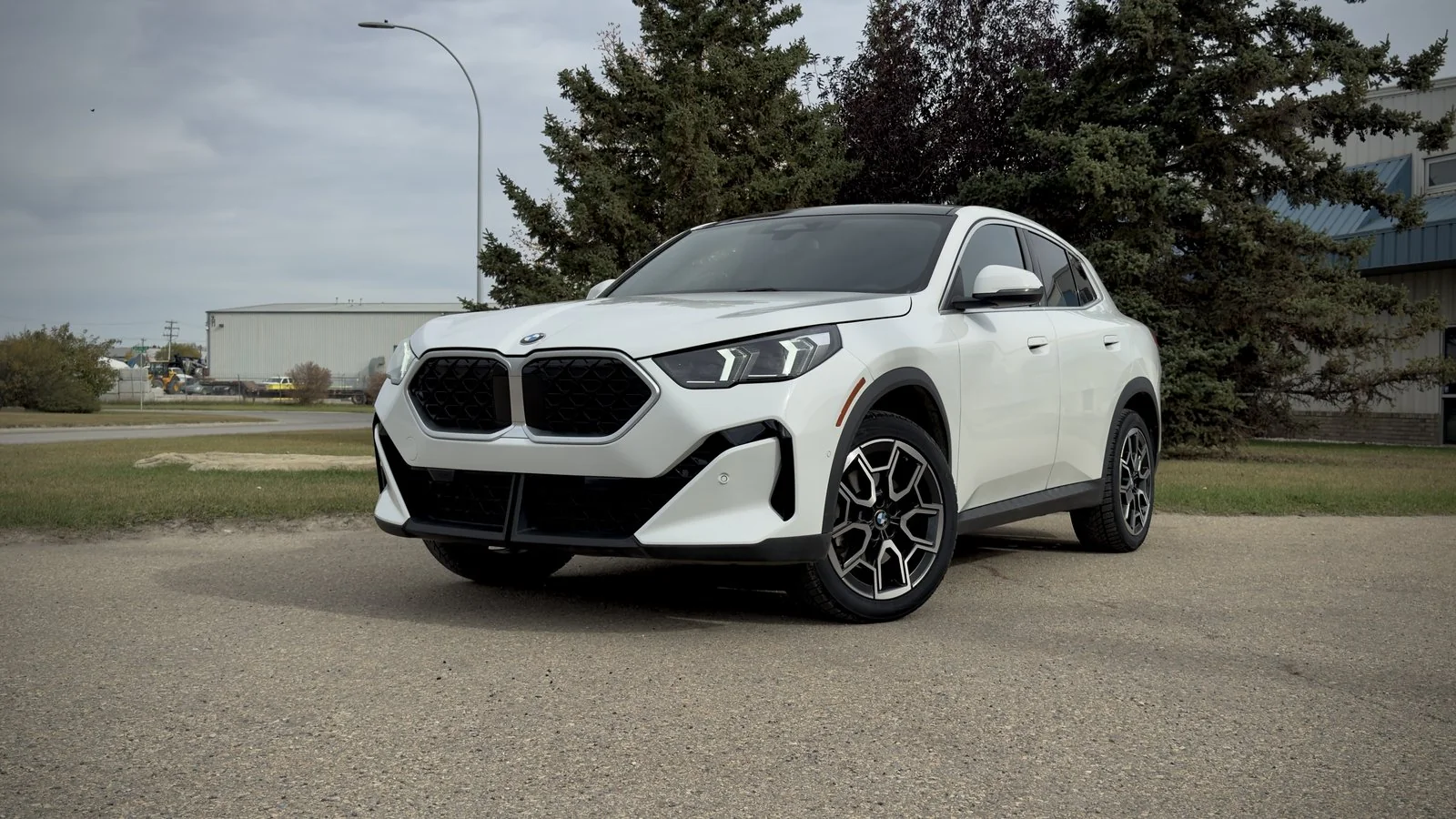
2025 BMW X2 xDrive28i
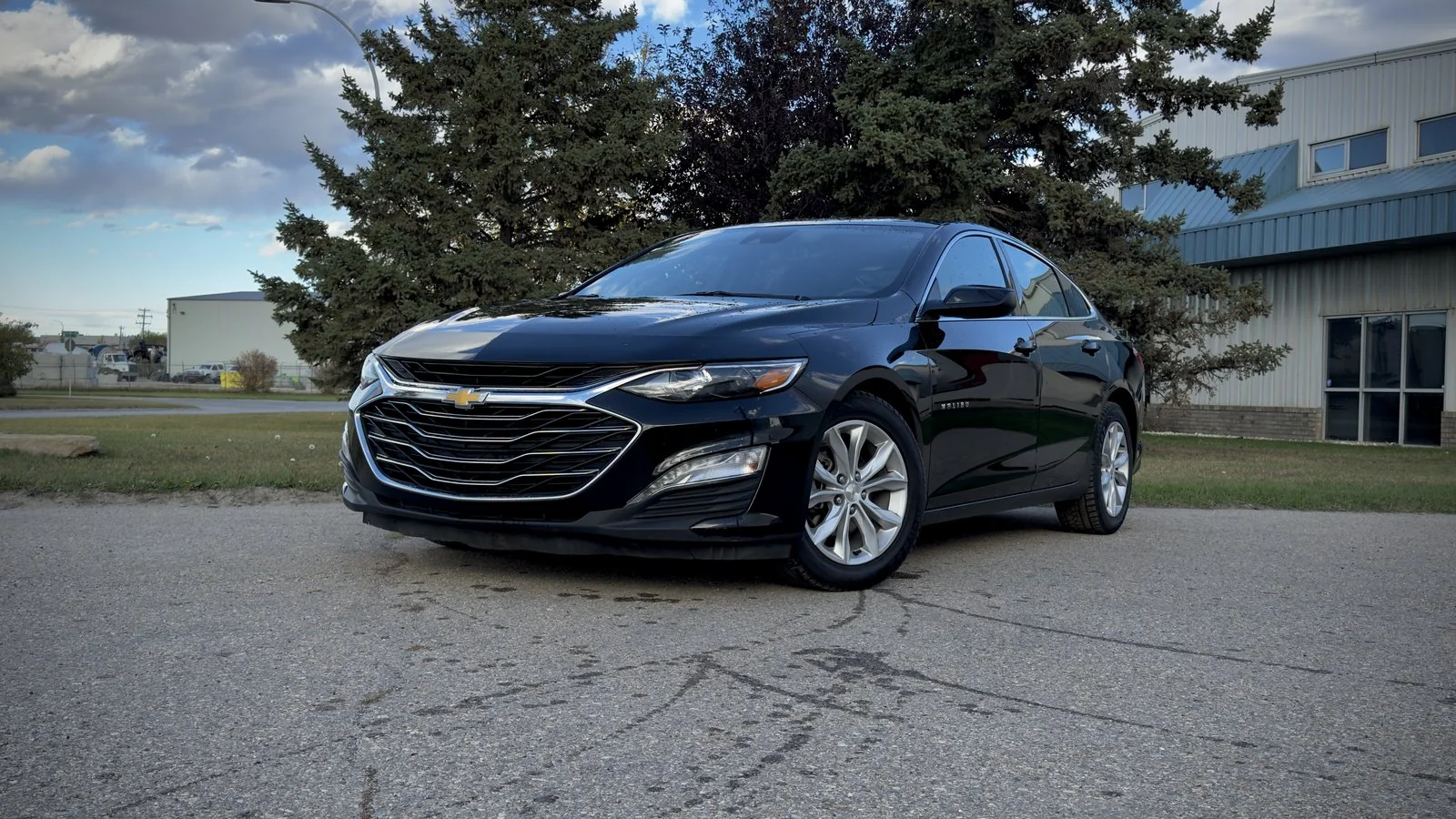
2025 Chevrolet Malibu 1LT
Not seeing it? We'll find it.
We source through our dealer partner network across Western Canada: 25,000+ vehicles to choose from. Tell us what you want and what works for your budget.
Find my car3 min · no credit impactOAC = on approved credit. Payments are examples at 6.49% APR over 84 months with $0 down, based on each vehicle's advertised price; GST extra. Your rate depends on your credit (4.99%–29.9% APR).
Related terms
- Loan Term — the number of months that determines your amortization schedule
- APR vs Interest Rate — understanding the rate that drives your amortization calculation
- Down Payment — reducing the principal reduces total amortized interest
- ← Back to glossary