
APR vs Interest Rate
What is the difference between APR and interest rate?
APR (Annual Percentage Rate) includes the interest rate plus mandatory loan fees expressed as a yearly percentage. The interest rate alone excludes fees, so the APR is always equal to or higher than the stated rate.
Why the Distinction Matters When Shopping Loans
Two lenders can quote the same interest rate and offer meaningfully different loan costs once their fees are factored in. A lender at 14.9% with a $500 origination fee may cost more over the life of the loan than a lender at 15.4% with no fees — especially on shorter terms where the fee amortizes over fewer months. APR lets you make an apples-to-apples comparison because it converts all mandatory costs into a single annual percentage figure.
This matters most when you are comparing offers from different lenders or evaluating dealership financing versus direct lending from a bank or credit union. Each lender structures fees differently. Some bury costs in documentation charges; others earn their margin through the rate. Without comparing APR, you are comparing incomplete numbers.
What Fees Typically Roll Into APR
On a standard Canadian auto loan, the fees most commonly reflected in APR include:
- Origination fees: charged by some lenders for processing the loan application.
- Documentation or administrative fees: flat charges for paperwork preparation.
- Mandatory dealer fees: any fee the lender requires the dealer to charge as a condition of the loan.
Optional add-ons — extended warranties, GAP coverage, credit life insurance — are not part of the APR calculation unless the lender makes them a condition of approval. These products increase your financed amount and the total interest you pay, but they appear as separate line items on your loan disclosure, not embedded in the APR figure.
Canadian Cost of Credit Disclosure
Federal regulations and Alberta's Consumer Protection Act require lenders to provide a cost of credit disclosure before you sign. This document must show: the annual interest rate, the total interest charges over the full term, any additional charges included in the cost of credit, and the total amount you will repay. Reading this disclosure — not just the rate on the first page — tells you the actual cost of the loan. If a lender resists providing this document before signing, that is a warning sign.
In practice, subprime lenders in Alberta disclose clearly because provincial regulators enforce this. Ask for the disclosure statement when comparing offers and focus your comparison on the total cost of borrowing and the APR rather than the stated rate alone.
APR on Subprime Auto Loans
Subprime auto loan rates in Canada typically range from roughly 12% to 29.9% depending on credit tier, lender, loan-to-value ratio, and down payment. On high-rate loans, the difference between the rate and the APR is usually small — lenders at this tier tend to earn margin through the rate rather than through add-on fees. But you should still confirm what, if anything, is included in the quoted APR before signing the loan agreement.
Compare the total cost, not just the monthly payment
Frequently Asked Questions
Which number should I compare when shopping car loans in Canada — APR or interest rate?
Always compare APR. The interest rate tells you the cost of borrowing the principal only. APR folds in mandatory fees so it reflects the true annual cost of the loan. A lender advertising a lower rate but charging higher origination or documentation fees may actually cost more than a lender with a higher rate and no fees. APR puts both loans on the same footing.
What fees are typically included in an auto loan APR?
APR typically includes origination fees, administrative or documentation fees, and any mandatory processing charges rolled into the loan. It does not usually include optional add-ons such as extended warranties, GAP insurance, or credit insurance — those are separate products that increase your financed amount but are not automatically part of the APR calculation unless the lender requires them as a condition of the loan.
Are Canadian lenders required to disclose APR?
Yes. Under Canada's federal Cost of Credit Disclosure regulations and provincial consumer protection legislation, lenders must disclose the annual interest rate and the total cost of borrowing before you sign. In Alberta, this is governed by the Consumer Protection Act. The disclosure statement you receive before signing must show the annual interest rate, total interest charges, any additional charges, and the total amount you will repay.
Can APR and interest rate be identical on a car loan?
Yes, if the lender charges no mandatory fees on top of the interest rate, the APR will equal the stated interest rate. This is more common with straightforward subprime auto loans from lenders who earn their margin through the rate rather than through fees. Always confirm with the lender which fees, if any, are required and whether they are included in the APR figure they quote.
Cars you could drive home
See all inventory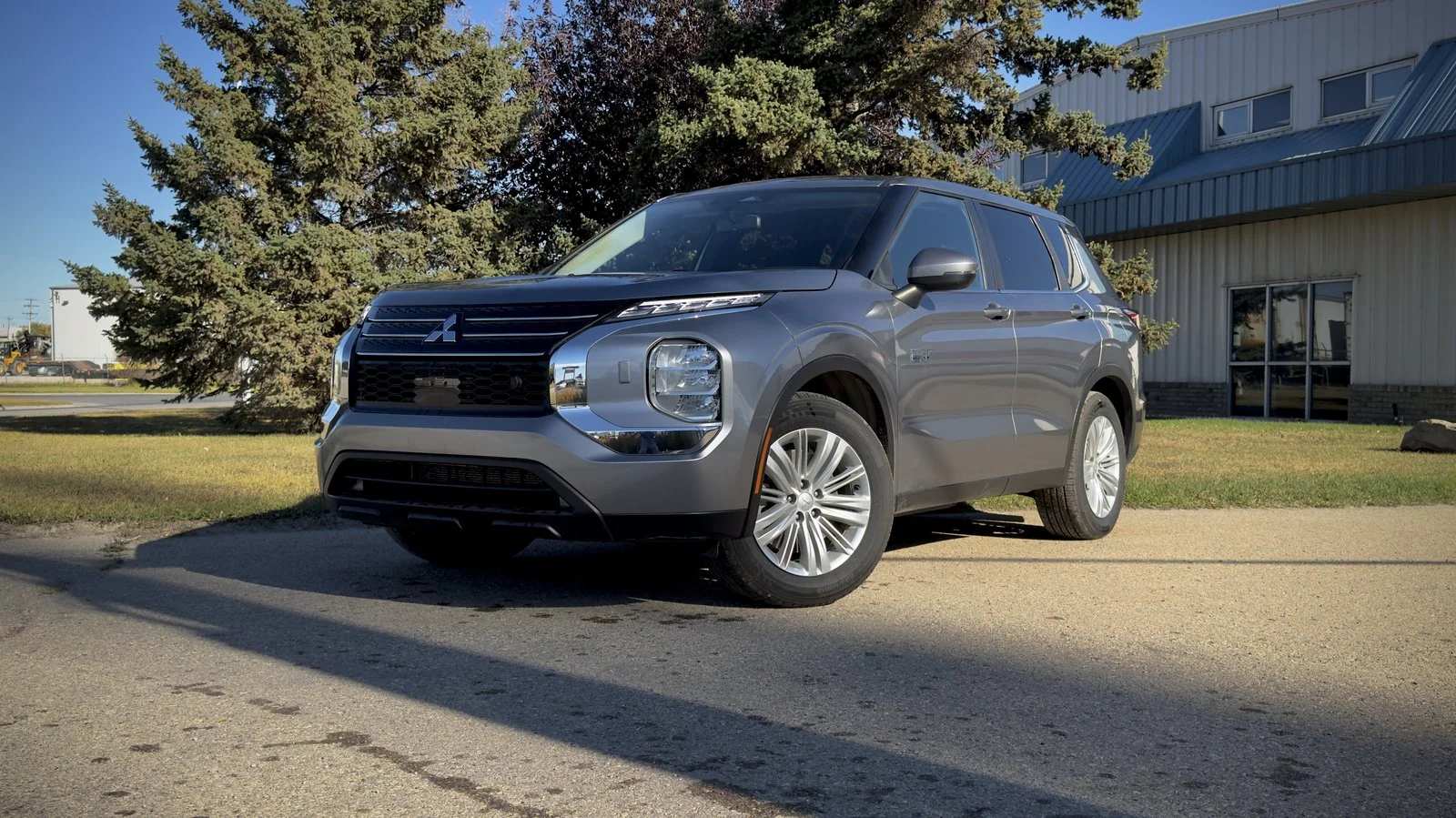
2023 Mitsubishi Outlander ES PHEV
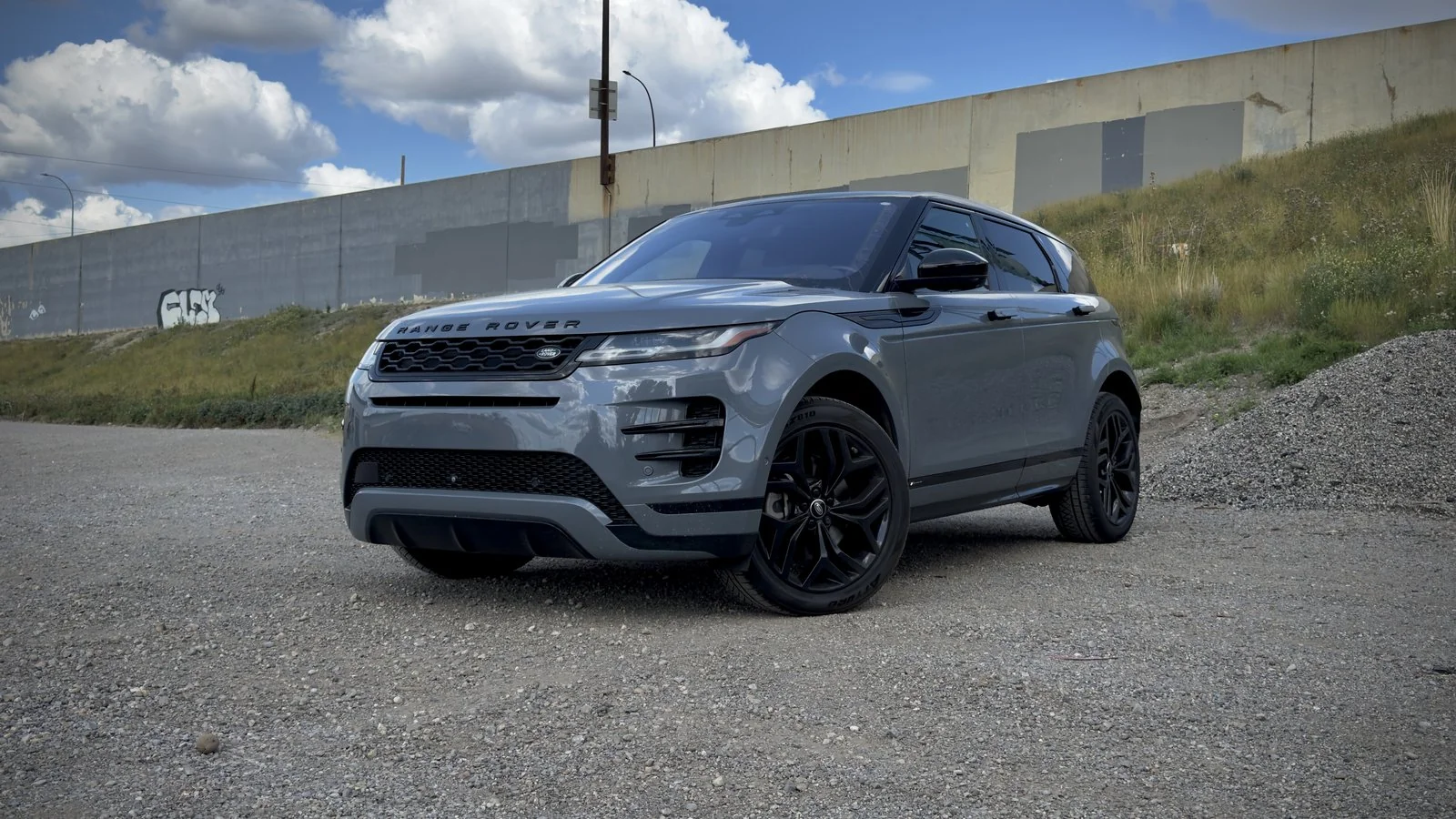
2021 Land Rover Range Rover Evoque R-Dynamic HSE
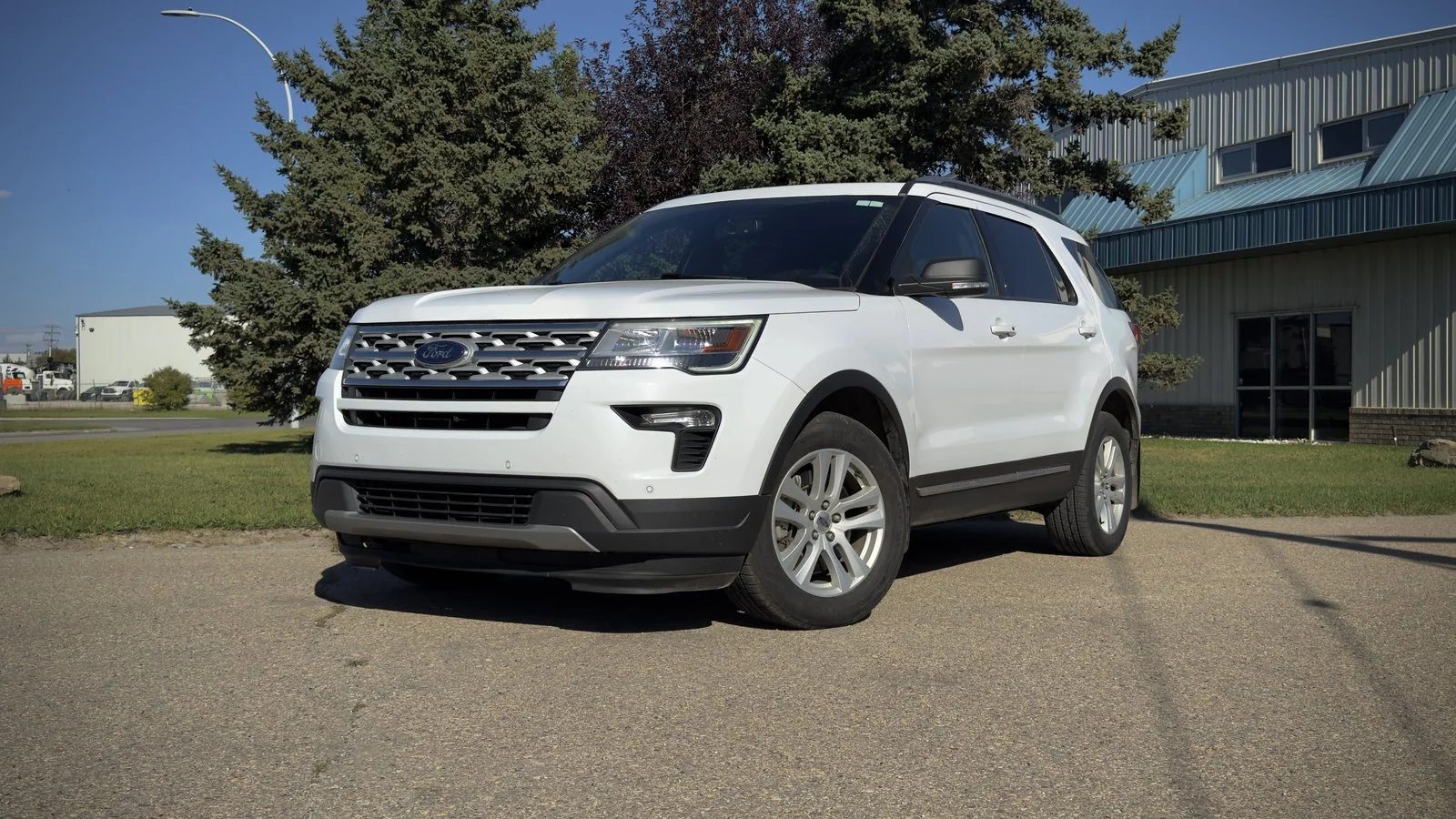
2019 Ford Explorer XLT
Not seeing it? We'll find it.
We source through our dealer partner network across Western Canada: 25,000+ vehicles to choose from. Tell us what you want and what works for your budget.
Find my car3 min · no credit impactOAC = on approved credit. Payments are examples at 6.49% APR over 84 months with $0 down, based on each vehicle's advertised price; GST extra. Your rate depends on your credit (4.99%–29.9% APR).
Related terms
- Amortization — how your APR translates into monthly payment and total interest
- Loan Term — the length of time over which APR cost accumulates
- Subprime Auto Financing — the context where rate and APR differences matter most
- ← Back to glossary