
Subprime Auto Financing
What is Subprime Auto Financing?
Subprime auto financing is a car loan designed for borrowers with a credit score below approximately 640, offering access to vehicle ownership when traditional lenders decline.
How Subprime Auto Financing Works
When you apply for a car loan, lenders pull your credit report and score from Equifax or TransUnion. If your score falls below roughly 640, most banks and credit unions will decline the application outright. Subprime lenders — a specialized category that includes companies like RIFCO, CarFinco, Westlake Financial Canada, and others — are built specifically for borrowers in this range. They look beyond the score itself and evaluate the full picture: your income, employment stability, how long you've lived at your current address, and any explanation for past credit problems.
Instead of an automatic computer approval, subprime applications often receive manual review. An adjudicator reads the file, considers the context, and decides on terms that reflect the actual risk. This is why submitting to the right lenders — those who specialize in your situation — matters enormously. A dealership with access to 21+ lenders can find a better match than one with access to three.
Subprime Rates in Canada: What to Expect
Subprime auto loan rates in Canada vary considerably based on credit depth, income, vehicle age, and loan-to-value ratio. Borrowers with near-prime credit (620–640) may see rates in the 9–14% range. Deeper subprime (under 550) can run higher. These rates exist because the lender is accepting meaningful default risk; the interest compensates for that exposure.
The good news: subprime financing is rarely permanent. After 12 to 24 months of consistent on-time payments, many borrowers qualify to refinance at a significantly lower rate. The original loan is a stepping stone, not a life sentence.
Subprime Financing as a Credit-Rebuilding Tool
Every on-time payment on a subprime auto loan gets reported to Equifax and TransUnion, adding a positive trade line to your credit file. Payment history makes up the largest portion of your credit score. Borrowers who finance through a subprime lender and make payments consistently typically see meaningful score improvement within 12 months — enough to open doors for other credit products.
This makes the subprime auto loan one of the most accessible credit-rebuilding tools available to Canadians with damaged credit. Unlike a secured credit card, it involves a vehicle that is functionally useful while the rebuilding happens.
Common Subprime Financing Requirements in Alberta
Most subprime lenders operating in Alberta look for stable income (employment or verifiable benefits), consistent address history, and the ability to make the payment. Common documents include recent pay stubs, a valid driver's licence, proof of address such as a utility bill, and banking information for pre-authorized debit. A down payment is not always required but improves approval odds and rate.
What This Means for You
Frequently Asked Questions
What credit score is considered subprime in Canada?
In Canada, a credit score below approximately 640 is generally considered subprime. Scores from 640 to 719 are near-prime, and 720 and above are prime. Lenders set their own thresholds, so the cutoff can vary by institution.
Are subprime auto loan interest rates higher than regular rates?
Yes. Because subprime borrowers represent more risk to the lender, interest rates are higher than prime rates. The exact rate depends on your credit score, income, down payment, and the vehicle. Rates can often be refinanced lower after 12 to 24 months of consistent payments.
Can subprime financing help rebuild my credit in Alberta?
Yes. A subprime auto loan that is reported to Equifax and TransUnion adds a positive trade line to your credit file every month you make your payment on time. Over 12 to 24 months, consistent payments meaningfully improve your credit score.
Cars you could drive home
See all inventory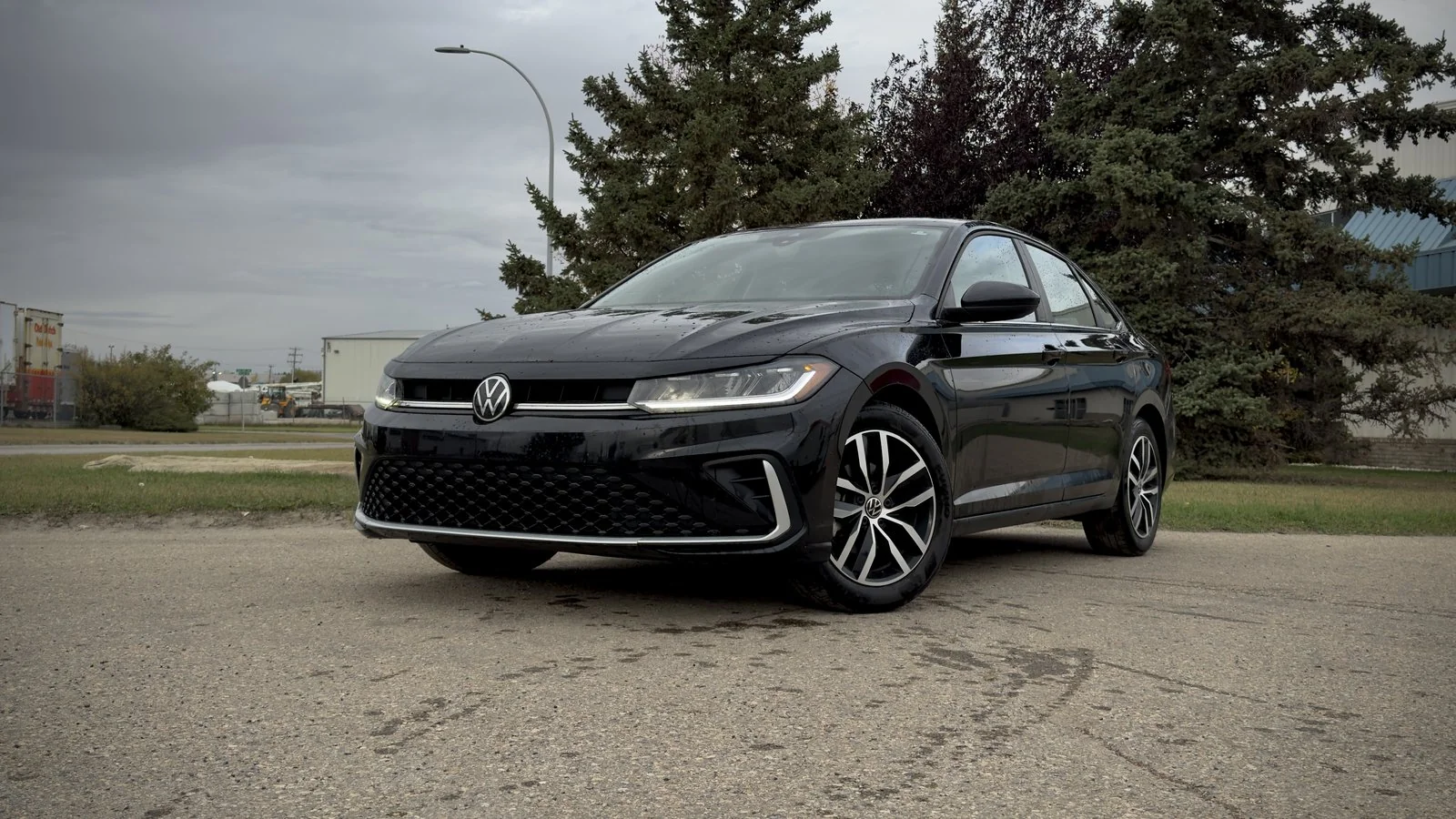
2026 Volkswagen Jetta Comfortline
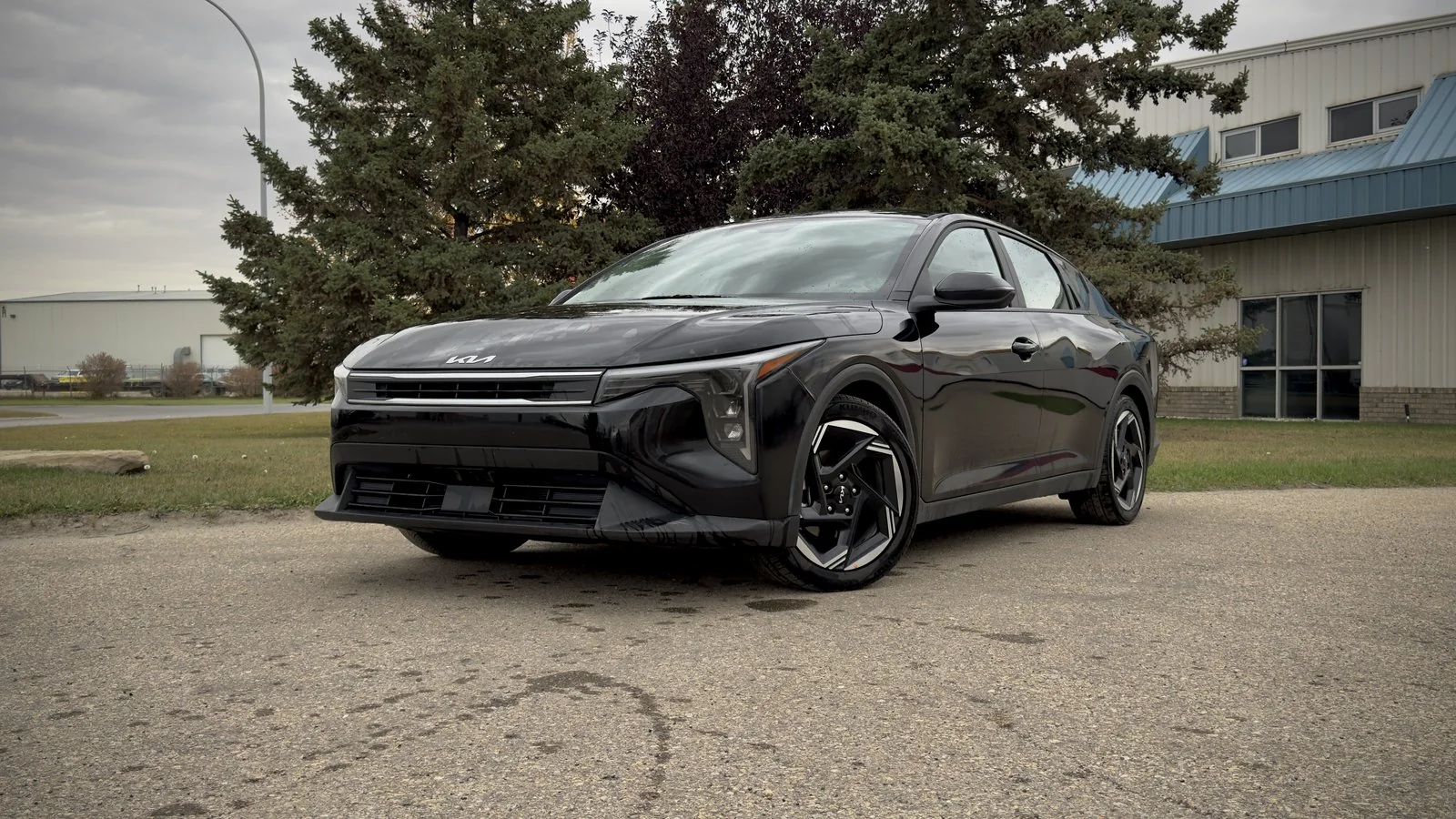
2025 Kia K4 EX
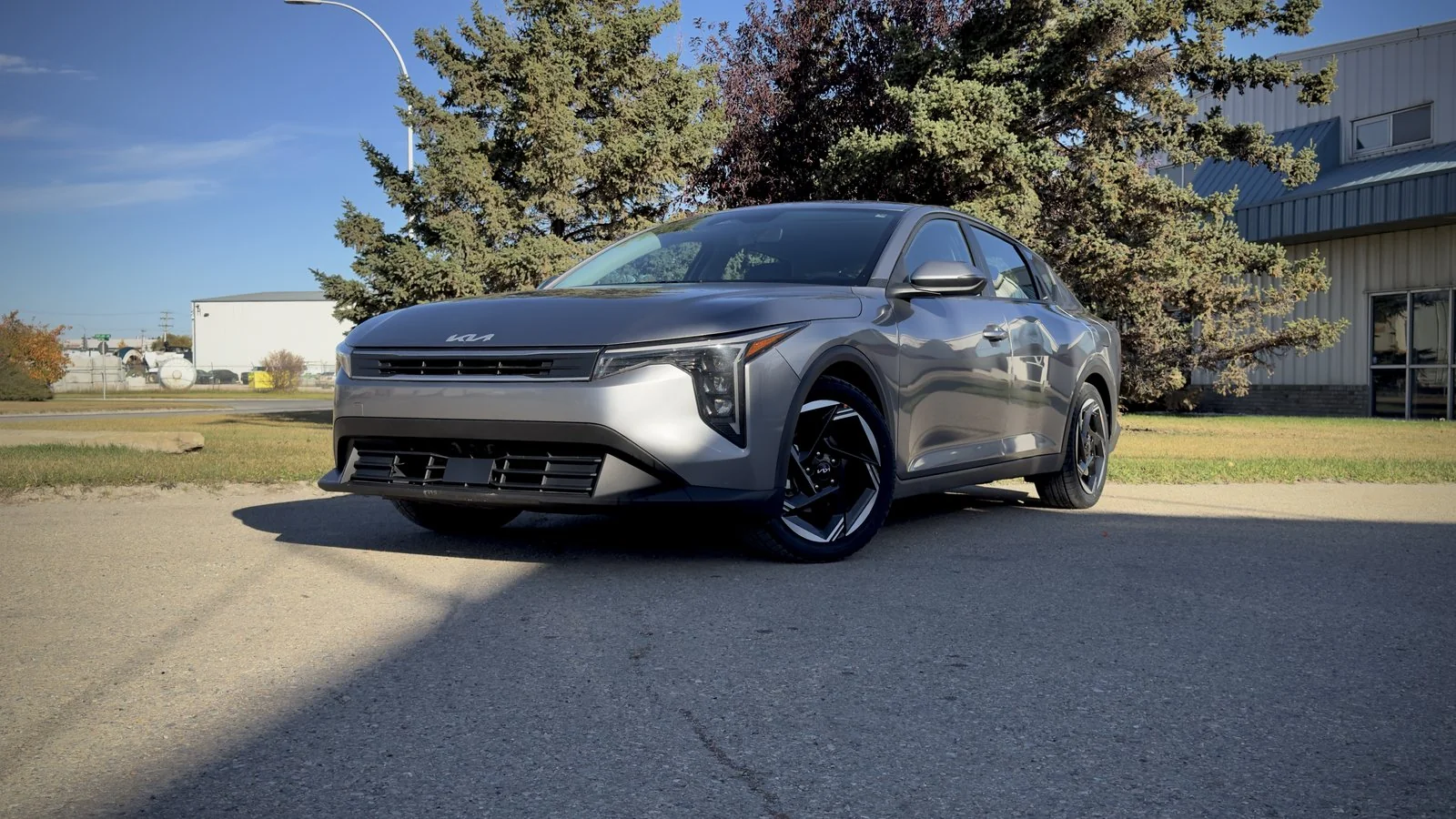
2025 Kia K4 EX
Not seeing it? We'll find it.
We source through our dealer partner network across Western Canada: 25,000+ vehicles to choose from. Tell us what you want and what works for your budget.
Find my car3 min · no credit impactOAC = on approved credit. Payments are examples at 6.49% APR over 84 months with $0 down, based on each vehicle's advertised price; GST extra. Your rate depends on your credit (4.99%–29.9% APR).
Related Terms
Ready to explore your options?
We work with all credit situations — no judgement, no pressure.