
Leasing vs Financing a Car
Two very different paths to getting behind the wheel. Understanding the difference matters especially if you are rebuilding your credit or working with a challenged credit history.
Last reviewed: October 2026
Should I lease or finance a car in Alberta?
Financing means you own the vehicle at loan end — better long-term value and no mileage caps. Leasing means lower monthly payments but you return the car. For bad credit buyers, financing is almost always the only option.
Ready to explore your options?
We help you find the best financing path. All credit situations welcome.
5.0118+ Google ReviewsAMVIC LicensedFree Delivery 300km
Key Facts
- Financing
- You own the vehicle
- Leasing
- You return it at term end
- Credit building
- Financing reports to bureaus
- Best for bad credit
- Financing — more lender options
The Bad Credit Reality: Leasing Is Nearly Inaccessible
How Does Car Financing Work?
You borrow money from a lender to buy the vehicle, make fixed monthly payments over the loan term, and own the car outright at the end. Monthly payments go toward paying off that loan over the agreed term — typically 48, 60, or 72 months. At the end of the term, you own the vehicle free and clear with no further payments.
Ownership from day one
The vehicle is yours. You can sell it, trade it in, or keep it as long as you want. No permission required.
Credit reporting every month
Your car loan is reported as an installment account to Equifax and TransUnion. Every on-time payment is a positive mark that builds your credit score.
No mileage restrictions
Drive as much as you need. No kilometre caps, no overage charges, no end-of-term surprises.
Equity builds over time
As you pay down the loan, you build equity in the vehicle. That equity can be used as a down payment on your next vehicle.
How Does Leasing Work?
You pay for the right to use a vehicle for a fixed term — typically 2 to 4 years — then return it at the end with no ownership and no equity. Monthly payments cover the vehicle's depreciation during that period, not the full purchase price. At the end of the lease, you return the vehicle (or buy it at the pre-agreed residual value). If your lease is ending and your credit took a hit, see what buying it out, returning it or financing a used car means.
Lower monthly payments
Because you are only paying for depreciation rather than the full vehicle cost, monthly lease payments are typically lower than financing payments on the same vehicle.
Mileage limits apply
Standard leases come with annual kilometre caps — commonly 20,000-24,000 km per year. Exceeding those limits triggers per-kilometre overage charges at lease end.
No equity at the end
When the lease ends, you return the vehicle. There is no asset, no trade-in value, no equity to apply to your next vehicle. You start the process over.
Credit reporting varies
Traditional manufacturer leases from major captive lenders generally report to credit bureaus. Many lease-to-own or rent-to-own programs do not report the same way — check before signing.
Which Option Builds Credit Faster?
Financing builds credit faster — it reports as an installment account to both Equifax and TransUnion every month, while many lease programs do not report at all. Every on-time payment adds a positive mark to your credit history. This is especially important for people rebuilding after bad credit, a consumer proposal, or bankruptcy.
Traditional leasing may carry some reporting weight, but the consistency and impact differ. Many alternative lease programs — rent-to-own, lease-to-own — do not report to credit bureaus at all. If credit rebuilding is a goal, financing is the purpose-built tool.
The Credit Building Math
24 months of on-time financing payments = 24 positive trade line entries on your credit report. At a starting score of 520, most borrowers reach 620-660 within that window with consistent payments and no new negatives. That improvement opens the door to significantly better rates on the next vehicle.
Which Is Better for Bad Credit?
Financing is significantly better for bad credit — the subprime lending market in Canada is built around auto loans, not leasing, giving you far more lender options. A dealer with 21+ lender relationships can shop your application across multiple subprime lenders simultaneously. Lease options for bad credit are extremely limited, and those that exist often come with unfavourable total cost structures.
If you have been declined for a lease due to credit, that is not a barrier to financing. The qualification criteria are different, and the lender pool is far deeper.
What About Lease-to-Own Programs?
Lease-to-own programs can work in specific situations, but many do not report to credit bureaus and often carry a higher total cost than traditional financing — read the fine print carefully. Some dealers offer lease-to-own or rent-to-own arrangements, marketed as an alternative for people who cannot qualify for traditional financing. Key questions to ask:
Does the program report to credit bureaus?
If not, you are making payments without building any credit history. The primary reason to consider these programs is often credit rebuilding — if it does not report, that benefit disappears.
What is the total cost of the vehicle?
Multiply the monthly payment by the number of months. Add any fees. Compare that total to what the vehicle is worth. The implied interest rate in some programs is very high.
Can you walk away early?
Some programs have steep early exit penalties. Understand what it costs to leave before you sign.
Is the residual purchase price fixed or floating?
If you plan to buy the vehicle at the end of the term, know the price now. A floating residual can be an unpleasant surprise.
For a comparison with buy-here-pay-here programs, see our buy-here-pay-here guide.
Side-by-Side: Financing vs Leasing
| Aspect | Financing | Leasing |
|---|---|---|
| Ownership at end | Yes — you own the vehicle | No — you return the vehicle |
| Credit building | Yes — reports monthly to bureaus | Varies — many programs do not report |
| Mileage limits | No restrictions | Yes — overage charges apply |
| Monthly payments | Higher — building toward ownership | Lower — covering depreciation only |
| Available for bad credit | Yes — large subprime lender market | Rarely — limited lender options |
| Equity at end | Yes — vehicle has resale value | No — starts over at lease end |
| Flexibility to sell | Yes — sell or trade at any time | No — locked in until lease end |
For borrowers with challenged credit, financing is almost always the more accessible and credit-building path.
Frequently Asked Questions
Is it cheaper to lease or finance a car?
Leasing typically has lower monthly payments than financing because you are only paying for depreciation during the lease term, not the full vehicle cost. However, at the end of a lease you have no equity — you return the vehicle and start over. Financing has higher monthly payments but builds equity, and you own the vehicle outright at the end of the term. Over a longer horizon, financing is generally the more cost-effective path.
Can I lease a car with bad credit?
Lease options for borrowers with bad credit are extremely limited. Most leasing programs are reserved for prime borrowers with strong credit profiles. The subprime lending market is built around auto financing, not leasing. If you have bad credit, financing is almost always the better and more accessible path.
Does leasing build credit?
Some lease programs report payments to credit bureaus, but many do not — particularly lease-to-own or rent-to-own arrangements. Traditional manufacturer leases from major captive lenders do typically report, but the reporting structure differs from an installment loan. For deliberate credit rebuilding, financing is the more reliable and powerful tool.
Should I finance if I want to rebuild my credit?
Yes. A car loan is an installment account that reports to both Equifax and TransUnion every month. Each on-time payment is a positive mark on your credit file. This consistent monthly reporting is one of the most effective ways to rebuild credit after bad credit, a consumer proposal, or bankruptcy. The combination of payment history and credit mix improvement makes financing significantly more powerful for credit rebuilding than most lease arrangements.
Related Resources
What Our Customers Say
“When I started canvassing for a vehicle Luke reached out and was very helpful with finding cars and financing options. Luke and Shadeen helped with financing a private sale quickly.”
“Luke was fantastic with helping us get into a mini van, we are MORE than happy. I highly recommend anyone looking for a vehicle to go check out Shift Happens!”
“The buying experience was handled very professionally. Wes was very attentive and presented everything in an open and honest manner that gave me the reassurance that I made a good purchase.”
Cars you could drive home
See all inventory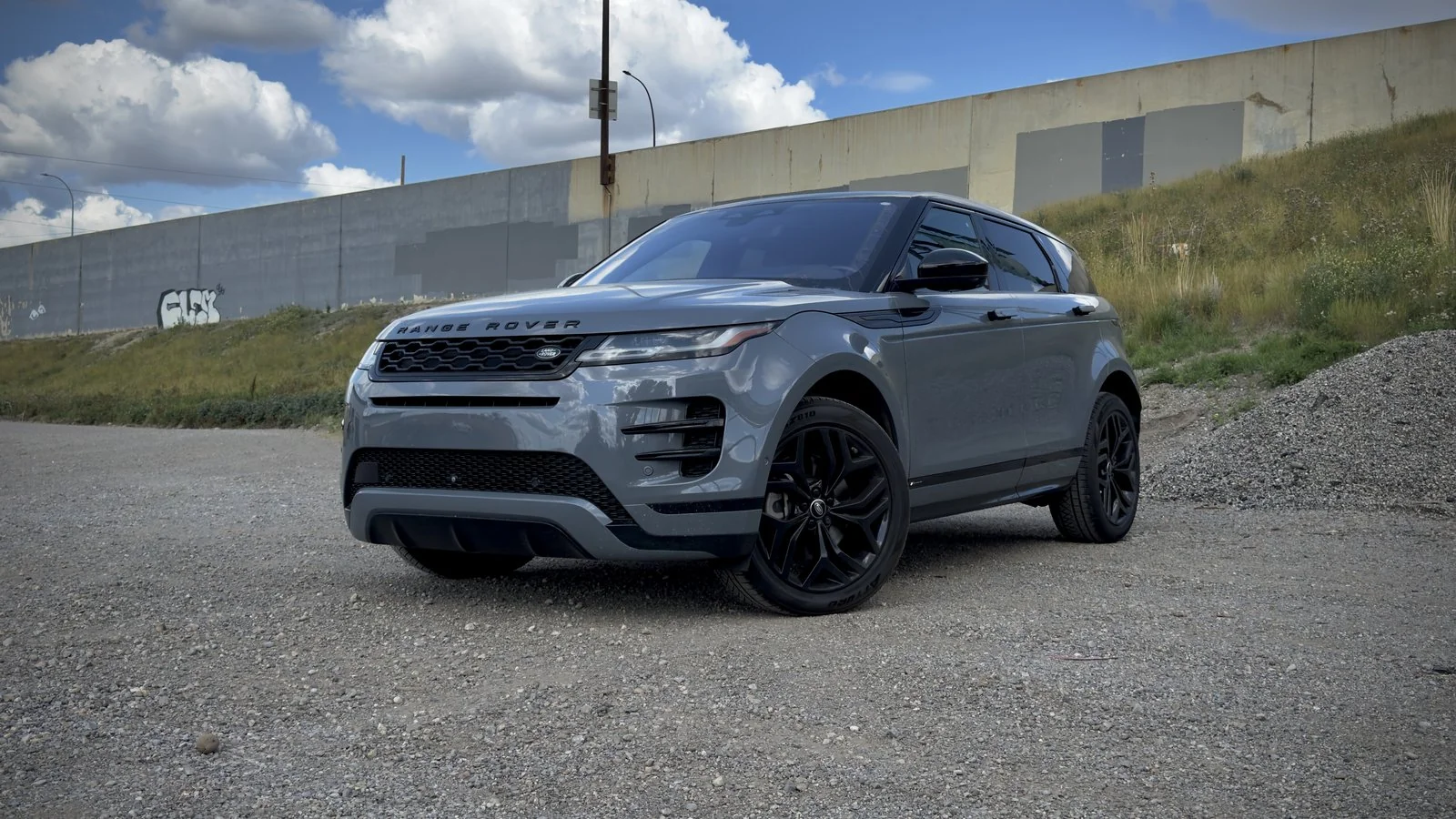
2021 Land Rover Range Rover Evoque R-Dynamic HSE
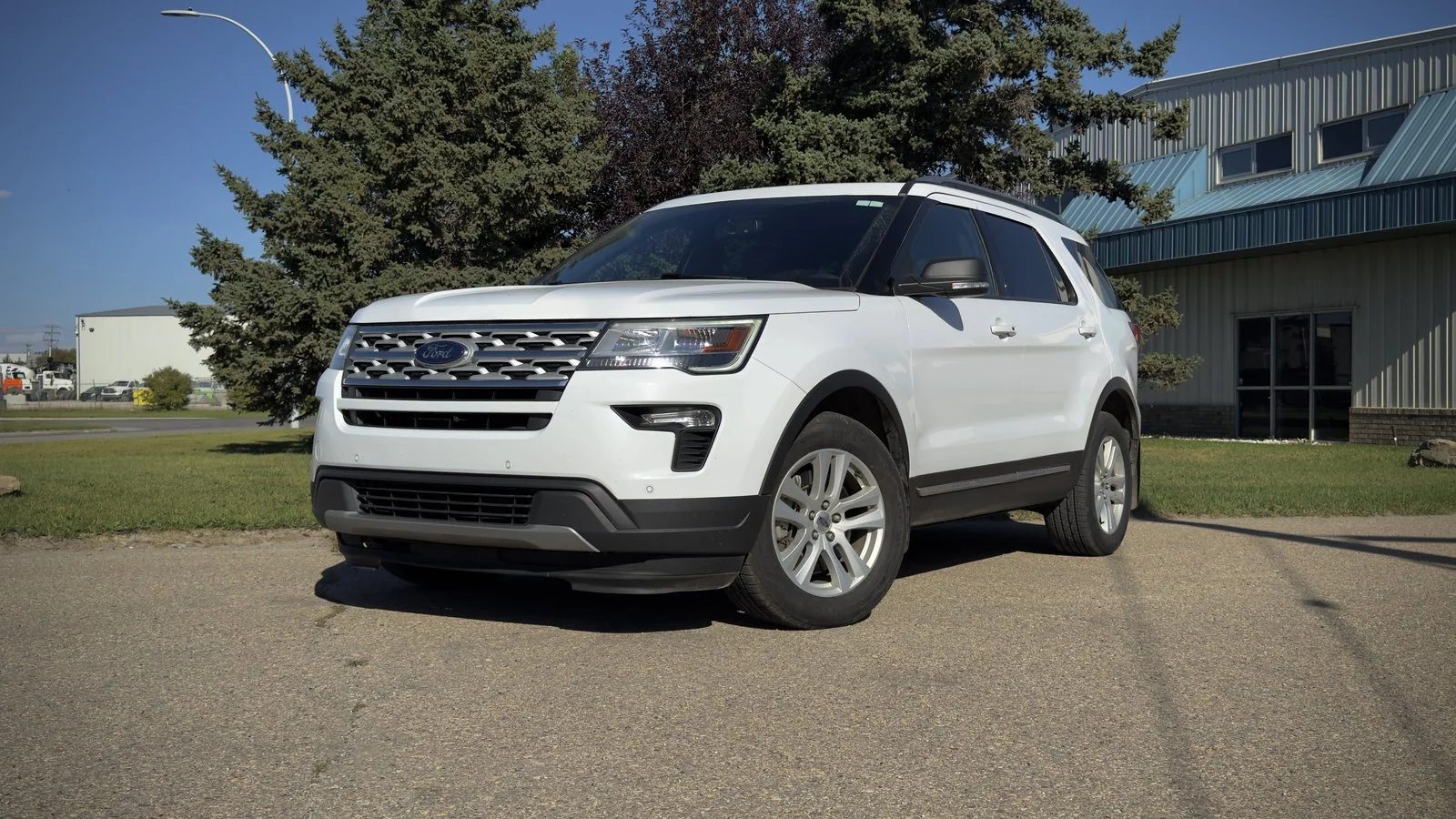
2019 Ford Explorer XLT
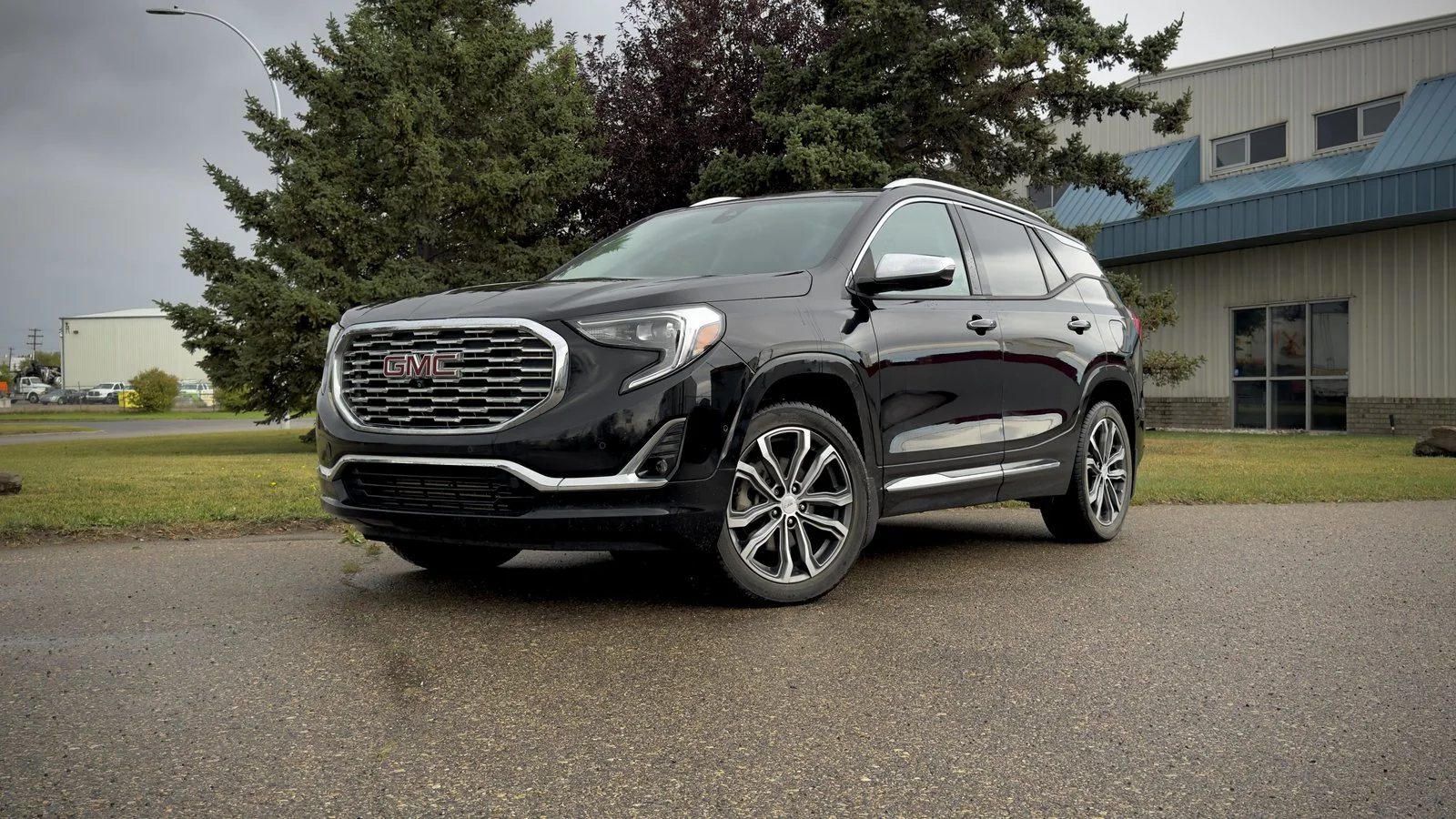
2020 GMC Terrain Denali
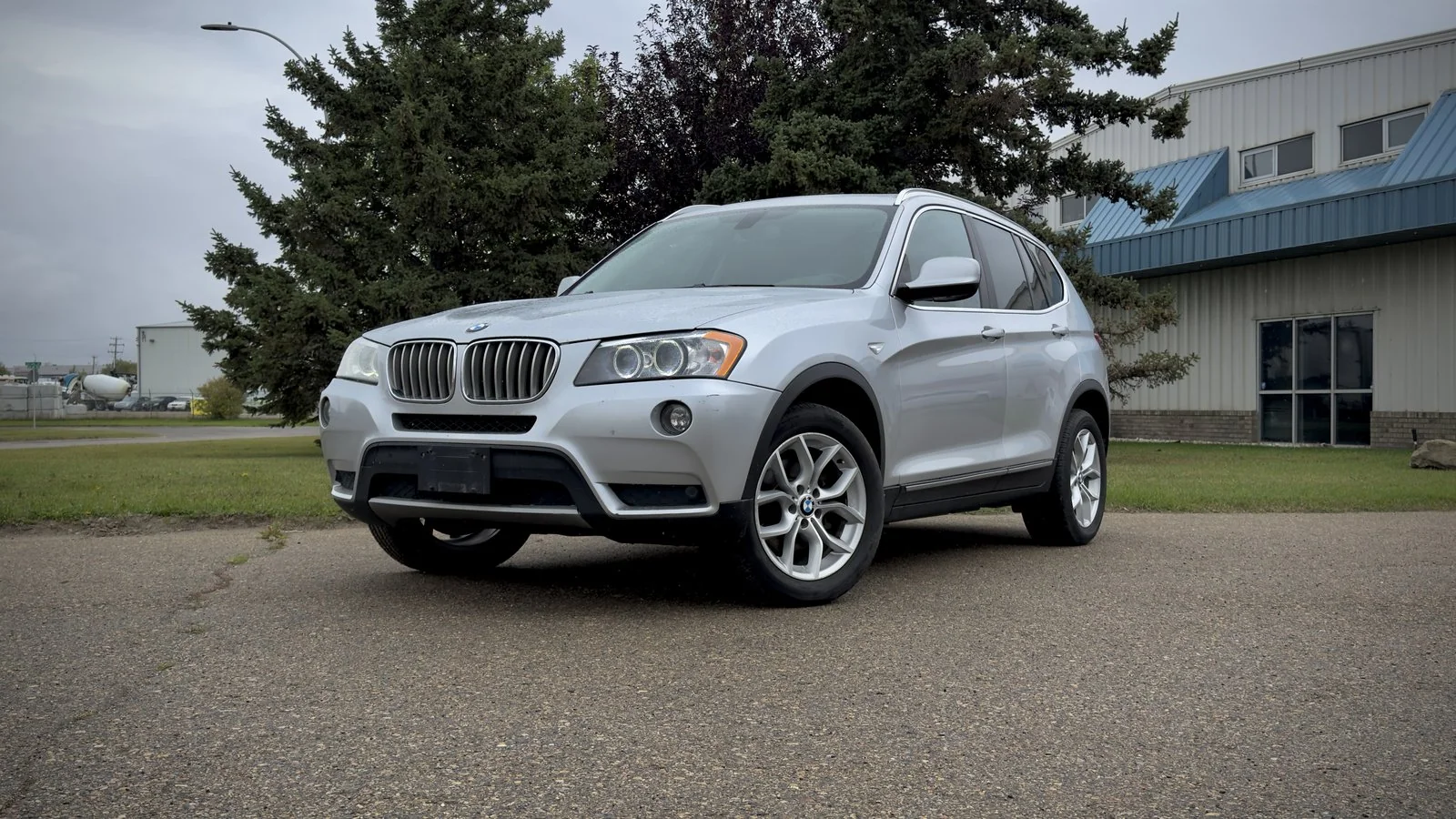
2014 BMW X3 xDrive28i
Not seeing it? We'll find it.
We source through our dealer partner network across Western Canada: 25,000+ vehicles to choose from. Tell us what you want and what works for your budget.
Find my car3 min · no credit impactOAC = on approved credit. Payments are examples at 6.49% APR over 84 months with $0 down, based on each vehicle's advertised price; GST extra. Your rate depends on your credit (4.99%–29.9% APR).
Ready to explore your options?
We help you find the best financing path. All credit situations welcome.
5.0118+ Google ReviewsAMVIC LicensedFree Delivery 300km
Ready to Finance Your Next Vehicle?
Financing gives you ownership, credit building, and no mileage limits. Apply now and get a decision within 24-48 hours.