
How Car Financing Works in Alberta
Everything you need to know about the auto loan process — from application to approval to driving away. Clear, honest, and jargon-free.
Last reviewed: October 2026
How does car financing work in Alberta?
Car financing means a lender pays for the vehicle and you repay over 12–96 months. Shift Happens applies once to our 21+ lenders — soft pull first, hard pull only with your consent. All credit welcome.
Ready to Get Started?
Now that you understand the process — apply in 3 minutes. All credit welcome.
5.0118+ Google ReviewsAMVIC LicensedFree Delivery 300km
Key Facts
- Application time
- 3 minutes online
- Credit check
- Soft pull first, hard pull only with consent
- Term lengths
- 12 to 96 months
- All credit welcome
- Bad credit, no credit, first-time buyers
- Service area
- Alberta, BC & Saskatchewan
One Application, 21+ Lenders
The Car Financing Process, Step by Step
The financing process follows the same sequence at most dealerships. Here is exactly what happens at each stage and why it matters. The sequence is the same when the dealer is hours away; see how delivery and remote paperwork work.
Submit Your Application
You provide basic personal information: your name, current address, employment details, and income. Lenders also want to see your residence history — typically two years back — and your employment history. Each piece of information helps the lender build a picture of your financial stability. The application takes about three minutes to complete online, or you can walk through it in person at our Airdrie location.
Lender Matching
Once we have your profile, we submit it to our lender network simultaneously. This is one of the biggest advantages of dealer-arranged financing: one application reaches 20 or more lenders at once. If you went to each bank or credit union individually, every application would trigger a separate hard inquiry and cost you significant time. Our network includes lenders who specialize in prime credit, near-prime, subprime, and deep subprime situations — so there is almost always a lender whose criteria match your profile.
Approval and Terms
Lenders respond with offers that include your interest rate, loan term (the repayment period in months), and the maximum amount they will finance. We review all offers and present you with the best option. You are never obligated to accept. If the terms do not work for you, we can discuss adjustments — a larger down payment, a different vehicle price point, or a different loan term can all change what a lender will offer. Multiple lenders may respond, giving us room to negotiate.
Vehicle Selection
Your approved amount sets your budget ceiling. From there, you choose a vehicle from our inventory that fits within that range. Lenders have their own requirements for the vehicles they will finance — typically around vehicle age (most lenders prefer under 10 years old) and mileage thresholds (usually under 150,000 km for standard financing, though some subprime lenders go higher). We will walk you through which vehicles qualify under your specific approval.
Signing and Driving
The final stage covers the bill of sale, financing agreement, and any add-on products (extended warranty, GAP coverage). In Alberta, you must have valid vehicle insurance in place before you can legally drive off the lot — insurance cannot be arranged after the fact. We verify coverage before handing over the keys. Same-day completion is common when approvals come in early. If the approval arrives later in the day, next-day pickup is the typical outcome.
How Do Interest Rates and Loan Terms Work?
Your interest rate is set by the lender based on your credit tier, and your loan term (12 to 96 months) determines how long you repay — a longer term lowers your monthly payment but increases total interest paid. Almost all auto loans in Canada are fixed rate, so your payment never changes.
The numbers on your loan approval determine your monthly payment and how much you pay in total. Understanding what each number means puts you in a better position to evaluate any offer.
What Determines Your Interest Rate
Your credit score is one input, not the whole picture. Lenders also look at the loan-to-value ratio (how much you are borrowing relative to the vehicle's worth), your income stability, the size of your down payment, the age of the vehicle, and the loan term you choose. Subprime rates are higher because the lender is taking on more risk — but those rates decrease over time as you build a consistent payment history and become eligible to refinance.
How Loan Term Affects Total Cost
A longer term means a lower monthly payment, but you pay significantly more in interest over the life of the loan. Real example with a $15,000 loan at 12% annual interest: a 36-month term gives you a payment of approximately $498 per month, and you pay roughly $17,928 total. A 60-month term drops the payment to roughly $334 per month, but total paid rises to approximately $20,040. At 72 months, the payment falls to about $296 per month, but total paid climbs to approximately $21,312. The monthly savings from a longer term disappear when you look at the full cost.
Fixed vs. Variable Rate
Almost all auto loans in Canada are fixed rate. That means your payment amount stays exactly the same every month for the full loan term — no surprises, no adjustments tied to the prime rate. This is different from mortgage financing, where variable rates are common. When you sign a car loan, you know the exact payment amount and the exact payoff date from day one.
Buy Rate vs. Contract Rate
The rate a lender offers the dealer is called the buy rate. The rate you see on your contract may include a markup above that buy rate — this markup is how dealers are compensated for arranging and administering the financing. This is a standard and legal practice across the industry. If you are working with a reputable dealer, the contract rate is still competitive because the dealer needs to keep customers happy and returning. The markup is bounded by what lenders allow and by provincial regulations.
What Do Lenders Actually Look At?
Lenders look at six key factors: credit score, income and employment stability, debt-to-income ratio, down payment, the vehicle as collateral, and residence stability. Your credit score opens the door to certain lenders, but these other factors determine your rate and approval amount.
Lenders evaluate more than your credit score. Understanding the full picture helps you know where your application is strong and where you can improve your odds. Specific situations — like self-employed income, newcomer financing, or disability income — have dedicated lender programs with different documentation requirements.
Credit Score
Your credit score matters, but it is not a simple pass or fail threshold. Different lenders specialize in different score ranges. Deep subprime lenders work with scores from 300 to 579. Subprime lenders typically cover 580 to 659. Near-prime lenders operate in the 660 to 719 range. Prime lenders generally want 720 and above. Your score determines which lenders are available to you and what rates those lenders offer — but every range has lenders in it.
Income and Employment Stability
A stable income matters more than the income amount. Lenders want evidence that you can afford the monthly payment consistently. Time at your current job is a factor — two or more years at the same employer is viewed favorably. Self-employed income requires documentation (typically a Notice of Assessment or business bank statements) because it is harder to verify. Lenders want to see regular deposits and consistent earnings patterns.
Debt-to-Income Ratio
Your debt-to-income ratio is your total monthly debt payments divided by your gross monthly income. If you earn $4,000 per month before tax and your current monthly debt payments (credit cards, student loans, existing car payments) total $1,200, your ratio is 30%. Most auto lenders prefer this number to stay under 40 to 45%. A higher ratio means a larger portion of your income is already committed, which increases the lender's risk. A new car payment that pushes you over that threshold may result in a lower approval amount or a declined application.
Down Payment
A down payment reduces the amount you need to borrow and signals financial commitment to the lender. It also reduces the loan-to-value ratio, which lowers the lender's risk. A down payment is not always required — some approvals come through with zero down — but having one typically improves your rate, increases the maximum approved amount, and strengthens a borderline application. Even a modest down payment of $500 to $1,000 can make a meaningful difference.
The Vehicle as Collateral
The car itself is the security for the loan. If you stop making payments, the lender can repossess the vehicle and sell it to recover the outstanding balance. This is why lenders care about the vehicle's age, mileage, and condition — a newer vehicle with lower mileage is easier to sell and retains value longer, which lowers the lender's recovery risk. Vehicles outside a lender's acceptable range may be declined even if your personal credit profile is strong.
Residence Stability
Lenders like to see at least 6 to 12 months at your current address. Frequent moves can be a flag, particularly for subprime lenders who are already managing elevated risk. If you have moved recently, having a solid explanation (job relocation, end of a lease) helps. Providing a full two-year residence history on your application — even if you have moved — gives the lender the complete picture rather than gaps they have to ask about.
What Are the Types of Auto Financing?
There are four main types: dealer-arranged financing (one application reaches 21+ lenders), direct bank or credit union financing, buy here pay here (dealership as lender), and private sale financing. Dealer-arranged financing is the most common path for used vehicle purchases in Canada, especially for buyers with challenged credit.
There are several paths to financing a vehicle. Each has different requirements, advantages, and tradeoffs. If you have challenged credit, our bad credit financing guide covers lender options by credit tier. A lease works differently from a loan; if yours is ending, see what to do when a lease ends and your credit took a hit.
Dealer-Arranged Financing (What We Do)
You submit one application, and we send your profile to our network of 21+ or more lenders simultaneously. Each lender evaluates your file independently and responds with their best offer. We present the strongest option to you. This approach works across all credit situations — prime, near-prime, subprime, and deep subprime — because our network includes lenders who specialize in every tier. It is the most common financing path for used vehicle purchases in Canada.
Direct Bank or Credit Union Financing
You go to your bank or credit union first, get pre-approved, and then shop with a confirmed budget. This approach typically requires a credit score of 680 or above and can offer competitive rates if you qualify. The limitation is that you are working with a single lender's criteria and rate sheet. If your bank declines or offers an unfavorable rate, you have to start over elsewhere — each application is a separate process.
Buy Here Pay Here
In a buy here pay here arrangement, the dealership acts as the lender — no third-party bank is involved. The dealer approves the loan, sets the terms, and collects the payments directly. This model typically involves shorter loan terms and smaller loan amounts because the dealer's capital is limited compared to a lending institution. It is an option for buyers who cannot qualify through any traditional lender.
Learn more about our in-house financing options →Private Sale Financing
Some lenders will finance a private vehicle purchase, but most prefer dealer transactions because of the consumer protections a licensed dealer provides — inspections, title verification, and regulatory oversight. Private sale financing is more complex, requires more documentation, and has fewer lender options. If you find a vehicle through a private sale that you want to finance, the process is possible but involves more steps than a dealer purchase.
What Are Your Rights as a Car Buyer in Alberta?
In Alberta, you have the right to AMVIC-licensed dealer protections, mandatory disclosure of known defects and accident history, written cost-of-credit disclosure before signing, and the right to file a complaint with AMVIC if a dealer acts unfairly. Alberta does not have a universal cooling-off period — so knowing your rights before you sign matters.
Alberta has specific consumer protection rules that apply to every vehicle purchase from a licensed dealer. Knowing these protections helps you buy with confidence.
AMVIC Licensing
Every vehicle dealer in Alberta must be licensed through the Automotive Business Regulation (AMVIC). AMVIC licensing means the dealer has met provincial requirements, carries appropriate insurance, and is subject to investigation and penalties if they violate consumer protection rules. We are an AMVIC-licensed dealer. Our inspection process exceeds the minimum standard required — we run a 162-point inspection on every vehicle before it goes on the lot.
Disclosure Requirements
Alberta dealers must disclose known material defects, whether a vehicle has been in a major accident, and any branded title — rebuilt, salvage, or irreparable. These disclosures must be made before the sale is finalized. You are entitled to ask for a CARFAX or AutoCheck vehicle history report on any vehicle you are considering. A reputable dealer will either provide one or direct you to where you can obtain one independently.
Cancellation Rights and Conditional Sales
Alberta does not have a universal cooling-off period for vehicle purchases — once you sign, you are generally committed. The exception is a conditional sale, where the purchase is subject to financing approval. If the financing falls through, the sale can be cancelled. This is one reason why sorting out financing before choosing a vehicle is the better sequence. Read the contract carefully before signing and ask questions about any terms you do not understand.
Complaint Process
If you have a dispute with a licensed dealer in Alberta that cannot be resolved directly, you can file a complaint with AMVIC. AMVIC investigates complaints, has the authority to impose penalties, and can revoke a dealer's license for serious violations. Their website maintains a record of licensed dealers so you can verify a dealer's standing before you do business with them.
Common Questions About Car Financing
How long does the car financing process take from application to driving?
Most applications are completed in 3 minutes online. Approval typically comes within 24 to 48 hours. Once approved and you choose a vehicle, paperwork and delivery can happen the same day or next day.
What is the minimum credit score needed for a car loan in Alberta?
There is no universal minimum. We work with lenders who specialize in every credit range including deep subprime. Your score affects the interest rate and terms available but does not determine whether you can get approved at all.
Can I get a car loan with no down payment?
Some lenders do offer zero-down financing, depending on your credit profile and the vehicle. A down payment is not always required but it can improve your rate and increase the chances of approval.
What documents do I need to apply for car financing?
A valid driver's license, proof of income (recent pay stubs or Notice of Assessment for self-employed), proof of address (utility bill or bank statement), and a void cheque or banking information for payment setup.
How do I know if I am getting a fair interest rate?
Your rate depends on your credit profile, income, and the vehicle. Subprime rates are higher than prime rates because the lender takes more risk. As you rebuild your credit through consistent payments, you can refinance at a lower rate in 12 to 24 months.
Related Resources
What Our Customers Say
“Dealt with Luke and Wes. It was one of the best car buying experiences I have ever encountered. I went back to buy another vehicle from these guys as they are just so easy to deal with.”
“I bought my RAV4 from Wes and Luke just before new years! We got the best service possible. I was at the dealership for a total of one hour and we had our deal done. The price was great.”
“Luke was fantastic with helping us get into a mini van, we are MORE than happy. I highly recommend anyone looking for a vehicle to go check out Shift Happens!”
Cars you could drive home
See all inventory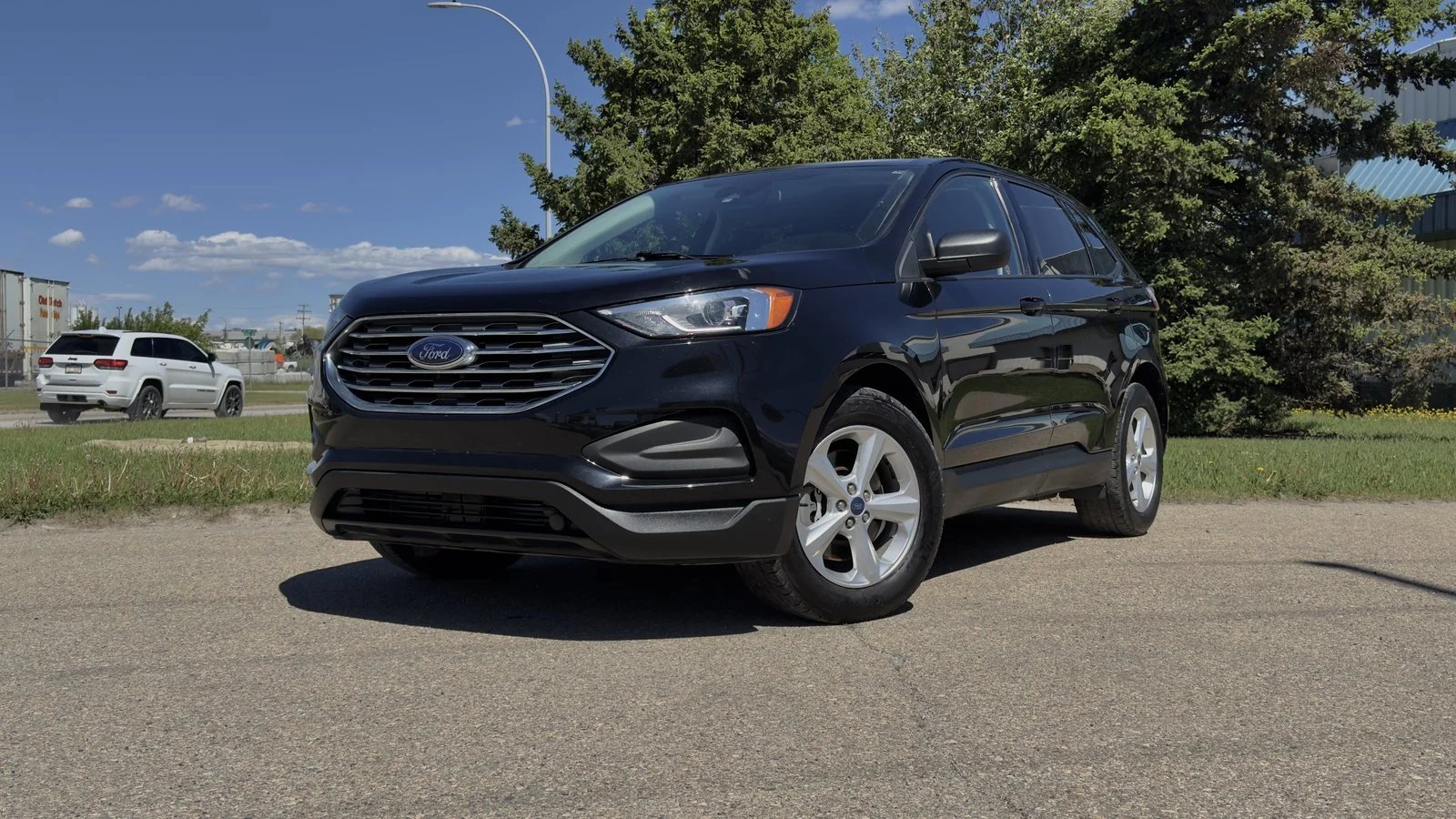
2020 Ford Edge SE
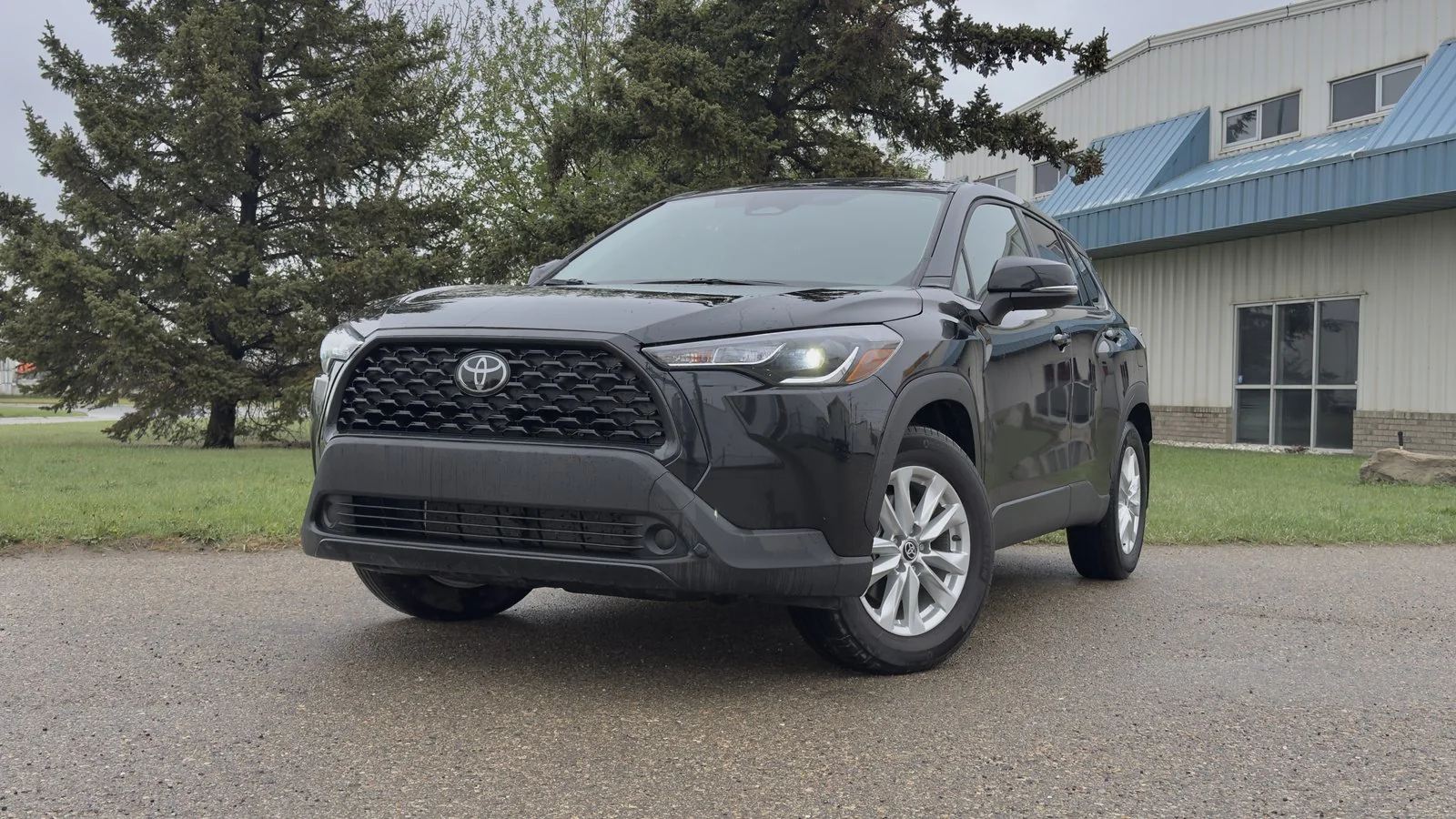
2024 Toyota Corolla Cross LE
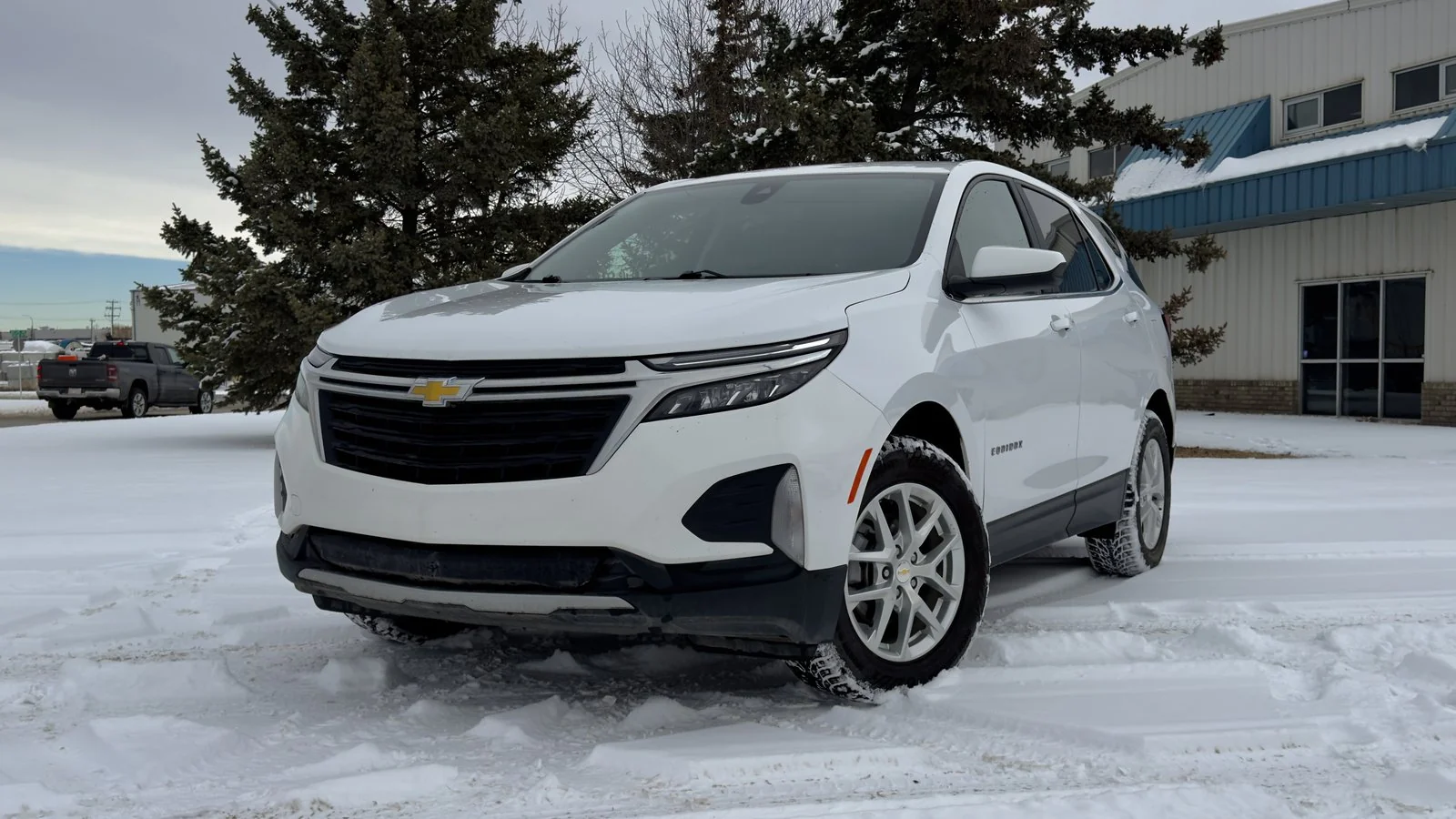
2022 Chevrolet Equinox LT
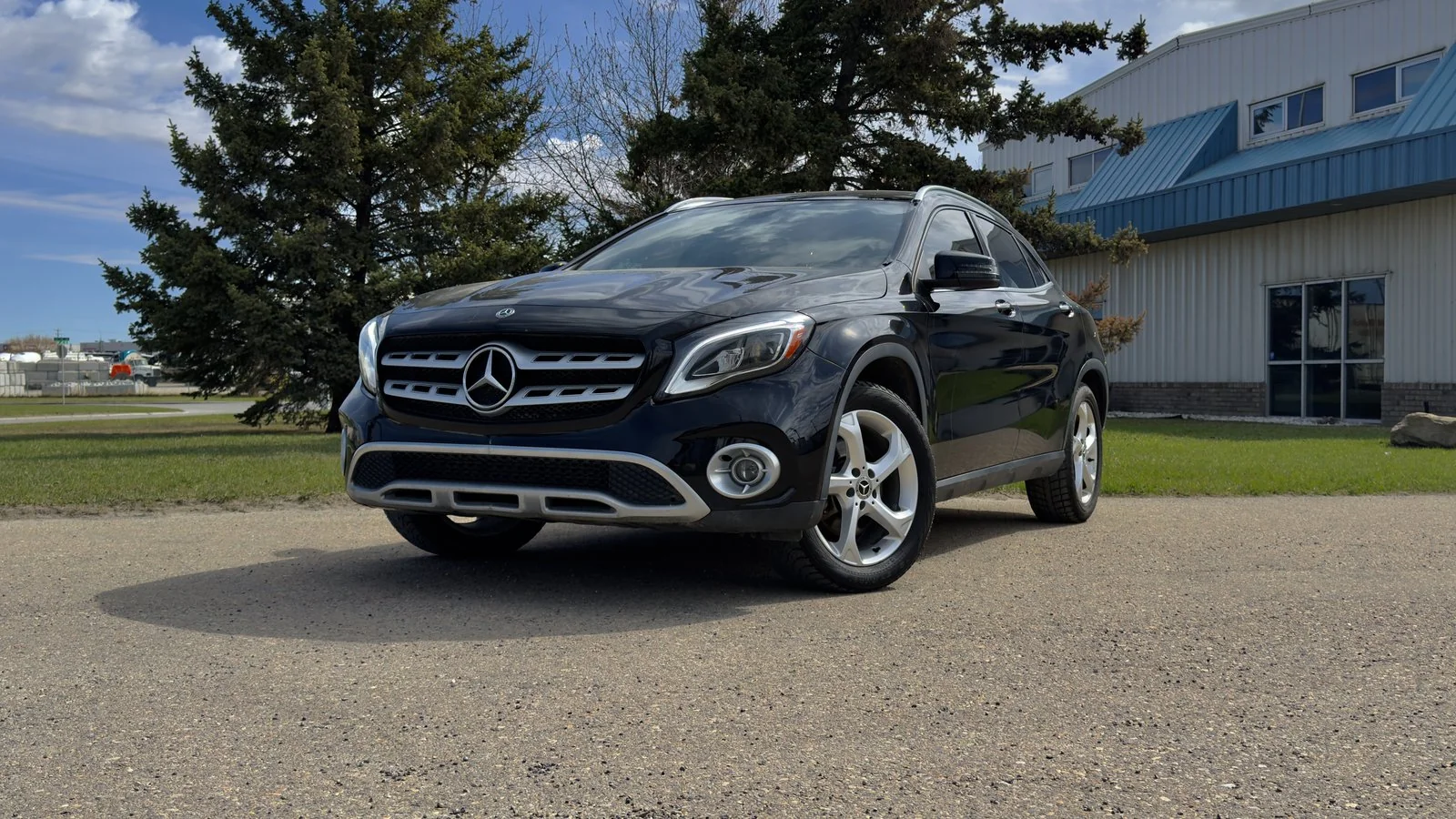
2020 Mercedes-Benz GLA250 4Matic
Not seeing it? We'll find it.
We source through our dealer partner network across Western Canada: 25,000+ vehicles to choose from. Tell us what you want and what works for your budget.
Find my car3 min · no credit impactOAC = on approved credit. Payments are examples at 6.49% APR over 84 months with $0 down, based on each vehicle's advertised price; GST extra. Your rate depends on your credit (4.99%–29.9% APR).
Ready to Get Started?
Now that you understand the process — apply in 3 minutes. All credit welcome.
5.0118+ Google ReviewsAMVIC LicensedFree Delivery 300km
Other Financing Options
Ready to Get Started?
Now that you understand how it works, take the first step. Apply online in 3 minutes or call us to talk through your situation.
No obligation. No pressure. Just honest answers about your options.