
Used Volkswagen Calgary
German engineering at mainstream pricing. 4MOTION AWD for mountain access, TSI turbo efficiency, and a 4-year bumper-to-bumper warranty no mainstream rival matches.
Key Facts
- Bumper-to-Bumper Warranty
- 4yr / 50,000 mi (best in mainstream)
- Powertrain Warranty
- 5yr / 60,000 mi
- VW Group Platform
- MQB (shared with Audi A3, Golf, Jetta)
- 4MOTION AWD Type
- Haldex 5th-gen rear-axle clutch
- Tiguan Global Sales
- 6M+ units worldwide
- TSI Engine (Tiguan 2018+)
- 2.0 TSI, 200 hp
- Avg Annual Maintenance Cost
- ~$676 / year (RepairPal)
- VW Group Brands
- Audi, Porsche, Skoda, SEAT, Lamborghini
Last reviewed: September 2026
4-Year Bumper-to-Bumper Warranty — The Best Basic Coverage in the Mainstream Market
162-point Independent Inspection on Every Vehicle
Check Your Options in 3 Minutes
No credit impact. All credit situations welcome.
★★★★★ 106+ Google Reviews · AMVIC Licensed · Free Delivery 300km
About Volkswagen Vehicles
Volkswagen's core proposition in the Canadian market is a specific kind of value: German engineering — the same group engineering DNA shared by Audi and Porsche — at a price point that doesn't require a luxury budget. That's not marketing spin; it's a structural fact of how VW Group allocates platform and powertrain development. The Tiguan and the Audi Q3 share architecture. The Jetta's platform underpins multiple VW Group vehicles at significantly higher price points. The TSI turbocharged direct-injection engines powering most VW products are the same basic engine family, tuned differently, as those found in Audi A3 and A4. When you buy a used Volkswagen, you are buying into an engineering ecosystem built to compete several tiers above its sticker price.
The 4-year/50,000-mile (approximately 80,000 km) bumper-to-bumper warranty is the most generous basic coverage among mainstream brands in the North American market. Comparable brands offer 3-year/60,000 km (Toyota, Honda, Mazda). VW's extra year of bumper-to-bumper coverage means a 2022 VW purchased new still has comprehensive factory protection through 2026 — relevant context if you're buying a recent used example. Note the honest caveat: this coverage is for the original registered owner at the bumper-to-bumper level, and like most brands, powertrain transfers differ. Verify remaining coverage with the VIN and original purchase documentation before factoring factory protection into your purchase decision.
4MOTION all-wheel drive uses a Haldex-based rear-axle clutch system to distribute torque intelligently between front and rear axles. Under normal conditions it operates in front-wheel drive mode to preserve fuel economy. When the system detects wheel slip — or in some calibrations, anticipates it based on steering and throttle inputs — it engages the rear clutch pack to restore traction. The practical result is a system that feels transparent in normal driving and confident in low-traction conditions. For Highway 1 access to Canmore and Banff, or Kananaskis back-road driving, 4MOTION provides the kind of quiet confidence that matters when the pavement ends or the temperature drops.
TSI (Turbocharged Stratified Injection) is VW's turbocharged direct-injection engine architecture. The combination of turbocharging and direct fuel injection allows smaller displacement engines to deliver strong torque — the 1.4 TSI and 2.0 TSI both produce usable low-end torque that makes them feel more energetic than their displacement suggests. The efficiency benefit in real-world mixed driving is genuine: a 2.0 TSI-powered Tiguan achieves fuel economy that a naturally aspirated 2.5L would struggle to match. The engineering trade-off is that direct-injected turbocharged engines can develop carbon buildup on intake valves over time (a segment-wide issue, not VW-specific), and early 1.4 TSI models (pre-2016) had documented timing chain tensioner concerns on high-mileage examples. The 2016+ revised 1.4 TSI and current 2.0 TSI are significantly cleaner records.
The Tiguan is VW Group's global best-seller, with over six million units sold worldwide. That scale translates into something tangible for used buyers in Alberta: parts availability, independent shop familiarity, and a liquid resale market. A used Tiguan is not an exotic purchase with a specialized service network — it's a mainstream vehicle with mainstream parts economics, delivered with the driving character and interior refinement that the VW Group platform brings.
Shift Happens carries used Volkswagen vehicles for Calgary and Airdrie buyers across all credit situations. We work with 21+ lenders to find terms that make sense for your budget.
German Engineering at Mainstream Price
The VW Group architecture shared across brands is the most important concept for understanding what you're actually buying when you purchase a Volkswagen. The MQB platform — Modular Transverse Matrix — underpins the Golf, Jetta, Tiguan, and directly related Audi A3 and Skoda Octavia. Platform sharing means that engineering investment in stiffness, NVH (noise, vibration, harshness), and safety structure is amortized across millions of units, allowing VW to deliver structural integrity at a per-unit cost that would be impossible if the platform were exclusive to one model. The result is a compact car or SUV with body rigidity, driving precision, and material quality that routinely surprises buyers expecting the price point to be visible in the product. The gap between a Jetta and a Civic — two directly competitive compact sedans — is subtle in the spec sheet but noticeable in the way the doors close, the way the chassis feels over rough pavement, and the tactile quality of the interior controls. VW has historically built for perceived quality at a level that's unusual for its price segment.
- •MQB platform: shared by Golf, Jetta, Tiguan, Audi A3 — engineering cost amortized at group scale
- •VW Group family: same parent as Audi, Porsche, Skoda, SEAT, Lamborghini
- •Door-close sound: a known benchmark — VW spends engineering effort on perceived quality cues
- •Jetta vs Civic comparison: VW wins on interior feel; Civic wins on total cost of ownership and reliability record
- •Material quality: consistently tests above segment average in tactile comparisons
4MOTION AWD for Mountain Access
4MOTION AWD uses a rear-axle Haldex clutch to distribute drive between front and rear wheels on demand. The system's normal operating mode is front-wheel drive — only engaging the rear axle when the front wheels lose traction or when driving dynamics call for rear torque support. This means zero fuel economy penalty in normal conditions and seamless AWD engagement when the surface changes. For Calgary drivers who regularly use Highway 1 toward Canmore and Banff, or who take the Kananaskis trail network in variable conditions, 4MOTION provides a level of confidence that standard front-wheel-drive VW models can't match. The Tiguan's 4MOTION calibration is tuned for SUV use — slower-speed transitions and higher rear torque capacity than the Golf R's sport-oriented version. In winter conditions, the system works in concert with Electronic Stability Control and ABS to manage understeer on packed snow, making the Tiguan one of the more capable SUVs in its class on icy mountain approaches.
- •Operating principle: FWD by default, rear clutch engages on demand — no standing fuel penalty
- •Haldex generation: 5th-gen Haldex (current Tiguan) is faster-responding than earlier variants
- •Mountain application: designed for sustained uphill AWD engagement under load
- •Electronic integration: works with ESC and ABS for integrated winter traction management
- •Fuel economy: 4MOTION adds approximately 0.5–0.8 L/100km versus FWD equivalent in real-world driving
TSI Turbo Technology: What Calgary Buyers Should Know
TSI engines combine direct fuel injection with turbocharging to achieve strong power output from small displacement. The 2.0 TSI producing 200 hp in the Tiguan is the version most Calgary buyers will encounter on the used market — it's the standard powertrain from 2018 onward. Key things to know when evaluating a used TSI-equipped VW: carbon buildup on intake valves is an industry-wide issue with direct injection (fuel spray doesn't wash the back of the intake valves), typically becoming noticeable around 100,000 km. A walnut-blast intake cleaning procedure ($200–$400) addresses it. Early 1.4 TSI timing chain tensioner issues (pre-2016) have been well-documented; the 2016+ revision largely resolved this. Cold-climate turbocharged engines benefit from an extended warm-up period — letting the oil circulate before hard acceleration preserves turbo bearing longevity. Alberta winters are particularly relevant here: a 2.0 TSI driven hard from a cold start in -20°C is working against its design parameters. The habit of a one-minute warm-up extends turbo life materially.
- •2.0 TSI (2018+ Tiguan): 200 hp, the standard used-market engine — clean reliability record
- •1.4 TSI (pre-2018): check timing chain tensioner service history on 2014–2015 models
- •Direct injection carbon buildup: inspect intake valves around 100K km; walnut blast is standard remediation
- •Cold-start protocol: allow 60-second idle before hard acceleration in sub-zero temperatures
- •Turbo oil feed: change oil on schedule (max 10,000 km intervals) — turbo bearings are oil-lubricated
- •2.0 TSI GTI-spec vs standard: same architecture but different tune; both have strong service records
What Our Customers Say
“Working with Shift Happens was a great experience. Dima and Luke were both professional, friendly, and always quick to respond. They made the process simple and stress-free.”
“Great experience with the team at Shift. The whole experience was easy from start to finish. Wes was quick to respond and answer all my questions. Luke was a dream with the paperwork.”
“The truck is gorgeous and it's exactly what they said it was. I recommend to anyone.”
Get pre-qualified for a Volkswagen
Soft credit check only — no impact on your score.
Frequently Asked Questions
How does Volkswagen 4MOTION AWD compare to Subaru symmetrical AWD?
4MOTION and Subaru's symmetrical AWD take fundamentally different approaches. Subaru's system splits torque between front and rear axles continuously, regardless of surface conditions — it's always in AWD mode. 4MOTION defaults to front-wheel drive and engages the rear axle on demand via a Haldex rear clutch. The practical difference: Subaru's system provides maximum mechanical AWD engagement at all times (marginally better in extreme conditions), while 4MOTION offers a better fuel economy compromise because it only engages AWD when needed. For typical Calgary winter use — commuting, occasional mountain trips — both are more than adequate. For deep off-road or sustained AWD application (steep sustained grades with slip), Subaru's constant engagement is the edge.
Is the Volkswagen TSI engine reliable in cold Alberta winters?
Yes, with appropriate maintenance habits. The 2.0 TSI (2018+ Tiguan and Golf) has a solid reliability record in cold climates. Two practices matter specifically for Alberta winters: allow a 60-second warm-up before hard acceleration in temperatures below -15°C (turbocharged engines need oil circulation before the turbo is under load), and adhere to oil change intervals no longer than 10,000 km (turbo bearings depend on clean oil). The 1.4 TSI in pre-2018 models had documented timing chain tensioner concerns — inspect service history on any 2014–2016 VW with this engine. The 2016+ revision largely resolved the issue, and 2018+ 2.0 TSI engines are clear of this concern.
Is a Jetta a better value than a Honda Civic on the used market?
They target different priorities. The Jetta wins on interior perceived quality — the cabin feels more substantial, the controls are more tactile, and the German-influenced build quality is visible in material choices that punch above the Civic's price. The Civic wins on long-term total cost of ownership: lower average repair costs (RepairPal data), higher used-market liquidity (more buyers = easier resale), and a broader independent service network. If you drive a lot, keep cars for 10+ years, or prioritize lowest cost-per-km, the Civic has the better numbers. If you spend significant time in the car and want the interior to feel premium, the Jetta delivers something the Civic doesn't.
How does the Volkswagen Tiguan compare to the Toyota RAV4?
The Tiguan and RAV4 are direct competitors with meaningfully different characters. The Tiguan offers a more refined driving experience — the MQB platform gives it car-like handling precision and better NVH control than the RAV4, and the interior quality is generally higher at equivalent trim levels. The RAV4 wins on hybrid availability (significant fuel savings in city driving), long-term reliability data, and resale value strength — Toyota's used-market demand keeps RAV4 values elevated, which is great if you own one and challenging if you're buying used. For a buyer who values driving refinement and cabin quality over badge security, the Tiguan is the more satisfying ownership experience. For maximum resale protection and ownership cost certainty, the RAV4 is the safer financial choice.
What are the typical maintenance costs for a used Volkswagen in Calgary?
Volkswagen's average annual maintenance cost is approximately $676/year (RepairPal), modestly above the industry average. This is higher than Japanese competitors (Mazda ~$462, Toyota ~$441) but significantly below German luxury equivalents (Audi ~$987, BMW ~$968). Independent VW-specialist shops in Calgary can service most models at competitive rates — VW does not require dealer-only service. The main cost variable is turbo maintenance: walnut-blast intake cleaning around 100K km ($200–$400), and adhering to oil change intervals to protect turbo bearing life. Buyers who maintain TSI engines properly typically see service costs track the RepairPal estimate or below.
What are the best years to buy a used Volkswagen Tiguan?
The second-generation Tiguan (2018+) is the right generation — larger wheelbase (available 3-row in some markets), significantly more interior room, and the current 2.0 TSI powertrain with a clean reliability track record. 2018–2020 represents the entry to this generation at the best used pricing. The 2021+ Tiguan received updated safety technology and infotainment. Avoid first-generation Tiguan (2009–2017): the 2.0 TSI in that generation had documented timing chain and high-pressure fuel pump issues that make pre-purchase inspection more critical and ongoing costs less predictable. The 2018 transition is the clear generational line to use as your floor.
Should I be concerned about VW diesel recall history on a used vehicle?
Dieselgate (the 2015 emissions defeat device scandal) applied specifically to 2.0 TDI and 3.0 TDI diesel engines in vehicles sold before the recall. VW offered buybacks and extended settlements for affected owners. Most affected Canadian TDI vehicles were either bought back, repaired under the settlement, or have clearly documented recall completion in their service history. When evaluating any pre-2018 VW diesel: check the VIN at Transport Canada's recall database and request documented recall completion. Post-settlement TDI vehicles (2016+ Passat TDI, newer Golf TDI) use SCR emissions systems and are not connected to the original recall. If the VIN shows the recall as completed and documented, the remaining concern is the mechanical condition of the engine itself — not the emissions history.
Financing Resources
Whether you have great credit or are rebuilding, we work with all credit situations. Explore our financing guides to understand your options before you apply.
Volkswagen in stock now
Browse all inventory →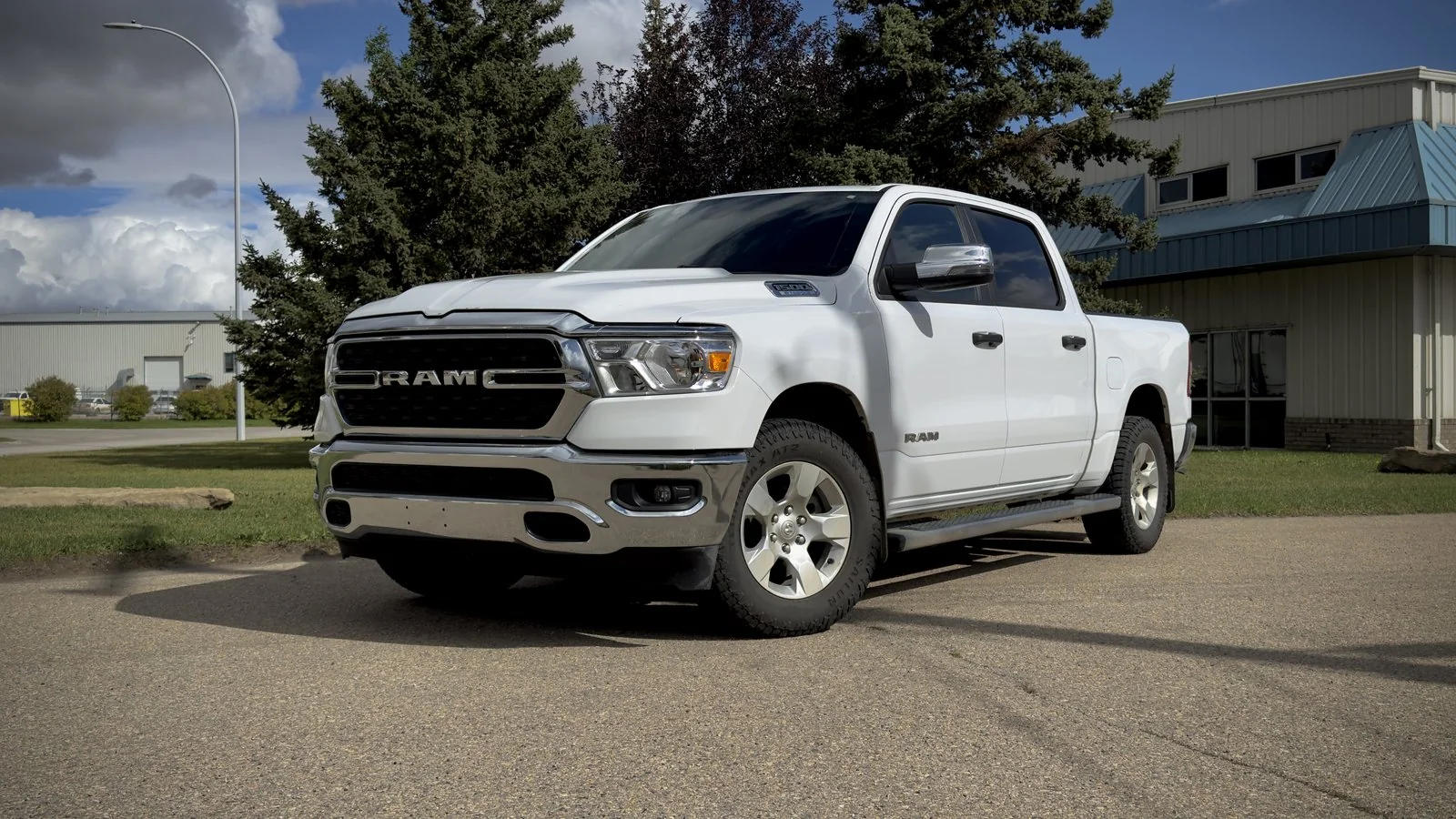
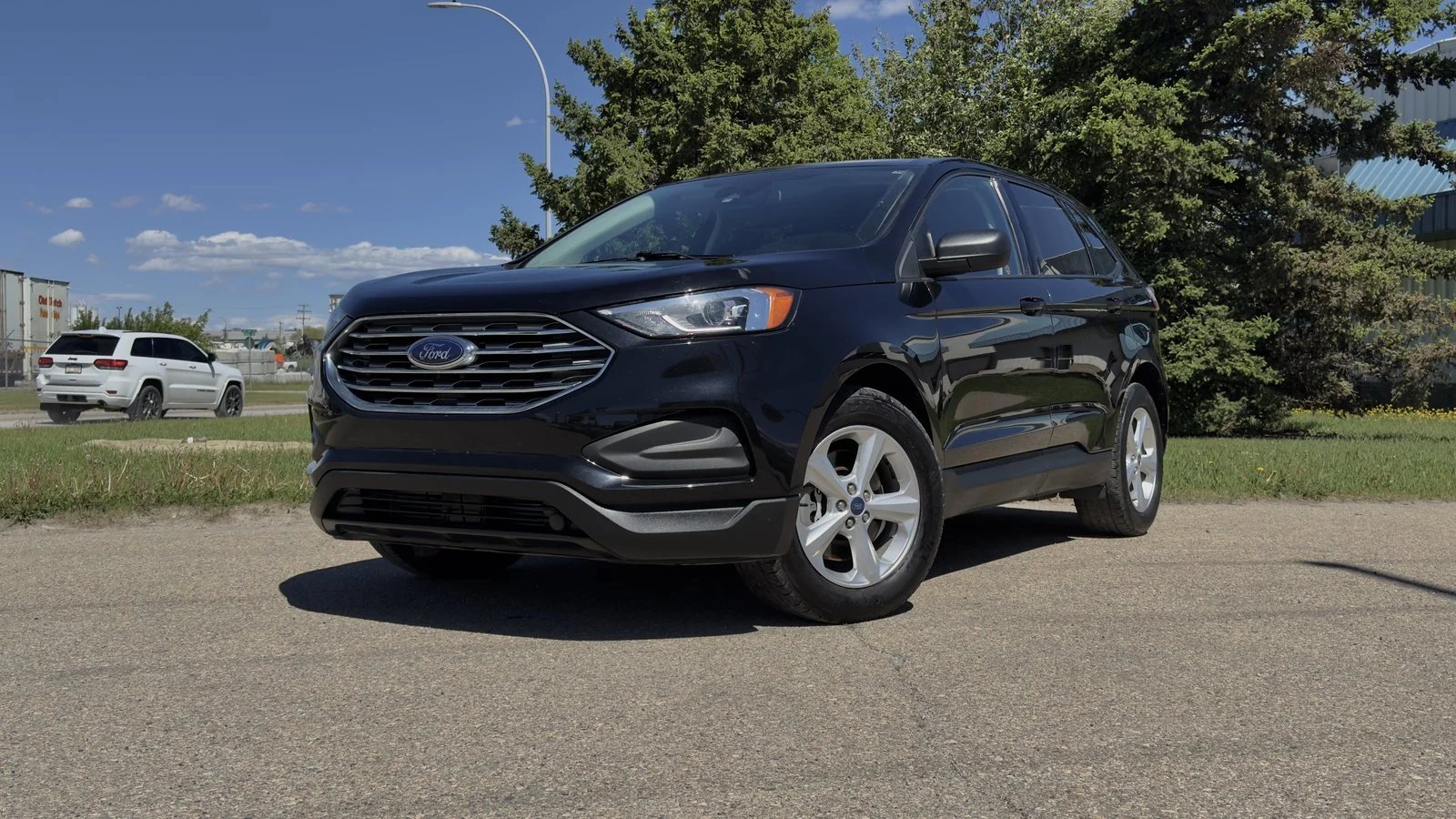
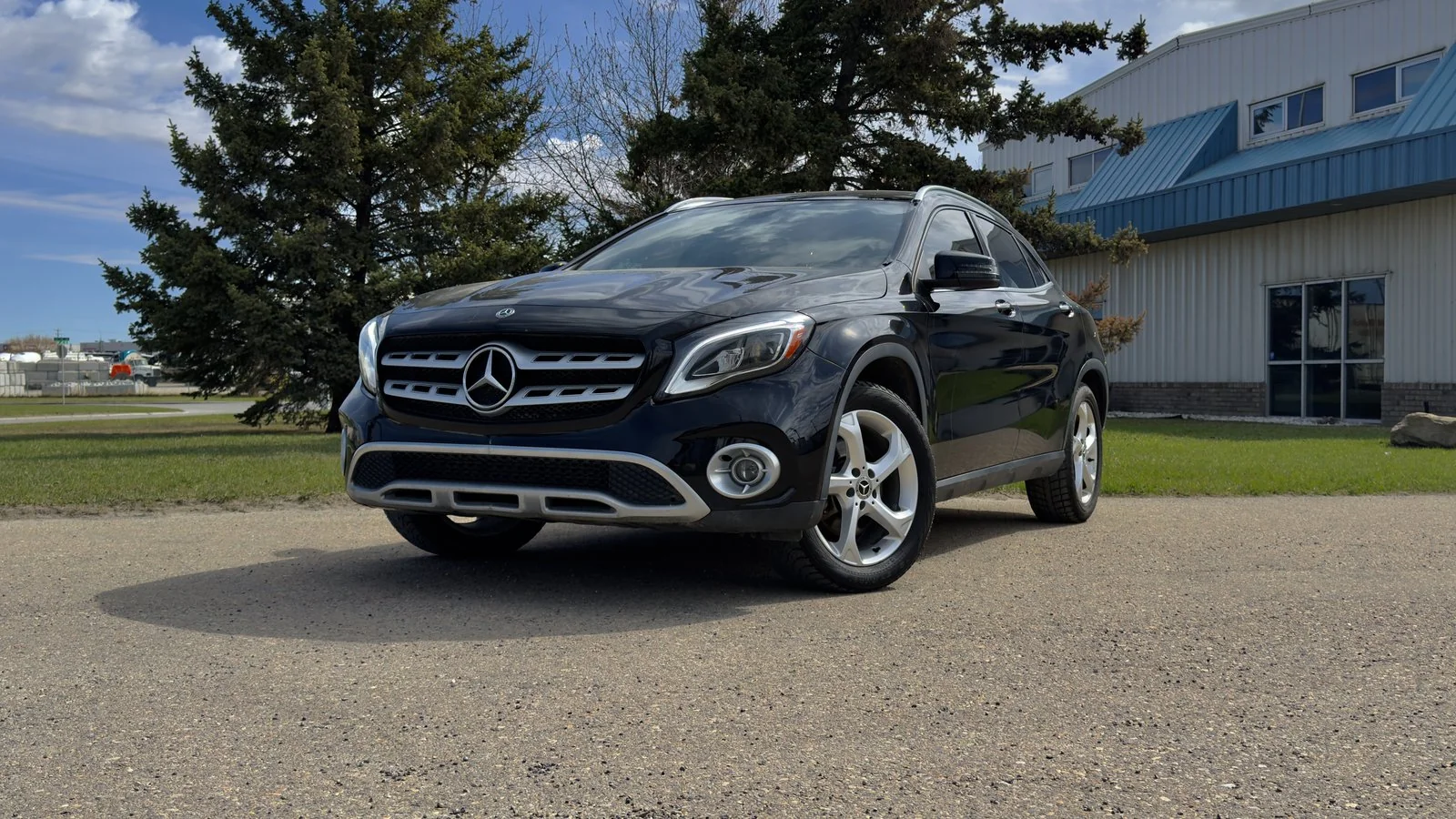
Related Resources
More information on related topics and situations.
Financing Options
Latest Buyer Guides for Alberta Shoppers
Research before you buy — practical guides on financing, trade-ins, and finding the right vehicle.
Ready to Get Behind the Wheel?
Apply for financing in 3 minutes. We work with all credit situations — from perfect credit to rebuilding. Decision within 24-48 hours.