
What Credit Score Is Needed for a Car Loan in Canada?
Approval thresholds vs best-rate thresholds — what score you need at each lender tier, and what actually changes at each boundary.
Last reviewed: October 2026
Find Out Your Tier in 3 Minutes
No credit impact. Know where you stand before you shop.
5.0118+ Google ReviewsAMVIC LicensedFree Delivery 300km
Key Facts
- Minimum credit score
- No hard minimum to apply. Your score mostly changes the rate (4.99%–29.9% APR).
- Best Rate Score
- 750+
- Tier Boundary
- 650 near-prime
- Lender Network
- 21+
What Credit Score Is Needed for a Car Loan in Canada?
There's no hard minimum score to apply. What changes with your score is the rate tier: 750+ earns prime rates (4.99–8.9%), 650–749 near-prime (6.9–12.9%), 500–649 subprime (7.9–24.9%), below 500 deep subprime (19.9–29.9%).
For the Alberta rate for each score band, see Alberta car loan rates.
Approval vs Best Rate: Two Different Questions
The question "what score do I need?" actually has two answers — and they are very different numbers. If the question is "what score do I need to get approved," the answer is that there is no hard minimum score to apply. Specialized subprime lenders review applications at every credit score level, and your income, down payment, and vehicle selection shape the offer.
If the question is "what score do I need to get a good rate," that is a more meaningful question — and the answer is 650 for near-prime access, 750 for prime competition. Those two score thresholds are the real boundaries where your rate changes meaningfully. Knowing which question you are actually asking helps you plan your strategy correctly.
Score Thresholds by Lender Tier in Canada
| Tier | Score Range | Lender Access | Best Rate? | Typical Rate | Key Factor |
|---|---|---|---|---|---|
| Deep Subprime | 300–499 | Specialized programs | No | 19.9–29.9% | Income stability and down payment weighted most heavily |
| Subprime | 500–649 | Many subprime lenders | No | 7.9–24.9% | Employment history and vehicle selection matter significantly |
| Near-Prime | 650–749 | Prime and subprime lenders | Near-best | 6.9–12.9% | Strong approval odds; income verification still standard |
| Prime | 750+ | All lenders compete | Yes | 4.99–8.9% | Lenders compete for your file; you hold the leverage |
Rate ranges are illustrative. Actual rates depend on lender, vehicle, term, income, and full credit profile.
If your score is around 600, here is what a 600 score can borrow on steady pay.
What Changes at the Key Score Boundaries
At 500: subprime lender access
Crossing from deep subprime (below 500) to subprime (500+) opens a significantly larger pool of specialized lenders. Below 500, the file requires more compensating factors — stronger income, larger down payment, or a co-signer. At 500+, more lenders compete for your application on income alone.
At 650: near-prime threshold
Crossing 650 opens access to prime lenders like TD Auto, RBC, and CIBC in addition to specialized subprime lenders. You go from a one-tier market (subprime only) to a two-tier market. At each tier's typical rate (16.9% vs 9.9%), a $20,000 loan over 72 months costs about $5,300 less in interest.
At 750: prime competition
At 750+, lenders compete for your business rather than evaluating your risk. Banks, credit unions, and specialty lenders all want prime-tier borrowers. Rate offers improve, conditions relax, and your negotiating position strengthens. If you are within reach of 750, investing a few months in credit improvement before applying can be worth thousands.
Score vs. Full File: Lenders Look at Both
Frequently Asked Questions
What credit score do I need to get approved for a car loan in Canada?
There's no hard minimum score to apply. The score that matters is what tier you fall into: prime 750+, near-prime 650–749, subprime 500–649, and deep subprime programs cover 300–499. The score needed for approval is different from the score needed for a good rate.
What credit score do you need to get a good rate on a car loan in Canada?
A score of 750+ puts you in the prime tier where lenders compete aggressively for your business and rates are typically 4.99–8.9%. A score of 650–749 (near-prime) earns rates in the 6.9–12.9% range. Below 650, you are in subprime territory (7.9–24.9%), and the specifics of your file decide where in that range you land.
Does a 600 credit score qualify for a car loan in Canada?
Yes. A 600 score is in the subprime tier (500–649) — above deep subprime but below near-prime. Many specialized lenders serve this range. Expect rates in the 7.9–24.9% range, with income verification and potentially a down payment required. The exact offer depends on income stability, employment tenure, vehicle selection, and down payment.
Does checking my credit score hurt my chances of getting a car loan?
Checking your own score (a 'soft pull') has zero impact. The hard inquiry made when a lender checks your credit does affect your score slightly — typically 3–7 points. However, all auto loan inquiries made within a 45-day window count as a single inquiry under Canadian credit bureau rules. Applying through a dealership that shops 21+ lenders generates one inquiry, not 21.
What credit score do I need to get a car loan from a bank in Canada?
Major banks (TD, RBC, BMO, Scotia, CIBC) typically require a minimum of 650–680 for auto loan approval, with better terms starting around 720. Banks are prime lenders — they do not typically compete for subprime borrowers. If your score is below 640, your best path is through a dealership with access to specialized subprime lenders who serve that tier by design.
How is the credit score needed for a car loan different from what a mortgage needs?
Auto loan approval thresholds are substantially lower than mortgage thresholds. Conventional mortgages in Canada require a minimum 680 score at most lenders, with the best mortgage rates from about 720. Insured mortgages (under $1M, less than 20% down) require minimum 600 at federally regulated lenders. Auto loans, especially through dealership networks with subprime lenders, have no hard minimum score to apply. The secured nature of auto loans — lender can repossess the vehicle — makes them more accessible at lower scores.
One application — 21+ lenders.
We submit your file once and shop every lender that fits your profile, from deep-subprime specialists to prime lenders, including major-bank programs we can access through our lender network.
What Our Customers Say
“Luke and Wes are a fantastic team! I purchased a Lincoln Corsair in pristine condition. They got me the best interest rate for my financing and even helped me find the best insurer.”
“Dealt with Luke and Wes. It was one of the best car buying experiences I have ever encountered. I went back to buy another vehicle from these guys as they are just so easy to deal with.”
“Excellent service, very happy with my ride, thank you Luke and Wes!”
Cars you could drive home
See all inventory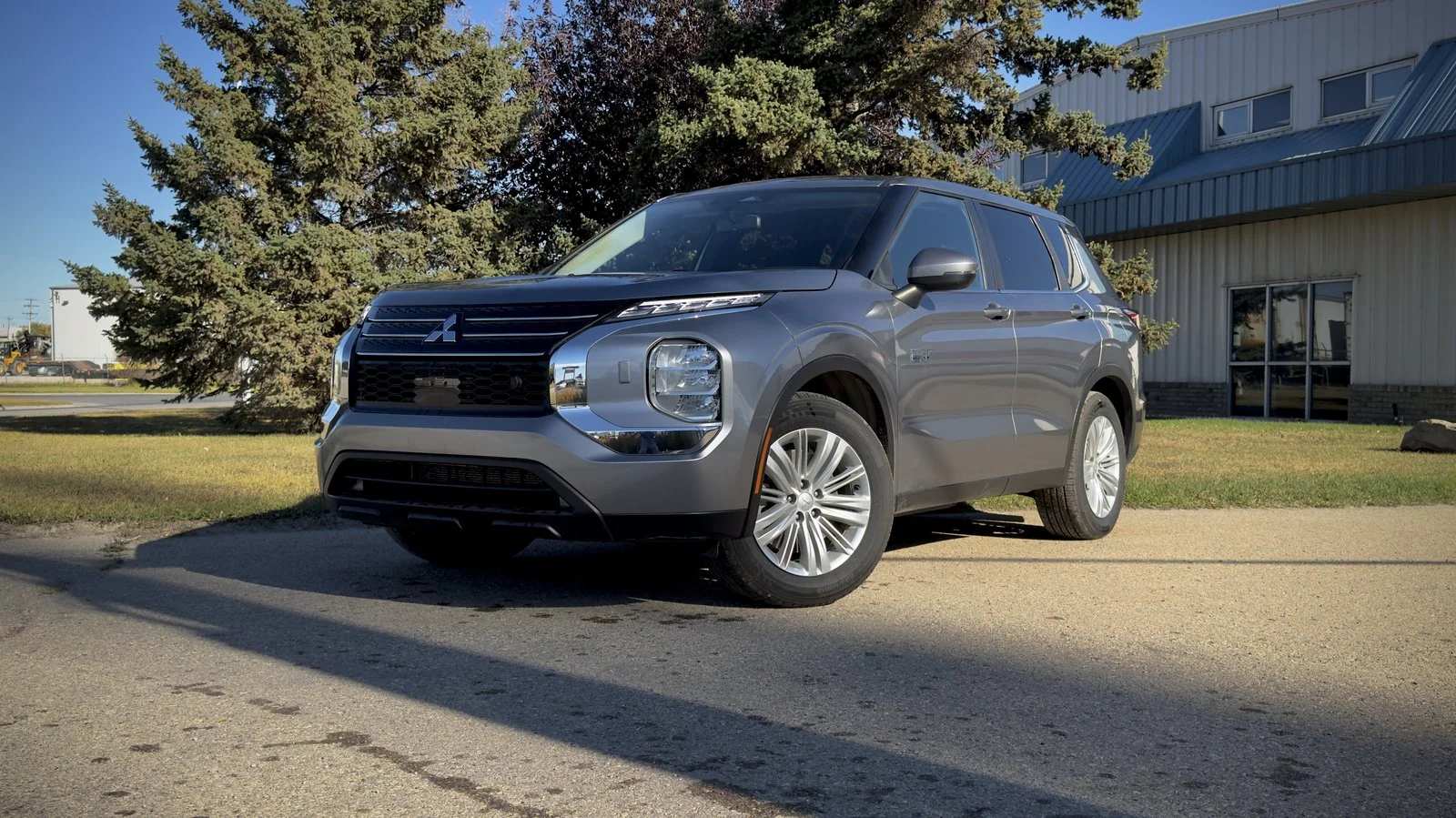
2023 Mitsubishi Outlander ES PHEV

2021 Land Rover Range Rover Evoque R-Dynamic HSE
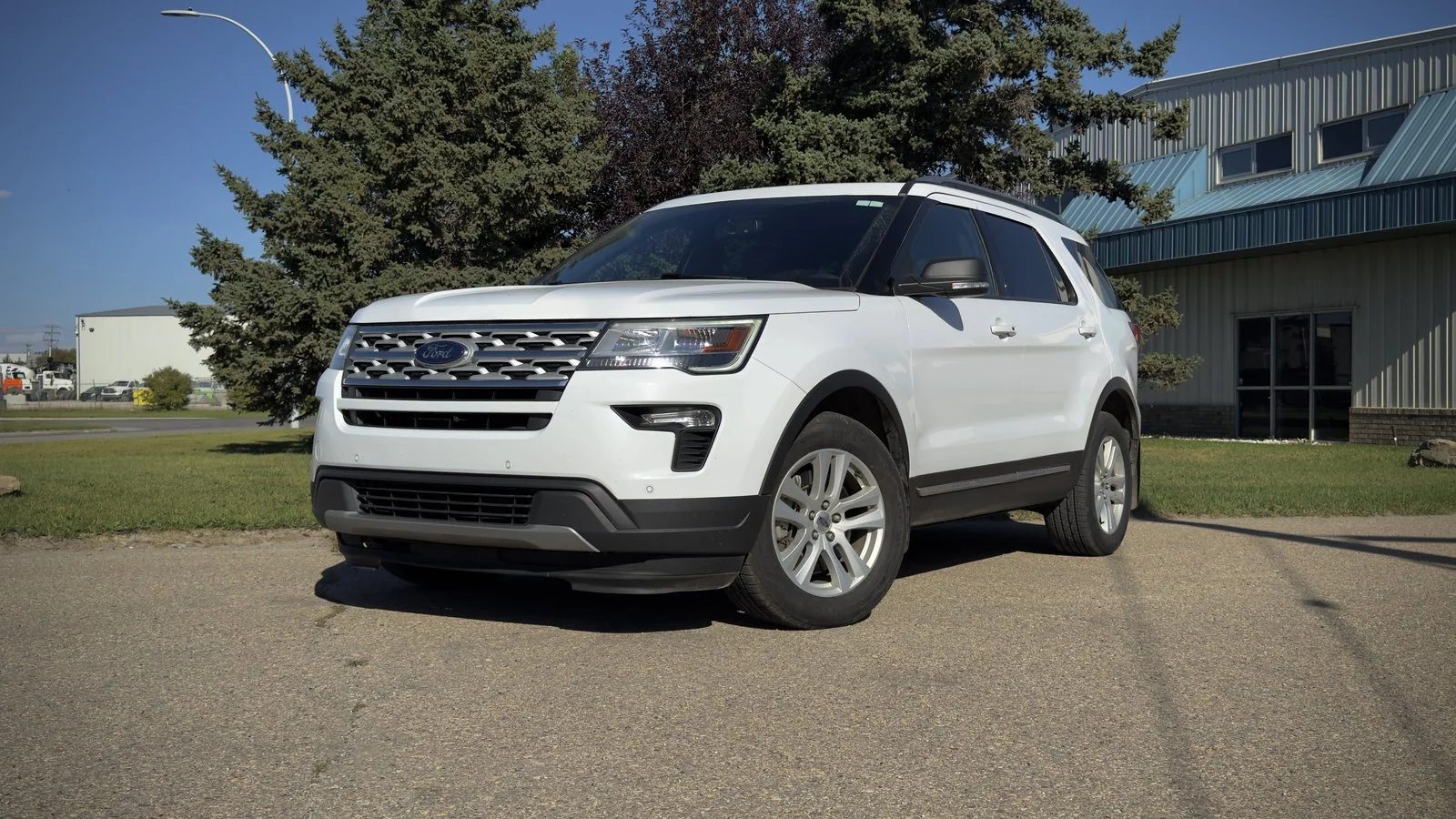
2019 Ford Explorer XLT
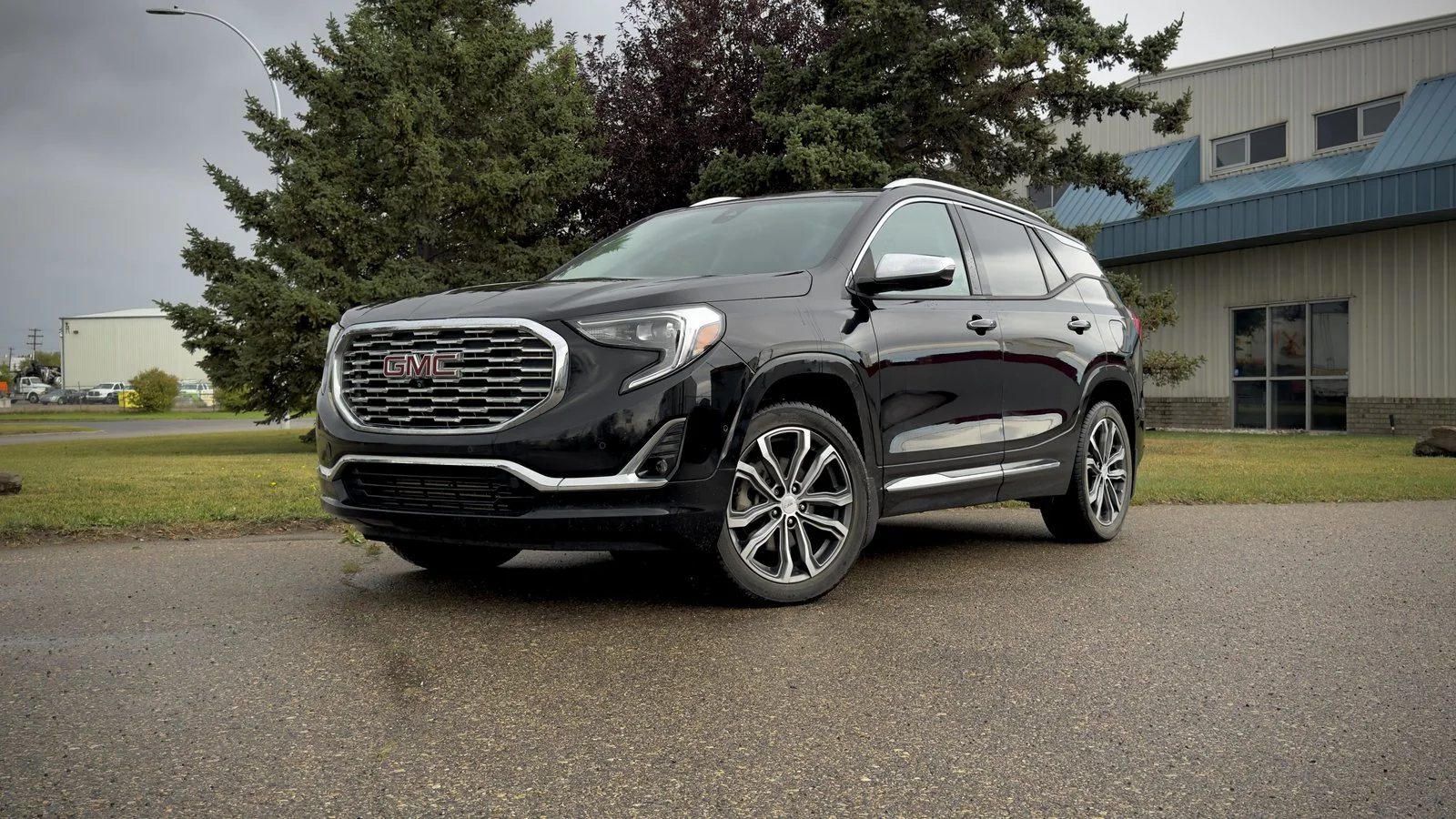
2020 GMC Terrain Denali
Not seeing it? We'll find it.
We source through our dealer partner network across Western Canada: 25,000+ vehicles to choose from. Tell us what you want and what works for your budget.
Find my car3 min · no credit impactOAC = on approved credit. Payments are examples at 6.49% APR over 84 months with $0 down, based on each vehicle's advertised price; GST extra. Your rate depends on your credit (4.99%–29.9% APR).
Find Out Your Tier in 3 Minutes
No credit impact. Know where you stand before you shop.
5.0118+ Google ReviewsAMVIC LicensedFree Delivery 300km
Deeper on This Topic
Pick the angle that fits your exact situation.
Know Your Tier Before You Shop
We will tell you exactly where you stand across 21+ lenders, OAC. No surprises at the desk.