
Complete Month-by-Month Winterization Guide for Calgary: October to March
In this article
- October: The Setup Month — Do This Before Winter Hits
- Tire Swap: The October Non-Negotiable
- Coolant System: Test Before You Trust
- Battery Load Test
- October Checklist Summary
- November: The Freeze-Prep Month
- Block Heater: Verify It's Working
- Washer Fluid: Get the Right Product
- Emergency Kit Assembly
- Check Your Heat System
- December: Cold Start Protocols and Fuel System
- Cold Start Routine
- Fuel Line Issues and Prevention
- December Checklist Summary
- January: Deep Freeze Protocols — When -30°C Is Your Reality
- Battery Tender Use
- Cold Weather Tire Pressure
- Parking on Hills in Ice: The Calgary-Specific Problem
- Plug-In Parking in Downtown Calgary
- February: Salt Damage and Undercarriage Protection
- Undercarriage Washes: Non-Optional in February
- Brake Check After Sustained Cold
- March: Spring Transition and Damage Assessment
- Post-Winter Inspection Priorities
- The Chinook Effect: Freeze-Thaw Cycle Damage
- When to Switch Back to Summer Tires
- Vehicles That Handle Alberta Winters Best
- Related Buyer Guides
- Compare and Apply
Check Your Options in 3 Minutes
No credit impact. All credit situations welcome.
5.0118+ Google ReviewsAMVIC LicensedFree Delivery 300km
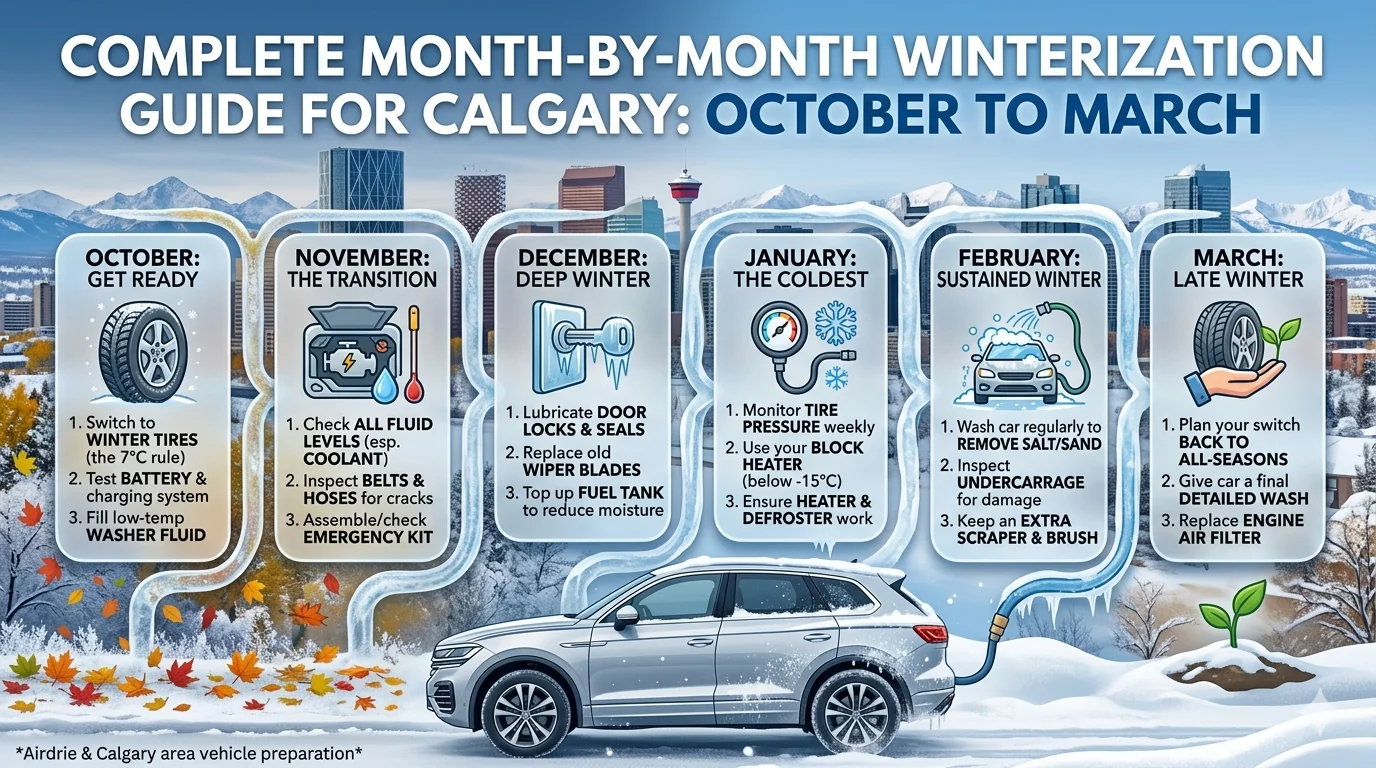
Most winter car care advice hands you a generic checklist and calls it a day. Check your antifreeze. Get winter tires. Keep an emergency kit. Useful — but it treats Calgary's winter like a single event rather than what it actually is: a six-month progression of distinct challenges that require different responses at different times. The thing that damages your car in October is not the thing that gets you stuck in January, and the February mistake is not the March mistake.
This guide goes month by month. If you're driving in Calgary or anywhere along the Highway 2 corridor, the sequence and timing matter as much as the tasks themselves — because Calgary's chinook cycles, variable freeze-thaw patterns, and heavy road salt use create wear patterns you won't find in Edmonton's steadier cold. Here's what to do and when to do it.
October: The Setup Month — Do This Before Winter Hits
October is your window. The weather is still cooperative, shops have appointment availability, and you're ahead of the November rush. Everything you don't do in October, you'll be trying to squeeze in during the first cold snap — when every tire shop in the city has a two-week wait and you're driving on summer tires at -8°C.
Tire Swap: The October Non-Negotiable
Book your winter tire swap for early-to-mid October, not when the snow flies. Calgary's weather is unpredictable: it snowed on October 2nd in 2023, and several years have seen first significant snowfall before October 15th. If you don't own winter tires yet, our complete Alberta winter tire guide covers what to look for and what to spend.
If you're storing summer tires yourself: clean them thoroughly, store them flat or on a proper tire rack in a cool, dark space. Stacking tires on their sidewalls causes deformation over time. A garage (not outdoors under a tarp) is the right environment — UV exposure degrades rubber faster than cold does.
Coolant System: Test Before You Trust
Engine coolant degrades over time and loses its freeze protection and corrosion inhibitor properties. A coolant tester (inexpensive at Canadian Tire) tells you what temperature your current coolant protects to. Calgary regularly sees -25°C to -30°C in January and February — your coolant should protect to at least -40°C, which is the standard for Alberta mixes (50/50 antifreeze and distilled water).
Used vehicles are particularly prone to degraded coolant. If you don't know when the coolant was last changed, treat it as overdue and flush it in October. A coolant flush at an independent shop runs $80-$140. Far cheaper than a cracked engine block.
Battery Load Test
A battery that starts your car fine in September will fail at -20°C in January. The load test (different from a simple voltage check) measures how much current the battery can actually deliver under simulated cold conditions. Most shops and Canadian Tire locations do this free. Batteries that test under 70% capacity should be replaced before winter. A new battery at a shop runs $160-$280 installed — budget for it in October rather than roadside in February. Our battery maintenance guide for cold climates explains what CCA rating to look for in Alberta conditions.
October Checklist Summary
- Book and complete winter tire swap (early October)
- Coolant system test and flush if needed
- Battery load test — replace if under 70% capacity
- Check all fluid levels: brake, power steering, transmission, differential
- Inspect wiper blades — switch to winter-rated blades
- Test all lights (shorter days ahead)
November: The Freeze-Prep Month
November in Calgary is when the freeze arrives for real — but unpredictably, interspersed with warmth. The city regularly swings from +10°C to -15°C within the same week in November, and those transitions are where mechanical stress concentrates. Your car isn't failing in the cold; it's failing in the transitions.
Block Heater: Verify It's Working
Every vehicle sold in Alberta comes with a block heater — but they fail, and owners don't notice until it's -30°C and the car won't start. Testing your block heater takes two minutes: plug it in, wait five minutes, then touch the engine block near the heater element. It should be noticeably warm. A functioning block heater makes cold starts dramatically easier and reduces engine wear during startup — in extreme cold, most engine wear happens in the first 30 seconds before oil reaches operating temperature and pressure.
If your block heater cord is frayed, damaged, or corroded at the plug: replace it before it becomes a problem. New cords run $40-$80 at Canadian Tire or any auto parts store. Our full block heater guide covers installation, placement, and timing for maximum effectiveness.
Washer Fluid: Get the Right Product
This sounds trivial until you run out of washer fluid on the highway behind a semi truck in November. Use -40°C rated fluid, not the blue summer concentrate. Refill fully. Keep a spare jug in your trunk — washer fluid usage spikes dramatically in winter because road spray from treated highways is constant and salt-laden. A summer fluid that freezes in your washer reservoir or nozzles is worse than empty: it can damage the washer pump and block nozzles.
Emergency Kit Assembly
November is when you should fully stock your vehicle emergency kit. Calgary drivers on Highway 2 need this dialled in before serious cold arrives. The kit should include:
- Booster cables or a lithium jump starter (more reliable in extreme cold)
- Traction mats or a bag of sand/cat litter
- Ice scraper and snow brush (full-size, not the cheap short version)
- Emergency blanket, warm gloves, toque — stored in the car, not the house
- Flashlight with fresh batteries or a USB-chargeable version
- Small shovel (collapsible is fine)
- Snacks and water for if you get stuck
Check Your Heat System
Run your heater on high for 10-15 minutes in November and check that the heat output is strong and even. A weak heater in a used car is often a low coolant issue (check the reservoir), a stuck thermostat, or a clogged heater core. All of these are manageable if caught in November — none are pleasant to deal with mid-January.
December: Cold Start Protocols and Fuel System
December is when Calgary temperatures start regularly dropping below -20°C for extended periods, and the specific risks shift accordingly. Cold starts become the primary mechanical stress point, and fuel system issues begin appearing in older vehicles.
Cold Start Routine
Plug in your block heater for 2-3 hours before you plan to start the car. A timer (available at any hardware store for under $20) set to start 2-3 hours before your usual departure makes this automatic and doesn't waste electricity running it all night. On a cold start below -20°C: start the engine, let it idle for 60-90 seconds (not 10 minutes — modern fuel-injected engines don't need long warm-ups), then drive gently for the first 3-5 minutes while fluids reach operating temperature. Aggressive acceleration before the engine is warm causes disproportionate wear.
Fuel Line Issues and Prevention
Older vehicles (pre-2010, particularly carbureted or early fuel-injected) can develop fuel line issues in extreme cold, especially if moisture has entered the fuel system. For modern vehicles, this is rarely a concern with regular fill-ups — keeping your tank above a quarter full in winter reduces condensation in the fuel tank and keeps the fuel pump submerged (it relies on fuel for cooling).
Fuel line antifreeze (isopropyl alcohol-based products like Heat or Dry Gas) can help in older vehicles or if you've noticed hard starting in cold weather. Follow the product instructions — use sparingly in modern vehicles with sensitive fuel system components.
December Checklist Summary
- Set up block heater timer for 2-3 hour pre-start window
- Keep fuel tank above quarter-full at all times
- Check and top up washer fluid (you're using a lot of it)
- Verify parking brake: in extreme cold, wet brakes can freeze in the applied position — use your transmission to hold the car in most situations
- Inspect undercarriage for any accumulated snow/ice packing around brake components
January: Deep Freeze Protocols — When -30°C Is Your Reality
January in Calgary is when the weather gets serious. Temperatures below -30°C are not rare, and the challenges in deep freeze conditions are different from merely cold conditions. Batteries, tires, and lubricants all behave differently at the extremes.
Battery Tender Use
If your vehicle sits for more than 24-48 hours without starting in January (common if you work from home or travel), a battery tender (trickle charger) prevents the deep discharge that kills batteries in cold weather. A basic automatic battery tender runs $40-$80 and plugs into a standard outlet — connect it to your battery terminals and leave it. It maintains charge without overcharging. This is the single highest-return investment for vehicles parked in cold weather.
Cold Weather Tire Pressure
Tire pressure drops approximately 1 PSI for every 5-6°C of temperature decrease. If you set your tire pressure in October at +5°C and January temperatures hit -30°C, you've lost 6-7 PSI — potentially enough to affect handling, fuel economy, and tire wear significantly. Check tire pressure monthly in winter, and always check when temperatures have changed dramatically. Adjust to the placard specification (found on your door jamb) at the temperature you're measuring in, not the summer spec.
Parking on Hills in Ice: The Calgary-Specific Problem
Calgary's hilly topography and frequent ice events create a specific risk: parking on a slope when freezing rain or ice is forecast. A car on a hill with icy conditions and a frozen parking brake is at risk of rolling if the brake releases or was never fully engaged on the ice. Best practices: park in gear (manual) or in Park with wheels turned toward the curb. Never rely solely on the parking brake on icy hills. If you must park on a slope in ice conditions, chock your wheels with rocks or purpose-made chocks if available.
Plug-In Parking in Downtown Calgary
Downtown Calgary and many suburban commercial areas have block heater plug-ins at parking meters and in parkades. Many employers with outdoor parking provide plug-ins as well. If you're regularly parking downtown, use them — particularly when overnight temperatures are forecast below -20°C. The plug-in system in Calgary's core was designed precisely for Alberta's climate; it's free or low-cost and prevents the cold-start engine wear that accumulates over a winter of unheated parking.
February: Salt Damage and Undercarriage Protection
By February, Calgary roads have been heavily treated with salt, sand, and magnesium chloride for weeks. The accumulation of these materials on your vehicle's undercarriage is the most underestimated maintenance issue of the Alberta winter — and it's almost entirely preventable with one simple action.
Undercarriage Washes: Non-Optional in February
Road salt doesn't just cause surface rust — it accelerates corrosion of your vehicle's frame, brake lines, fuel lines, and wheel wells at an exponential rate when left wet. Calgary's chinook cycles (the warm spells that can briefly raise temperatures to +5°C or +10°C in February) are particularly damaging because they thaw and reactivate the salt that has built up all winter, pushing it into every crevice of your vehicle's undercarriage.
In February, aim to wash your vehicle — specifically the undercarriage — at least once every 2-3 weeks. Use an automatic car wash with an undercarriage flush setting, or take it to a manual wand wash and focus the spray on wheel wells, frame rails, and the area above the exhaust. Doing this after every major chinook (temperature spike above 0°C for more than 48 hours) is not excessive. Rust repair on frame rails costs $1,500-$4,000+. A car wash costs $15-$25.
Check our winter car care guide for the full list of what salt does to specific components and what rust-proofing products are effective for Alberta conditions.
Brake Check After Sustained Cold
Brake rotors can develop surface rust and pitting after extended cold-weather operation, especially if the vehicle sits for several days. This is usually resolved by a few moderate stops from road speed — the pads clean the rotor surface. But if you notice vibration, pulsation, or unusual noise after January sitting, have brakes inspected — a shop can quickly distinguish between early rotor damage and normal winter surface rust that clears on its own.
March: Spring Transition and Damage Assessment
March is the recovery month. Temperatures are rising, the worst of winter is behind you — but this is when the cumulative damage from the previous five months becomes visible. March is the month to assess and address before spring driving reveals expensive surprises.
Post-Winter Inspection Priorities
- Undercarriage inspection: Get the car on a lift or use a flashlight to check for new rust, damaged brake lines, and corroded connectors on electrical components near the wheels and frame
- Wheel well liners: Check that plastic liners are intact and not cracked — they protect brake and suspension components from road spray
- Windshield inspection: Winter chips and cracks expand in cold weather. Assess any damage while you can still potentially repair (vs. replace) the windshield
- Tire assessment: Check winter tire tread depth. The legal minimum in Alberta is 1.6mm, but winter tires lose effectiveness significantly below 4mm. Tires running at or under 4mm this March should be replaced before next winter, not in October when you're trying to book an appointment
The Chinook Effect: Freeze-Thaw Cycle Damage
Calgary's famous chinooks — warm westerly winds that can push temperatures from -20°C to +12°C in a matter of hours — cause a specific type of mechanical stress called thermal shock. Rubber seals, plastic components, and metal fasteners that expand and contract repeatedly through wide temperature swings fail faster than they do in steady cold. By March, inspect your door seals, trunk seals, and hood gaskets. Cracked or brittle seals let in water, road spray, and noise. Replacement seals are inexpensive; water damage inside door panels is not.
When to Switch Back to Summer Tires
The general rule: switch back to summer or all-season tires when overnight temperatures consistently stay above +7°C. In Calgary, this is typically mid-April, though some years March ends warm enough to make the swap earlier. Running winter tires in warm weather accelerates wear dramatically and reduces fuel economy. Don't rush the swap, but don't delay into May either.
Our spring vehicle maintenance checklist covers the full post-winter inspection in detail — including what to check on the suspension after a season of pothole-laden roads.
Vehicles That Handle Alberta Winters Best
Winterization is easier with the right vehicle to begin with. If you're shopping for your next used vehicle with Alberta winters in mind, all-wheel drive or four-wheel drive paired with good winter tires is the baseline — not AWD alone. Our guide to the best used cars for Canadian winters covers specific models ranked by winter capability, reliability in extreme cold, and total cost of ownership. The Subaru Outback consistently ranks as one of the best value AWD options available used in Alberta — strong ground clearance, symmetrical AWD, and a reputation for reliability in cold climates.
If your current vehicle isn't handling Alberta winters the way you need it to — or if winterization costs are reminding you it's time for something newer — Shift Happens Auto Sales works with all credit situations. We have inventory across all vehicle types, including trucks, SUVs, and AWD vehicles suited to Alberta's conditions. Start with our financing application or check our payment calculator to understand what fits your budget. Our team is in Airdrie, just north of Calgary — we know Alberta winters because we drive in them too.
Compare and Apply
- Best Subprime Dealers in Calgary (2026) — best subprime dealers in Calgary
Financing Resources
Cars you could drive home
See all inventory
2022 Lincoln Aviator Reserve
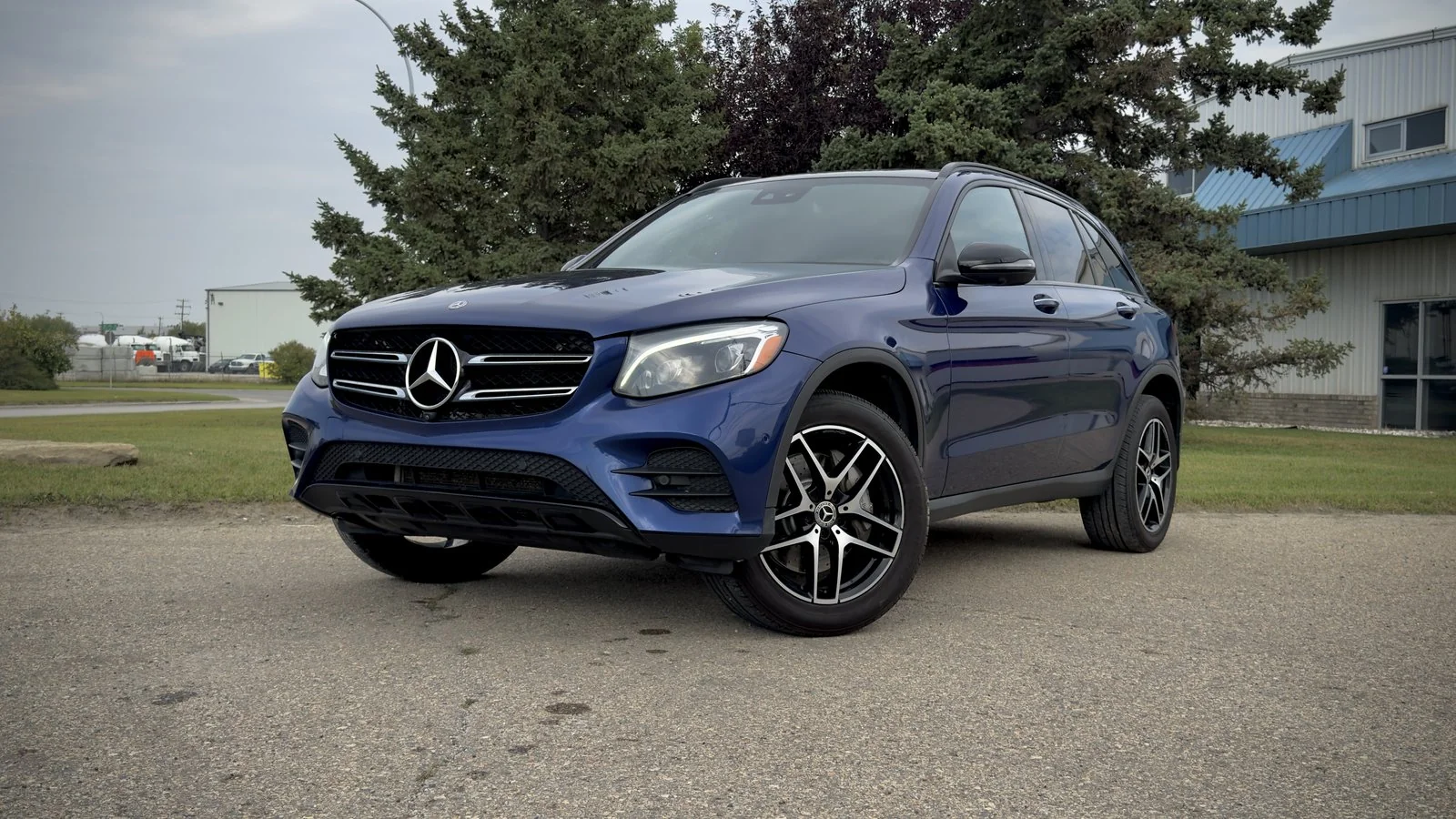
2019 Mercedes-Benz GLC-Class GLC300
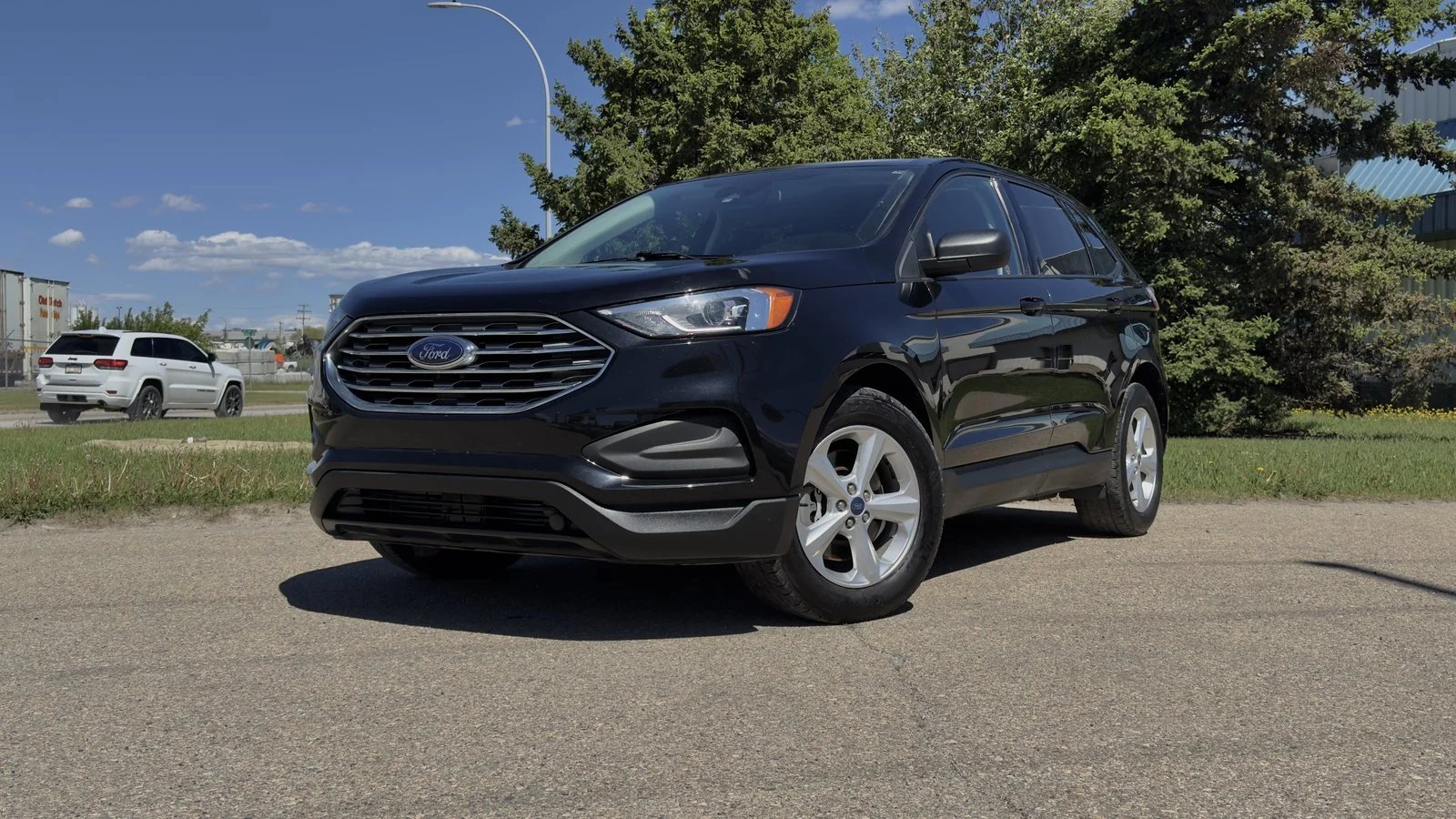
2020 Ford Edge SE
Not seeing it? We'll find it.
We source through our dealer partner network across Western Canada: 25,000+ vehicles to choose from. Tell us what you want and what works for your budget.
Find my car3 min · no credit impactOAC = on approved credit. Payments are examples at 6.49% APR over 84 months with $0 down, based on each vehicle's advertised price; GST extra. Your rate depends on your credit (4.99%–29.9% APR).
Related Articles

Ready to Find Your Vehicle?
Browse our inventory or apply for financing. All credit situations welcome.
5.0118+ Google ReviewsAMVIC LicensedFree Delivery 300km