
How International Students Build Canadian Credit Through a Car Loan
In this article
- Why No Canadian Credit History Is Such a Problem
- What International Students Need to Apply
- Identity and Status Documents
- Income Documentation
- Canadian Bank Account
- Cosigner Options: When and How They Help
- Which Lenders Work with International Students?
- The Right Vehicles for International Student Budgets
- Building Your Credit File Step by Step
- Insurance for International Students in Alberta
- After Graduation: What Your Credit History Unlocks
- Getting Started: Apply Through the Right Channel
- Related Buyer Guides
- Compare and Apply
Check Your Options in 3 Minutes
No credit impact. All credit situations welcome.
5.0118+ Google ReviewsAMVIC LicensedFree Delivery 300km
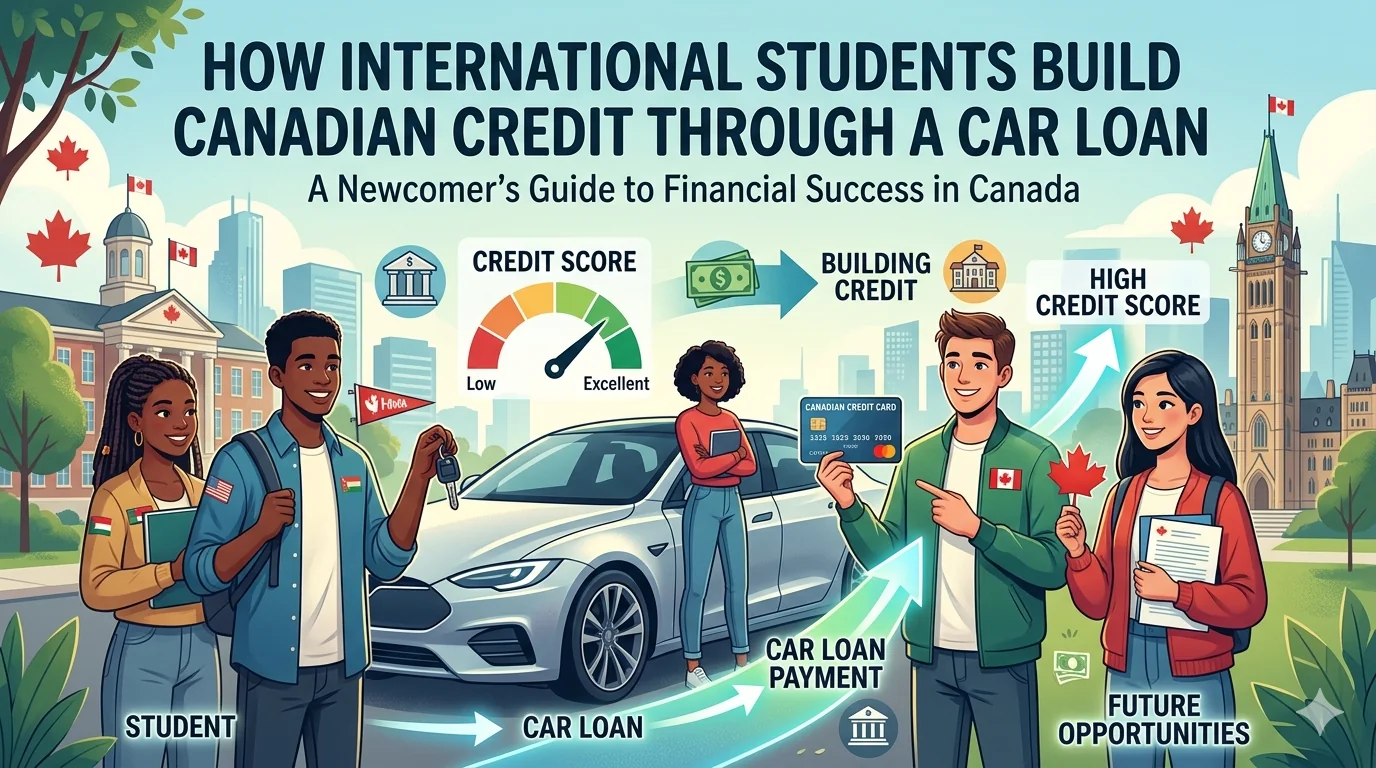
You landed in Canada, enrolled at a university or college, and quickly discovered that "no Canadian credit history" is a wall that shows up everywhere — rental applications, credit card approvals, even some cell phone plans. It's one of the most frustrating catch-22s in the newcomer experience: you need credit to build credit. What many international students in Alberta don't realize is that a car loan is one of the fastest, most structured ways to break through that wall — and the credit file you build during your studies can follow you for decades.
Why No Canadian Credit History Is Such a Problem
Your credit history from your home country — whether you had a perfect record in India, Nigeria, China, the Philippines, or anywhere else — does not transfer to Canada. Equifax Canada and TransUnion Canada are separate systems. When you arrive, your Canadian credit file is essentially blank. Lenders, landlords, and even some employers in Canada use your credit file as a measure of financial reliability, and a blank file reads almost the same as a bad one in many automated decision systems.
The traditional path for newcomers is to start with a secured credit card, use it carefully for 6-12 months, and slowly build from there. That works — eventually. But a secured card reports only one account. A car loan reports an installment account (different category than revolving credit like cards), and installment accounts are one of the most powerful credit-builders available because they demonstrate your ability to manage a fixed, structured monthly obligation over time.
When you make your car payment every two weeks or every month, that on-time payment gets reported to Equifax Canada and TransUnion Canada. Twelve months of on-time payments means 12 positive entries. Twenty-four months means 24. By the time you graduate and apply for a credit card, a rental apartment, or eventually a mortgage, you have a real Canadian credit history — not just a thin file with a single secured card on it.
What International Students Need to Apply
Lenders who work with international students understand the specific documentation picture. You won't have all the same documents as a Canadian-born applicant, but there are alternative documents that tell the same story. Here's what typically makes up a strong application:
Identity and Status Documents
- Valid study permit — this is non-negotiable. It confirms your legal right to be in Canada and gives lenders a clear sense of your timeline here.
- Passport — as your primary government-issued ID
- Student ID and enrolment letter from your institution — confirms active student status
Income Documentation
This is where international students often assume they don't qualify — because they think they don't have enough income. Many do, even on part-time hours. What matters is proof that money is coming in consistently and that it covers the payment plus basic living expenses. Acceptable income sources include:
- Part-time employment pay stubs (2 months minimum) — international students on a valid study permit can work up to 20 hours per week during the school year under IRCC rules
- Graduate funding letters — stipends, teaching assistantships, and research grants are real income
- Scholarship documentation — institutional scholarships that pay directly to the student count
- Bank statements showing regular deposits — 3 months, any consistent inflow
- Family support letter with wire transfer records — if parents send money regularly, a formal letter from them plus 3 months of bank statements showing the transfers can count as income in some lender assessments
More information on how lenders handle non-employment income is available in the non-traditional income car loan guide — it covers scholarship, family support, and gig income in more detail.
Canadian Bank Account
You need a Canadian bank account, ideally with 3-6 months of history. Most lenders want to see that your income lands there and that your spending patterns look stable. Open it as early as possible after arriving — the longer the account history, the better.
Cosigner Options: When and How They Help
A cosigner is a Canadian resident who agrees to be equally responsible for the loan. If you miss a payment, it affects their credit too. That's why asking someone to cosign is a significant request — you're asking them to share your financial risk.
For international students, common cosigner options include:
- A family member who is a Canadian permanent resident or citizen
- A Canadian friend with good credit who understands the commitment
- A guardian or host family member
A cosigner with strong Canadian credit (660+) and stable income can significantly improve your approval odds and potentially bring your interest rate down, especially in your first year when your own credit file is thin or nonexistent. The cosigner doesn't drive the car or own it — they're simply on the loan as a guarantor.
It's worth understanding the difference between a cosigner and a joint applicant before you ask anyone. Our guide on cosigner vs. joint applicant breaks down the legal and financial differences clearly — including what happens to the cosigner's credit score and how they can eventually be removed once you've built your own history.
That said, many international students with documented income and a valid study permit can qualify without a cosigner, particularly for lower-priced vehicles with modest loan amounts. The first-time buyer program is designed exactly for situations like this.
Which Lenders Work with International Students?
Not every lender in Canada is set up to handle non-resident or thin-file applications. Many traditional banks — the Big Five — have automated approval systems that treat "no Canadian credit history" as a hard stop. They're not wrong to be cautious, but they're not the only option.
Specialized subprime and alternative lenders that operate across Alberta are specifically structured to evaluate applications holistically — looking at your study permit timeline, income, down payment, and overall risk picture rather than just running a credit score and stopping there. These are the lenders in our network who see international student applications regularly and have approved them.
The multi-lender model matters here. When you apply through a single bank, they either say yes or no. When you apply through a dealership with access to 15+ lenders, your application gets matched to the lender most likely to approve your specific situation. For an international student with a study permit, part-time income, and no Canadian credit history, that matching process makes a real difference. If you're studying in Alberta, this page on car financing for newcomers and international students lists the documents lenders usually ask to see.
The Right Vehicles for International Student Budgets
Budget matters. Most international students aren't looking at $40,000 trucks — they need reliable transportation at a payment that works alongside tuition, rent, and living expenses. The good news is that the most reliable used vehicles at student-friendly price points are also the easiest to insure, cheapest to maintain, and most likely to hold their value if you need to sell when you graduate.
The Honda Civic consistently tops the list. Fuel efficient, inexpensive to insure, cheap to maintain, and extremely reliable. A used Civic in the $12,000-$16,000 range is a practical choice that won't surprise you with expensive repairs during your studies. The Hyundai Elantra is another strong option — slightly less on the used market, similar fuel economy, and Hyundai's reliability has improved dramatically on models from 2018 onward.
If your budget is tighter, the used cars under $15,000 inventory is worth browsing — there are reliable options in the Toyota, Honda, Hyundai, and Kia families that keep both the purchase price and the ongoing operating costs manageable on a student income.
For part-time workers commuting to campus or to a job, fuel economy is real money. At current Alberta fuel prices, the difference between a vehicle doing 8L/100km and one doing 12L/100km adds up to roughly $600-$800 per year at 15,000 km annually. That's a meaningful number when you're on a student budget.
Building Your Credit File Step by Step
The credit-building effect of a car loan is real, but it requires consistent execution. Here's how it works in practice:
- Month 1: Loan appears on your Equifax and TransUnion file as a new installment account. Your score may dip slightly due to the new inquiry and new account — this is normal and temporary.
- Months 1-6: On-time payments start building your payment history. This is the largest factor in your credit score (roughly 35%). Every payment reported on time adds a positive entry.
- Month 6: Most people start seeing meaningful score improvement around the six-month mark, assuming payments are on time and you haven't opened too many other accounts simultaneously.
- Months 12-18: Your file now has 12-18 months of positive installment history. This is enough to qualify for unsecured credit cards, better cell phone plans, and to show landlords a real credit record.
- Months 24+: A two-year track record of on-time car payments plus a credit card or two puts you in legitimate near-prime territory. You're now a bankable Canadian borrower.
The detailed breakdown of how car payments build credit explains the scoring mechanics behind this — including how Equifax and TransUnion weight different account types and how long positive entries stay on your file.
You can also explore the first car loan credit-building program — specifically designed to set up new-to-credit borrowers with a loan structure that maximizes credit-building impact.
Insurance for International Students in Alberta
Alberta auto insurance is mandatory, and for new drivers — or drivers without a Canadian insurance history — premiums can be notably higher. Here's how to manage it:
- Get quotes before you commit to a vehicle. Insurance cost should be part of your total monthly budget calculation, not an afterthought after you've fallen in love with a specific car.
- Check if your home country driving history transfers. Alberta insurers may give you credit for years of driving experience in your home country — ask explicitly. Some companies accept foreign driving records; others don't.
- Choose a low-theft, high-safety-rating vehicle. Honda Civics, Toyota Corollas, and Hyundai Elantras generally insure for less than sports cars or larger trucks.
- Consider usage-based insurance. Some Alberta insurers offer app-based programs where you earn discounts for demonstrating safe driving behavior over a period of months. For a careful driver, this can reduce premiums 10-25%.
- Ask about student discounts. Some insurers offer them. It's worth asking specifically — they're not always advertised.
After Graduation: What Your Credit History Unlocks
The downstream value of 24-36 months of on-time car payments in Canada is hard to overstate. By the time you graduate and transition to a post-graduation work permit (PGWP) or permanent residency application, you'll have:
- A real Canadian credit score (likely 650+ with clean payment history)
- An established installment account on your credit file
- A track record that makes you bankable for a mortgage, apartment, or business credit
- A vehicle that's served you through your studies and might have equity to put toward a next purchase
Many lenders in Canada require 2 years of Canadian credit history before approving a mortgage. If you start building that history in year one of your studies, you could arrive at graduation mortgage-ready — a significant financial advantage over starting from scratch when you begin working.
Getting Started: Apply Through the Right Channel
The international student car financing page covers the specific documentation checklist and what to expect in the application process. When you're ready to apply, submit your financing application online and our team will review your specific situation — study permit, income, credit picture — and match you with the lenders in our network most likely to work with your profile.
We serve students from the University of Calgary, Mount Royal University, SAIT, Ambrose University, and institutions across Alberta. If you're studying in Calgary or the surrounding area, our Airdrie location is an easy drive up Highway 2, and many students come to us specifically because we understand the newcomer financing picture in ways that larger banks don't. There's no obligation to apply, and the process takes about 20 minutes.
Building Canadian credit takes time. Starting sooner means you finish sooner. A car loan, done right, is one of the most effective ways to make that happen.
Compare and Apply
- Bad Credit Car Loans — Complete Guide — Alberta's subprime auto financing guide
Financing Resources
Cars you could drive home
See all inventory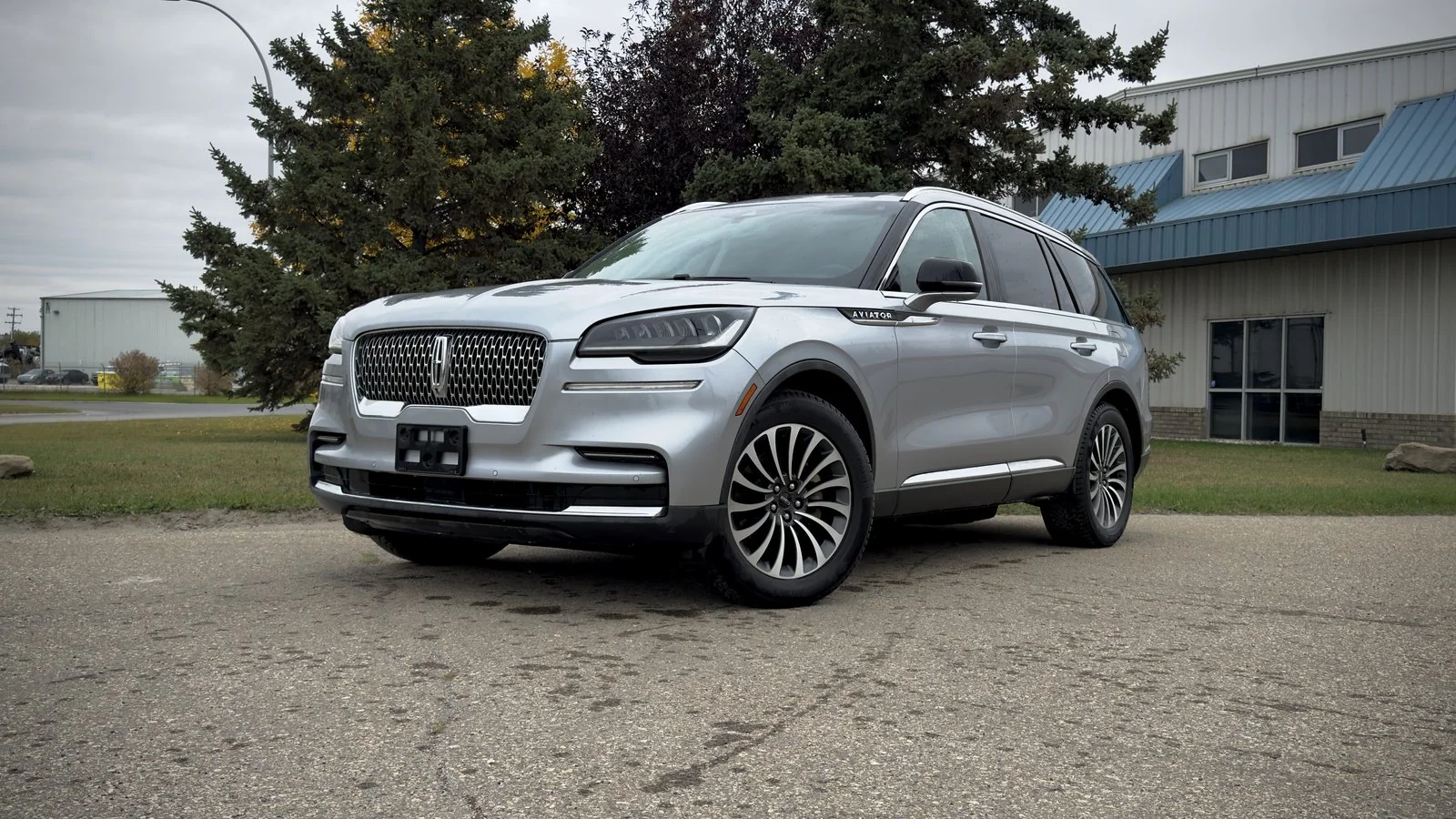
2022 Lincoln Aviator Reserve
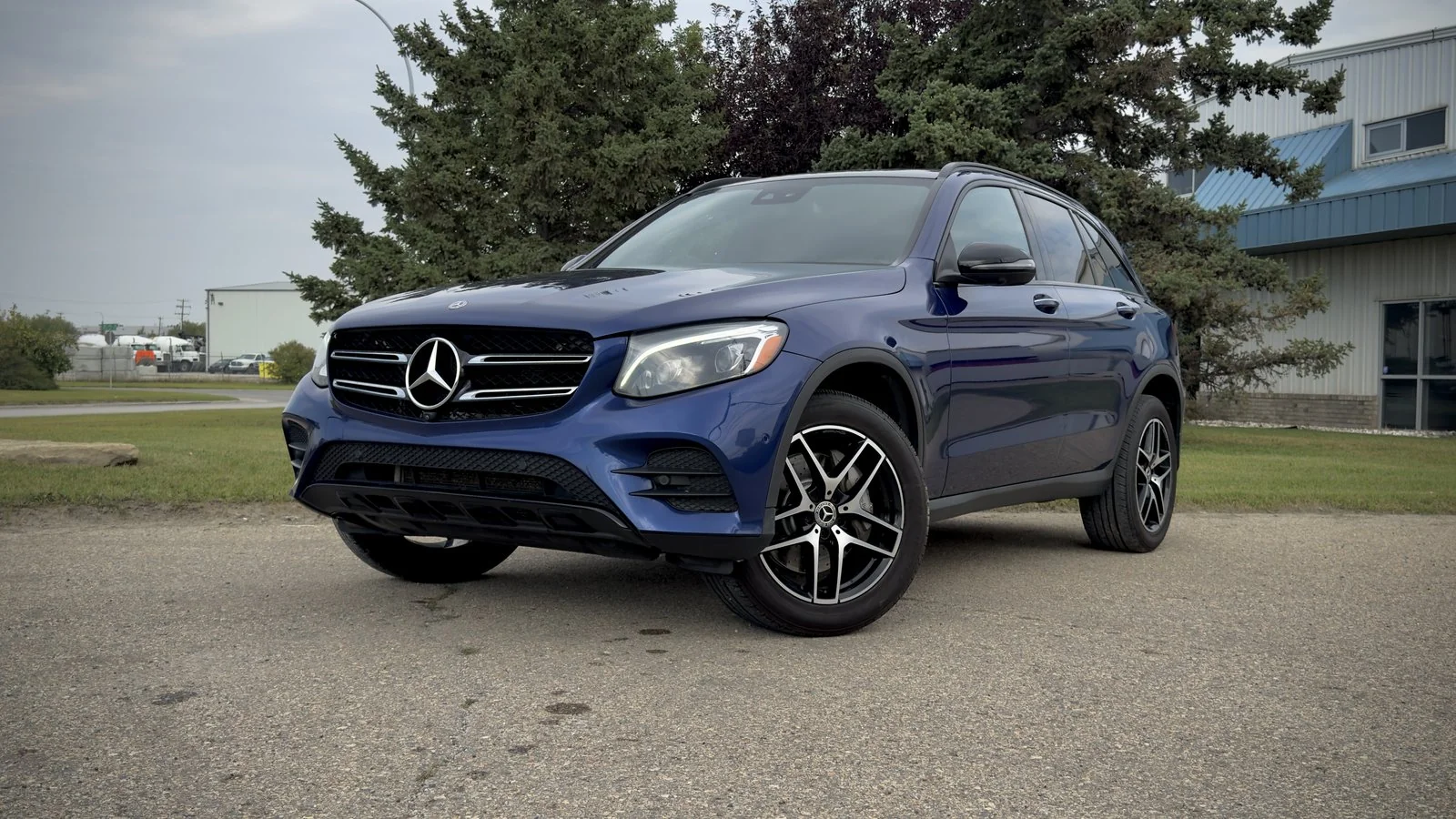
2019 Mercedes-Benz GLC-Class GLC300
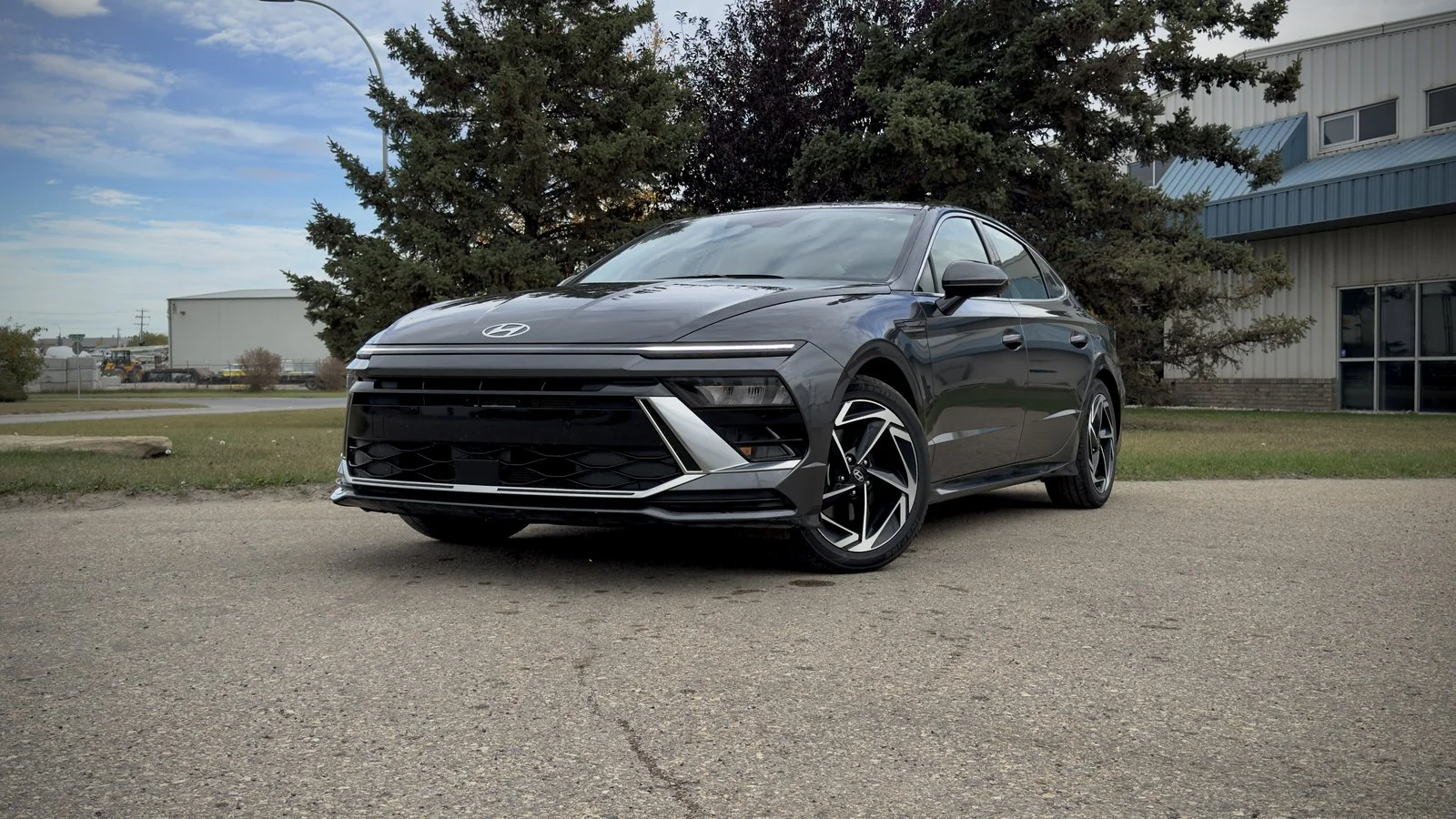
2025 Hyundai Sonata Preferred w/ Trend
Not seeing it? We'll find it.
We source through our dealer partner network across Western Canada: 25,000+ vehicles to choose from. Tell us what you want and what works for your budget.
Find my car3 min · no credit impactOAC = on approved credit. Payments are examples at 6.49% APR over 84 months with $0 down, based on each vehicle's advertised price; GST extra. Your rate depends on your credit (4.99%–29.9% APR).
Related Articles


Ready to Find Your Vehicle?
Browse our inventory or apply for financing. All credit situations welcome.
5.0118+ Google ReviewsAMVIC LicensedFree Delivery 300km