
How to Check for Recalls Before Buying a Used Car in Canada
In this article
- How Recalls Work in Canada: The Basics
- Step-by-Step: How to Check for Recalls on Any Vehicle
- Step 1: Find the VIN
- Step 2: Run the Transport Canada Lookup
- Step 3: Cross-Reference with NHTSA (U.S. Vehicles)
- Step 4: Verify Completion Through Dealer Records
- Common Recall Categories You'll Encounter
- Airbag Recalls (Takata)
- Fuel System Recalls
- Steering System Recalls
- Braking System Recalls
- Fire Risk and Electrical Recalls
- How to Decode a VIN for Recall Research
- AMVIC and Dealer Recall Obligations in Alberta
- What Happens If You Buy a Vehicle With an Open Recall
- How Good Dealers Handle Recalls Before Sale
- Recalls and Certified Pre-Owned Programs
- Building a Complete Pre-Purchase Inspection Checklist
- The Bottom Line on Recalls
- Related Buyer Guides
- Compare and Apply
Check Your Options in 3 Minutes
No credit impact. All credit situations welcome.
5.0118+ Google ReviewsAMVIC LicensedFree Delivery 300km
You found the vehicle. The price is right, the CarFax looks clean, and the test drive felt solid. But there's one check that a surprising number of buyers skip entirely — and it's one of the few remaining free safety nets in a used car purchase: the Transport Canada recall database. An open recall means the manufacturer is legally obligated to fix a known safety defect at no cost to you. But if you buy a vehicle with an unrepaired recall and something goes wrong, you've inherited a problem the previous owner left you holding.
How Recalls Work in Canada: The Basics
A recall in Canada is issued when a manufacturer, importer, or Transport Canada determines that a vehicle or vehicle component has a defect that creates an unreasonable risk to safety. The key facts:
- No expiry date: Recalls don't expire. A recall issued in 2009 on a 2007 model year vehicle is still open and still must be repaired — even if the vehicle has changed hands five times since.
- Free repair: The manufacturer is required to repair the defect at no cost to the vehicle owner. You take the vehicle to any authorized dealer for that brand, and the repair is done under the recall.
- Not safety-inspected away: An Alberta inspection certificate does not mean recalls are complete. A vehicle can pass a safety inspection and still have open recalls. These are separate systems.
- Manufacturer responsibility: The repair obligation sits with the manufacturer, not the selling dealer or previous owner. However, knowing whether it's been repaired before you buy is your responsibility.
Step-by-Step: How to Check for Recalls on Any Vehicle
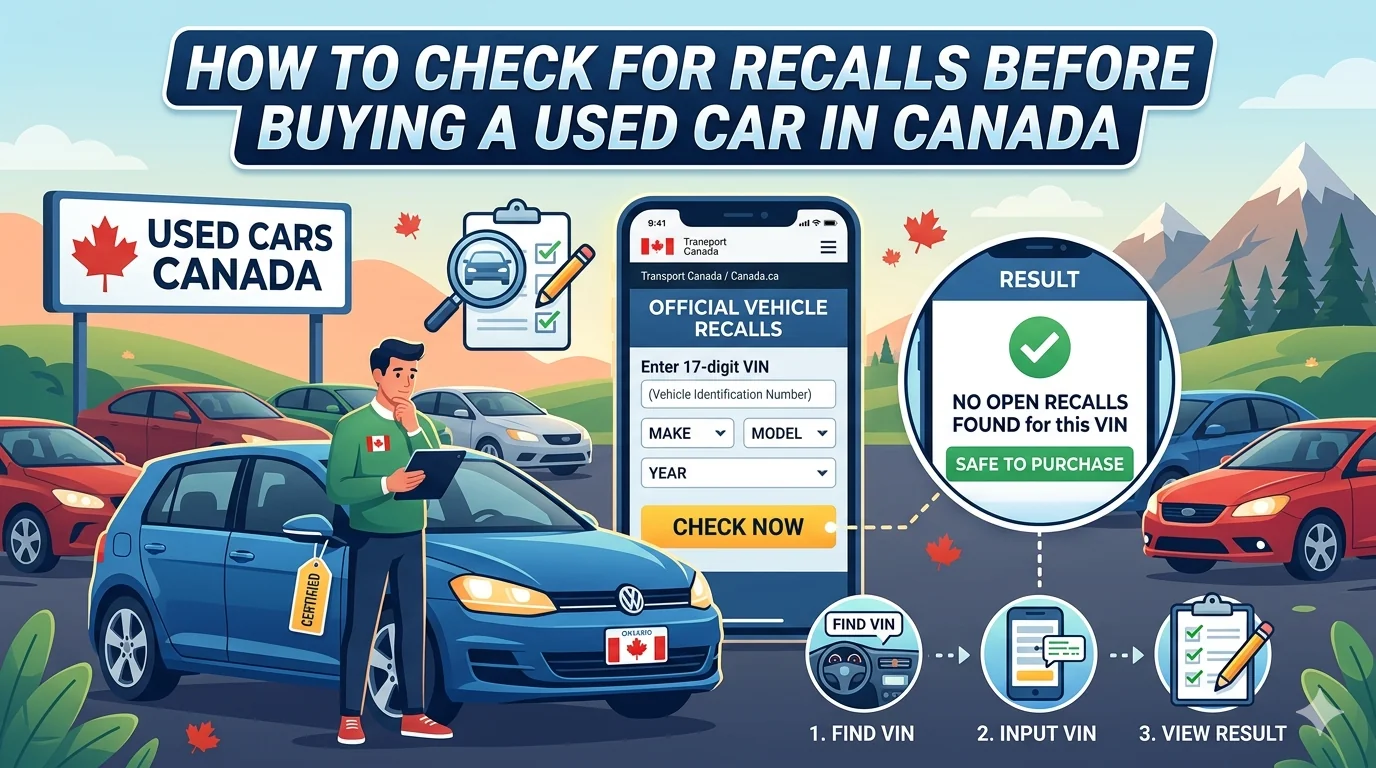
The process takes about 5 minutes and requires only the vehicle's VIN (Vehicle Identification Number).
Step 1: Find the VIN
The VIN is a 17-character alphanumeric code. Locations:
- Driver's side dashboard, visible through the windshield at the base (most reliable)
- Driver's door jamb sticker
- Engine block stamping (varies by manufacturer)
- Vehicle registration and insurance documents
On a used vehicle listing, ask the seller for the full VIN before you visit. Any legitimate seller will provide it. Refusal to provide a VIN before a viewing is a yellow flag.
Step 2: Run the Transport Canada Lookup
Go to tc.gc.ca/recalls (Transport Canada's official recall database). Select "Vehicles" from the dropdown, enter the VIN, and run the search. The results will show:
- All open recalls affecting the vehicle
- Recall description (what's defective and what the risk is)
- Remedy description (what the fix is)
- Recall status (whether units have been notified)
Note: the Transport Canada database shows whether a recall exists, but not always whether it's been completed on this specific vehicle. For completion status, you need step 3.
Step 3: Cross-Reference with NHTSA (U.S. Vehicles)
Most vehicles sold in Canada were also sold in the United States. The NHTSA (National Highway Traffic Safety Administration) database at nhtsa.gov/recalls often has more detailed recall information and complaint data. Run the same VIN through both. Discrepancies between the two databases can reveal recalls that were issued in one market but not the other — this happens when Canadian and U.S. specifications differ.
Step 4: Verify Completion Through Dealer Records
To confirm whether the recall repair was actually performed on this specific vehicle, you need service records. Two sources:
- CarFax / AutoCheck Canada: These reports pull service records from participating shops and dealers. Recall completions are often (not always) logged here. A thorough used car inspection should always include a history report.
- Brand dealer lookup: Call or visit an authorized dealer for the vehicle's make with the VIN. Toyota, Honda, Ford, GM, and most other manufacturers allow dealers to look up recall completion status in their warranty management systems. This is the most reliable source.
Common Recall Categories You'll Encounter
Knowing what kinds of recalls exist helps you prioritize. Some recalls are inconvenient but low-urgency. Others represent serious driving risks.
Airbag Recalls (Takata)
The Takata airbag recall is the largest automotive recall in history — affecting roughly 100 million vehicles globally across dozens of brands. The defect: inflator rupture that can propel metal shrapnel into the vehicle occupants when the airbag deploys. Multiple deaths and injuries have been documented. This is a life-safety issue, not a minor inconvenience.
Affected model years span roughly 2000–2019 across Honda, Toyota, Nissan, BMW, Ford, Mazda, Subaru, and others. If you're looking at a used Honda CR-V, Toyota RAV4, or Ford Escape from this era — run the VIN through the Takata recall check specifically. Some vehicles have been on backorder for replacement parts for years; check whether parts are currently available before buying.
Fuel System Recalls
Fuel leaks and fuel pump failures are common recall categories. A fuel leak recall is an immediate fire risk. A fuel pump failure recall typically manifests as engine stall — dangerous at highway speed. If a vehicle has an open fuel system recall, it should not be purchased until the recall is confirmed complete or an appointment for repair is scheduled and confirmed.
Steering System Recalls
Recalls involving intermediate steering shafts, power steering systems, and steering column components are serious safety concerns. Loss of steering control at any speed is catastrophic. These recalls also tend to have long timelines for parts availability, particularly on older vehicles.
Braking System Recalls
Brake master cylinder failures, electronic brake system software issues, and ABS module defects fall here. Any open braking recall deserves immediate attention. A pre-purchase Alberta inspection covers brake system condition but not recall status — you need to run the VIN separately.
Fire Risk and Electrical Recalls
These are increasingly common on vehicles from the mid-2010s onward, particularly as manufacturers added more electronic complexity. Hybrid and plug-in vehicles have their own battery and electrical system recall categories. If you're considering a used hybrid, check both the federal recall database and the manufacturer's own website — some manufacturer programs run ahead of formal Transport Canada notices.
How to Decode a VIN for Recall Research
You don't need to decode the full VIN, but knowing a few positions helps:
| VIN Position | What It Tells You | Why It Matters for Recalls |
|---|---|---|
| 1–3 (World Manufacturer ID) | Country and manufacturer | Determines which database is primary |
| 4–8 (Vehicle Descriptor) | Model, body style, engine | Differentiates recall scope (not all trims affected) |
| 10 (Model Year) | Year of manufacture | Recalls are often model-year specific |
| 11 (Plant) | Assembly plant | Some recalls affect only certain production runs |
| 12–17 (Serial) | Unique vehicle identifier | The VIN database matches this against recall scope |
The practical takeaway: even if a recall affects your vehicle's year and model, it may not affect your specific VIN if it was a targeted production run. The database will tell you definitively.
AMVIC and Dealer Recall Obligations in Alberta
Alberta's automotive regulator, AMVIC (Alberta Motor Vehicle Industry Council), sets standards for licensed dealers in the province. Under AMVIC rules, licensed dealers are expected to disclose known defects — and an open safety recall is a known defect.
What this means in practice:
- A reputable AMVIC-licensed dealer should check for and disclose open recalls before putting a vehicle on their lot.
- Many dealers complete open safety recalls as part of their pre-sale reconditioning process, particularly high-risk ones.
- A dealer who is unaware of open recalls — or claims to be — is either not conducting proper due diligence or is being evasive. Both are problems.
AMVIC licensing does not guarantee recall-free vehicles. It establishes a standard of conduct and disclosure. Your independent recall check is still your responsibility — don't assume it's been handled.
For more detail on what AMVIC requires of dealers in used car transactions, the AMVIC consumer rights guide covers the full scope of buyer protections in Alberta.
What Happens If You Buy a Vehicle With an Open Recall
If you complete a purchase and then discover an open recall, here's what you can do:
- Contact the manufacturer: The recall obligation follows the vehicle, not the selling party. Call the manufacturer's customer service line with your VIN. They will confirm recall status and direct you to the nearest authorized dealer for repair.
- Book the repair immediately: Recall repairs are free and should be prioritized. Some high-demand recall repairs have wait times for parts — get on the list early.
- Document everything: Keep the dealer service record showing the recall repair was completed. This will appear in future history reports and protects your trade-in value.
- Contact AMVIC if the seller was a licensed dealer: If an AMVIC-licensed dealer failed to disclose a known safety recall, you have grounds to file a complaint. AMVIC investigates and can take regulatory action.
If the vehicle was purchased privately, your recourse is more limited — caveat emptor (buyer beware) applies more broadly. This is one of several reasons a private sale requires more due diligence, not less.
How Good Dealers Handle Recalls Before Sale
A responsible used car dealership includes recall verification in their pre-sale process. Here's what a thorough process looks like:
- VIN run through Transport Canada database at acquisition
- Open safety recalls flagged for completion before the vehicle is retailed
- Documentation of recall completion filed with the vehicle's service folder
- Disclosure on any open recall that cannot be immediately resolved (parts on backorder) so the buyer can make an informed decision
When you're evaluating a vehicle, asking "has this vehicle been checked for open recalls and has any recall work been completed?" is a completely reasonable question. A prepared, professional dealer will have an immediate answer and supporting documentation.
Recalls and Certified Pre-Owned Programs
Manufacturer certified pre-owned (CPO) programs typically require recall completion as part of certification criteria. This is one of the genuine advantages of CPO over standard used — the certification process should include recall verification by an authorized dealer. The CPO vs used comparison covers when that premium is justified and when it's not.
Note: third-party "certified" programs (not manufacturer-backed) vary enormously in what they actually check. "Certified" on a non-manufacturer program doesn't automatically mean recalls are cleared. Ask specifically.
Building a Complete Pre-Purchase Inspection Checklist
A recall check is one layer of due diligence, not the whole picture. A complete pre-purchase review should include:
- Transport Canada VIN recall check — as described above
- NHTSA complaint database check — nhtsa.gov/vehicle/complaints — see what owners have reported even for non-recalled issues
- History report (CarFax or AutoCheck) — accident history, ownership count, lien status, odometer flags
- Pre-purchase mechanical inspection — independent shop of your choice, not the selling dealer's shop
- Road test on a variety of road types — highway speeds, parking lot slow-speed, cold start if possible
- AMVIC inspection certificate review — required for Alberta dealer sales; review what was noted
If the seller (private or dealer) resists any of these steps, treat resistance as information. A vehicle that can't withstand basic due diligence is telling you something.
For vehicles with histories that raise questions — hail storms, flood events, out-of-province histories — the flood and hail damage identification guide goes deep on what to look for before, during, and after a test drive.
The Bottom Line on Recalls
Checking for recalls takes less time than filling out a financing application and costs nothing. There's no reason to skip it. For vehicles you're seriously considering, run the VIN through Transport Canada, cross-check with NHTSA, and request confirmation from an authorized dealer if anything comes back open.
Used vehicles can be excellent value — reliable, well-maintained, and properly inspected vehicles make up the core of what we sell. The recall check is simply one more way to make sure the vehicle you're buying is exactly what it appears to be. If you're shopping for a used Honda Civic or any other vehicle and want to understand the full history and inspection process, our team at Shift Happens in Airdrie walks through this with every customer.
When you're ready to move forward, start your financing application — we work with all credit situations and have direct relationships with 15+ Canadian lenders. Our process is transparent, our inventory is pre-vetted, and we'd rather you buy with confidence than buy fast. Reach us through the contact page or come in — we're just north of Calgary on Highway 2.
Compare and Apply
- Complete Bad Credit Car Buying Guide (Alberta) — step-by-step guide to getting approved in Alberta
Financing Resources
Cars you could drive home
See all inventory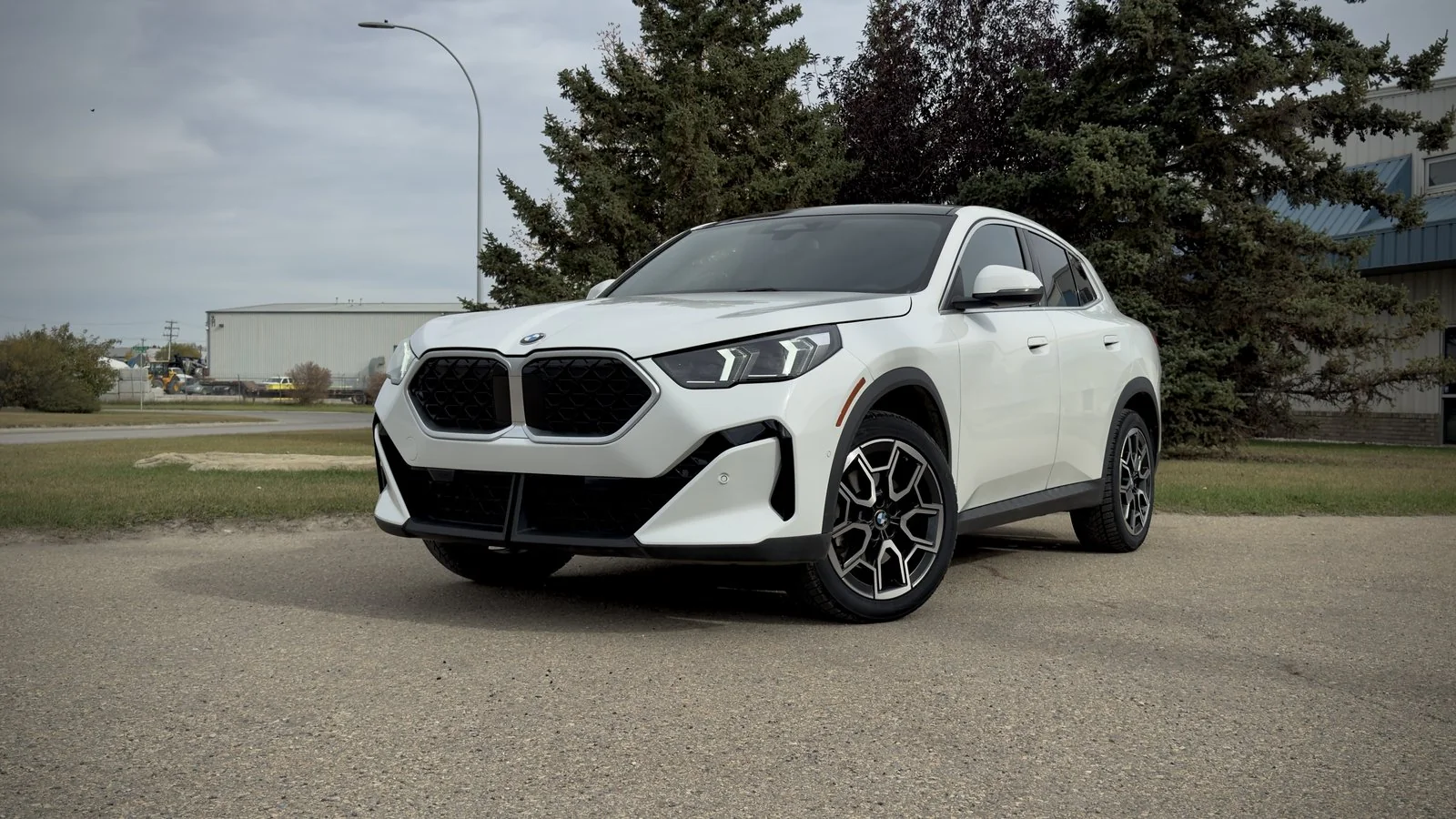
2025 BMW X2 xDrive28i
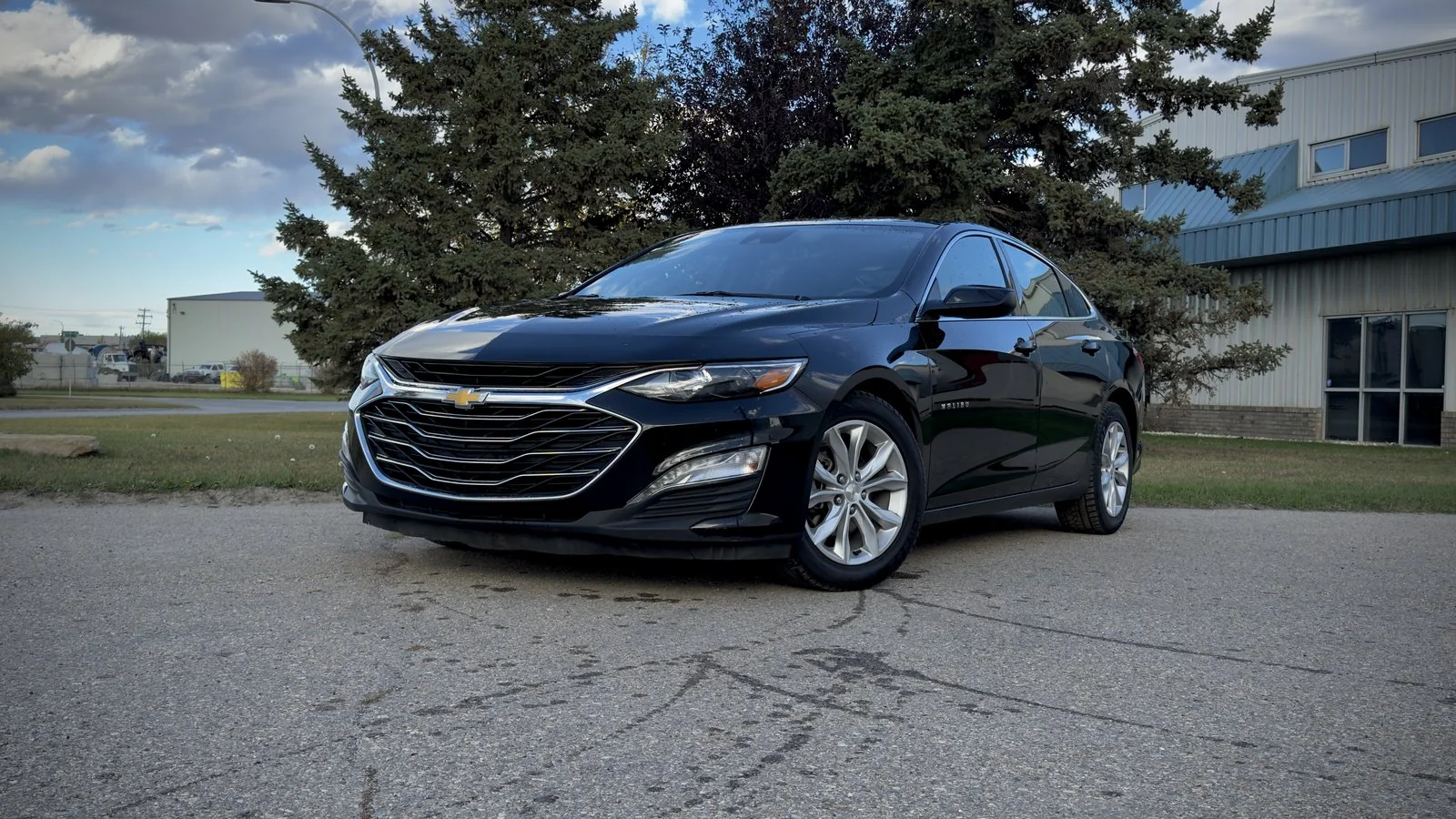
2025 Chevrolet Malibu 1LT
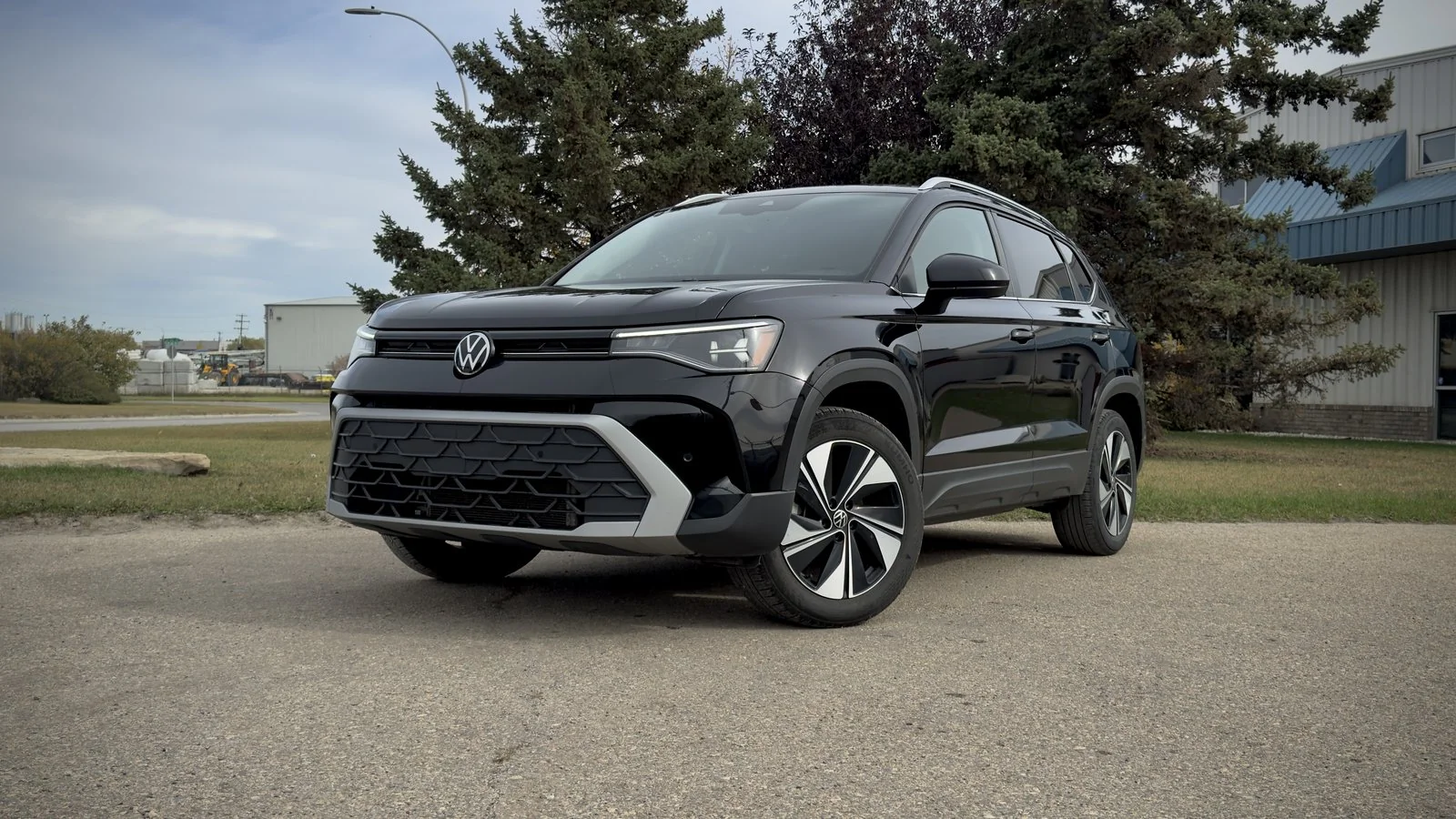
2025 Volkswagen Taos Comfortline
Not seeing it? We'll find it.
We source through our dealer partner network across Western Canada: 25,000+ vehicles to choose from. Tell us what you want and what works for your budget.
Find my car3 min · no credit impactOAC = on approved credit. Payments are examples at 6.49% APR over 84 months with $0 down, based on each vehicle's advertised price; GST extra. Your rate depends on your credit (4.99%–29.9% APR).
Related Articles
Ready to Find Your Vehicle?
Browse our inventory or apply for financing. All credit situations welcome.
5.0118+ Google ReviewsAMVIC LicensedFree Delivery 300km