
How to Extend the Life of a High-Mileage Vehicle in Alberta
In this article
- Why Alberta Is Especially Tough on High-Mileage Vehicles
- The Maintenance Items Most People Ignore (That Kill High-Km Vehicles)
- Transmission Fluid: The Most Neglected Service
- Coolant System: Ignored Until It Fails Catastrophically
- Timing Belt vs. Timing Chain: Know Which You Have
- Suspension Bushings: The Comfort and Safety Silent Killer
- Synthetic Oil: Not Optional at High Mileage
- Undercarriage Rust Prevention: An Alberta-Specific Priority
- The Make and Model Reality: When High Km Means Different Things
- Vehicles Where 200,000 Km Is Just Getting Started
- Vehicles Where 200,000 Km Is a Real Warning Sign
- The $3,000 Repair vs. $15,000 Replacement Decision Framework
- The 50% Rule (and When to Override It)
- Building the Real Cost Comparison
- Practical High-Mileage Maintenance Schedule for Alberta
- Signs a High-Km Vehicle Has Been Well Loved vs. Hard Run
- When It's Time to Move On
- Related Buyer Guides
- Compare and Apply
Check Your Options in 3 Minutes
No credit impact. All credit situations welcome.
5.0118+ Google ReviewsAMVIC LicensedFree Delivery 300km
Your odometer just rolled past 200,000 kilometres and your friends are suggesting you get rid of it. But before you panic, consider this: a well-maintained vehicle at 200,000 km can be worth a lot more than a neglected one at 120,000 km. High mileage isn't a death sentence — it's a maintenance challenge. In Alberta especially, where winters are brutal, roads are salted heavily, and temperature swings from -35°C to +30°C are normal, the way you care for a high-km vehicle determines whether it gives you another 100,000 km or strands you on the QE2 in February.
Why Alberta Is Especially Tough on High-Mileage Vehicles
Alberta's climate attacks vehicles from multiple directions simultaneously. Extreme cold thickens engine oil, increases wear during cold starts, and makes rubber components — bushings, seals, belts — crack and harden faster than they would in moderate climates. Then the temperature swings: going from -25°C overnight to +5°C in the afternoon causes metal to expand and contract repeatedly, stressing joints, gaskets, and welds over thousands of cycles.
The salt is the other killer. Alberta municipalities apply road salt aggressively on highways and city streets from October through April — sometimes May. That salt finds its way into every seam, joint, and crevice underneath your vehicle. On a high-km vehicle that already has aging undercoating, it works fast. Rust doesn't just look bad; it compromises structural integrity, ruins brake lines, and destroys subframes. A vehicle from coastal British Columbia or southern Ontario often arrives in Alberta already carrying years of salt exposure — and Alberta continues the assault.
Understanding this environment is the foundation of a high-mileage maintenance strategy. Every recommendation below is calibrated for Alberta conditions specifically.
The Maintenance Items Most People Ignore (That Kill High-Km Vehicles)
Transmission Fluid: The Most Neglected Service
Ask ten drivers when they last changed their transmission fluid and nine will give you a blank stare. Engine oil gets changed regularly because everyone talks about it. Transmission fluid? Most people assume it's "lifetime" and never think about it again. It is not lifetime — and by 150,000-200,000 km, that neglect catches up fast.
Transmission fluid degrades over time. It loses its viscosity, its friction-modifying additives break down, and it accumulates metal particles from normal gear wear. At high mileage, a transmission running on degraded fluid is grinding itself out with every gear change. A fresh fluid service — drain and fill, not a full flush on a high-km transmission since flushing can dislodge debris and cause immediate problems — costs $150-250 and can extend transmission life by tens of thousands of kilometres. A replacement transmission costs $3,000-8,000+. The math is obvious.
Check your owner's manual for the spec (ATF+4, Dexron VI, CVT fluid, etc.) and use the correct one. Wrong fluid in a transmission causes shuddering and accelerated wear. On high-km vehicles, change transmission fluid every 50,000 km going forward, regardless of what the "lifetime" label says.
Coolant System: Ignored Until It Fails Catastrophically
Coolant doesn't just prevent freezing — it also prevents corrosion inside your engine and cooling system. Over time, the anti-corrosion additives in coolant deplete, and the fluid turns acidic. Acidic coolant attacks aluminum components, including the water pump impeller, radiator, and heater core. On a high-km vehicle with aluminum engine components, old coolant is quietly eating the engine from the inside.
At 200,000+ km, have the coolant tested with a test strip — a mechanic can do this in five minutes. If the pH is off or the freeze protection is degraded, do a full coolant flush. While you're at it, inspect the hoses and clamps. Coolant hoses at 200,000 km are likely original equipment. They may feel fine on the outside while being soft and collapsed inside, restricting flow and on the verge of failure. A burst coolant hose in a -20°C Alberta winter will destroy your engine in under 10 minutes.
Timing Belt vs. Timing Chain: Know Which You Have
This is one of the most important things to research on any high-km vehicle. Engines either use a timing belt (rubber, must be replaced on a schedule) or a timing chain (metal, generally lasts the life of the engine if maintained). The consequences of getting this wrong are catastrophic.
Timing belts typically need replacement at 90,000-160,000 km depending on the manufacturer. If you bought a used vehicle with no service history at 180,000 km, there is a real chance the timing belt has never been changed. On an interference engine — where pistons and valves share the same space — a broken timing belt means the valves slam into the pistons, destroying the engine instantly. You won't hear it coming. One moment it runs; the next, it's scrap metal.
Common Alberta-market vehicles with timing belts that require vigilance at high mileage: older Honda CR-Vs (pre-2012 2.4L models), older Toyota Camrys (V6 versions through the 2000s), Subaru EJ engines, and most Volkswagen/Audi 4-cylinder engines. Check Gates or Dayco belt lookup tools for your specific engine. If you don't have proof of replacement and you're past the interval — replace it now. The job typically runs $600-1,200 including the water pump, which should always be done at the same time since you're already inside the engine.
Suspension Bushings: The Comfort and Safety Silent Killer
At 200,000+ km on Alberta roads — which include some of the worst potholes in Western Canada — suspension bushings are a certainty to be worn. Bushings are the rubber (or polyurethane) cushions in your control arms, sway bar links, and subframe mounts. They isolate vibration, allow controlled movement, and keep your suspension geometry accurate. Worn bushings cause imprecise handling, accelerated tire wear, and a clunking, loose feel that makes a vehicle feel far more "used" than its km count should suggest.
A suspension inspection from a trusted shop will identify which bushings are cracked, collapsed, or missing. Replacing a full set of front suspension bushings typically costs $400-900 in parts and labour. The result is a vehicle that handles noticeably better, wears tires evenly, and is significantly safer. For a complete Alberta maintenance reference, this is consistently one of the most cost-effective repairs on high-km vehicles.
Synthetic Oil: Not Optional at High Mileage
If you're still using conventional oil in a 200,000+ km engine, switch to full synthetic now. The benefits are well-documented and especially significant in Alberta's climate.
Synthetic oil flows at low temperatures far better than conventional oil. Cold starts are when the majority of engine wear occurs — in the seconds between when you turn the key and when oil pressure reaches your valve train. At -30°C, conventional oil is nearly as thick as honey. Full synthetic flows immediately, cutting cold-start wear dramatically. Over a high-km engine's remaining life, this makes a meaningful difference in wear rates on cam lobes, valve train components, and piston rings.
At high mileage, engines also tend to have tighter tolerances from wear and benefit from the cleaner-burning properties of synthetic. A bottle of high-mileage synthetic oil (Castrol GTX High Mileage, Valvoline High Mileage, Mobil 1 High Mileage) includes seal conditioners that can reduce minor oil seepage — another common high-km issue. Follow the correct oil change schedule for used vehicles; with synthetic, most manufacturers extend intervals to 8,000-12,000 km, but don't push it past 8,000 km on a high-km engine.
Undercarriage Rust Prevention: An Alberta-Specific Priority
In provinces with mild winters and minimal road salt, undercarriage rust is a slow-developing problem. In Alberta, it's an accelerated process that can destroy a structurally sound vehicle in 7-10 years. On a high-km vehicle that may have been through a decade or more of Alberta winters, the undercarriage demands attention.
Start with a thorough inspection. Get the vehicle on a hoist and look at the frame rails, crossmembers, control arms, wheel wells, and brake lines. Surface rust is cosmetic and manageable. Structural rust — where metal flakes off in sheets or flexes — is a different problem entirely and may mean the vehicle isn't worth repairing.
If the undercarriage is structurally sound but showing surface rust, treat it immediately. Krown or Rust Check rustproofing treatments (around $150-200/year) penetrate into seams and displace moisture effectively. Apply them annually in October before the salt season starts. For exposed metal, a spray-on rubberized undercoating provides a physical barrier. This is not expensive work — and it extends vehicle life by years.
The Make and Model Reality: When High Km Means Different Things
This is where honest conversation matters. Not all 200,000 km vehicles are equal. The make, model, and engine combination dramatically change what "high mileage" actually means in practice.
Vehicles Where 200,000 Km Is Just Getting Started
The Toyota Corolla is the gold standard. A well-maintained Corolla with a 1ZZ-FE or 2ZR-FE engine routinely reaches 400,000-500,000 km. These engines are over-engineered for their displacement, use timing chains (no belt failure risk), and have aluminum/iron construction that tolerates neglect surprisingly well. At 200,000 km, a clean Corolla is arguably in its prime — most of the early-life reliability issues are long settled, and the engine hasn't yet approached its engineering limits.
The Honda Civic (particularly the 1.5L and 2.0L naturally aspirated engines through 2021) shares similar longevity characteristics. Honda's VTEC engines are tightly engineered with excellent tolerances and reach 300,000-400,000 km with proper oil change discipline. The caveat: don't neglect oil changes on a Honda. These engines are more sensitive to oil quality than Toyotas. A Honda at 200,000 km with full synthetic changes every 6,000-8,000 km has a lot of life left. One with inconsistent maintenance history at 200,000 km is a gamble.
Toyota RAV4 (2.4L and 2.5L engines), Toyota Tacoma (2.7L 4-cylinder), and Honda CR-V (2.4L) all fall into the high-longevity category. For a broader overview, see our guide to the most reliable used cars and what it takes to maintain them.
Vehicles Where 200,000 Km Is a Real Warning Sign
European makes — BMW, Audi, Mercedes-Benz, Volkswagen — have sophisticated engineering that often doesn't age as gracefully as Japanese makes. A 200,000 km BMW 3 Series means worn timing chains (N20 and N26 engines are notorious for stretched timing chains), failing VANOS units, aging turbos, and cooling system components (BMW plastic water pump impellers crack, often catastrophically). Repair costs are high because parts are expensive and labour times are long. A 200,000 km BMW that hasn't had a timing chain job and cooling system overhaul should be priced accordingly — or passed on.
Certain American V8 trucks handle high mileage differently from their four-cylinder counterparts. A 200,000 km Ford F-150 with the 5.0L Coyote V8 is generally a solid platform. The same mileage on an EcoBoost 3.5L twin-turbo requires scrutiny of the turbos, intercooler, and direct injection carbon buildup. Neither is automatically bad — but they require different inspection criteria.
For high-mileage vehicle financing in Alberta, lenders use make, model, and condition — not just km — when evaluating vehicle age. A 250,000 km Toyota may qualify for more competitive financing than a 180,000 km European vehicle at the same price point.
The $3,000 Repair vs. $15,000 Replacement Decision Framework
Eventually, every high-km vehicle owner faces a major repair quote. Transmission replacement. Engine work. Significant suspension overhaul. The question isn't simply "is this worth fixing?" — it's a structured cost-benefit analysis.
The 50% Rule (and When to Override It)
A common guideline: if a repair costs more than 50% of the vehicle's current market value, it's time to move on. A vehicle worth $4,000 with a $2,500 transmission quote is a borderline case. A vehicle worth $4,000 with a $6,000 engine replacement quote is clear: replace the vehicle.
But the 50% rule has nuance. If you own a 2003 Toyota Corolla worth $5,000 market value that needs a $2,000 head gasket repair, the 50% rule says it's borderline. But the full picture: once repaired, this vehicle has a realistic road life of another 150,000 km with proper maintenance. Your alternative is financing a replacement vehicle — a $15,000 used car at 14.99% over 60 months is $367 biweekly. The $2,000 repair on a paid-off vehicle is a bargain by comparison.
The calculation changes when: (a) multiple large repairs are stacked — transmission AND engine AND rust at the same time; (b) safety-critical items like frame rust are involved; or (c) the vehicle's reliability is genuinely unpredictable and failures are affecting your employment. In those cases, even a seemingly good value repair doesn't solve the underlying problem of an unreliable vehicle.
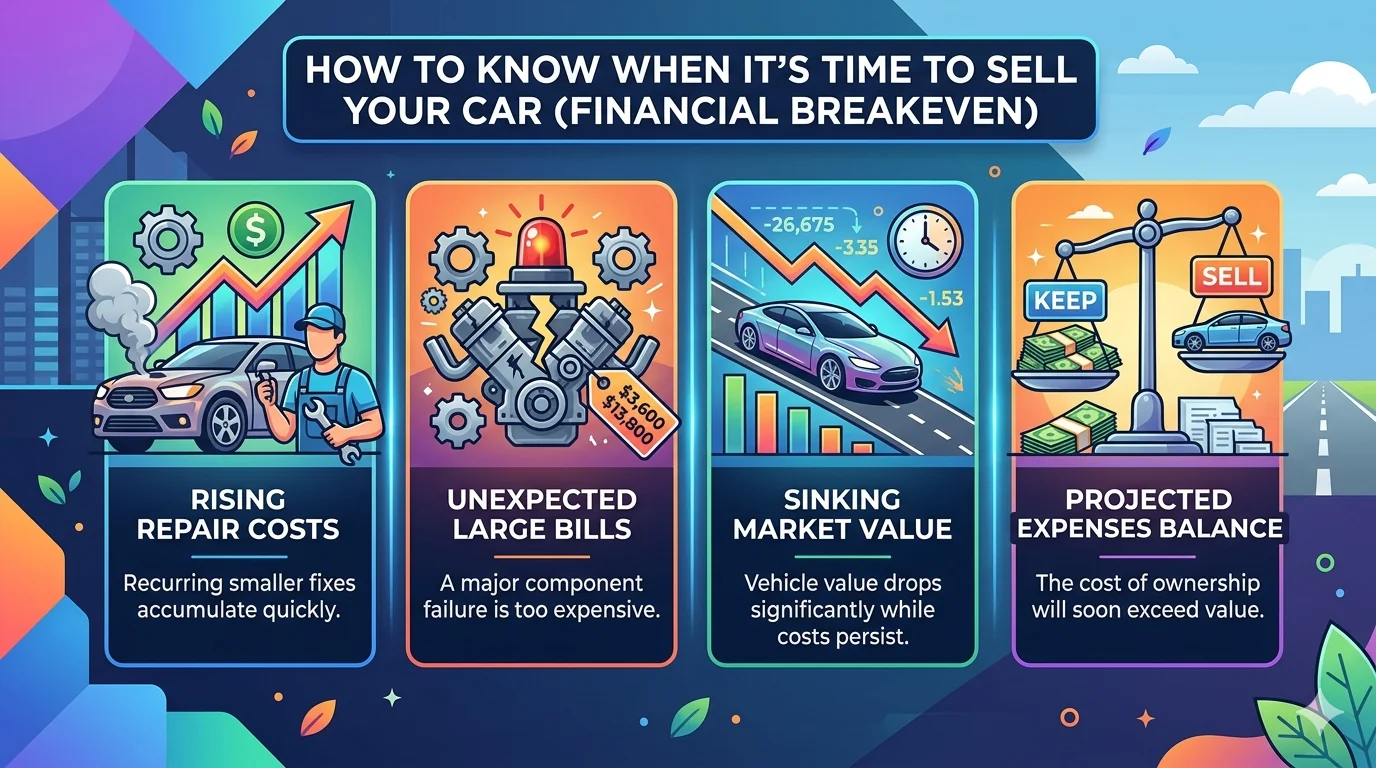
Our blog post on when selling your vehicle makes financial sense walks through the breakeven analysis in more detail, including how to account for financing costs on a replacement vehicle. If a replacement is the plan, here's a look at financing a replacement vehicle through the dealership in Alberta.
Building the Real Cost Comparison
| Scenario | Cost | Monthly Equivalent |
|---|---|---|
| $3,000 transmission repair, vehicle lives 3 more years | $3,000 one-time | ~$83/month |
| Replace with $15,000 vehicle at 14.99%, 60 months | ~$18,500 total cost | ~$308/month |
| Replace with $10,000 vehicle at 12.99%, 48 months | ~$12,600 total cost | ~$263/month |
The repair wins on pure cash flow if the vehicle survives. The replacement wins if the vehicle fails again in 6 months. The key variable is confidence in the vehicle's remaining life — which is where a pre-repair inspection by a trusted mechanic is worth every dollar. Get an independent assessment of the vehicle's overall condition, not just the specific failing component. If everything else looks solid, the repair is often the right call.
Practical High-Mileage Maintenance Schedule for Alberta
Beyond the big-ticket items, consistent small maintenance is what keeps high-km vehicles running. Here's a practical Alberta-calibrated schedule:
- Every 6,000-8,000 km: Full synthetic oil and filter change. Check fluid levels (coolant, brake, power steering, windshield washer). Inspect tires for wear and pressure.
- Every 15,000-20,000 km: Rotate tires. Inspect brakes. Check air filter. Inspect belts and hoses visually.
- Every 50,000 km: Transmission fluid service (drain and fill). Spark plug inspection/replacement. Cabin air filter. Differential fluid (if equipped). Transfer case fluid (4WD/AWD).
- Every 60,000 km: Coolant system flush and refill. Brake fluid flush (moisture absorbs into brake fluid over time). Inspect timing belt if applicable.
- Annually (October): Rustproofing application. Winter tire installation. Battery load test. Block heater check.
- Annually (April/May): Post-winter undercarriage wash and inspection. Brake line inspection. Spring tire swap. Inspect for new rust development.
The transmission maintenance guide covers fluid service specifics in more detail, including which vehicles are safe for flush vs. drain-and-fill only.
Signs a High-Km Vehicle Has Been Well Loved vs. Hard Run
When evaluating a high-km vehicle to purchase or deciding whether your own is worth extending:
- Good signs: Service records, consistent oil changes (receipts or notation), timing belt done with paperwork, clean oil on the dipstick (not black sludge), firm brake pedal, tight steering, even tire wear, no rust bubbling through paint at wheel arches or door bottoms.
- Warning signs: Black sludge on oil cap or dipstick, coolant that looks brown or rusty, transmission fluid that's dark brown and smells burnt, uneven tire wear (suspension issues), soft or spongy brake pedal, rust bubbling at structural points.
- Deal-breakers: Frame rust that penetrates through metal, coolant in the oil (milky oil cap = blown head gasket), visible oil burning (blue smoke on startup), transmission slipping between gears.
If you're in the market for a high-km vehicle and wondering how many kilometres is too many for a specific model, our detailed breakdown at how many km is too many for a used car covers make-by-make benchmarks.
When It's Time to Move On
Emotional attachment to a paid-off vehicle is understandable — but there are objective signals that indicate it's time to replace rather than repair:
- Multiple major systems failing simultaneously or in quick succession
- Safety-critical rust on frame, subframe, or brake lines
- Reliability failures affecting employment (missing work due to breakdowns)
- Total upcoming repair costs exceeding the vehicle's replacement cost
- Insurance company concerns about safety or writeoff risk
If you're at that point, the good news is that financing options exist specifically for high-mileage vehicle purchases — and stepping into a newer, lower-mileage vehicle doesn't require perfect credit. We work with all credit situations across Alberta and have access to inventory ranging from well-maintained 150,000 km vehicles all the way to low-km options if your budget allows.
Whether you're maintaining what you have or ready to move up, start with our financing application to see what your options look like — it takes about five minutes and gives you real numbers to work with when making the repair-vs-replace decision. We serve customers across Airdrie and all of Alberta.
Compare and Apply
- Bad Credit Car Loans — Complete Guide — financing for low credit scores
Financing Resources
Cars you could drive home
See all inventory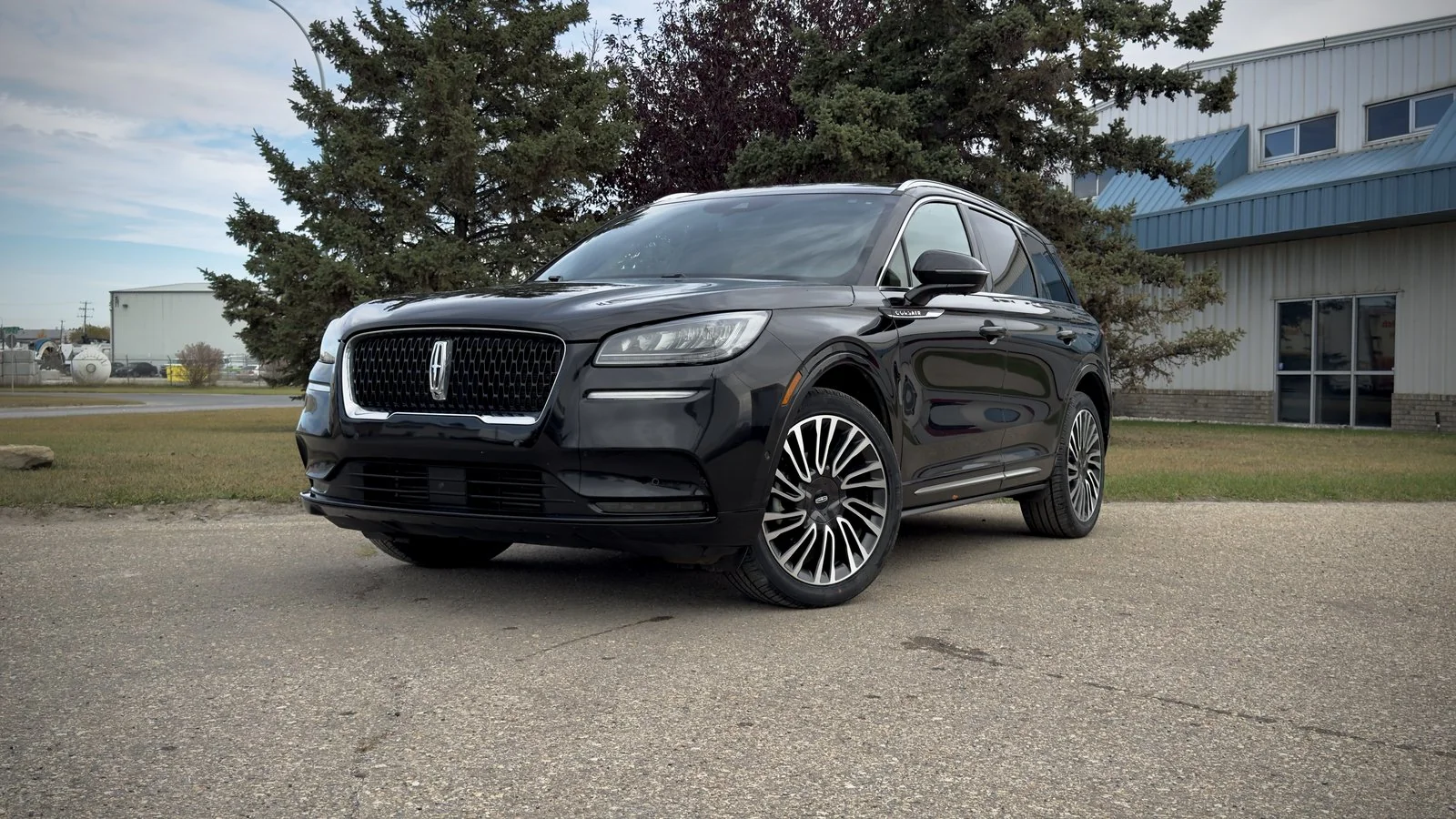
2021 Lincoln Corsair Reserve
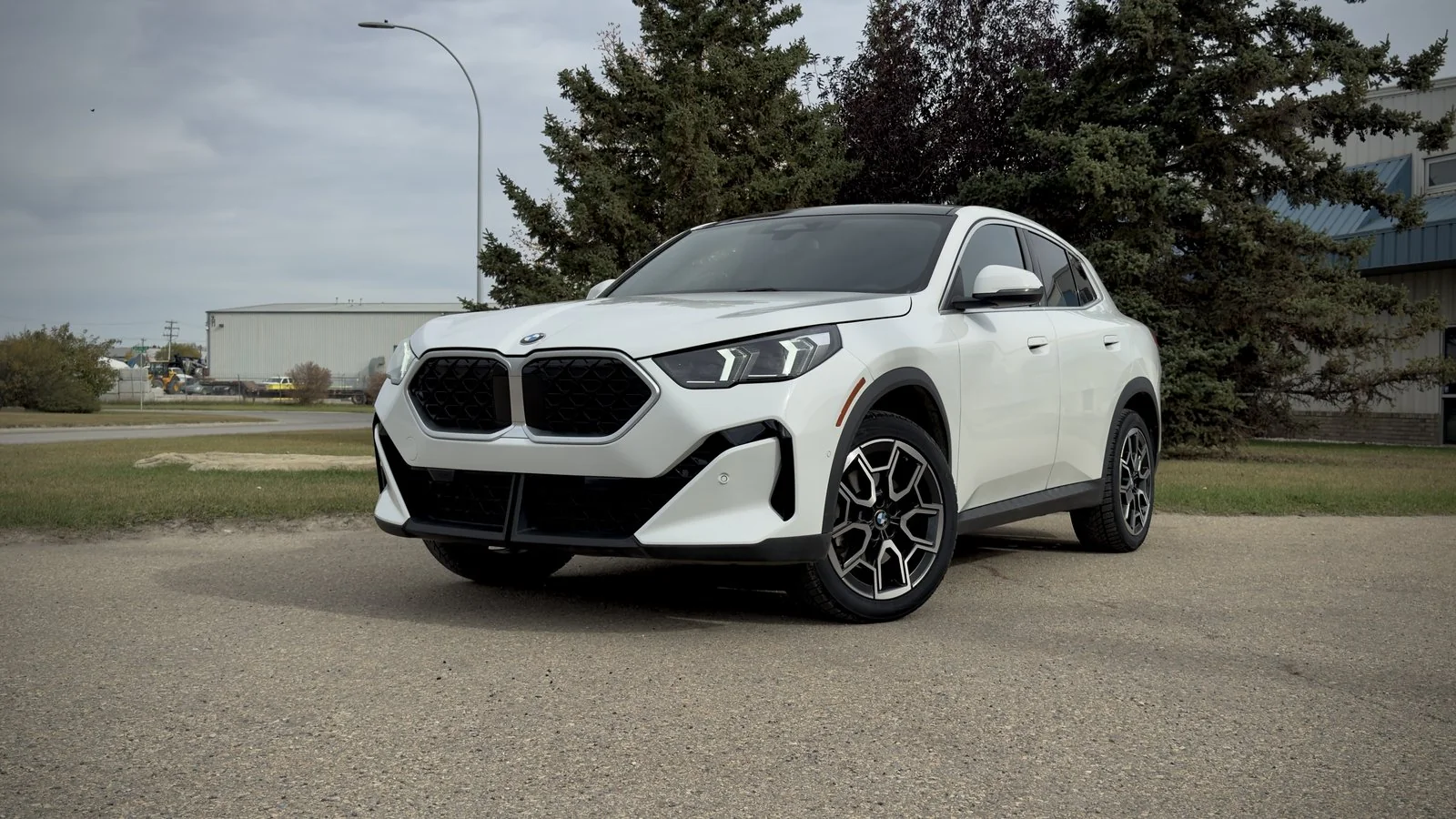
2025 BMW X2 xDrive28i
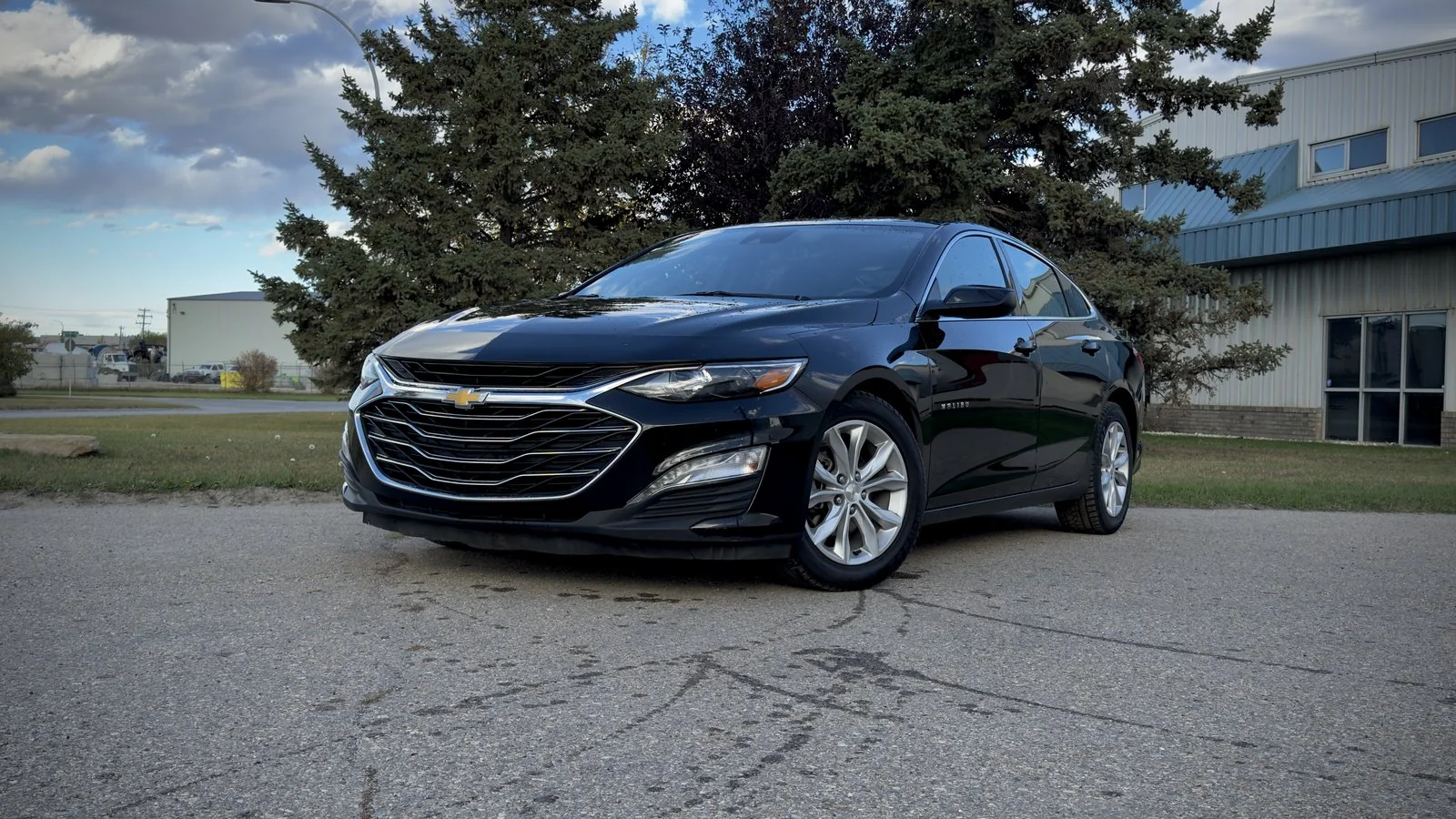
2025 Chevrolet Malibu 1LT
Not seeing it? We'll find it.
We source through our dealer partner network across Western Canada: 25,000+ vehicles to choose from. Tell us what you want and what works for your budget.
Find my car3 min · no credit impactOAC = on approved credit. Payments are examples at 6.49% APR over 84 months with $0 down, based on each vehicle's advertised price; GST extra. Your rate depends on your credit (4.99%–29.9% APR).
Related Articles

Ready to Find Your Vehicle?
Browse our inventory or apply for financing. All credit situations welcome.
5.0118+ Google ReviewsAMVIC LicensedFree Delivery 300km