
How to Lower Your Car Insurance After Buying Used in Alberta
In this article
- Understanding Alberta's Grid Rate System First
- Should You Keep Collision Coverage on an Older Used Car?
- The 10x Rule for Dropping Collision
- Comprehensive: A Different Calculation
- Increase Your Deductible Strategically
- Bundle with Your Home or Tenant Insurance
- Winter Tire Discount: The Most Overlooked Alberta Insurance Saving
- Defensive Driving Course: Real Savings for New and High-Risk Drivers
- Anti-Theft Devices and Immobilizers
- Choose Low Insurance-Group Vehicles (The Decision Before the Purchase)
- What Changes When You Pay Off Your Car Loan
- Driving Record Rehabilitation: The Six-Year Path
- The Total Ownership Cost Lens: Insurance Is One of Many Variables
- Shopping Insurance: When and How to Get Competitive Quotes
- What to Ask Every Insurer When You Call
- When Financing, Insurance Requirements, and Loan Terms Interact
- Related Buyer Guides
- Compare and Apply
Check Your Options in 3 Minutes
No credit impact. All credit situations welcome.
5.0118+ Google ReviewsAMVIC LicensedFree Delivery 300km
You just bought a used car. You've handled the financing, signed the paperwork, and now you're setting up insurance — and the quote comes back higher than expected. Most Alberta drivers accept whatever number the insurer offers on the first call and move on. That's a mistake that costs the average driver $300-$900 per year in premiums they don't need to pay. The weeks immediately after buying a used vehicle are actually the best time to audit your insurance strategy, because you're already making decisions and your insurer expects a conversation.
This guide covers the specific strategies that work in Alberta's insurance environment — including the province's unique Grid Rate system, what actually changes when you pay off your car loan, and the one move most drivers overlook that can cut their annual premium by 8-15% starting this year.
Understanding Alberta's Grid Rate System First
Alberta uses a "Grid" rating system that sets a benchmark for what insurers can charge for basic coverage (Third Party Liability and Accident Benefits). The Grid Rate is determined by your driving record — each at-fault claim and serious conviction moves you up the grid, increasing your premium by a percentage. The critical detail most drivers don't know: an at-fault claim stays on your Alberta insurance record for six years, not three as many assume.
This has two practical implications. First, if you had an at-fault accident in the last six years, it's already baked into your current Grid position — you can't change that. What you can do is shop insurers who are competing for your business on the optional coverages (collision and comprehensive) that sit on top of the Grid Rate. Second, every clean year without a claim or conviction moves you back toward the base of the grid. Understanding where you sit on the grid — and what your trajectory is — helps you negotiate from an informed position rather than guessing.
Request your insurance history from your current insurer (you're entitled to it) and ask them where you sit on the grid. This is the baseline for every strategy that follows.
Should You Keep Collision Coverage on an Older Used Car?
This is the most common and most impactful decision point for used car buyers. Collision coverage pays for damage to your own vehicle in an at-fault accident. It has a deductible — typically $500-$1,000 — and an annual premium that can run $400-$900 for a used vehicle. The question is whether the coverage makes financial sense given the vehicle's current value.
The 10x Rule for Dropping Collision
A widely cited benchmark: if your annual collision premium is more than 10% of your vehicle's current market value, the coverage may not be cost-effective. Example: if you have a 2012 Honda Civic worth $9,000 and your collision premium is $680/year, you're paying 7.5% of the vehicle's value annually. If the vehicle were worth $6,500, that same premium would represent 10.5% — at which point dropping collision and self-insuring starts to make mathematical sense.
The counterargument: if you don't have the cash reserves to replace or significantly repair the vehicle out of pocket, collision coverage is worth more to you than its mathematical expected value suggests. This is a liquidity decision as much as a math decision. For drivers with limited emergency savings, carrying collision on an older vehicle is often the right call even when the numbers alone suggest dropping it.
Comprehensive: A Different Calculation
Comprehensive coverage (fire, theft, hail, animal strikes, vandalism) is cheaper than collision and covers risks that are common in Alberta — hailstorms in Calgary, deer strikes on rural highways, and vehicle theft in higher-risk neighbourhoods. The math for dropping comprehensive is less straightforward because Alberta has legitimate high-frequency comprehensive claims. Calgary averages multiple significant hail events per year, and hail damage to an uninsured vehicle can write off an older car entirely. Keep comprehensive longer than you keep collision — the risks it covers are more random and Alberta-specific.
Increase Your Deductible Strategically
Moving from a $500 to a $1,000 deductible on collision typically reduces your collision premium by 15-25%. On a $600 annual collision premium, that's $90-$150/year in savings. The trade-off: you absorb the extra $500 cost if you have a claim. For drivers with a clean record who are unlikely to file a minor claim anyway (because filing a small claim and facing a six-year at-fault premium increase is rarely worth it), a higher deductible is a rational choice.
Consider increasing your deductible to $1,000 or even $2,000, then putting the premium savings into a dedicated vehicle emergency fund. After two or three years of savings, you've effectively self-funded the higher deductible. This strategy only makes sense if you won't be tempted to dip into that fund for non-vehicle expenses.
Bundle with Your Home or Tenant Insurance
Alberta insurers offer multi-policy discounts that typically run 5-15% on both your auto and home/tenant policies when bundled with the same provider. If you currently have these policies with different companies, call both and ask what bundling would save. The savings are real and often not proactively offered by either insurer — you have to ask.
One caveat: bundling creates switching friction. When it's time to shop rates (which you should do every 2-3 years), you'll need to move both policies simultaneously, which requires more coordination. This is a manageable inconvenience for most people — the annual savings are worth it.
Winter Tire Discount: The Most Overlooked Alberta Insurance Saving
Most Alberta insurers offer a winter tire discount ranging from 3-5% on your premium. This sounds modest, but it's essentially free money for drivers who are already running winter tires (which you should be — Alberta winters demand it). On a $2,000/year premium, 5% is $100/year — not transformative, but easy. The process: call your insurer after your October tire swap, tell them you've installed winter tires, and ask them to apply the discount. Some insurers require documentation (a shop receipt); most take your word for it.
Not all insurers advertise this discount proactively. You often have to ask. It's worth asking every insurer when you shop rates, and confirming each year that the discount is being applied to your renewal.
Defensive Driving Course: Real Savings for New and High-Risk Drivers
An ICBC-approved or Alberta-recognized defensive driving course can reduce your premium by 5-10% depending on your insurer and driving history. The courses cost $75-$150 and take a day. For a driver paying $2,400/year in premiums, a 7% reduction saves $168/year — the course pays for itself in under a year and the discount often applies for 3-5 years. This discount is particularly valuable if you're rebuilding your driving record or are a newer driver facing elevated new-driver premiums.
Anti-Theft Devices and Immobilizers
Alberta has one of the highest vehicle theft rates in Canada, and insurers price this into premiums. Vehicles with factory-installed immobilizers (mandatory on Canadian-market vehicles since 2007) receive better rates than older vehicles without them. If your used vehicle predates the immobilizer mandate, installing an aftermarket immobilizer ($150-$350 installed) can qualify you for a theft-reduction discount that partially offsets the installation cost.
For vehicles in Calgary's higher-theft neighbourhoods or trucks (which are disproportionately targeted in Alberta), visible deterrents like steering wheel clubs don't impact insurance premiums but can prevent the claim altogether. GPS tracking systems like OnStar or aftermarket units can lower comprehensive premiums by 5-10% with participating insurers — worth asking about if you drive a truck. Our blog post on how your vehicle choice affects Alberta insurance costs covers the specific models that attract higher theft-related premiums.
Choose Low Insurance-Group Vehicles (The Decision Before the Purchase)
If you haven't purchased yet, vehicle selection is the single most powerful lever you have on insurance costs. Insurers use "insurance groups" — a rating based on repair costs, parts availability, theft frequency, and injury claim history — to set base premiums by model. Vehicles in low insurance groups cost significantly less to insure.
In Alberta, consistently low-insurance-cost vehicles include the Toyota Corolla, Hyundai Elantra, and Honda Fit. High-insurance-cost vehicles include luxury brands (high parts costs), trucks with high theft rates (F-150, RAM 1500 in Calgary specifically), and sports/performance variants of otherwise affordable models. The difference in annual premium between a base Corolla and an F-150 in the same credit/driving risk tier can be $600-$1,200/year.
Our page on cheapest cars to insure in Alberta lists the models with consistently low insurance group ratings — a useful reference before you decide what to buy rather than after.
What Changes When You Pay Off Your Car Loan
If you financed your used vehicle — and most buyers do — your lender requires you to carry both collision and comprehensive coverage for the full loan term. The lender is protecting their financial interest in the vehicle. Once your loan is paid off, that requirement disappears entirely. You become free to adjust or drop those coverages based purely on your own cost-benefit analysis.
This is worth noting in your calendar. The day your loan is paid off is the day to call your insurer and review your policy. Many drivers continue carrying collision and comprehensive coverage by inertia long after the loan requirement ends — and overpay for years as a result. Understanding gap insurance is also relevant here: gap coverage (which protects against owing more than the vehicle is worth if it's totalled) is only meaningful when you have a loan. Once the vehicle is paid off, drop the gap coverage.
For a concrete example: if you borrowed $18,000 at 12.99% over 60 months (biweekly payments of approximately $204), you're required to carry full coverage for those 5 years. At month 61, your coverage requirements change entirely. If you've been paying $1,800/year for full coverage on a vehicle now worth $10,000, you might reasonably drop collision and reduce your annual premium by $500-$700.
Driving Record Rehabilitation: The Six-Year Path
If you have at-fault claims or convictions on your Alberta driving record, they're affecting your Grid position and therefore your premium. The hard news: the six-year lookback period is non-negotiable. The strategic news: every year without a new incident moves you toward a cleaner record, and some insurers are more forgiving of older incidents than others.
If you're at year three or four past an at-fault incident, shop rates aggressively. Some insurers underweight incidents approaching the tail end of the six-year window; others treat them identically regardless of how long ago they occurred. Shopping 4-6 insurers in this situation can reveal significant premium differences for identical coverage. Brokers (who sell for multiple insurers) are particularly useful here — they can submit your file to multiple markets simultaneously.
Important: Never misrepresent your driving history to an insurer. Failing to disclose an at-fault claim can result in a policy being voided at the time of a future claim — leaving you uninsured precisely when you need coverage. Accurate disclosure is non-negotiable.
The Total Ownership Cost Lens: Insurance Is One of Many Variables
Insurance is one component of the true annual cost of vehicle ownership in Alberta. The full picture includes financing costs, fuel, maintenance, registration, and depreciation. Our overview of total cost of car ownership in Alberta shows how these costs interact — and why a vehicle that looks affordable on a monthly payment might be expensive on a total-cost basis when insurance and maintenance are included.
For used cars specifically: a vehicle like a used Honda Civic might carry a lower purchase price, lower insurance premium, better fuel economy, and lower maintenance costs than a truck at the same purchase price — making it dramatically cheaper on a true annual cost basis. These are the comparisons worth running before you commit to a vehicle type, not just after.
Shopping Insurance: When and How to Get Competitive Quotes
The best time to shop insurance is at renewal — but many drivers also save by shopping mid-term when circumstances change (new vehicle, new address, major life event). You can switch insurers at any time in Alberta; most companies will refund the unused portion of your premium on a pro-rated basis.
When shopping:
- Get at least 3-4 quotes for identical coverage levels — don't compare different deductibles or coverage limits across quotes
- Use an independent broker for access to multiple markets simultaneously
- Ask about every available discount (winter tires, multi-policy, defensive driving, telematics/usage-based programs)
- Telematics programs (apps that monitor your driving habits) can reduce premiums by 10-20% for safe drivers — worth trying if you drive conservatively
What to Ask Every Insurer When You Call
When you get a quote, don't just accept the number. Ask these specific questions to ensure you're getting the lowest legitimate premium for your situation:
- "What discounts am I eligible for that aren't already applied?" — Most insurers apply only the obvious ones automatically. Loyalty discounts, affinity group discounts (some employers, unions, or alumni associations have group rates), and usage-based discounts are often missed.
- "What would my premium be if I raised my deductible to $1,000 / $2,000?" — Get the exact dollar impact so you can make an informed comparison.
- "How much would dropping collision change my premium?" — Understand the exact number before deciding, not a general estimate.
- "Does my driving record look the same to you as what's on my abstract?" — Insurers pull Motor Vehicle Records, and errors do occur. If the insurer sees an incident you don't recognize, dispute it with the registry before the policy is finalized.
Taking 15 minutes to ask these questions on each quote call routinely saves Alberta drivers $200-$500 per year — not by gaming the system, but by ensuring the information the insurer is pricing from is complete and accurate.
When Financing, Insurance Requirements, and Loan Terms Interact
If you're financing a used vehicle through a lender specializing in all credit situations — which describes a significant portion of Alberta buyers — understanding the insurance-financing relationship matters from day one. Your lender will require proof of insurance before releasing a loan, and they'll require you to name them as a loss payee on your policy (meaning any insurance payout goes to them first, up to the loan balance).
This is standard and not a problem, but it has implications: if your vehicle is written off, the insurance payout goes to pay off your loan, and whatever remains (if any) comes to you. If you owe more than the vehicle is worth (negative equity), gap insurance bridges that shortfall — your lender may offer it, or you can purchase it through your auto insurer. After your loan is paid off, remove the loss payee designation from your policy and review your coverage levels as described above. To see how the financing side of a purchase is arranged, read how financing through a dealership works in Alberta.
If you're in the market for a used vehicle and want to understand the full cost picture — financing, insurance, maintenance — before you commit, we're happy to walk through it. Shift Happens Auto Sales works with buyers across all credit situations, with financing options starting from 6.99% for qualified buyers. Use our financing application to get started, or try our payment calculator to see how different vehicles affect your monthly budget. For guidance on how vehicle choice, financing, and insurance interact for buyers rebuilding credit, see our resources on reliable used cars under $10,000.
Compare and Apply
- Complete Bad Credit Car Buying Guide (Alberta) — complete bad credit car buying guide
Financing Resources
Cars you could drive home
See all inventory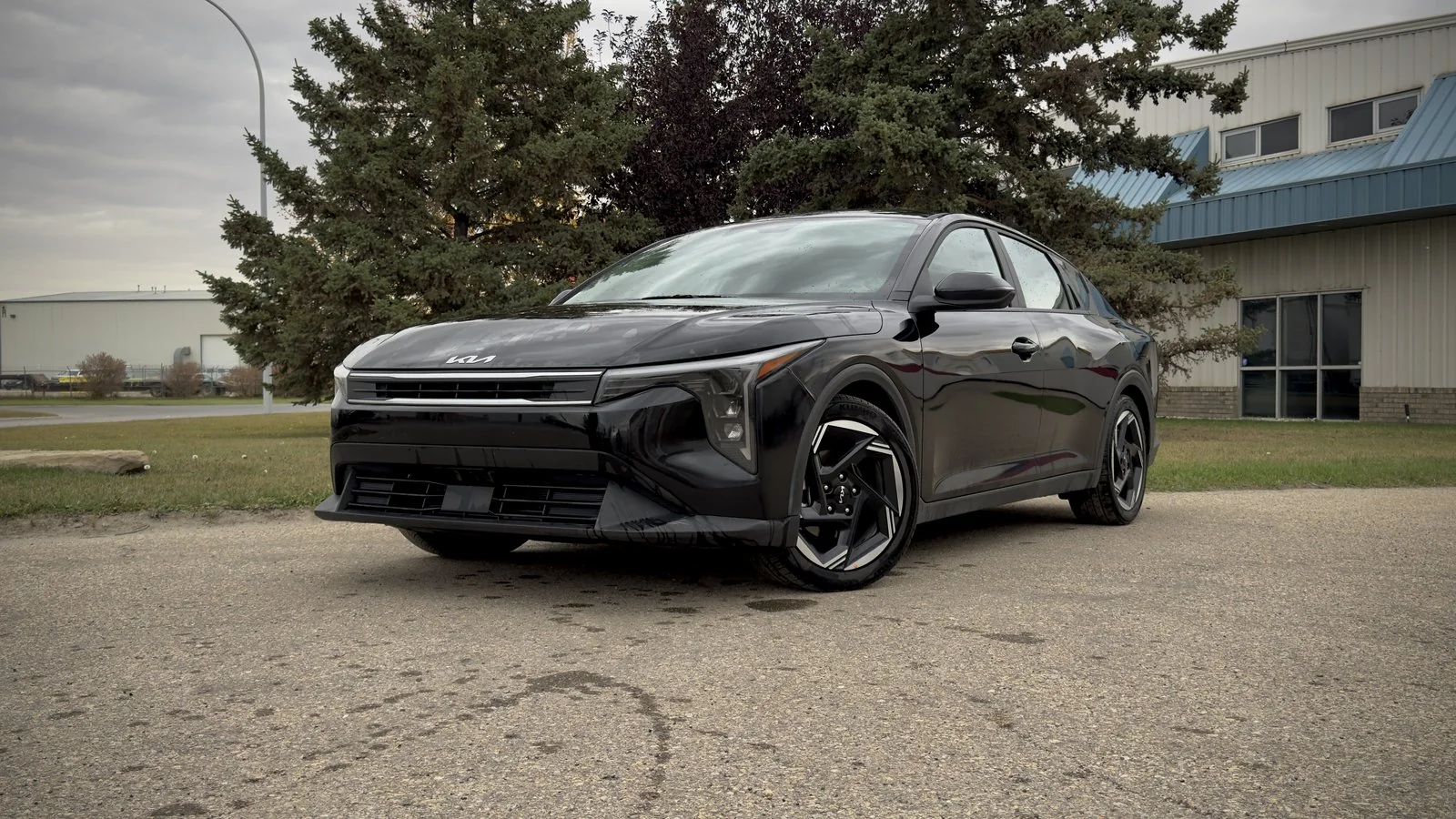
2025 Kia K4 EX
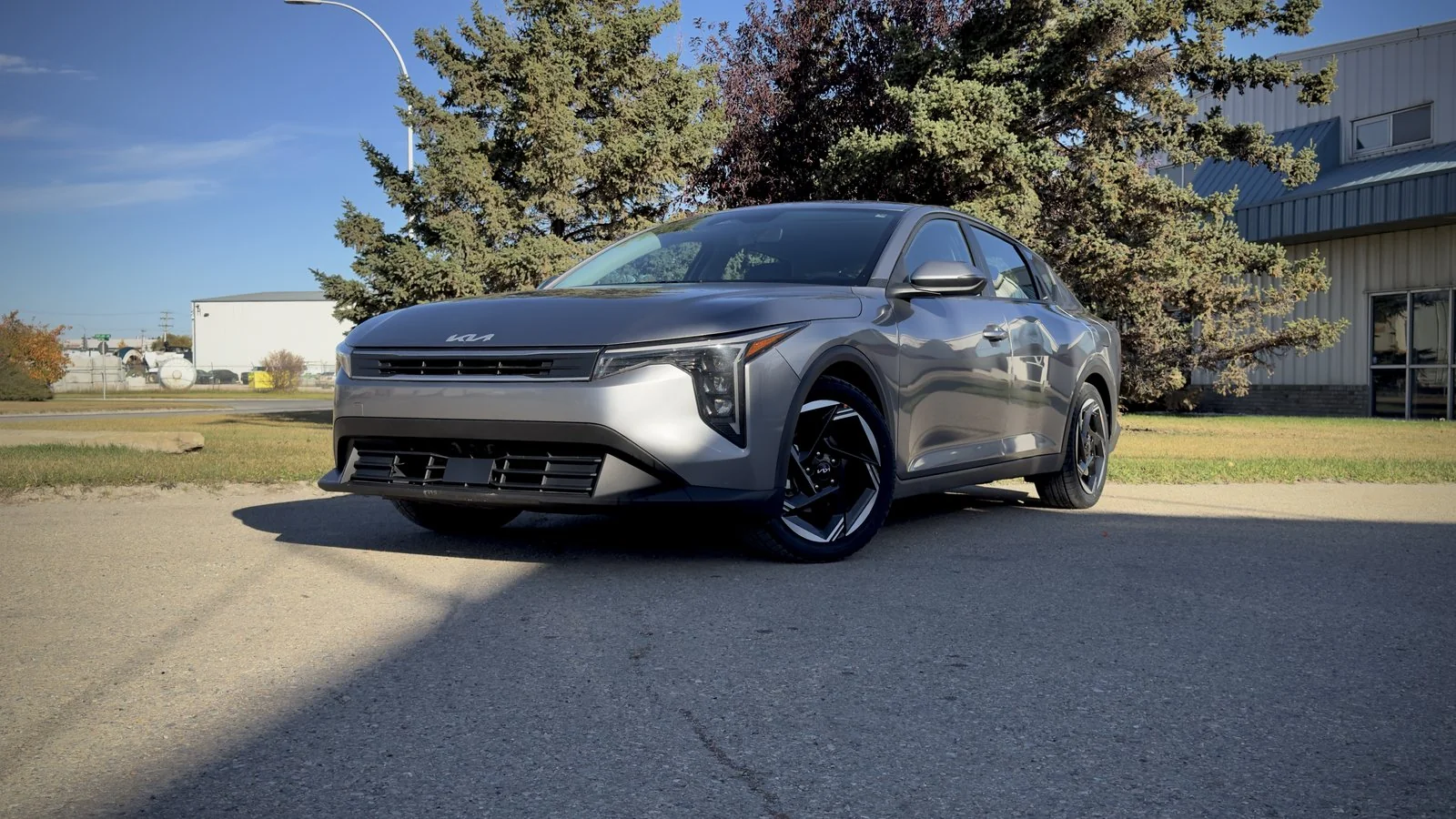
2025 Kia K4 EX
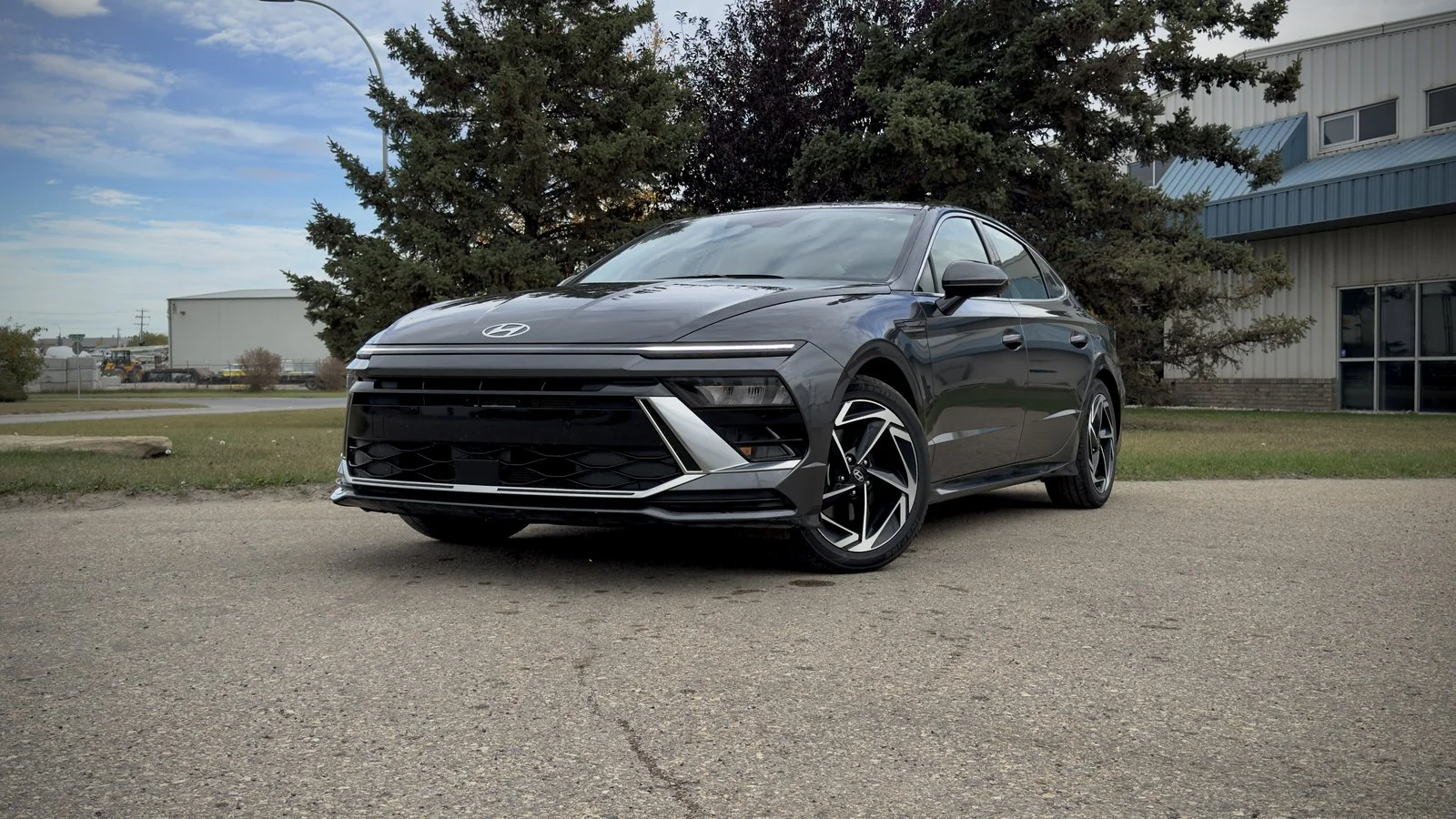
2025 Hyundai Sonata Preferred w/ Trend
Not seeing it? We'll find it.
We source through our dealer partner network across Western Canada: 25,000+ vehicles to choose from. Tell us what you want and what works for your budget.
Find my car3 min · no credit impactOAC = on approved credit. Payments are examples at 6.49% APR over 84 months with $0 down, based on each vehicle's advertised price; GST extra. Your rate depends on your credit (4.99%–29.9% APR).
Related Articles
Ready to Find Your Vehicle?
Browse our inventory or apply for financing. All credit situations welcome.
5.0118+ Google ReviewsAMVIC LicensedFree Delivery 300km