
Should You Pay Off Your Car Loan Early? The Complete Math
In this article
- The Core Question: What Does Early Payoff Actually Cost (or Save)?
- When Early Payoff Clearly Makes Sense
- High Interest Rate (Above ~10%)
- No Prepayment Penalty
- You Want to Trade or Sell the Vehicle
- You Want Financial Simplicity and Flexibility
- When Early Payoff Doesn't Make Sense
- Very Low Interest Rate (Below ~5%)
- You Have No Emergency Fund
- You Have Higher-Rate Debt Elsewhere
- The Math: Extra Payments on a Real Loan
- Lump-Sum Payoff vs. Increased Regular Payments
- Prepayment Penalties in Canadian Auto Loans
- How Early Payoff Affects Your Credit Score
- The Alberta Context: OAC Terms and Subprime Realities
- The Tax Angle (and Why It Barely Matters for Most Albertans)
- Making the Decision: A Simple Framework
- What to Do With the Freed Cash Flow
- Related Buyer Guides
- Compare and Apply
Check Your Options in 3 Minutes
No credit impact. All credit situations welcome.
5.0118+ Google ReviewsAMVIC LicensedFree Delivery 300km
You've been making payments faithfully, and somewhere along the line you found yourself with extra cash — a tax refund, a bonus, a side income that finally got ahead of itself. And the question hits you: should you throw this at the car loan and be done with it, or is there a smarter move? The answer is less obvious than most financial advice makes it sound, and it depends entirely on four variables that are specific to your situation. Here's the complete math — no vague generalities, no filler advice.
The Core Question: What Does Early Payoff Actually Cost (or Save)?
Paying off a car loan early saves you interest. How much interest depends on three things: how much you still owe, what rate you're paying, and how many payments remain. For most subprime and near-prime borrowers in Alberta carrying rates in the 12-24% range, early payoff returns very well — often better than any risk-free savings alternative available to them.
Let's establish a baseline. A $20,000 loan at 14.99% over 72 months costs $18,532 in total interest. If you made every scheduled payment and never touched it, the lender collects that $18,532 on top of your principal. Every month you pay off early is a month of interest you don't pay. And because of how car loan amortization works — front-loading interest in the early months — paying extra at the start of the loan has much more impact than paying extra at the end.
The guiding principle: If your loan rate exceeds what you can reliably earn on the same money after tax, pay off the loan. If your loan rate is significantly below what you can earn, invest the difference. Most subprime borrowers in Canada should pay off the car loan — the math strongly favours it.
When Early Payoff Clearly Makes Sense
High Interest Rate (Above ~10%)
If you're carrying a rate above 10% — common in subprime financing, where rates range from 12.99% to 29.9% — paying off the loan early is almost always the right financial move. Here's why: to beat a guaranteed 15% return (which is what paying off a 15% loan provides), you'd need to find an investment that consistently returns more than 15% after tax with equivalent certainty. Government bonds are paying 3-5%. High-interest savings accounts are around 4-5%. Even equity markets average 7-10% before tax over the long run — and they come with risk and volatility that a guaranteed loan payoff does not.
There is no risk-free Canadian investment that reliably beats a 14.99% car loan. If you have extra money and a high-rate loan, the loan wins. Full stop.
No Prepayment Penalty
Most Canadian auto loans — including virtually all subprime auto loans — have no prepayment penalty. The lender cannot charge you for paying early, and you can pay off the full balance at any time by requesting a payout figure. This is different from many mortgage products in Canada, which carry interest rate differential penalties for early payoff. Confirm before you pay, but in most cases the path is clear.
You Want to Trade or Sell the Vehicle
If you're planning to trade in your vehicle, paying down the balance first can mean the difference between having positive equity (a trade-in credit) and negative equity (rolling a shortfall into your next loan). Even a few thousand dollars of extra principal payments can shift your equity position meaningfully if the vehicle is near the crossover point. Check where you stand on negative equity before making that trade.
You Want Financial Simplicity and Flexibility
An owned vehicle is a financial buffer. If you lose your job, face a medical issue, or need to redirect cash flow, not having a car payment gives you significant breathing room. The stress reduction of owning an asset outright has real value that doesn't show up in an interest-rate comparison. For Albertans in cyclical industries — oilfield, construction, trades — this buffer is worth more than the average because income can shift dramatically between good and lean cycles.
When Early Payoff Doesn't Make Sense
Very Low Interest Rate (Below ~5%)
If you financed your vehicle at 3.99% or 4.99% — rates available to prime borrowers with strong credit — the math changes. In an environment where a TFSA holding an index fund can reasonably return 7-9% before tax over time, the 3-5% spread between your loan cost and potential investment return favours investing. Money in a TFSA grows tax-free; the return on paying off a 3.99% loan is a guaranteed 3.99% — good, but potentially beatable in the long run.
This is the "invest the difference" argument that works well for prime borrowers — and essentially never for subprime borrowers paying 14-24%, because the math simply doesn't support it at those rates.
You Have No Emergency Fund
Before throwing a lump sum at a car loan, ask: do you have three to six months of essential expenses in accessible savings? Paying off a loan is a perfectly irreversible use of that cash. If an emergency hits the following week, the lender will not give you the money back just because you need it. A car loan with low payments is not as dangerous as being completely cash-strapped when a furnace fails, a medical bill arrives, or hours get cut at work. Build the emergency fund first.
You Have Higher-Rate Debt Elsewhere
If you're carrying credit card debt at 19.99-22.99% (standard Canadian card rates), consumer finance debt above your auto loan rate, or payday loans at catastrophic rates — those need to go first. Order your debts from highest rate to lowest, and attack them in that order. The car loan might be third or fourth in line, not first.
The Math: Extra Payments on a Real Loan
Let's get specific. Our benchmark: $20,000 loan at 14.99% over 72 months. Biweekly payment: $247. Total interest if paid as scheduled: $18,532.
Now add an extra $50 every biweekly payment, applied directly to principal:
| Strategy | Extra Per Payment | Months to Payoff | Total Interest | Interest Saved |
|---|---|---|---|---|
| Scheduled payments only | $0 | 72 months | $18,532 | — |
| Extra $50/biweek to principal | $50 | ~62 months | ~$15,800 | ~$2,700 |
| Extra $100/biweek to principal | $100 | ~55 months | ~$13,600 | ~$4,900 |
| Extra $200/biweek to principal | $200 | ~43 months | ~$10,200 | ~$8,300 |
Adding $100 extra per biweekly payment saves almost $5,000 in interest and cuts 17 months off the loan. That's a 16-month earlier vehicle ownership date — 16 months of complete payment freedom — in exchange for $100 per payment. The return on that $100 is exceptional compared to any savings account or GIC available today.
Now model a lump-sum payoff. You receive a $5,000 tax return. You're at month 18 of the same loan, and your current balance is around $17,200. Applying all $5,000 to principal:
- New balance: ~$12,200
- Remaining term at current payment: roughly 33 months instead of 54 months
- Interest saved: approximately $4,100
- Return on that $5,000 lump sum: 82% over the remaining loan period
You will not find an 82% return on $5,000 anywhere in a risk-free format. This is why lump-sum paydowns on high-rate auto loans are one of the best available personal finance moves for most subprime borrowers. Use our payment calculator to model your own numbers with your exact balance and rate.
Lump-Sum Payoff vs. Increased Regular Payments
Both approaches reduce your interest cost, but they work differently:
Lump-sum to principal gives you an immediate large reduction in the balance, which then generates less interest on every subsequent payment. The impact is front-loaded — you benefit from the full lump sum immediately and carry that benefit for the remaining loan life. Best used when you receive windfall cash (tax return, bonus, inheritance).
Increased regular payments builds a habit and consistently accelerates your amortization schedule. Less dramatic in any single period, but extremely effective cumulatively. Best used when you have ongoing income flexibility — a raise, a side income, lower expenses after paying off another debt.
The optimal strategy for most people: do both. Apply any windfalls (tax return, bonus) as lump sums when they arrive, and permanently increase your regular payment by whatever your budget can absorb. Even $25 extra per payment compounds meaningfully over a 72-month loan. The accelerated payments guide covers how to set this up with your lender.
Prepayment Penalties in Canadian Auto Loans
In Alberta and across Canada, most auto loans — particularly subprime auto loans through the lenders that specialize in credit rebuilding — carry no prepayment penalty. You can pay extra on principal or pay off the full balance at any time with no additional charge.
However, some lenders — particularly buy-here-pay-here dealers and certain private lender arrangements — do include prepayment terms in their contracts. Before making any large extra payment or lump-sum payoff, take 10 minutes to read your loan agreement. Look for terms like "prepayment penalty," "early termination fee," or "interest rebate method." If you're unsure, call the lender and ask directly: "Is there any penalty or fee if I pay additional principal or pay off the loan in full early?"
Most lenders will confirm there's no penalty without hesitation. If the answer is vague or evasive, get it in writing before you send the money.
How Early Payoff Affects Your Credit Score
This surprises many people: paying off a car loan early can cause a small, temporary dip in your credit score. Understanding why removes the fear from this outcome.
Your credit score rewards active, well-managed credit accounts. When you close an installment account by paying it off, you lose the positive payment history contribution that account was making month by month. The account remains on your credit file for 6-10 years after closing and continues to support your credit history length — but the monthly positive signal stops.
The dip is typically small (5-20 points) and temporary. Within 3-6 months, other factors in your credit profile adjust, and the score stabilizes. Long-term, having successfully paid off an installment loan is a positive mark on your history. The relationship between car payments and credit works in both directions: consistent on-time payments build your score throughout the loan, and a clean payoff conclusion marks a successfully managed account.
If you're in an active credit-rebuilding phase and every point matters for an upcoming mortgage application or new vehicle purchase, time the payoff carefully. Complete the payoff after the new financing is secured, not immediately before you need to apply. The score dip is minor but real, and there's no reason to absorb it at the wrong moment. If a new loan is next, this explainer on what no-credit-check financing really means covers how credit checks work.
The Alberta Context: OAC Terms and Subprime Realities
In Alberta, "OAC" (on approved credit) appears on virtually every vehicle advertisement. It simply means the advertised rate or terms are available to buyers whose credit meets the lender's criteria — the rate you're actually offered depends on your specific credit profile. For prime borrowers, rates might be 6.99-9.99%. For subprime borrowers, 14.99-29.9% is common, with terms often pushed to 72-96 months to keep payments manageable.
The longer terms and higher rates common in subprime financing are precisely why the early payoff math is so compelling for this group of borrowers. A prime borrower at 5.99% over 48 months has relatively modest interest cost and a short amortization window. A subprime borrower at 18.99% over 84 months is carrying a very different financial load — and every extra dollar to principal saves dramatically more.
If your credit has improved since you took out your original loan — a common outcome after 18-24 months of on-time payments — it may also be worth exploring refinancing your car loan in Alberta to a lower rate before doubling down on payoff. A rate reduction from 18.99% to 12.99% changes the payoff math significantly and might free up monthly cash flow you can then redirect to accelerated payments.
The Tax Angle (and Why It Barely Matters for Most Albertans)
In the United States, mortgage interest is tax-deductible — which is why Americans are often told to keep mortgages and invest the difference. In Canada, personal car loan interest is not tax-deductible for personal vehicles. There is no Canadian tax argument for maintaining a high-rate personal car loan.
The one exception: if you use your vehicle exclusively for business and the vehicle is purchased through a business entity, interest costs may be deductible as a business expense. This is a conversation for your accountant — but for the vast majority of personal vehicle owners, the tax angle is a non-factor. Pay off the loan.
Alberta also has no provincial income tax credits related to vehicle financing costs for personal use. The only meaningful tax-related strategy for most Albertans is timing: if you're expecting a tax refund in the spring — which is common when RRSP contributions or other deductions apply — planning to apply that refund as a lump sum to principal in March or April is a concrete, repeatable annual strategy. The CRA refund becomes a principal paydown, which becomes reduced interest over the remaining loan life. Year after year, that pattern compounds meaningfully.
If you're also managing broader personal debt alongside the car loan, the debt consolidation calculator can help you see how different repayment strategies interact — especially if you're considering whether to consolidate debt or attack individual loans one at a time.
Making the Decision: A Simple Framework
Cut through the noise with these four questions:
- What is my exact interest rate? Above 10%? Pay off the loan aggressively. Below 5%? Consider investing the difference. 5-10%? Hybrid approach makes sense.
- Do I have an emergency fund of 3+ months expenses? If no, build that first. Then attack the loan.
- Do I have higher-rate debt (credit cards, payday loans)? If yes, address those first in rate order.
- Is there a prepayment penalty? Check your loan agreement. Almost certainly no, but verify.
If you answered: high rate / emergency fund intact / no higher-rate debt / no penalty — pay off the car loan. The math is clear. If one of those conditions changes, revisit the order.
What to Do With the Freed Cash Flow
Here's the part most financial advice forgets: once the car is paid off, the payment doesn't disappear — you're still used to making it. The smartest move is to redirect that exact biweekly amount into a TFSA or RRSP immediately, before lifestyle inflation absorbs it. If you were paying $247 biweekly, set up an automatic $247 biweekly transfer to savings the moment the loan is retired.
That habit — taking money you were already spending and redirecting it to assets — is how people build wealth in a vehicle-heavy lifestyle. The vehicle is owned. The payment behaviour continues. The destination just changed from the lender to you.
Whether you're looking to pay off an existing loan faster or structure your next vehicle purchase for the lowest total cost, our team works through the numbers honestly. Check out the Toyota Corolla and similar vehicles with strong reliability records for lower long-term ownership costs, or head directly to our financing page to see what terms are available for your situation right now. We serve customers across Alberta, including Edmonton, Calgary, and the surrounding region.
The goal isn't just to get you into a vehicle — it's to help you build a financial position you're proud of.
Compare and Apply
- Bad Credit Car Loans — Complete Guide — financing for low credit scores
Financing Resources
Cars you could drive home
See all inventory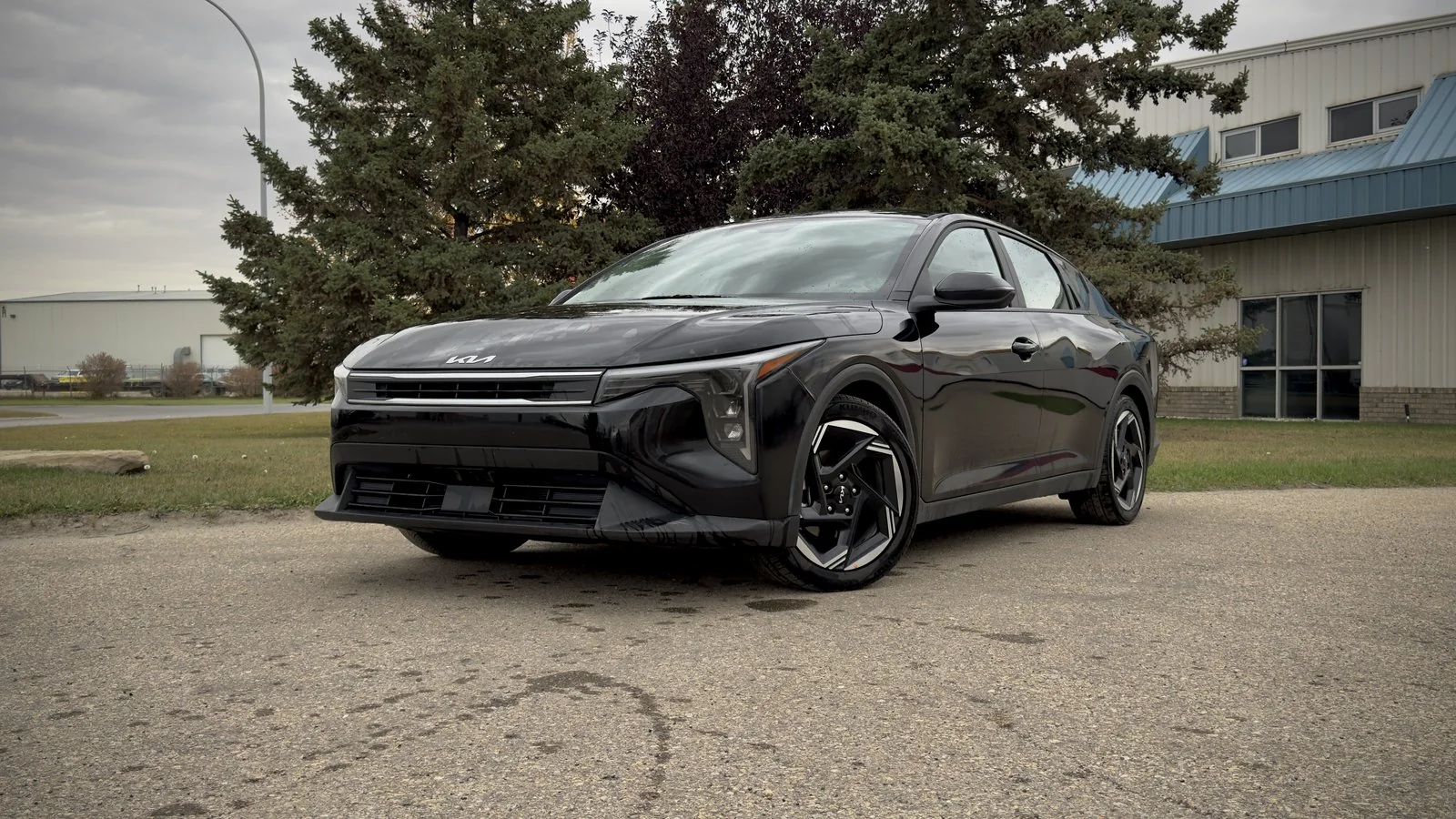
2025 Kia K4 EX
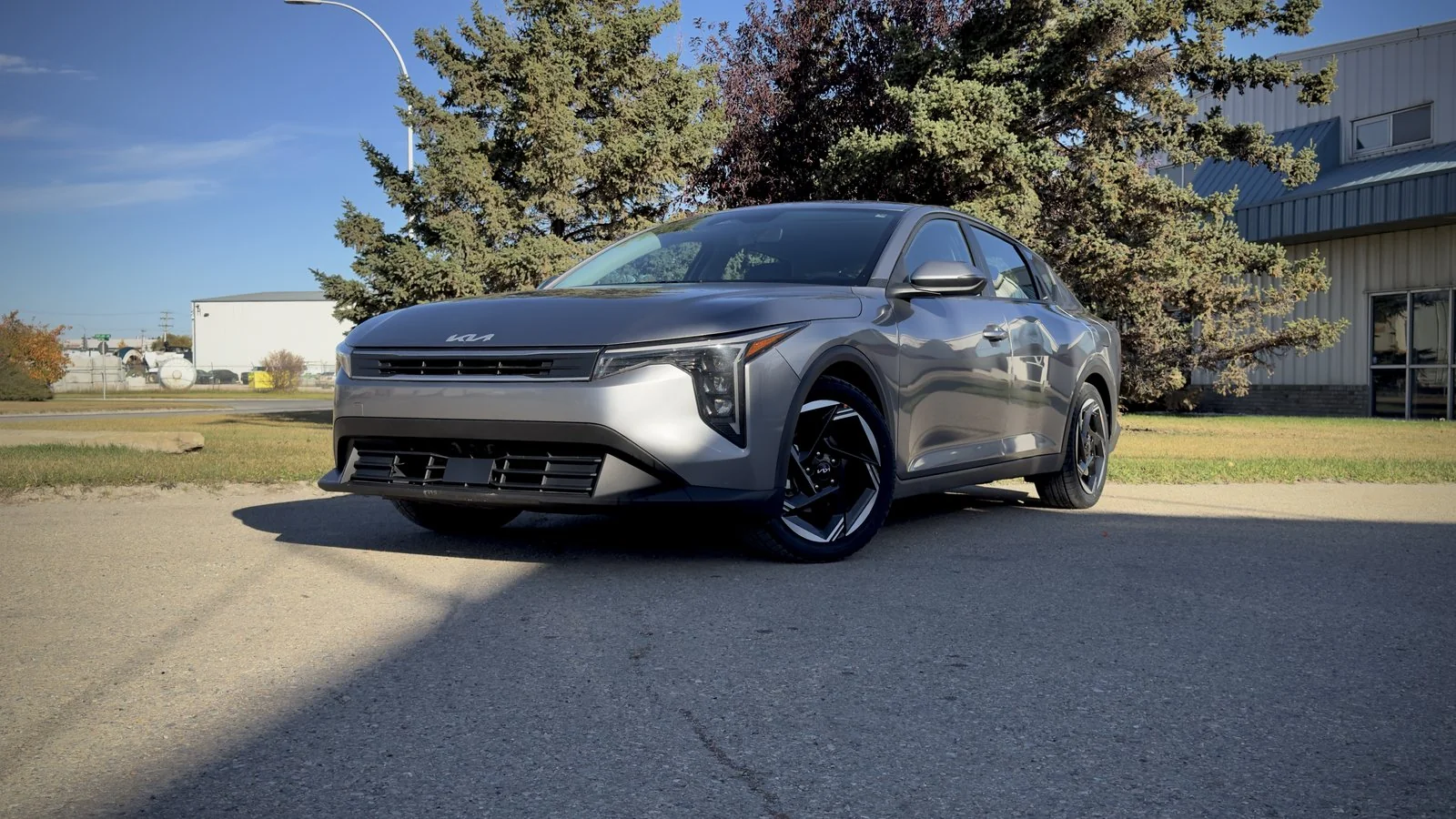
2025 Kia K4 EX
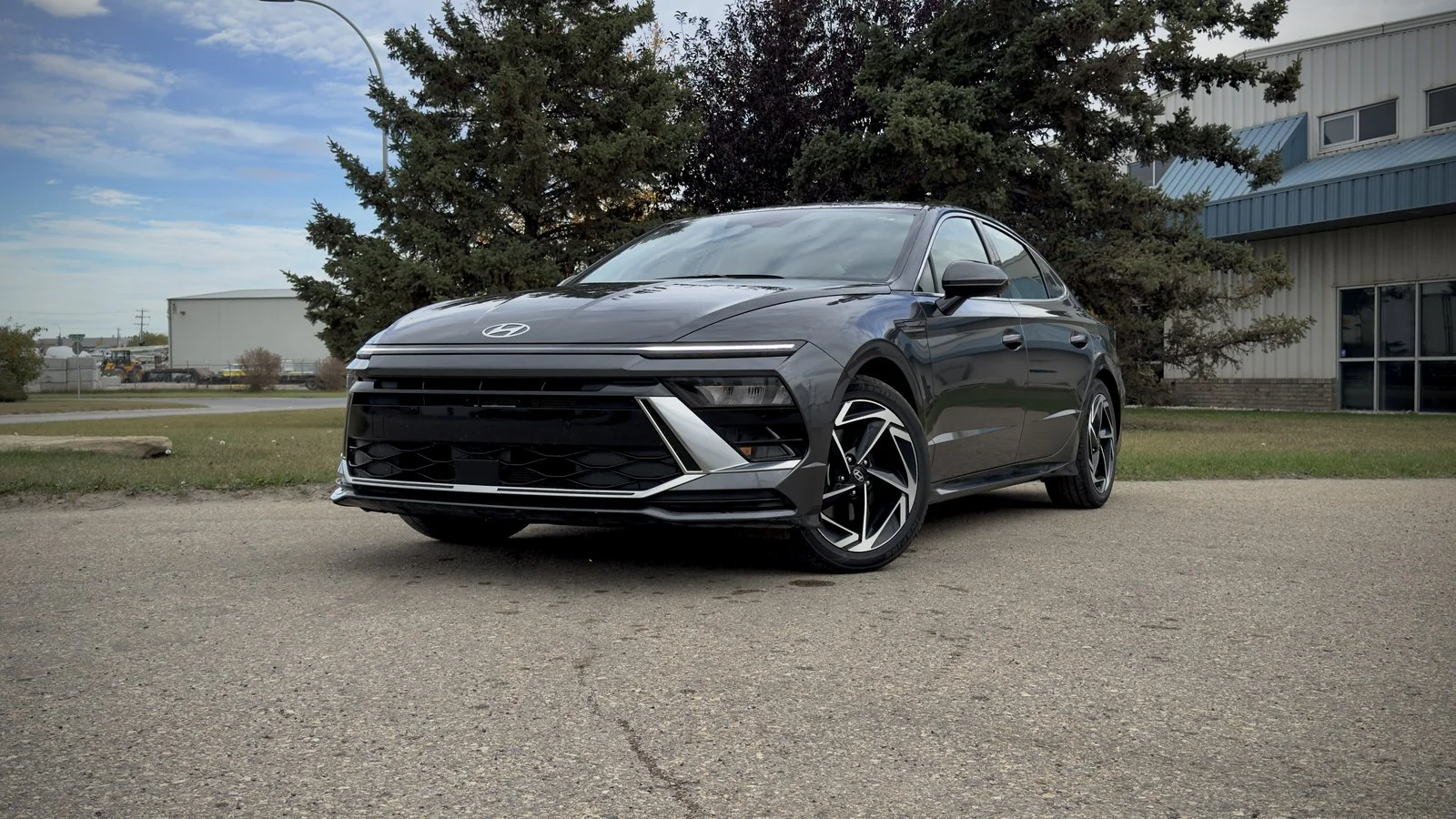
2025 Hyundai Sonata Preferred w/ Trend
Not seeing it? We'll find it.
We source through our dealer partner network across Western Canada: 25,000+ vehicles to choose from. Tell us what you want and what works for your budget.
Find my car3 min · no credit impactOAC = on approved credit. Payments are examples at 6.49% APR over 84 months with $0 down, based on each vehicle's advertised price; GST extra. Your rate depends on your credit (4.99%–29.9% APR).
Related Articles
Ready to Find Your Vehicle?
Browse our inventory or apply for financing. All credit situations welcome.
5.0118+ Google ReviewsAMVIC LicensedFree Delivery 300km