
Buy Here Pay Here vs Subprime Financing
Both options serve borrowers the traditional lending system overlooks — but they are not the same thing. Understanding the difference can save you thousands and change your credit trajectory for years.
Last reviewed: October 2026
What is the difference between buy here pay here and subprime financing in Alberta?
Buy here pay here means the dealership is the lender — higher rates, shorter terms, limited reporting. Subprime financing uses a network of specialty lenders with better rates, longer terms, and full credit reporting.
Not Sure Which Is Right?
Apply once — we compare options for you.
5.0118+ Google ReviewsAMVIC LicensedFree Delivery 300km
Key Facts
- Lender network
- 21+ lenders
- Credit building
- Reports to bureaus
- Rate range
- 6–29%
- Vehicle sourcing
- We have access to 25,000+ vehicles through our dealer partner network
The Credit-Building Distinction
What Is Buy Here Pay Here?
Buy here pay here (BHPH) is a financing arrangement where the dealership itself lends you the money and collects your payments directly — no bank or third-party lender involved. Unlike subprime dealership financing, there is no regulated lender behind the loan, which affects interest rates, credit reporting, and consumer protections.
Buy here pay here (BHPH) is a form of dealer financing where the lot itself acts as your lender. There is no bank, no credit union, and no third-party lending institution involved. You borrow from the dealer, and you make payments directly back to that same dealer — which is exactly where the name comes from.
The appeal is accessibility. Because there is no outside lender to approve or decline the application, BHPH dealers can say yes to almost anyone with verifiable income. For people who have been turned down repeatedly elsewhere, this feels like a lifeline.
The trade-off is significant: when the dealer controls both the vehicle sale and the financing, the checks that exist in a regulated lending environment disappear. Rates, terms, and repossession practices vary widely — and the borrower is almost always on the weaker side of that equation.
Why Are BHPH Interest Rates So High?
BHPH interest rates are high — typically 25–35% or more — because the dealership takes on all the lending risk itself, without the institutional backing or regulatory rate constraints that apply to licensed lenders. The concentrated default risk, combined with no regulatory caps in many jurisdictions, produces rates far above what subprime lenders charge.
BHPH dealers are lending their own capital — or borrowed capital — without the institutional backing, regulatory framework, or diversified risk pool that licensed lenders operate with. To offset that concentrated risk, they price loans aggressively. Rates of 25 to 35 percent or higher are common. Some programs, when you calculate the implied APR from the total payment structure, reach far above that.
No regulatory rate caps
In many jurisdictions, BHPH dealers face minimal oversight on the interest rates they charge. Licensed lenders operate within provincial and federal consumer protection frameworks. BHPH often does not.
Concentrated default risk
A bank spreads risk across thousands of loans. A BHPH lot might carry 50 to 200 active accounts. Every default hurts proportionally more, so rates are set to account for higher expected loss.
Double-dip economics
The dealer profits on the vehicle sale and on the financing. This dual revenue stream is part of the business model — and the financing margin can be substantial.
The Credit-Building Advantage of Subprime Financing
A licensed lender — whether a bank, credit union, or specialty subprime institution — reports your loan to Equifax and TransUnion every single month. That monthly reporting is how a car loan becomes a credit-rebuilding tool. Each on-time payment adds a positive mark to your credit file, and consistent positive marks compound over time.
BHPH dealers often do not report to credit bureaus at all. You make every payment perfectly for two years and your credit score does not move. You exit the loan exactly where you entered it — with no documented payment history, no improved score, and no better options than when you started.
The Two-Year Credit Rebuilding Window
24 months of on-time subprime financing payments typically generates 24 positive entries on your credit report. Most borrowers who start in the 500-550 range reach 620-660 within that window — with no other changes. That improvement meaningfully broadens lender options and reduces rates on the next vehicle purchase.
How Subprime Financing Actually Works
Subprime financing is not a single product — it is a tier of the lending market. A subprime dealership works with a network of lenders who have built underwriting criteria specifically for borrowers with damaged or limited credit. The dealership submits your application to that network and matches you with the lender offering the best available terms for your situation.
Application — takes about 2 minutes
Basic personal information, employment, and monthly income. No commitment, no obligation at this stage.
Lender matching across 21+ institutions
The dealership submits to its lender network simultaneously. Each lender has different appetite for credit situations — this is why access to more lenders produces better outcomes. Rifco, Eden Park, IA Auto Finance, Spring Financial, and others all have different programs, as do prime lenders, including major-bank programs we can access through our lender network (TD, CIBC, National Bank).
Approval review by phone
You are walked through the rate, term, and monthly payment options. You decide whether the terms work for your budget before any paperwork is signed.
Vehicle selection from a wide pool
With access to 25,000+ vehicles through our dealer partner network, you are not limited to whatever is on one small lot. You choose a vehicle that fits your approval and your needs.
Drive — and start building credit
The loan is funded by the lender, reported to credit bureaus monthly, and managed under a regulated framework with standard consumer protections.
Side-by-Side: BHPH vs Subprime Dealership
| Factor | Buy Here Pay Here | Subprime Dealership (Shift Happens) |
|---|---|---|
| Who finances | The lot itself | Licensed third-party lenders (21+) |
| Credit reporting | Often does not report to bureaus | Reports to bureaus — rebuilds credit |
| Interest rates | 25–35%+ | 6–29% |
| Vehicle quality | Often high-mileage, no warranty | Inspected, warranty-eligible |
| Vehicle selection | Limited on-lot only | We have access to 25,000+ vehicles through our dealer partner network |
| Down payment | Often requires large down payment | Flexible — some $0 down (OAC) |
| Repossession | Aggressive repo policies — GPS kill switches common | Standard lender terms with proper notice |
| Regulatory oversight | Minimal | Lenders regulated by provincial and federal law |
| Long-term benefit | None — stuck in cycle without credit improvement | Builds credit toward better rates next time |
On a $20,000 loan over 60 months, the difference between 29% (BHPH) and 14% (subprime) is approximately $4,800 in total interest.
Questions to Ask Any Dealership Before You Sign
Whether you are evaluating a BHPH lot or a subprime dealership, the answers to these questions tell you almost everything you need to know. A dealer who cannot or will not answer them clearly is showing you the most important information of all.
Do you report payments to Equifax and TransUnion?
If the answer is no, your payments build zero credit history. For most people rebuilding credit, this eliminates the primary long-term benefit of taking on the loan.
What is the APR — not just the monthly payment?
Monthly payment math can obscure an extremely high rate. Ask for the annual percentage rate and calculate what you are actually paying for the money. Compare that to alternatives.
Has this vehicle been inspected, and does it come with a warranty?
BHPH lots often carry older, higher-mileage vehicles that may have deferred maintenance. A vehicle breakdown with no warranty and a high-rate loan is a compounding financial problem.
What is your repossession policy?
Some BHPH dealers install GPS kill switches and can remotely disable the vehicle after a single missed payment. Know the timeline and process before you sign.
Are there prepayment penalties?
Paying off a loan early is generally good for the borrower. Some BHPH structures penalize early payoff to protect the dealer's interest income. Check before signing.
Frequently Asked Questions
What is the difference between buy here pay here and subprime financing?
Buy here pay here (BHPH) means the dealership itself lends you the money and collects payments directly — no bank or third-party lender involved. Subprime financing routes your application through licensed lenders who specialize in challenged credit. With subprime financing, you still deal with the dealership but the loan is funded and held by a regulated lender. This distinction affects interest rates, credit reporting, vehicle selection, and your long-term financial outcome.
Does buy here pay here build credit?
Many BHPH dealerships do not report payments to credit bureaus at all. When they do report, the consistency and structure of reporting can vary. Subprime financing through licensed lenders reports to both Equifax and TransUnion every month as a standard installment account — making it the more reliable tool for deliberate credit rebuilding.
Why are buy here pay here interest rates so high?
BHPH dealers take on all the lending risk themselves without the capital base or regulatory oversight of a licensed financial institution. To compensate for that risk, they charge rates typically ranging from 25 to 35 percent or higher. Subprime lenders, regulated by provincial and federal law, operate with more competitive structures — rates at Shift Happens typically range from 6 to 29 percent depending on the credit situation.
Can I get subprime financing with very bad credit?
Yes. Subprime lenders exist specifically for borrowers with damaged credit histories — including consumer proposals, discharged bankruptcies, collections, and scores as low as 300. A dealership with 20 or more lender relationships can match your application to the lender most likely to approve it. The key advantage over BHPH is that approval comes from a regulated institution with transparent terms and credit bureau reporting.
What questions should I ask before signing with a buy here pay here dealer?
Ask: (1) Do you report payments to Equifax and TransUnion? (2) What is the APR on this loan — not just the monthly payment? (3) What is the vehicle's history and does it come with a warranty? (4) What is your repossession policy and how many missed payments trigger it? (5) Are there prepayment penalties? If a dealer cannot answer clearly and in writing, that is a significant red flag.
Related Resources
What Our Customers Say
“I bought my RAV4 from Wes and Luke just before new years! We got the best service possible. I was at the dealership for a total of one hour and we had our deal done. The price was great.”
“Great experience with the team at Shift. The whole experience was easy from start to finish. Wes was quick to respond and answer all my questions. Luke was a dream with the paperwork.”
“Luke was fantastic with helping us get into a mini van, we are MORE than happy. I highly recommend anyone looking for a vehicle to go check out Shift Happens!”
Cars you could drive home
See all inventory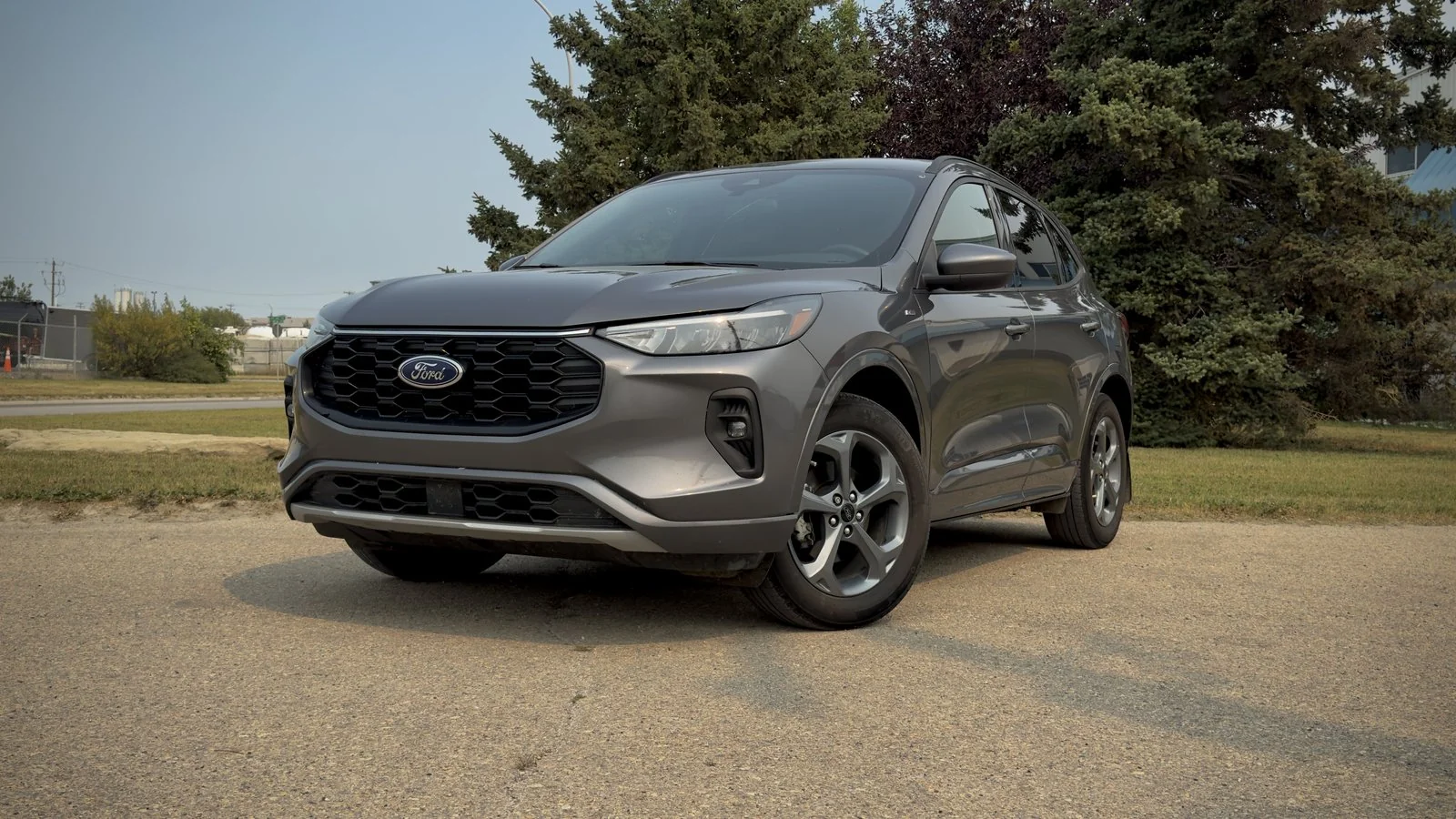
2024 Ford Escape Hybrid ST-Line
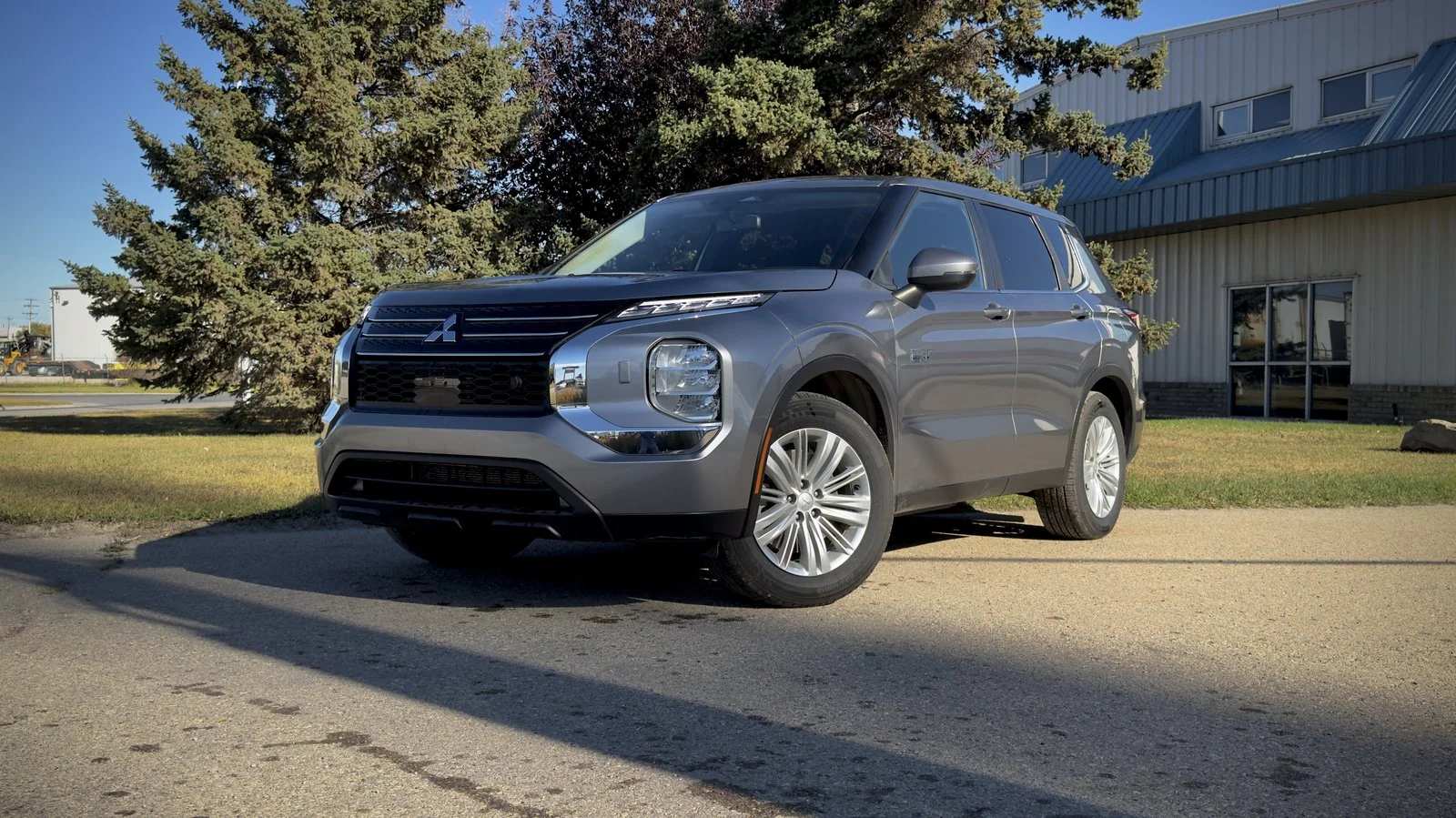
2023 Mitsubishi Outlander ES PHEV

2021 Land Rover Range Rover Evoque R-Dynamic HSE
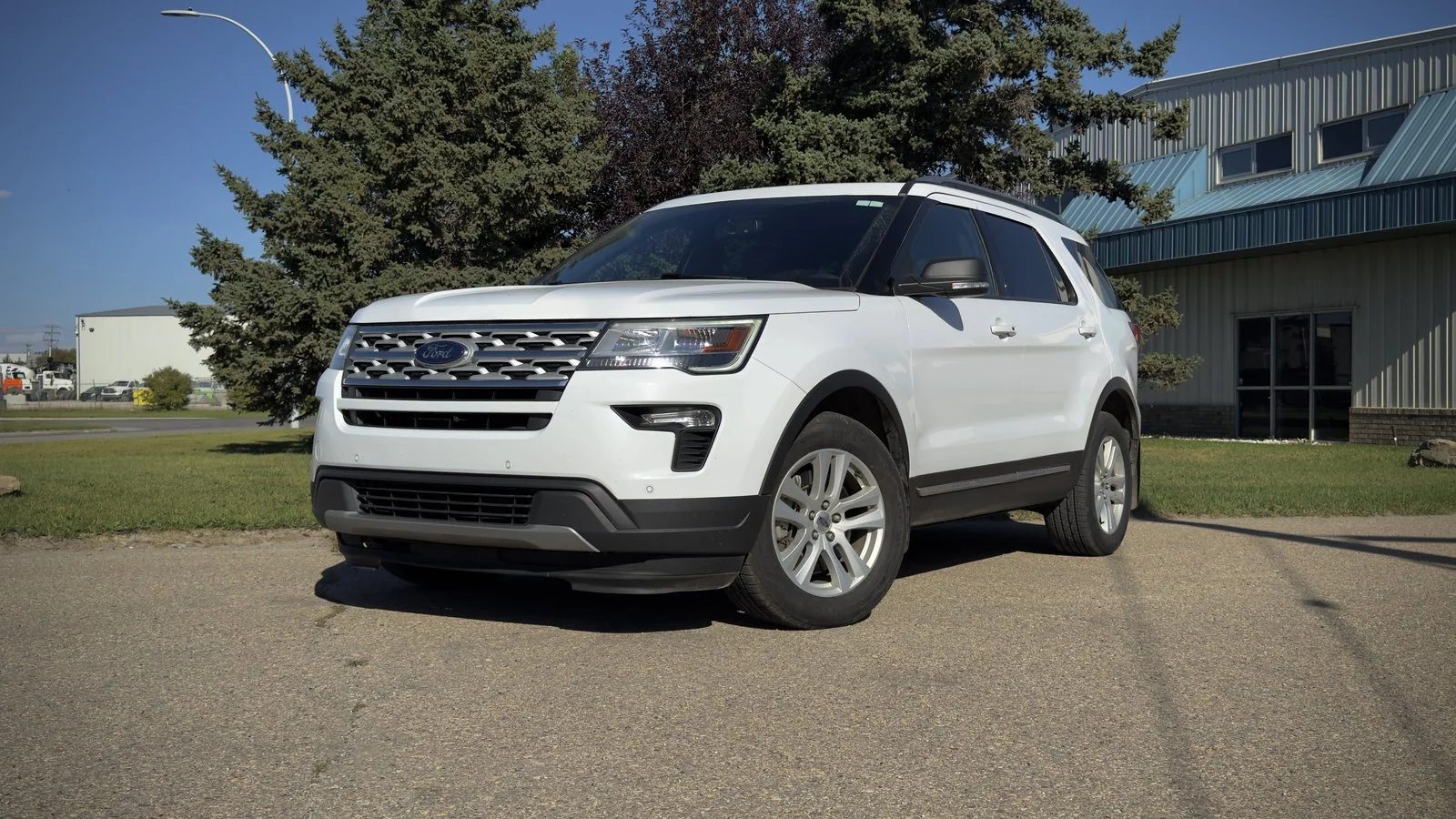
2019 Ford Explorer XLT
Not seeing it? We'll find it.
We source through our dealer partner network across Western Canada: 25,000+ vehicles to choose from. Tell us what you want and what works for your budget.
Find my car3 min · no credit impactOAC = on approved credit. Payments are examples at 6.49% APR over 84 months with $0 down, based on each vehicle's advertised price; GST extra. Your rate depends on your credit (4.99%–29.9% APR).
Not Sure Which Is Right?
Apply once — we compare options for you.
5.0118+ Google ReviewsAMVIC LicensedFree Delivery 300km
Other Financing Options
Not Sure Which Path Is Right for You?
Every situation is unique. We specialize in tailored debt management solutions — reach out for a no-obligation consultation.