
How Long Does Bad Credit Affect a Car Loan?
The Canadian credit reporting timeline, how each negative item affects your rate, and when the impact starts fading.
Last reviewed: October 2026
We Work With All Credit Situations
Apply today — no impact to your credit to check options.
5.0118+ Google ReviewsAMVIC LicensedFree Delivery 300km
Key Facts
- Late Payments
- 6 yrs on report
- Consumer Proposal
- 3 yrs post-completion
- First Bankruptcy
- 6 yrs after discharge
- Lender Network
- 21+
How Long Does Bad Credit Affect a Car Loan?
Most negative items stay on your Canadian credit report 6–7 years. But you can get a car loan — and start rebuilding — while those items are still active. Income and employment stability matter more than your score to subprime lenders.
How Long Each Negative Item Stays on Your Report
Canada's two main credit bureaus — Equifax and TransUnion — follow similar but slightly different retention rules. The table below reflects the standard reporting window for each item type in Alberta and most other provinces.
| Negative Item | Reporting Window | Impact on Car Loan |
|---|---|---|
| Late payment (30–90 days) | 6 years from date of delinquency | Moderate — especially recent ones |
| Charge-off / write-off | 6–7 years from last activity | High — signals default |
| Collection account | 6 years from last activity | High — especially if recent |
| Consumer proposal | 3 yrs after completion or 6 yrs from filing | Very high during active filing; fades post-completion |
| First bankruptcy (discharge) | 6 years after discharge | Very high during active; fades after discharge |
| Second+ bankruptcy | 14 years after discharge | Severe — lenders treat as highest risk tier |
Reporting windows based on Canadian credit bureau guidelines. Exact dates may vary slightly by bureau. Consult your credit report directly for your specific items.
How Bad Credit Actually Affects Your Car Loan
It changes your rate tier — not your eligibility
Bad credit does not automatically disqualify you from a car loan. What it does is move you into a higher rate tier. Subprime lenders are specifically designed for borrowers with damaged credit. The question is not "can you get approved" but "at what rate."
Recent negatives hit harder than old ones
A missed payment from 5 years ago weighs far less than one from 6 months ago. Lenders are reading your credit history as a story — recent behaviour tells them your current risk. A 4-year-old collection with no new negatives looks very different from a fresh missed payment.
Income and employment stability are the counterweight
Subprime auto lenders weigh income heavily. Stable employment — especially 3+ months at your current job, or self-employed with documented income — can offset a damaged credit profile significantly. This is why many borrowers with credit scores under 600 still get approved: their income story is strong.
A car loan actively rebuilds your credit while you drive
Every on-time payment is reported as a positive item. Over 12–24 months, this positive payment history dilutes older negatives. You are not waiting for bad credit to expire — you are actively replacing it with evidence of responsible behaviour. The loan is a tool, not a punishment.
The Rebuild Timeline: What to Expect
Apply and get approved. Your rate will be subprime. Make every payment on time from day one — this is the foundation. Nothing else matters more at this stage.
Positive payment history accumulates. Score begins improving. Avoid new credit inquiries or new debt. Keep other balances low. Your credit profile is stabilizing.
First refinance window opens. Some lenders will revisit your file after 12 months of on-time payments. If your score has moved to near-prime range, you may qualify for a lower rate. Pull your credit report and assess.
Strong refinance territory. Two years of on-time payments opens up near-prime and prime lenders. Old negatives are aging off the report or losing weight. Rates available to you drop meaningfully.
The Goal Is Not to Wait — It's to Build
Frequently Asked Questions
How long does bad credit stay on your credit report in Canada?
In Canada, most negative items remain on your Equifax and TransUnion report for 6–7 years from the date of last activity or the date of the event. Late payments stay 6 years. Bankruptcies stay 6–7 years after discharge. Consumer proposals stay 3 years after completion (or 6 years from filing, whichever is first). The clock starts from the event — not from when you fix the problem.
Can I get a car loan while bad credit items are still on my report?
Yes. Most subprime lenders in Canada make decisions based primarily on your current income and employment stability, not just your score. Having a negative item on your report affects your rate tier — not whether you can be approved at all. Shift Happens works with lenders who approve applicants with active consumer proposals, recent bankruptcies, and credit scores well below 600.
Does a car loan help rebuild credit while bad items are still on the report?
Yes — and this is an important point. An active, on-time car loan is a positive item being added to your report every month. It doesn't erase the old negatives, but it dilutes their impact. After 12–18 months of consistent payments, many borrowers see meaningful score improvement even while old derogatory marks are still visible. The car loan is a tool for rebuilding, not something to wait until your credit is clean to use.
When can I refinance a subprime car loan at a better rate?
Most refinancing opportunities open up at the 12–24 month mark. After 12 months of on-time payments, you have demonstrated credit behaviour that some lenders will act on. After 24 months, the pool widens significantly. The practical trigger is when you can move from a subprime rate tier to a near-prime or prime tier — which reduces your payment materially, not just marginally.
What credit score do I need to stop being considered bad credit in Canada?
There is no universal threshold, but lenders generally categorize: below 580 as deep subprime, 580–629 as subprime, 630–679 as near-prime, and 680+ as prime. Moving from subprime to near-prime is a meaningful jump in rate availability. Most Canadians rebuilding credit can achieve near-prime range within 18–36 months of consistent positive credit behaviour.
Does paying off old debt immediately improve my score?
Not always as dramatically as people expect. Paying a collection or old debt marks it as 'paid' — which is better than unpaid — but the negative history remains for its full reporting window. What improves your score more reliably is: making all current payments on time, keeping credit utilization low, and adding positive credit history (like a car loan) over time. Time and behaviour are the primary drivers.
One application — 21+ lenders.
We submit your file once and shop every lender that fits your profile, from deep-subprime specialists to prime lenders, including major-bank programs we can access through our lender network.
What Our Customers Say
“Luke and Wes are a fantastic team! I purchased a Lincoln Corsair in pristine condition. They got me the best interest rate for my financing and even helped me find the best insurer.”
“Dealt with Luke and Wes. It was one of the best car buying experiences I have ever encountered. I went back to buy another vehicle from these guys as they are just so easy to deal with.”
“Excellent service, very happy with my ride, thank you Luke and Wes!”
Cars you could drive home
See all inventory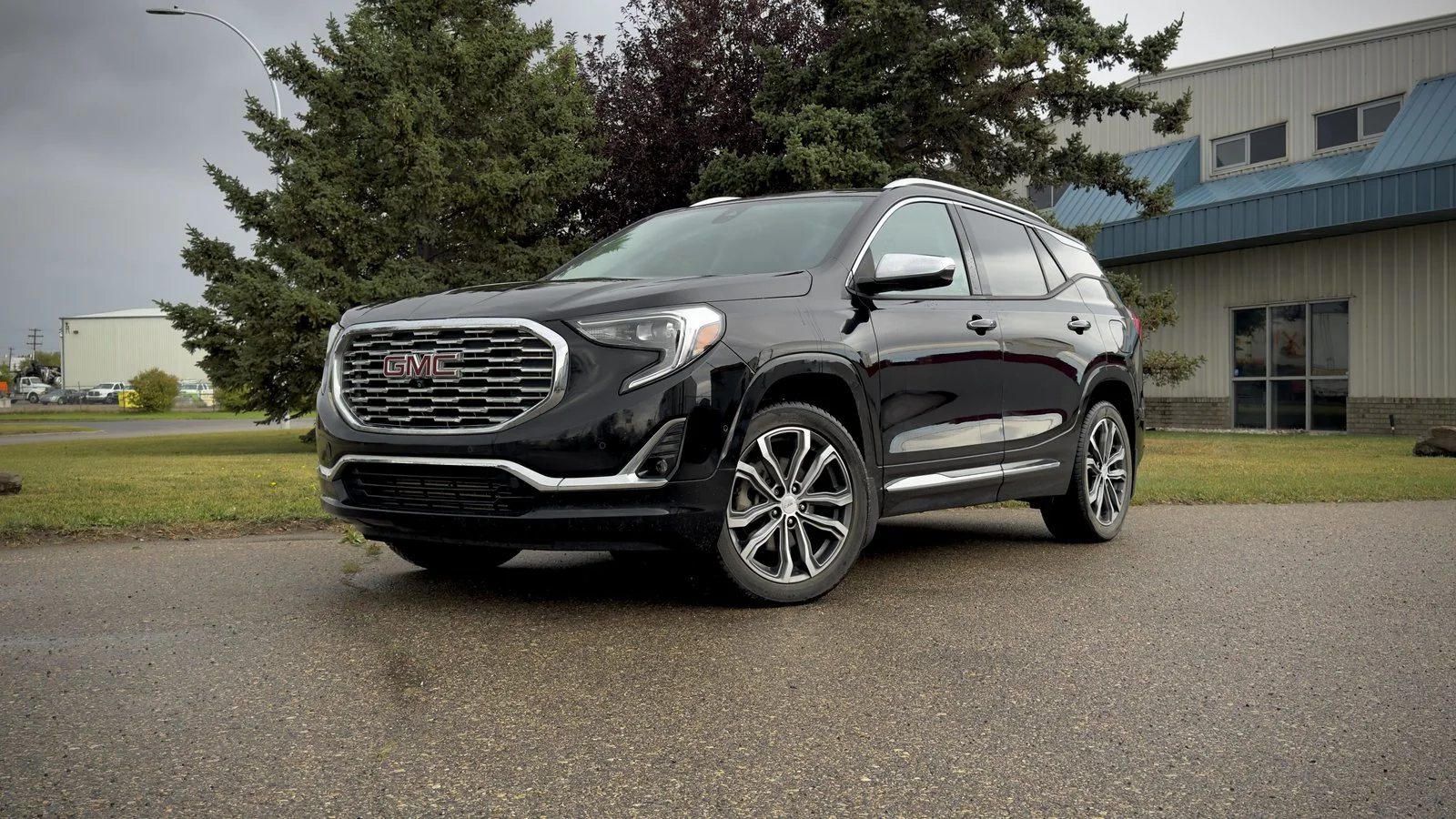
2020 GMC Terrain Denali

2014 BMW X3 xDrive28i
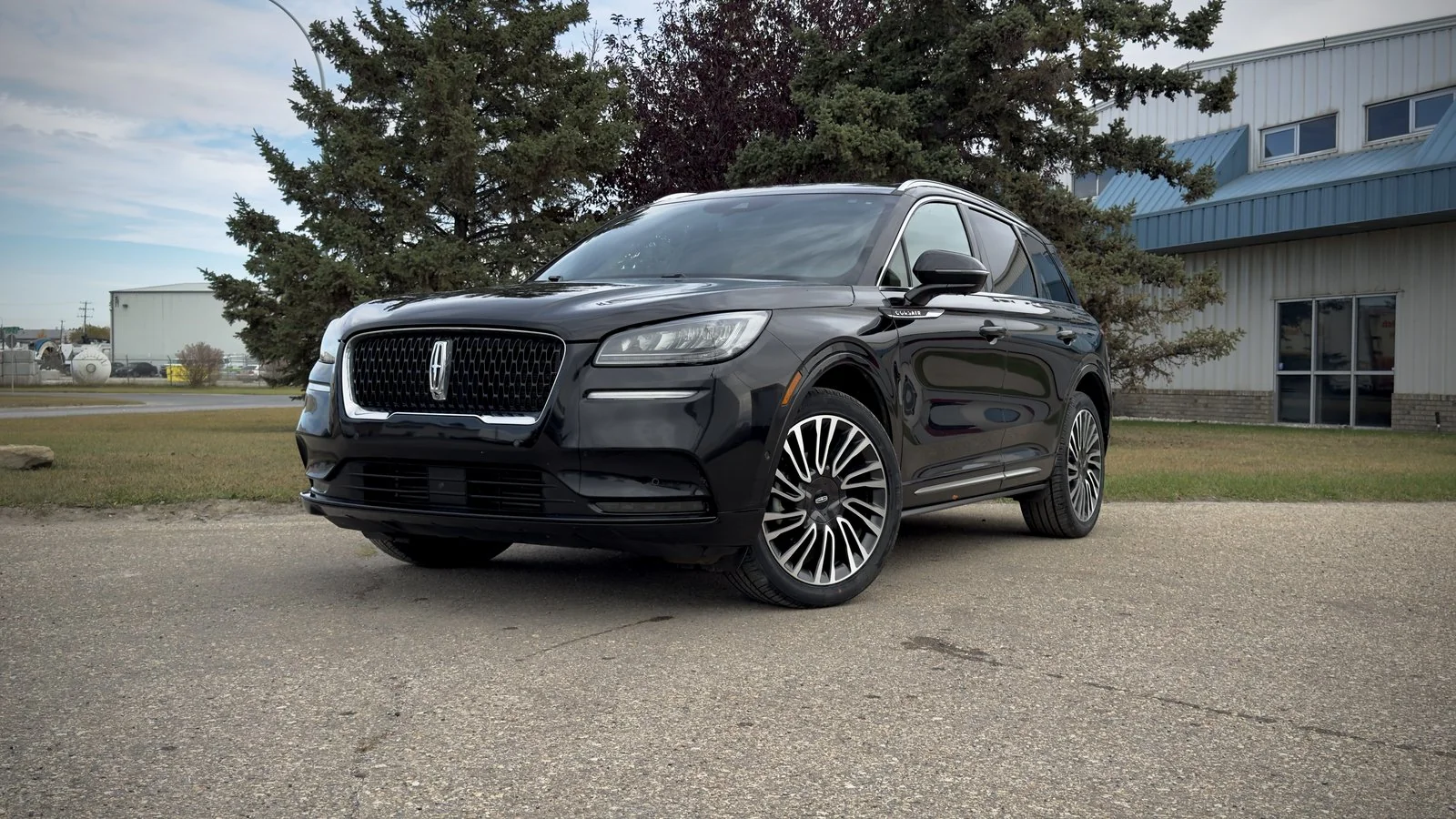
2021 Lincoln Corsair Reserve
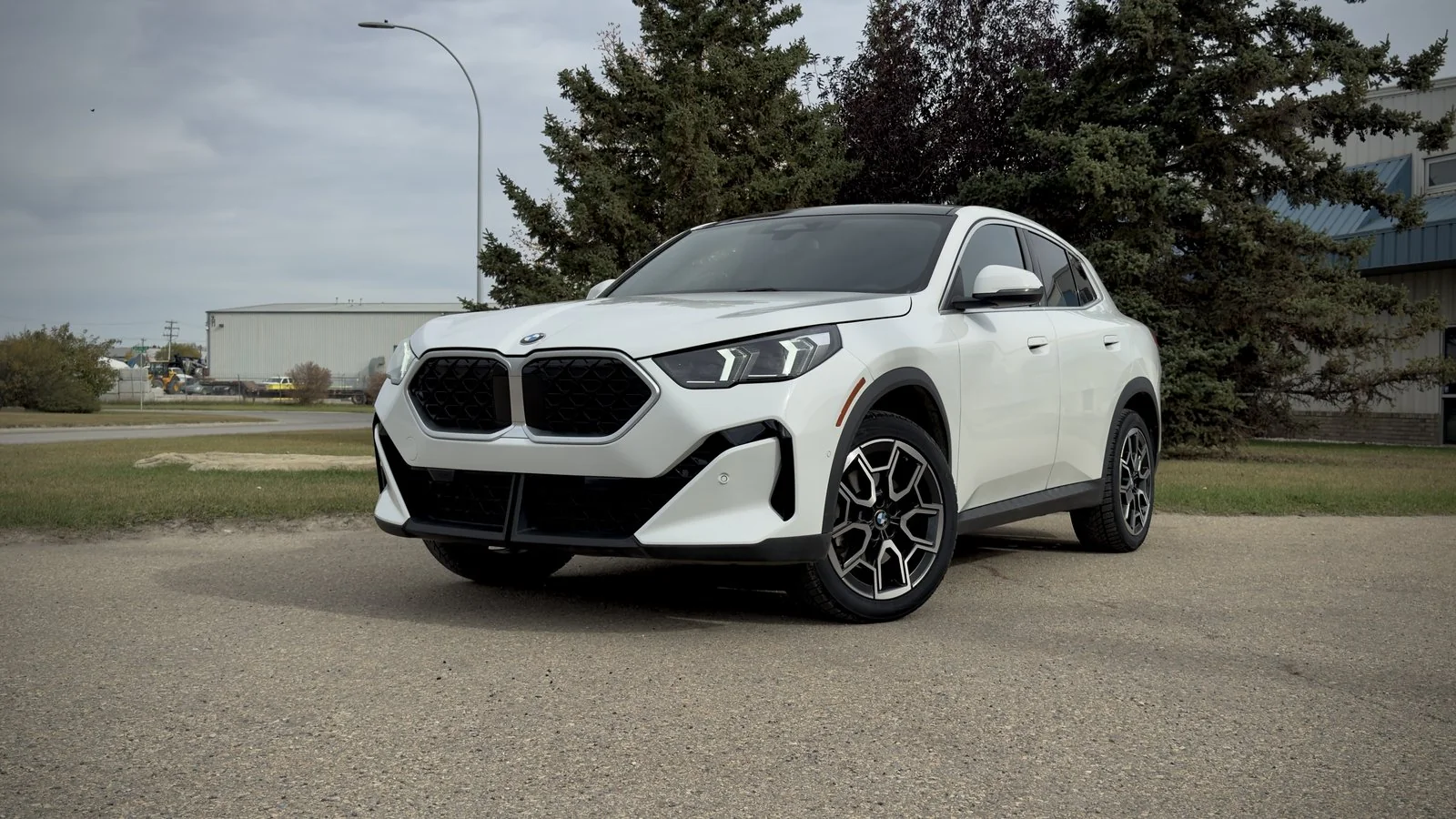
2025 BMW X2 xDrive28i
Not seeing it? We'll find it.
We source through our dealer partner network across Western Canada: 25,000+ vehicles to choose from. Tell us what you want and what works for your budget.
Find my car3 min · no credit impactOAC = on approved credit. Payments are examples at 6.49% APR over 84 months with $0 down, based on each vehicle's advertised price; GST extra. Your rate depends on your credit (4.99%–29.9% APR).
We Work With All Credit Situations
Apply today — no impact to your credit to check options.
5.0118+ Google ReviewsAMVIC LicensedFree Delivery 300km
Related Resources
More information on related topics and situations.
Start Rebuilding Today
We work with all credit situations across 21+ lenders. Apply and see your options — no commitment, no credit impact to check.