
Subaru Outback Used for Sale in Airdrie
The original Alberta explorer — Symmetrical AWD from the factory, genuine ground clearance, and a used market that rewards buyers who know which years to buy.
Is the Subaru Outback reliable?
The answer depends entirely on the year. 2015 and newer Outbacks with the FB25 engine are genuinely reliable — above average for the class, with strong long-term durability and few systemic issues. The 2013–2014 transitional models can be fine but warrant closer inspection. Any Outback from 2000–2012 with the EJ25 engine carries head gasket risk that requires a pre-purchase block test and full transparency about repair history. Buy the right year and the Outback is an excellent choice. Buy without doing the research and you may face a costly repair.
Check Your Options in 3 Minutes
No credit impact. All credit situations welcome.
★★★★★ 106+ Google Reviews · AMVIC Licensed · Free Delivery 300km
Key Facts
- Body
- AWD wagon / crossover
- Drivetrain
- Symmetrical AWD (standard)
- Ground clearance
- 213mm
- Financing
- All credit situations
Last reviewed: August 2026
Financing Available for All Credit Situations
162-point Independent Inspection on Every Vehicle
The Outback and Alberta's Backcountry
The Subaru Outback was built for exactly the kind of driving that Alberta demands. It is not a crossover pretending to have off-road capability through a styling package and a badge — it is a wagon with genuine raised ground clearance, standard all-wheel drive on every single model ever made, and a chassis that was engineered to handle logging roads, fire roads, and backcountry two-tracks that most SUV owners never actually experience. For the Albertan who drives to work in Airdrie five days a week and then points the car toward the Ghost Wilderness Area or the Kananaskis backcountry on weekends, the Outback is purpose-built in a way that most competitors are not. With 8.7 inches of ground clearance in the fifth-generation model (2015+) — compared to 8.0 inches in the Toyota RAV4 and 7.9 inches in the Honda CR-V — the Outback clears obstacles that stop crossovers cold. The added height is not just cosmetic; it is built into the suspension geometry, which means you are not just lifted but also properly articulating. In Alberta winter conditions, the Symmetrical AWD system deserves particular credit. Unlike the front-biased AWD systems that send 90% of torque to the front wheels during normal driving and only shift rearward when slip is detected, Subaru's system maintains a near-constant 50/50 torque distribution. The mechanical symmetry — identical driveshaft lengths, identical suspension geometry front to rear — means weight transfer in corners and during braking is predictable and balanced in a way that asymmetric systems cannot replicate. Subaru owners who move to other AWD vehicles consistently describe the transition as going from confident to slightly nervous, even if they cannot articulate exactly why. The Outback also has genuine cargo capacity: 975 litres behind the rear seats, expanding to 2,081 litres when folded — larger than many full-size SUVs. Skis fit without removing bindings. A mountain bike fits inside without disassembly. The rear hatch opening is wide, low, and practical. For buyers who actually use the space rather than just buying the theoretical capability, this matters substantially. There is a reason Subaru ownership in Alberta skews heavily toward the outdoor lifestyle demographic — not because of marketing, but because the Outback is genuinely the right tool for the way many Albertans actually live.
- •8.7" ground clearance (5th gen 2015+) — actually higher than most compact SUVs by a meaningful margin
- •Standard Symmetrical AWD on every Outback ever built — no trim upsell required
- •975L cargo volume behind rear seats, 2,081L fully folded — skis and bikes fit without disassembly
- •Boxer engine's low centre of gravity improves handling dynamics vs inline-four competitors
- •EyeSight safety suite (2015+) includes adaptive cruise, lane keep, and pre-collision braking
Symmetrical AWD Explained
Subaru uses the phrase "Symmetrical All-Wheel Drive" constantly in their marketing, but understanding what it actually means — and why it matters for Alberta driving specifically — requires looking at what they built rather than what they claim. The symmetry refers to the drivetrain's physical layout: the boxer engine sits in line with the transmission and driveshaft, and both front and rear driveshafts are the same length. This is unusual. Most all-wheel-drive vehicles use a front-biased transverse engine layout where the driveshaft to the front wheels is shorter on one side than the other, and the rear driveshaft is a secondary output from a transfer case. The asymmetry creates different torque inputs to each side during power delivery and braking — small differences that sophisticated computers can compensate for but never fully eliminate. Subaru's symmetrical layout means the mechanical inputs to each corner of the car are genuinely equal. Under hard braking, weight transfers predictably. Under hard cornering, the vehicle does not have a pre-existing bias toward one side. Under acceleration on ice, torque distribution is balanced before the electronics intervene. The result is a vehicle that behaves in a more linear, predictable way at the limits of traction — which is exactly when the driver most needs predictability. The active torque split is managed by a viscous-coupling centre differential in most models, or a continuously variable transfer mechanism in higher trims. During normal dry road driving, torque splits approximately 60/40 front-to-rear. During wheel slip, it can shift to as much as 90% rear or 90% front depending on where traction is available. This active management happens faster than the driver perceives and faster than most competitive AWD systems respond. For X-Mode equipped models (2015+ Limited and above), there is an additional layer of capability: a selectable low-speed mode that manages engine output, transmission ratio, AWD torque split, and brake intervention simultaneously for deep mud, snow, or steep descents. Engage X-Mode, choose your line, and let the system manage wheel spin. For Alberta backcountry use — deep snow, steep gravel descents to riverside campsites, muddy spring trails — X-Mode is the kind of feature that once used, you cannot imagine doing without. Subaru also builds the Outback with Active Torque Vectoring in later generations: the inside wheel during a corner receives controlled braking input to effectively steer the rear of the vehicle into the turn. This reduces understeer and tightens cornering line without requiring driver input. Combined with the symmetrical foundation, it produces a vehicle that turns noticeably more crisply than its size and purpose would suggest.
- •Symmetrical layout: identical driveshaft lengths eliminate inherent torque imbalance of transverse AWD systems
- •Active 60/40 front-rear split during normal driving; adjusts to 90/10 either direction during slip
- •X-Mode (2015+ Limited+): integrated AWD, hill descent control, and brake intervention for backcountry use
- •Viscous-coupling centre differential responds faster than electronically-controlled reactive systems
- •Torque vectoring via controlled inside-wheel braking — reduces understeer without steering input
The Head Gasket Question — An Honest Answer
Any honest review of the Subaru Outback has to address the head gasket issue directly. Avoiding it would be doing you a disservice. Here is the complete, accurate picture. The problem existed in one specific engine family: the EJ25 2.5L four-cylinder used in Outbacks from 2000 through 2012. The EJ25's head gasket design used a multi-layer steel gasket that was prone to seeping coolant externally or, in worse cases, allowing combustion gases to enter the cooling system. The early EJ25 (2000–2004) had the worst failure rates — some estimates suggest 50% or more of high-mileage examples experienced some form of head gasket seepage. Subaru revised the gasket material in 2003 and again in subsequent years, improving but not fully eliminating the issue through 2012. The signs of EJ25 head gasket trouble are detectable: coolant loss without visible external leak, white or sweet-smelling exhaust, milky residue under the oil cap, or an overheating engine. A Subaru-specialist pre-purchase inspection with a combustion gas block test (a chemical test that detects combustion gases in coolant) costs around $150 and is mandatory for any pre-2013 EJ25 Outback. Here is the critical update: Subaru replaced the EJ25 with the FB25 2.5L engine beginning in 2013 for the Legacy and 2015 for the Outback fifth generation. The FB25 uses a completely different engine architecture — direct injection, chain-driven cam, revised cooling system — and does not share the head gasket failure mode of the EJ25. The FB25 engine has now accumulated millions of kilometres of real-world service with a genuinely strong reliability record. There are no systemic head gasket issues on FB25 engines. Our recommendation: for used Subaru Outbacks, start at 2015+. The fifth-generation model brings the FB25, updated EyeSight safety suite, 8.7" ground clearance, and a noticeably more modern interior. The 2015–2019 range is the sweet spot for value: the head gasket issue is gone, depreciation has done the heavy work, and these vehicles typically present with complete service histories from original owners who bought new. We will never put a pre-2013 EJ25 Outback on our lot without full transparency about its head gasket history, and we recommend any buyer doing their own searching do the same.
- •EJ25 (2000–2012): head gasket seepage risk is real — mandatory block test for any of these years
- •FB25 (2015+ Outback): different engine family entirely, no systemic head gasket issue
- •Recommended minimum: 2015+ fifth generation with FB25 engine
- •Pre-purchase inspection for any 2013 or older Outback: budget $150 for a Subaru-specialist combustion gas test
- •2019+ sixth generation adds turbocharged 2.4L option (FA24) — also no head gasket history to worry about
Financing a Used Outback in Airdrie
The Subaru Outback has one of the most loyal owner communities of any vehicle brand on the market, and that loyalty translates directly into strong used demand. Subaru owners buy Subaru again at a rate that rivals Toyota and Honda — brand loyalty surveys consistently put Subaru in the top three for repeat purchase intent. For a lender evaluating a vehicle as collateral, this sustained demand is a positive signal: a Subaru Outback is always sellable, which protects their asset. Resale value data supports this: a 2019 Outback with 80,000 km typically retains 55–60% of its original MSRP, which is competitive with the Toyota RAV4 and ahead of Ford Escape, Chevrolet Equinox, and Volkswagen Tiguan. The fifth-generation (2015–2019) models hold value partly because the head gasket question is definitively resolved — buyers who understand the history specifically seek out these years, creating a reliable demand floor. For buyers working with challenged credit, the Outback is one of the vehicles we see get approved more consistently than alternatives in its price range. The combination of strong brand loyalty, genuine AWD capability (relevant to Alberta lenders who understand the market), and solid residual value all contribute to lender confidence in the collateral. We work with over 21 lenders who specialize in Alberta subprime financing, including buyers in active consumer proposals (with trustee approval), buyers who discharged bankruptcy within the last two years, and newcomers to Canada without established credit history. Being honest about the head gasket history also means being honest about the opportunity it creates: pre-2013 EJ25 Outbacks with documented head gasket repairs (proper machine shop work with upgraded MLS gaskets, not just reseal) are often priced 20–30% below comparable vehicles because buyers are afraid of the history. If the repair was done properly and the engine has run clean for 20,000+ km since, these vehicles can represent genuine value for buyers working with tighter budgets. We evaluate each vehicle individually — and we disclose what we know. Apply online in three minutes. We will review your situation, match you with appropriate lenders, and present your options clearly. No pressure, no surprise fees, and no commitment until you decide to proceed.
Browse Our Current Inventory
Our inventory rotates frequently. Browse our full selection or contact us to be notified when a matching vehicle arrives.
Browse All InventoryWhat Our Customers Say
“A huge thank you to Wes and Luke for making my vehicle purchase such a great experience. This has been the best experience I've had at a dealership. They were patient, kind, and attentive.”
“Thanks to Luke and his team. They were able to find me my dream car and have it delivered between cities. Easy to deal with and easy to work with.”
“Excellent service, very happy with my ride, thank you Luke and Wes!”
See what you qualify for
Soft credit check only — no impact on your score.
Frequently Asked Questions
Is the Subaru Outback reliable?
The answer depends entirely on the year. 2015 and newer Outbacks with the FB25 engine are genuinely reliable — above average for the class, with strong long-term durability and few systemic issues. The 2013–2014 transitional models can be fine but warrant closer inspection. Any Outback from 2000–2012 with the EJ25 engine carries head gasket risk that requires a pre-purchase block test and full transparency about repair history. Buy the right year and the Outback is an excellent choice. Buy without doing the research and you may face a costly repair.
Which Outback years had head gasket problems, specifically?
The head gasket issue is specific to the EJ25 2.5L four-cylinder engine used in Outbacks from 2000 through 2012. The worst failure rates are in 2000–2004 models. Subaru made gasket material improvements over the years but the underlying design vulnerability persisted through 2012. The FB25 engine introduced in 2015 Outbacks is a completely different engine architecture and does not have this problem. The simplest safe-buying rule: start at 2015 or newer. If considering a 2013–2014, have a Subaru specialist perform a combustion gas block test on the cooling system — it is a definitive test.
How does the Outback compare to the RAV4 for Alberta winter driving?
Both are capable in Alberta winter conditions, but they have different strengths. The Outback's Symmetrical AWD provides a more balanced, predictable feel in slippery conditions — particularly important during the mixed ice and snow that Airdrie sees from November through March. The RAV4 has more ground clearance in TRD Off-Road trim and a better low-range option for true off-road use. For daily winter commuting plus occasional gravel road or light trail use, the Outback is slightly superior. For buyers who genuinely go off-road frequently, the RAV4 TRD OR has an edge. For the 80% of buyers who don't, the Outback is the better driving experience.
What is the best year Outback to buy used?
2015–2019 fifth-generation models are the sweet spot for most buyers: the FB25 engine resolves the head gasket question definitively, EyeSight driver assistance is available, and depreciation has already done the heavy work. 2015–2017 models offer the best value-per-dollar. 2018–2019 added EyeSight as standard on more trims and refined the interior. 2020+ sixth-generation is excellent but commands a higher price. If budget is a hard constraint, a well-documented 2015 Outback with service records is more reliable than a cheaper 2011 without them.
Is the Subaru Outback Wilderness worth the premium?
The Wilderness is a genuine off-road package, not a styling exercise. It adds 9.5 inches of ground clearance (up from 8.7), a lower crawl ratio, all-terrain tires, reinforced skid plates, and orange interior accents for visibility. If you regularly drive forest service roads, access remote campsites, or push into terrain that gives other Outbacks pause, the Wilderness is worth the premium because the capability increase is real. If your off-road use is light gravel roads and typical Rocky Mountain campgrounds, the standard Outback's 8.7 inches and X-Mode are more than sufficient — save the money.
Can I finance a used Subaru Outback with bad credit?
Yes. Subaru's strong resale value and the Outback's loyal owner base make it good collateral in the lender's view, which helps with approvals across a range of credit situations. We work with all credit situations — bad credit, no credit, past bankruptcy, active or discharged consumer proposal, and self-employed buyers. We partner with over 21 lenders who specialize in Alberta subprime automotive financing. Apply online in three minutes. There is no commitment until you decide to proceed, and our team will walk you through what options are available for your specific situation.
Check Your Options in 3 Minutes
No credit impact. All credit situations welcome.
★★★★★ 106+ Google Reviews · AMVIC Licensed · Free Delivery 300km
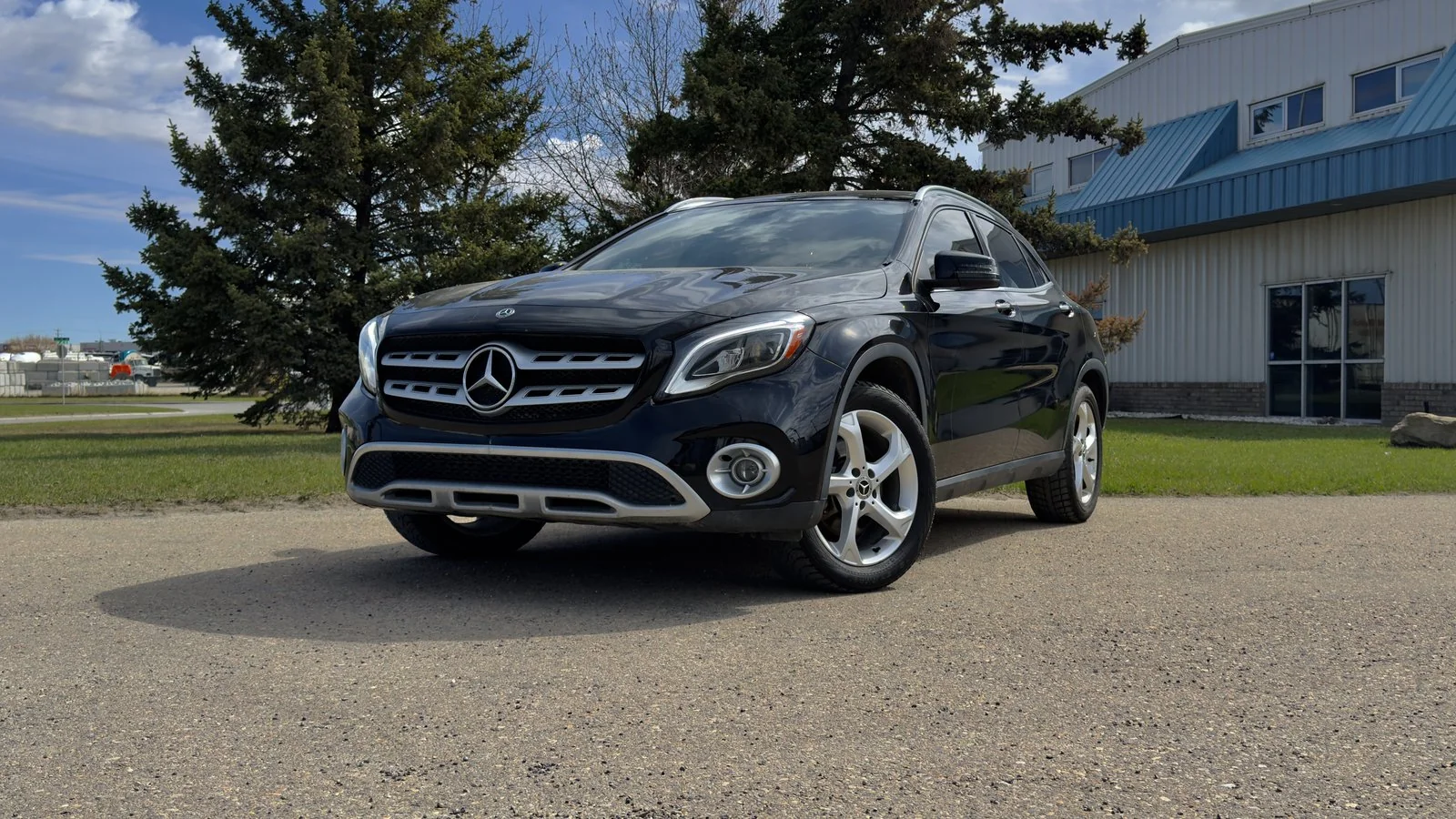
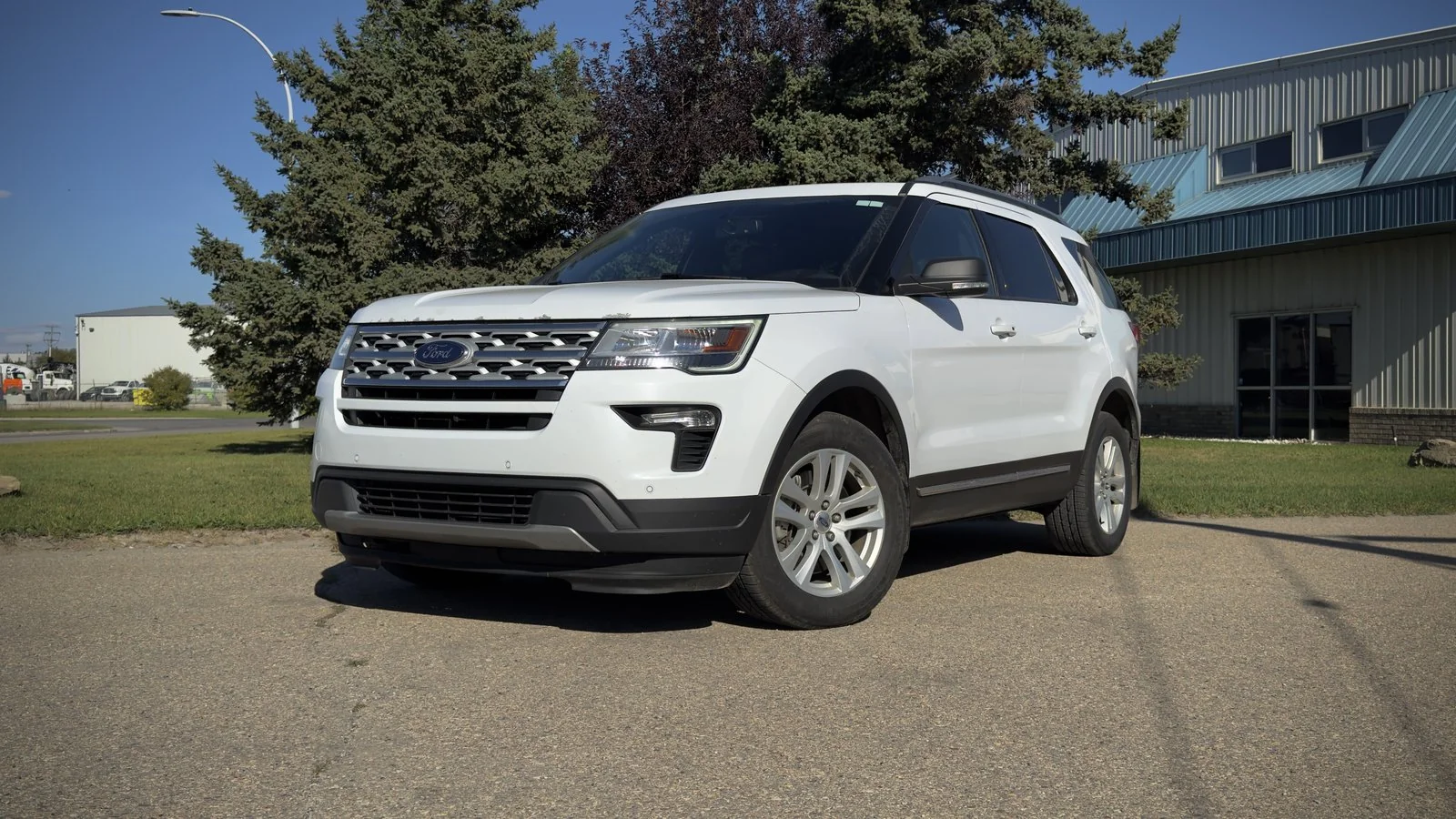
Subaru Outback in stock now
Browse all inventory →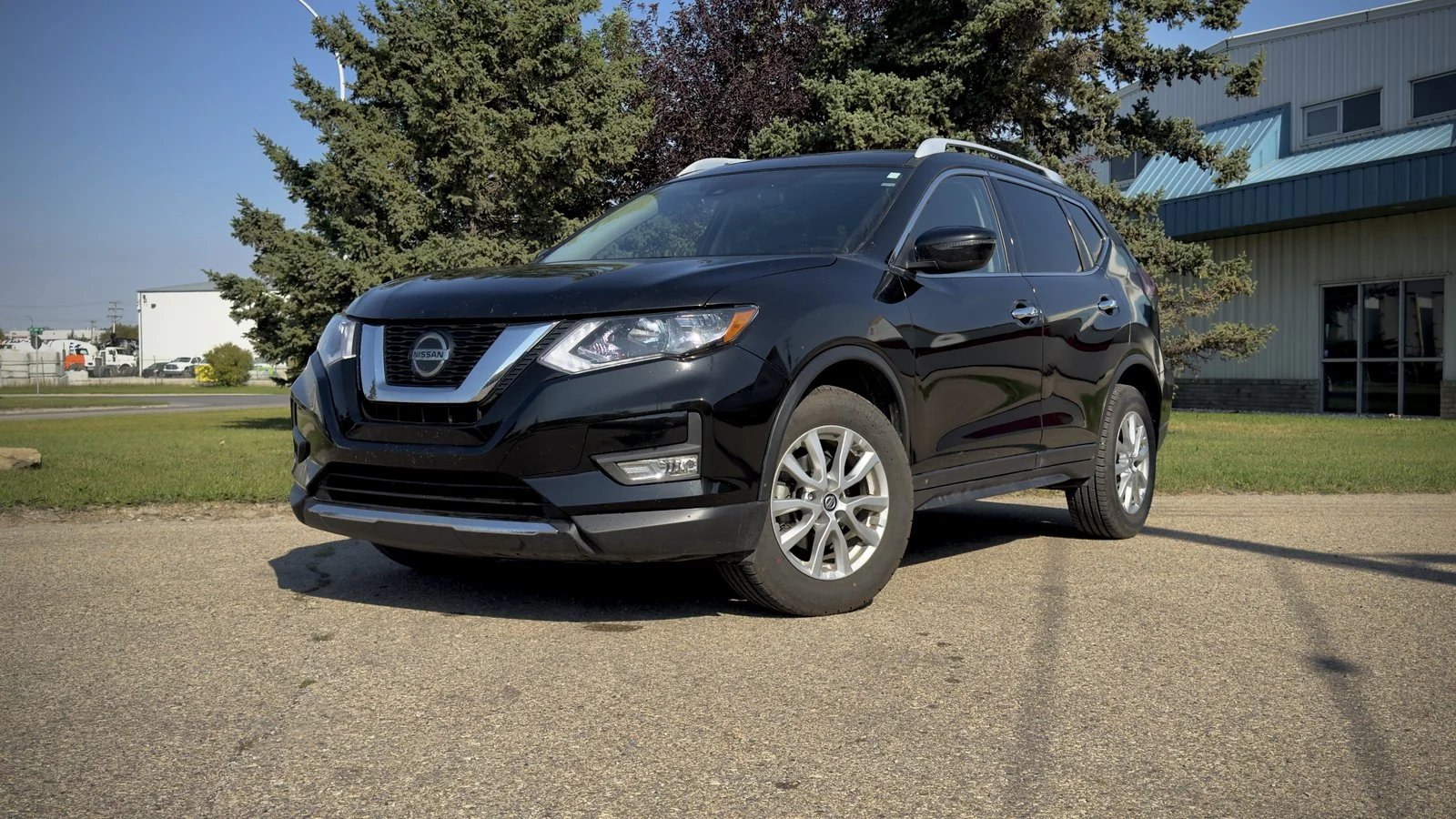
Deeper on This Topic
Pick the angle that fits your exact situation.
Financing Options
Buyer Guides for This Vehicle
In-depth guides to help you buy, finance, and maintain your next vehicle in Alberta.
Financing Resources
Whether you have great credit or are rebuilding, we work with all credit situations. Explore our financing guides to understand your options before you apply.
Ready to Get Behind the Wheel?
Apply for financing in 3 minutes. We work with all credit situations — from perfect credit to rebuilding. Decision within 24-48 hours.