
Consumer Proposal
What is a Consumer Proposal?
A consumer proposal is a legally binding agreement, filed through a Licensed Insolvency Trustee, where you offer to repay a portion of your unsecured debts to creditors over up to five years.
How a Consumer Proposal Works in Canada
A consumer proposal is a formal process governed by the Bankruptcy and Insolvency Act. You work with a Licensed Insolvency Trustee (LIT) to calculate how much of your unsecured debt — credit cards, personal loans, lines of credit — you can realistically repay over a period of up to five years. The trustee files a proposal with your creditors. If creditors holding more than half the dollar value of the debt vote to accept, the proposal is approved and becomes legally binding on all unsecured creditors.
Once accepted, creditors cannot pursue collection, garnish your wages, or add interest to the debts covered. You make fixed monthly payments directly to the trustee, who distributes funds to creditors. Secured debts — like a mortgage or existing car loan — are not included and must be maintained separately.
Consumer Proposal and Your Credit Score
Filing a consumer proposal results in an R7 rating on the specific debts included, which signals "makes payments through a special arrangement" on your credit report. The proposal itself is also noted as a public record. This will lower your score significantly in the short term.
However, the impact is not permanent. In Canada, a completed consumer proposal is removed from your Equifax and TransUnion files three years after the completion date, or six years from the original filing date — whichever comes first. Borrowers who complete their proposal, add positive trade lines, and maintain good payment habits often see substantial score recovery within a few years.
Getting a Car Loan During or After a Consumer Proposal
One of the most common questions we hear is: "Can I get a car loan while I'm still in a consumer proposal?" The answer is often yes, but with important context. Subprime lenders who specialize in this situation will look at whether your proposal payments are current, whether you have steady income, and whether the loan-to-income ratio is manageable. Your trustee may also need to approve taking on new debt — confirm this before applying.
After your proposal is complete, you typically have a stronger case with lenders. The discharged proposal shows you followed through on your commitment. Combined with a new positive trade line from a subprime car loan, many borrowers rebuild their credit significantly faster than they expect.
Consumer Proposal vs. Bankruptcy: A Brief Comparison
Both are tools administered by Licensed Insolvency Trustees, but they work differently. A consumer proposal lets you keep your assets and repay a negotiated portion of your debt. Bankruptcy discharges most debts outright but involves surrendering non-exempt assets and carries a longer credit-file timeline for repeat filers. Neither is inherently better — the right choice depends on your income, assets, and debt load. Only a Licensed Insolvency Trustee can advise which path suits your situation.
Important Note on Licensed Insolvency Trustees
Frequently Asked Questions
Can I get a car loan while in a consumer proposal in Alberta?
Yes. Many subprime lenders in Alberta will approve a car loan while you are actively in a consumer proposal, provided your proposal payments are up to date and you have verifiable income. Trustee permission may be required — confirm with your Licensed Insolvency Trustee before applying.
How long does a consumer proposal stay on my credit report?
In Canada, a consumer proposal stays on your credit report for three years after you complete it, or six years from the date it was filed — whichever comes first. Once removed, the credit impact disappears from new lender checks.
What is the difference between a consumer proposal and bankruptcy in Canada?
A consumer proposal lets you repay a negotiated portion of your debts while keeping your assets, and stays on your credit for three years after completion. Bankruptcy discharges most debts entirely but typically lasts longer on your credit file (six to seven years for a first-time bankruptcy). A Licensed Insolvency Trustee can assess which path fits your situation.
Cars you could drive home
See all inventory
2025 Volkswagen Taos Comfortline

2026 Volkswagen Jetta Comfortline
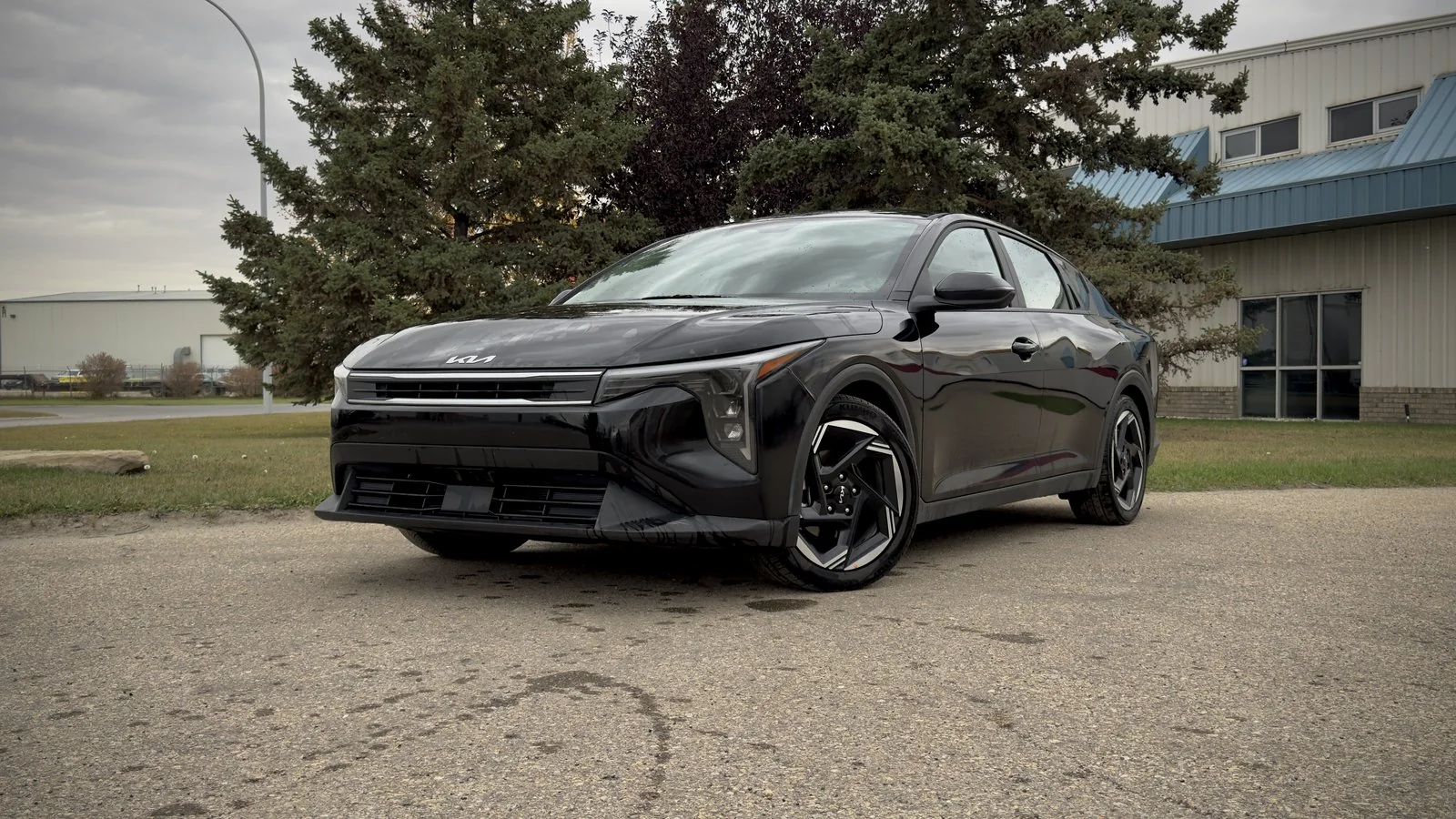
2025 Kia K4 EX
Not seeing it? We'll find it.
We source through our dealer partner network across Western Canada: 25,000+ vehicles to choose from. Tell us what you want and what works for your budget.
Find my car3 min · no credit impactOAC = on approved credit. Payments are examples at 6.49% APR over 84 months with $0 down, based on each vehicle's advertised price; GST extra. Your rate depends on your credit (4.99%–29.9% APR).
Related Terms
In a consumer proposal? We can help.
Many of our customers finance with us during or after a consumer proposal. Let's find a path that works.