
Toyota Highlander Used for Sale in Airdrie
The Toyota Highlander is Alberta's go-to family hauler — three rows, Toyota reliability, available AWD, and a used market deep enough to find the right example at the right price.
Toyota Highlander vs 4Runner — which should I buy?
They serve very different purposes and the answer depends entirely on your use case. The 4Runner is a body-on-frame truck-based SUV with genuine off-road capability, available low-range 4WD, and legendary durability — but it has a truck-like ride, limited fuel economy (15–17L/100km), and only two usable rows of seating. The Highlander is a unibody crossover designed for family use: better ride, three rows, better fuel economy, more cargo-friendly interior. If you have children, a highway commute, and occasional mountain adventures, the Highlander is the right choice. If you genuinely go off-road, do backcountry work in Rocky View or Foothills County, or prioritize towing capability, the 4Runner is purpose-built for that life.
Check Your Options in 3 Minutes
No credit impact. All credit situations welcome.
★★★★★ 106+ Google Reviews · AMVIC Licensed · Free Delivery 300km
Key Facts
- Body
- Mid-size SUV
- Seating
- 7-8 passengers
- Drivetrain
- AWD / FWD
- Financing
- All credit situations
Last reviewed: August 2026
Financing Available for All Credit Situations
162-point Independent Inspection on Every Vehicle
The Highlander as a Family Vehicle for Alberta Life
The Toyota Highlander occupies a specific and valuable position in the Alberta family vehicle market: it is the three-row SUV that families actually keep for 10 years. While competitors like the Ford Explorer, Kia Telluride, and Chevrolet Traverse all offer competitive three-row packages at various price points, the Highlander consistently distinguishes itself on long-term ownership experience — and in a province where a family vehicle might cover 25,000–30,000km per year between school runs, hockey practice, mountain trips, and summer drives across the Trans-Canada, that distinction matters. Toyota's reputation for reliability in the Alberta market is not marketing mythology. It is backed by consistently lower long-term repair costs, higher resale values, and the demonstrated reality that Highlanders with 250,000+ kilometres are a common sight at independent Toyota mechanics in Airdrie and Calgary. The engine and transmission platforms used across multiple Highlander generations have been refined over decades of production, and the failure modes are well-understood, well-documented, and relatively inexpensive to address when they do occur. For Alberta families specifically, the Highlander's standard AWD on most trim levels is a practical strength. Unlike crossovers that offer AWD as an upsell option, the Highlander's HL-V6 AWD system is standard on most Canadian market configurations. Through a November snowstorm on the QE2, over the Rogers Pass in April with heavy snow on the pass, or simply getting out of a rural school parking lot after an overnight dump, the Highlander's AWD provides confident, predictable performance. It is not a hardcore off-road system — this is a family hauler, not a 4Runner — but for the real-world winter scenarios that Alberta families face, it does the job well. The Highlander's interior packaging reflects its family orientation clearly. The second-row captain's chairs configuration (available on XLE and above on most generations) creates genuine individual seating for two passengers with armrests and cup holders, which is a significant comfort upgrade for longer family drives. The cargo area behind the third row is on the smaller side — an honest limitation covered in its own section — but the overall package of seating space, storage cleverness, and feature content at mid-trim and above is well-suited to the reality of Alberta family life. From a community standpoint, Airdrie and the surrounding bedroom communities of Crossfield, Carstairs, and Didsbury have seen significant family population growth over the past decade as households seek more space and lower housing costs relative to Calgary. The Highlander consistently shows up in driveways across these communities for a reason: it is the right vehicle for the family that wants three rows, AWD, and reliability without compromising to buy it.
- •AWD standard on most Canadian-market trim levels — not an upsell option
- •Long-term reliability advantage versus Explorer, Traverse, Pathfinder at high mileage
- •Captain's chairs in second row (XLE and above) — genuine comfort for adults
- •250,000+km examples common in Alberta — durability is proven, not theoretical
- •High resale value means strong loan security for all credit applications
Choosing Your Highlander Generation
The Highlander has been through several notable generations in its Canadian market life, and each has characteristics that affect the buying decision depending on your budget and priorities. The third generation (2014–2019) is the volume leader in the Alberta used market and represents the best value for most buyers. This generation introduced the 3.5L V6 producing 270 horsepower — an engine that is strong, smooth, and extremely well-tested through the entire generation's production run. The 2014 redesign also brought the Highlander into the modern SUV era with much improved interior quality, an 8-inch Entune touchscreen (on mid-trims and above), and a more refined ride compared to its predecessor. The eight-speed automatic transmission introduced mid-generation is an improvement over the earlier six-speed and shifted the fuel economy story meaningfully. Within this generation, the 2016–2019 model years are particularly well-regarded. By 2016, the infotainment system had received meaningful updates, the transmission calibration was well-sorted, and early teething issues were resolved. A 2017–2018 Highlander XLE AWD with under 150,000km represents one of the strongest value propositions in the used three-row SUV market in Alberta. The fourth generation (2020+) brought a significant redesign with sharper exterior styling, an updated 3.5L V6 producing 295 horsepower, an 8-speed automatic, and substantially improved interior quality with an available 12.3-inch infotainment screen on upper trims. Fuel economy improved by roughly 10% across the board. The 2020+ generation is more refined and more capable, but it commands accordingly higher used pricing. If budget permits, the 2020+ generation is the better buy for buyers planning a 7–10 year ownership horizon. The Highlander Hybrid deserves its own mention. Available since 2006 in some configurations and comprehensively updated across generations, the Hybrid delivers real-world fuel economy in the 9–10L/100km range compared to 11–13L/100km for the V6 — a meaningful difference for families driving 25,000km/year. Toyota's hybrid battery packs have proven remarkably durable; third-generation Hybrid batteries are regularly reaching 300,000+km without replacement. The Hybrid carries a price premium on the used market but often makes financial sense over a long ownership horizon in Alberta, where fuel prices are volatile and annual mileages are high.
- •2016–2019 third-gen XLE AWD: strongest value proposition in used Alberta market
- •2020+ fourth-gen adds 295hp V6, 12.3-inch screen, 10% better fuel economy
- •Highlander Hybrid battery packs proven to 300,000+km — long-term fuel savings are real
- •3.5L V6 (all generations): smooth, durable, well-understood by Alberta mechanics
- •Avoid 2014–2015 if possible: earlier infotainment and transmission calibration less refined
Third Row Reality: An Honest Assessment
Let us be straightforward about the Highlander's third row, because this is the area where buyers most frequently discover a gap between expectation and reality. The Highlander's third row is functional for children and manageable short-term for small adults — it is not comfortable for regular adult passengers on long drives. Legroom in the third row measures approximately 28 inches, which positions knees noticeably close to the second-row seatback. A 5'8" adult can sit there, but not without some adjustment, and not comfortably for a four-hour highway drive to the mountains. This is a reality of the Highlander's vehicle length relative to its competitors. Compare this to the Kia Telluride or Hyundai Palisade, which at similar price points offer meaningfully more third-row legroom and headroom. Or to the Chevrolet Traverse, which is longer and offers the most usable third-row seating in the non-premium three-row segment. If you are regularly transporting three rows of adults — think a family road trip where Grandma and Grandpa are in the back — the Highlander may not be the right choice. Where the Highlander's third row works well: occasional use by children under 12, occasional adult passengers for shorter trips (under 90 minutes), or situations where the third row folds flat to expand cargo capacity. The fold-flat capability in the Highlander is genuine and creates a substantial, flat cargo floor — useful for furniture runs, camping gear, or ski trips where cargo volume matters more than passenger count. Second-row access to the third row is reasonable when captain's chairs are configured in the second row — they slide and tilt forward to create a walkway. With second-row bench seating, access is more cumbersome. If you frequently need third-row access with passengers in all three rows, the captain's chair configuration is the one to specify. The cargo area behind the third row when it is upright measures approximately 217 litres — roughly grocery bag territory. Behind the second row with third folded, it expands to 1,154 litres. This is a genuine limitation for families who want three rows up and significant cargo simultaneously. For a family that primarily uses the third row for occasional overflow and runs the SUV with two rows most of the time, it is not a problem. Understand your actual use case before purchasing.
- •Third-row legroom is approximately 28 inches — comfortable for children, tight for adults
- •Captain's chairs in second row (XLE+) improve third-row access significantly
- •Cargo behind third row: approximately 217L — roughly grocery bag territory
- •Fold-flat third row creates a genuinely flat, substantial cargo floor — 1,154L usable
- •For regular adult third-row use, the Traverse or Palisade offers more room at similar pricing
Highlander Financing: Toyota Brand Confidence for Lenders
The Toyota brand carries measurable advantages in the financing process — particularly for buyers working through alternative credit situations. Lenders who specialize in subprime auto financing in Alberta have historical data on which vehicles produce the best outcomes: lowest default rates, best collateral recovery rates, most predictable depreciation curves. Toyota consistently performs at the top of those datasets, and the Highlander specifically benefits from that track record. What this means practically: a Toyota Highlander at a given price point will often receive a better financing offer — lower rate, more flexible term, higher approval probability — than a comparable domestic brand SUV at the same price, because the lender's risk model assigns lower risk to the Toyota asset. The Highlander's strong resale values mean that even in a default scenario, the lender can recover their position more easily than on a faster-depreciating competitor. That security gets priced back in your favour. For families making the case for a three-row SUV to a lender, the Highlander's status as a mainstream, widely understood family vehicle also helps. Lenders are not trying to evaluate niche vehicles or assess depreciation curves on unusual configurations. The Highlander is a known quantity — high volume, consistent demand, predictable value trajectory. That familiarity streamlines the approval process. The Highlander's price range in the used market — typically $25,000–$45,000 for models from 2016 to 2021 — sits in a financing sweet spot. It is enough to require real financing rather than cash, but not so high that the loan amount stresses the lender's LTV thresholds for alternative credit applicants. A family with two steady incomes, reasonable employment history, and a $3,000–$5,000 down payment can typically navigate to Highlander approval even with credit challenges. We work with all credit situations and apply to over 21 lenders on your behalf. The application is online, takes a few minutes, and delivers a decision within 24–48 hours. We present your options transparently before anything is signed.
Browse Our Current Inventory
Our inventory rotates frequently. Browse our full selection or contact us to be notified when a matching vehicle arrives.
Browse All InventoryWhat Our Customers Say
“Luke and Wes are a fantastic team! I purchased a Lincoln Corsair in pristine condition. They got me the best interest rate for my financing and even helped me find the best insurer.”
“Great experience with the team at Shift. The whole experience was easy from start to finish. Wes was quick to respond and answer all my questions. Luke was a dream with the paperwork.”
“Fast service and the car is in great condition. Good job both Wes and Luke. I'm looking forward to doing business with you guys again soon.”
See what you qualify for
Soft credit check only — no impact on your score.
Frequently Asked Questions
Toyota Highlander vs 4Runner — which should I buy?
They serve very different purposes and the answer depends entirely on your use case. The 4Runner is a body-on-frame truck-based SUV with genuine off-road capability, available low-range 4WD, and legendary durability — but it has a truck-like ride, limited fuel economy (15–17L/100km), and only two usable rows of seating. The Highlander is a unibody crossover designed for family use: better ride, three rows, better fuel economy, more cargo-friendly interior. If you have children, a highway commute, and occasional mountain adventures, the Highlander is the right choice. If you genuinely go off-road, do backcountry work in Rocky View or Foothills County, or prioritize towing capability, the 4Runner is purpose-built for that life.
What is the best year Toyota Highlander to buy used?
For value: 2017–2019 (third generation) in XLE trim with AWD. These years have the mature 3.5L V6, updated infotainment, and well-sorted eight-speed transmission at price points that have become genuinely accessible. For the best overall buy if budget allows: 2020–2022 (fourth generation), which brought meaningful improvements across powertrain, interior quality, and fuel economy. The 2014–2016 third-gen is adequate but the earlier infotainment and transmission are noticeably dated against later examples. Avoid the 2008–2013 second generation unless price is the primary constraint — the fuel economy and interior quality gap is significant.
Is AWD standard on the Toyota Highlander?
On most Canadian-market Highlanders, yes — AWD is standard or near-standard on the majority of trim levels sold in Alberta. Front-wheel drive was available on base trims in some model years as a cost-reduction option, but the overwhelming majority of Highlanders in the Alberta used market are AWD-equipped because that is what Canadian buyers specified when new. When shopping, confirm AWD on the specific vehicle rather than assuming — but chances are high that any Highlander you find in Alberta has it.
Is the Highlander's third row actually usable?
For children under 12, yes — regularly and comfortably. For occasional short-trip adult use by smaller adults, yes with caveats. For regular adult passengers on longer drives, no — the legroom (approximately 28 inches) is genuinely tight for average-height adults. If you need comfortable regular adult use of all three rows, look at the Chevrolet Traverse or Kia Telluride, which offer meaningfully more third-row space. If your primary third-row user is children under 12 or the row will be up only occasionally, the Highlander works well. The folding cargo floor when the third row is down is excellent.
Is the Highlander Hybrid worth the premium?
Financially, it often makes sense for high-mileage Alberta drivers. The Hybrid returns approximately 9–10L/100km in mixed driving versus 11–13L/100km for the V6. At 25,000km/year and $1.65/litre for fuel, that difference saves roughly $900–$1,200 annually. The Hybrid commands a $4,000–$7,000 premium on the used market, so the payback period is roughly 4–6 years — reasonable for a vehicle you plan to keep for 8–10 years. Toyota's hybrid batteries have proven remarkably reliable; third-generation Hybrid packs are routinely reaching 300,000+km. For buyers who drive significant annual mileage, the Hybrid is the smarter long-term financial decision.
Can I finance a Toyota Highlander with bad credit?
Yes. The Toyota brand specifically helps with alternative credit financing — lenders view Toyota vehicles favourably because of their proven resale values and low default rates in the asset-backed lending data. A Highlander is strong collateral. We work with all credit situations: bad credit, consumer proposal, bankruptcy discharge, newcomers to Canada, self-employed buyers, and first-time buyers. The Highlander's typical used price of $28,000–$42,000 is a range that lenders are comfortable financing for alternative-credit applicants with stable income and a reasonable down payment. Apply online — a decision within 24–48 hours.
Check Your Options in 3 Minutes
No credit impact. All credit situations welcome.
★★★★★ 106+ Google Reviews · AMVIC Licensed · Free Delivery 300km
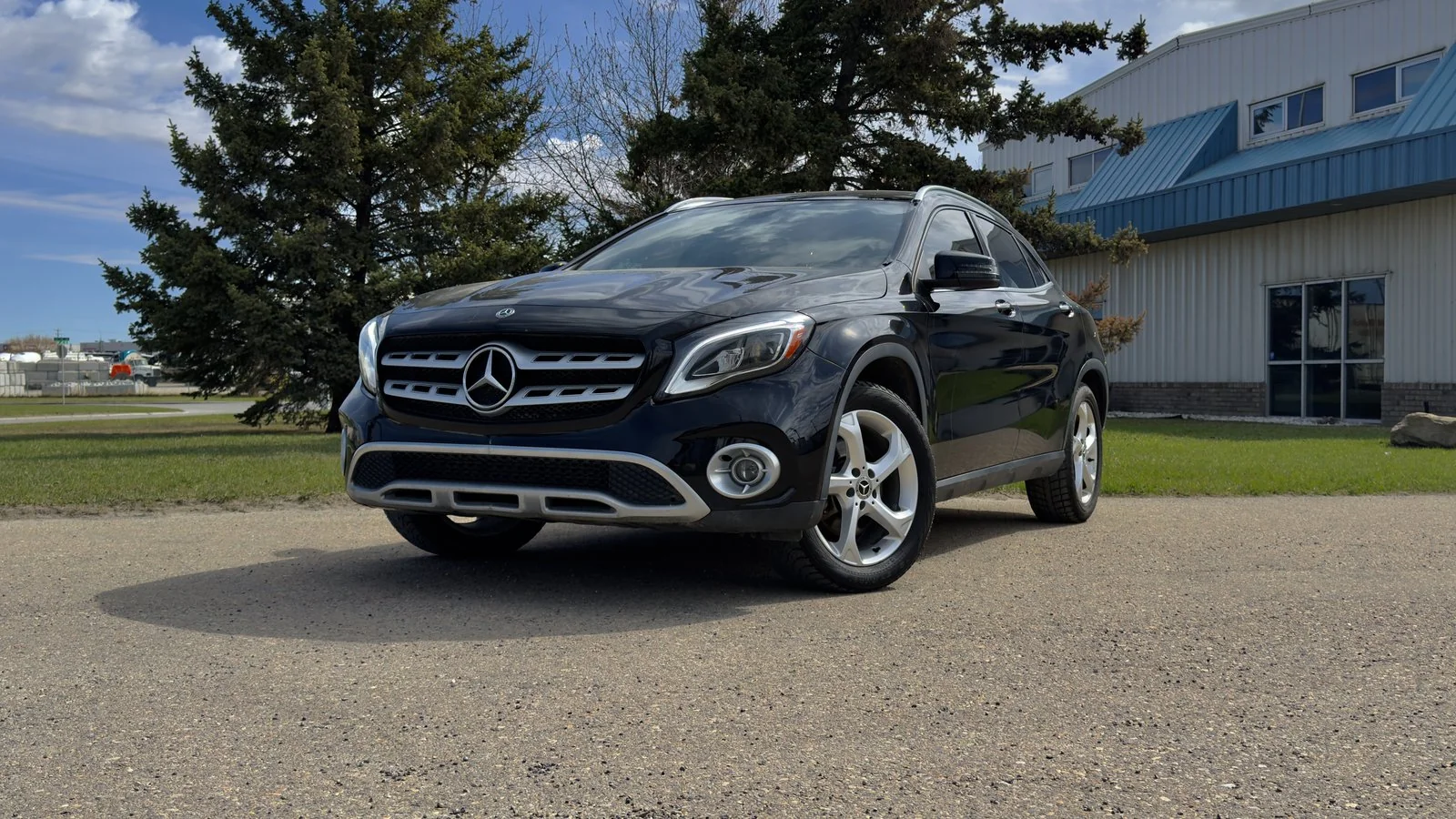
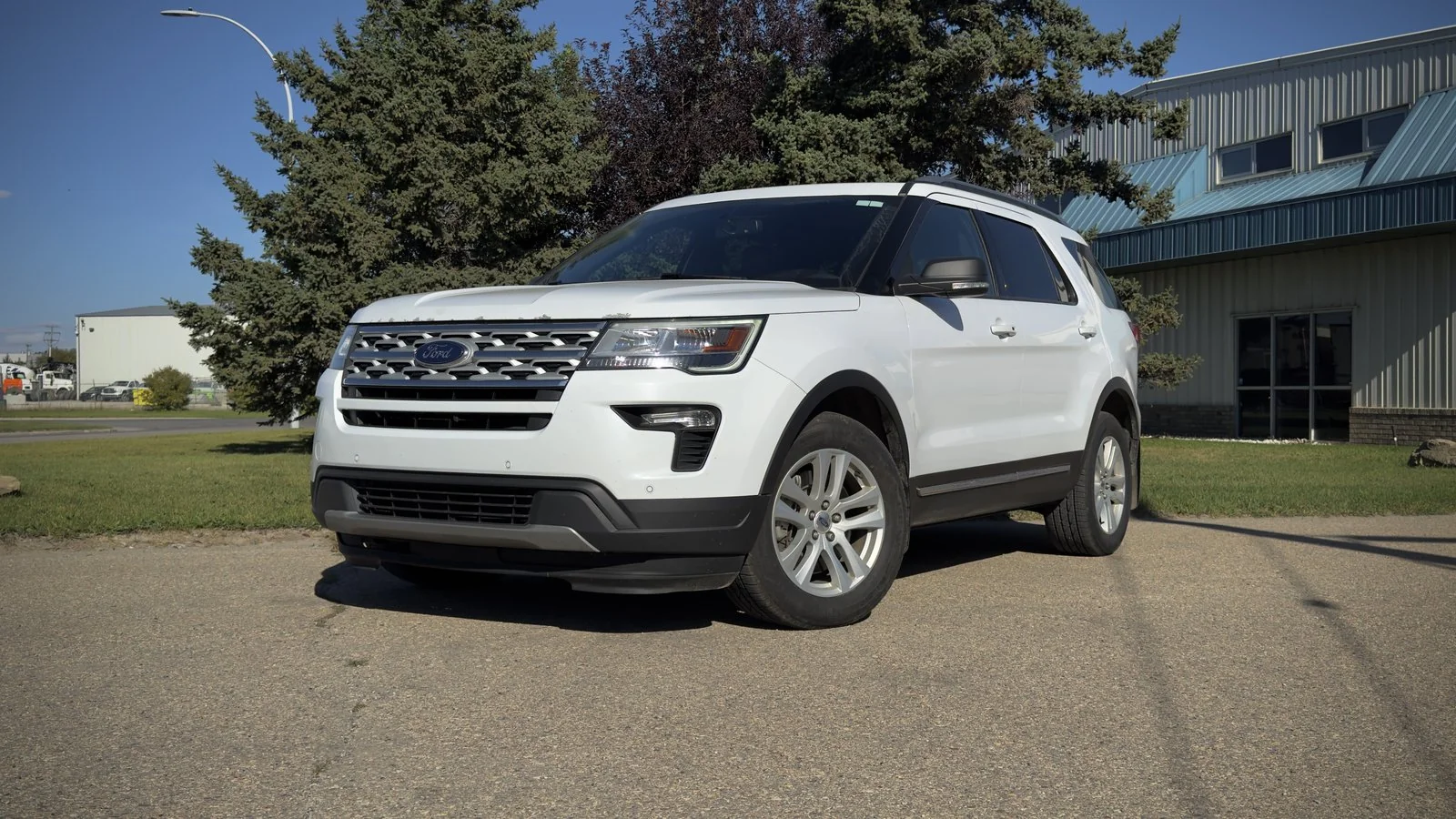
Toyota Highlander in stock now
Browse all inventory →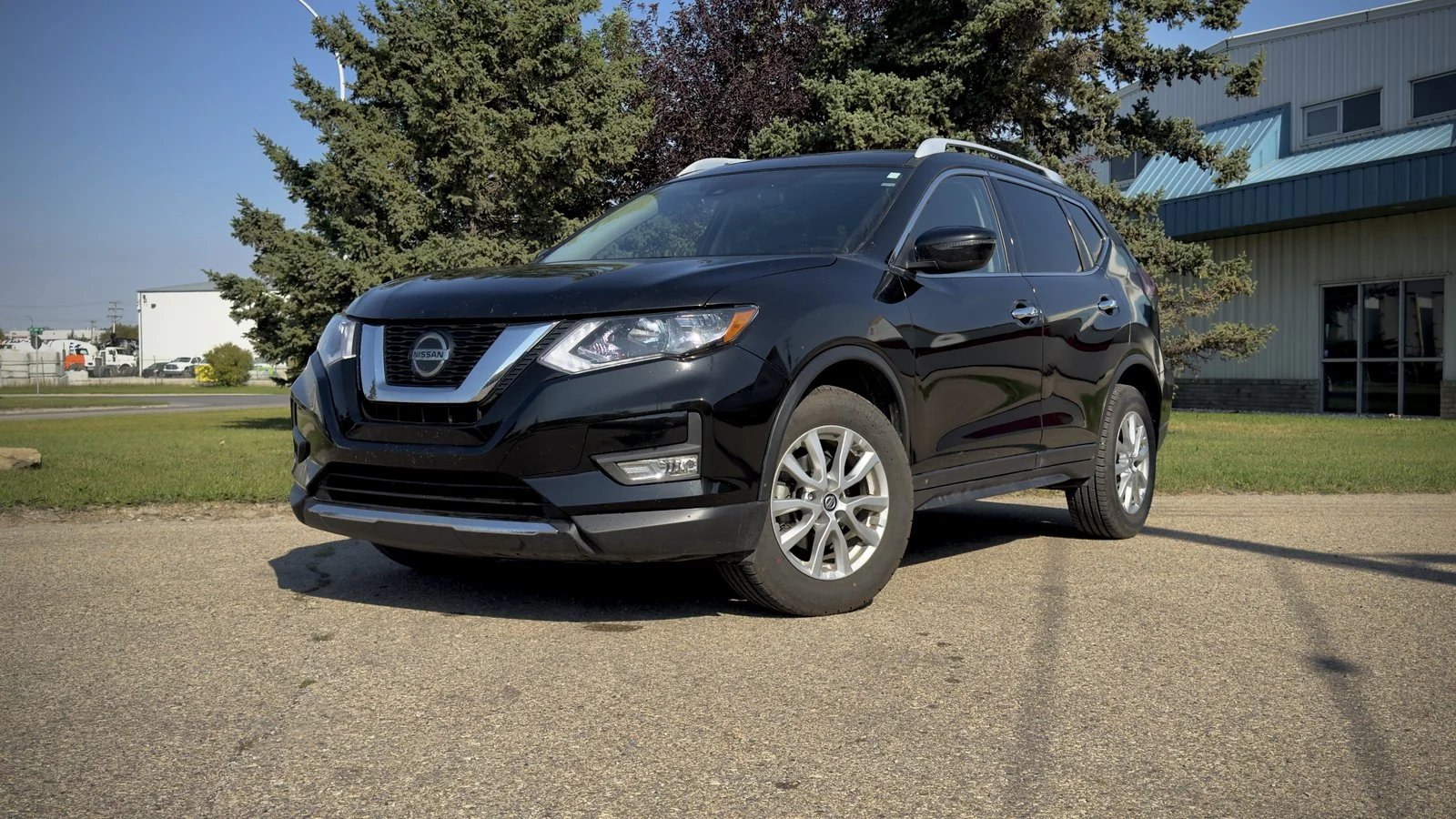
Continue Your Research
These pages cover the closest-adjacent situations to yours.
Financing Options
Buyer Guides for This Vehicle
In-depth guides to help you buy, finance, and maintain your next vehicle in Alberta.
Financing Resources
Whether you have great credit or are rebuilding, we work with all credit situations. Explore our financing guides to understand your options before you apply.
Ready to Get Behind the Wheel?
Apply for financing in 3 minutes. We work with all credit situations — from perfect credit to rebuilding. Decision within 24-48 hours.