
ATV vs Motorcycle: Which Powersports Vehicle Is Right for You?
In this article
- What Each Vehicle Is Actually Built For
- Where ATVs Shine
- Where Motorcycles Make More Sense
- Alberta Licensing: What Each Vehicle Requires
- ATV Licensing in Alberta
- Motorcycle Licensing in Alberta
- Cost Comparison: What You're Actually Spending
- Where You Can Ride Each Vehicle in Alberta
- ATV Riding in Alberta
- Motorcycle Riding in Alberta
- Which Holds Its Value Better?
- Financing Differences: ATV vs Motorcycle
- The Lifestyle Question: Which One Fits You?
- Alberta's Short Season: How It Affects Both Vehicles
- What About Resale and the Secondary Market?
- Practical Buying Checklist: Before You Commit
- Ready to Finance Your Powersports Purchase?
- Related Buyer Guides
- Compare and Apply
Check Your Options in 3 Minutes
No credit impact. All credit situations welcome.
5.0118+ Google ReviewsAMVIC LicensedFree Delivery 300km
You've decided you want a powersports vehicle — the question is which one. ATVs and motorcycles both offer the thrill of open-air riding and access to Alberta's incredible outdoors, but they're built for completely different purposes, different riders, and different lifestyles. Choosing the wrong one means you end up with a machine sitting in the garage instead of getting used. This guide breaks down the real differences so you can make the right call for your situation.
What Each Vehicle Is Actually Built For
Before comparing costs and specs, it helps to be honest about how you actually plan to use it — because ATVs and motorcycles rarely overlap in purpose even though they're often bought for similar reasons ("I want something fun").
Where ATVs Shine
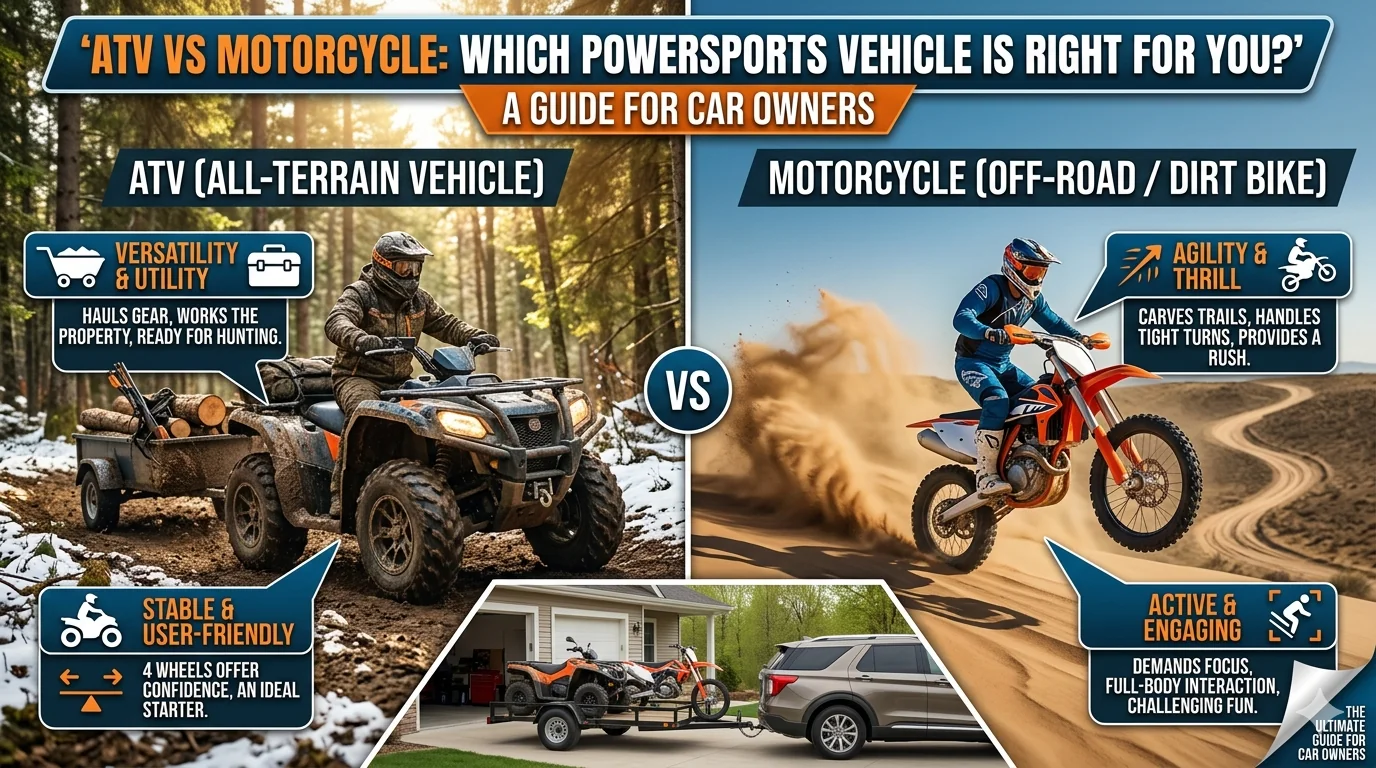
ATVs (all-terrain vehicles) are workhorses that also happen to be fun. If you own acreage near Airdrie, Cochrane, or rural Rocky View County, an ATV earns its keep year-round — pulling a small trailer, checking fence lines, hauling feed, or clearing light trails after a snowfall. They're also the default choice for off-road recreation: the ATV trails near Airdrie and Cochrane are purpose-built for four-wheeled rigs with wider clearances and obstacle-ready suspension.
ATVs are also the most family-friendly powersports option. Youth models start as small as 50cc, and side-by-side UTVs can carry two to four people with a full roll cage — turning a weekend trail ride into a group activity. If you're buying a powersports vehicle and you have kids who want to ride, an ATV or UTV is the natural starting point.
What ATVs can't do: they're not street legal in Alberta. You cannot ride an ATV on public roads (with very limited exceptions for crossing at designated points). Every ride starts and ends at the trail or on your own land.
Where Motorcycles Make More Sense
Motorcycles are, first and foremost, road vehicles. They're how you commute from Airdrie into Calgary without sitting in Highway 2 traffic in a truck. They're how you tour the Icefields Parkway, run out to Banff on a Saturday, or hit the best motorcycle roads in Alberta — the Cowboy Trail (Highway 22), Highway 1A through Cochrane, the Crowsnest Pass route. On those roads, a motorcycle is genuinely one of the best ways to travel.
Motorcycles also commute. A fuel-efficient bike — a 300cc or 650cc standard — can get 4-6 L/100km in real-world conditions, making it noticeably cheaper per kilometre than almost any car or truck. For Airdrie residents who commute south to Calgary regularly, the fuel savings alone can offset a meaningful portion of ownership costs over a season.
What motorcycles can't do: they can't go off-road (with exceptions for dual-sport/adventure bikes), they can't carry passengers comfortably on shorter bikes, and they require more physical skill to operate safely than an ATV does.
Alberta Licensing: What Each Vehicle Requires
This is one of the most important practical differences, and it catches new buyers off guard.
ATV Licensing in Alberta
To ride an ATV on designated off-highway vehicle (OHV) trails in Alberta, you need:
- A valid Alberta driver's licence (any class) if riding a machine over 90cc
- An ATV Safety Certificate (recommended and required on many Crown lands)
- Your ATV must be registered with Alberta Transportation (licence plate required)
- Proof of third-party liability insurance (minimum $200,000 coverage)
The ATV safety course through ATV Alberta takes about a day and costs roughly $100-150. It's worth taking even if you're an experienced rider — Alberta trail rules and right-of-way conventions differ from other provinces.
Motorcycle Licensing in Alberta
Alberta uses a graduated motorcycle licensing system (Class 6):
- Class 6 Learner (6L): Pass a written knowledge test at a registry. You can ride with restrictions — no passengers, no riding after dark, must display an L plate.
- Class 6 (Full): Pass an on-road skills test (or complete an approved motorcycle training course, which waives the road test). You must hold your 6L for a minimum of one year.
Most riders strongly recommend taking an MFOP (Motorcycle and Moped Operator Program) or equivalent safety course regardless. Alberta riders get significant insurance discounts for completing certified training, which matters a lot given how high new-rider insurance rates can be.
Bottom line on licensing: Getting street-legal on a motorcycle takes longer and costs more in training than getting set up for ATV trail riding. Factor this into your timeline — especially if you want to ride this season.
Cost Comparison: What You're Actually Spending
Let's put real numbers on this. Costs vary widely by make, model, and condition, but here's a realistic range for typical used units in the Alberta market:
| Cost Category | Mid-Size ATV (450-700cc) | Mid-Size Motorcycle (500-750cc) |
|---|---|---|
| Purchase price (used) | $6,000 – $14,000 | $5,000 – $12,000 |
| Annual insurance | $400 – $900 | $900 – $2,500 (new riders pay more) |
| Annual maintenance | $300 – $800 | $250 – $600 |
| Fuel per season | $300 – $700 (trail riding) | $400 – $900 (road miles) |
| Storage (if needed) | $600 – $1,200/yr | $400 – $900/yr |
| Trailer (for ATV) | $800 – $3,000 (one-time) | Not required |
The trailer cost is an often-overlooked ATV expense. You can't ride to the trail on public roads — you need to haul it there. If you don't already own a truck and trailer capable of towing an ATV, add that to the real ownership cost. Motorcycles, by contrast, ride directly to their destination.
Insurance is where motorcycles can get expensive, especially for new riders. Expect $1,500 to $3,000 per year in your first few seasons if you're a new Class 6 holder. That gap narrows as your record builds and you complete approved safety training.
Where You Can Ride Each Vehicle in Alberta
This is non-negotiable and shapes the whole ownership experience.
ATV Riding in Alberta
Alberta has an extensive OHV trail network managed through Alberta Tourism, Parks and Recreation and local land access groups. Key areas accessible from Airdrie and Calgary include:
- Ghost-Waiparous OHV Area (west of Calgary near Cochrane) — most popular multi-day destination
- McLean Creek OHV Recreation Area (near Bragg Creek)
- Kananaskis Country designated OHV zones
- Private land (with permission) — common in rural Rocky View and Mountain View counties
Important rule: ATVs are NOT permitted in provincial parks, national parks, or on public roads. Fines for violations are steep. Always check current access rules through Alberta Environment and Protected Areas before riding a new area — trail access changes seasonally.
Motorcycle Riding in Alberta
The province's road network is genuinely world-class for motorcycling. From Airdrie you can be on the Cowboy Trail (Highway 22) in under 40 minutes, threading through foothills scenery before the mountains even appear. The Icefields Parkway consistently ranks among the best motorcycle roads on the continent. Highway 40 through Kananaskis, the Crowsnest Pass (Highway 3), and the Forestry Trunk Road (Highway 734) all offer exceptional riding within a half-day's reach.
Dual-sport and adventure bikes (like the Honda Africa Twin, Yamaha Tenere, KTM 890 Adventure) blur the line slightly — they're street-legal but capable on gravel roads and light trails. If off-road access matters to you but you also want road capability, a dual-sport is worth considering as a hybrid option.
Which Holds Its Value Better?
Both ATVs and motorcycles depreciate significantly in the first few years, but the patterns differ.
ATVs from major brands — Can-Am, Polaris, Honda, Yamaha — tend to hold value reasonably well if maintained properly, partly because their utility value keeps demand up. Working ATVs on acreages get used hard and replaced when they wear out. Recreational ATVs hold value better if stored properly through Alberta winters.
Motorcycles can be more volatile. High-powered sport bikes depreciate fast — partly because younger riders want new technology, partly because accident rates keep insurance costs high. Cruisers (especially used Harley-Davidsons) and adventure bikes hold value better because their buyer base is older, more patient, and less trend-driven. A well-maintained Honda CB500 or Kawasaki Z650 will still be worth a meaningful portion of its purchase price after five years of regular riding.
The general rule: buy used in either category, and you avoid the steepest depreciation curve. A two-to-four year old unit from a reputable brand, with documented service records, gives you the best combination of value and reliability.
Financing Differences: ATV vs Motorcycle
Both are financed similarly — through powersports lenders who specialize in recreational vehicles — but there are practical differences.
Motorcycles typically have more lender options and slightly lower rates because they're considered more conventional vehicles with established resale markets. Motorcycle financing through Shift Happens gives you access to 15+ lenders competing for your deal, with rates from 4.99% depending on your credit profile. A $10,000 bike at 12.99% over 60 months works out to roughly $113 biweekly — very manageable for a seasonal-use vehicle.
ATV financing works similarly but can be slightly harder to arrange for very high-mileage or older units, since lenders assess residual value differently for off-road machines. Year, brand, and condition matter more here than with motorcycles. If your credit isn't perfect, working with a powersports dealer in Airdrie who has subprime lending relationships gives you the best shot at approval.
The Lifestyle Question: Which One Fits You?
Beyond specs and costs, the right choice often comes down to lifestyle honestly examined.
Get an ATV if:
- You own or frequently access rural property or acreage
- You have children or a family who want to ride together
- Trail riding and backcountry access is the primary appeal
- You want a vehicle that doubles as a work tool
- You prefer four-wheel stability over the lean dynamics of a motorcycle
Get a motorcycle if:
- Road riding — commuting, touring, weekend runs — is the primary appeal
- You want to use it as a practical second vehicle (especially for commuting)
- Alberta's scenic highway network excites you more than trail systems
- You want something you can ride directly from your driveway
- You're comfortable with or excited to learn the skills motorcycle riding demands
Alberta's Short Season: How It Affects Both Vehicles
Let's be honest about Alberta's climate. In the Calgary-Airdrie area, a realistic riding season for motorcycles runs from late April through early October — roughly five to six months. Some years you get lucky and get April and October; some years you're socked in early. Snow can fall any month except possibly July and August.
ATVs have a slight seasonal edge if you're willing to ride in shoulder-season conditions. Many ATV riders go through light snow, in mud, and in cold that would be genuinely dangerous on a motorcycle. Some OHV areas also have designated snowmobile access in winter (though ATVs are typically excluded from groomed sled trails).
Either way, you're making a seasonal purchase decision. The math on ownership costs looks very different spread over five months versus twelve. Budget for off-season storage and the cost of winterization, whether that's a battery tender and fuel stabilizer for a motorcycle or full fluid service on an ATV's drivetrain. Check our vehicle maintenance guide for seasonal care tips that apply to both.
What About Resale and the Secondary Market?
Whether you're buying new or used, understanding how the secondary market works in Alberta will save you money on both ends of ownership.
Used ATV prices in Alberta are driven heavily by brand loyalty and condition. Can-Am and Polaris command premium resale prices because parts availability is excellent and the brands have strong dealer networks. Honda and Yamaha hold value through reliability reputation. A clean, low-hours Can-Am Outlander 570 will sell faster and at a higher percentage of original value than a comparable off-brand machine, even with identical hours on the meter.
For used motorcycles, the story is similar but with some important nuances. Japanese brands — Honda, Kawasaki, Yamaha, Suzuki — dominate the used market and hold reasonable value because they're known for long-term reliability and low maintenance costs. European adventure bikes (BMW GS series, KTM Adventure) hold their value exceptionally well but command higher purchase prices too. Sport bikes, especially older high-performance models, tend to be priced attractively on the used market because the pool of buyers capable of riding them confidently is smaller than the pool of sellers who've moved on.
From a buying strategy perspective: spring is typically the worst time to buy, because motivated sellers have all winter to advertise and prices peak when riders want to get out on the road. Late fall — September through November, when sellers are thinking about storage costs — is when motivated pricing tends to appear. That said, selection thins out in the fall too. If you find the right unit in spring, good financing makes it accessible regardless of when you buy.
Practical Buying Checklist: Before You Commit
Whether you're buying an ATV or a motorcycle, run through this list before signing anything:
- Get insurance quotes first. Know your real annual cost before you fall in love with a specific unit. A bike that looks affordable at $8,000 becomes less attractive if insurance adds another $2,500 per year for a new rider.
- Run the VIN. Use CARFAX Canada or a similar service to check the vehicle history — accidents, lien status, odometer discrepancy alerts. A clean VIN history on a used unit is worth something concrete.
- Get a pre-purchase inspection. Most independent motorcycle shops will do a pre-purchase inspection for $80-150. Worth every dollar on a private sale. If the seller refuses inspection, walk away.
- Check for outstanding recalls. Both ATVs and motorcycles can have safety recalls. The NHTSA database (searchable by VIN) is free and covers recalled Canadian-market units.
- Budget realistically for the first year. First-year ownership costs are always higher — gear, a few maintenance items, possibly tires or a battery. Build in a $500-1,000 buffer beyond the purchase price and financing costs.
- Have financing arranged before you shop. A pre-approved financing amount gives you negotiating confidence and prevents the "the only option is our in-house financing" dealer pitch. Knowing your budget ceiling makes shopping decisively much easier.
If you want a comparison between different powersports options beyond ATVs and motorcycles, Alberta's growing adventure riding community has also embraced dual-sport bikes as a genuine hybrid option — they're street-legal, OHV-capable on light trails, and often better value on the used market than pure off-road ATVs. Read our guide on the best time to buy a motorcycle in Alberta for seasonal timing and market insights that apply to both categories.
Ready to Finance Your Powersports Purchase?
Whether you've landed on an ATV or a motorcycle, the next step is understanding what you can afford and getting your financing lined up before you shop. At Shift Happens, we work with riders across all credit situations — established prime credit or rebuilding after some bumps. Our lenders specialize in recreational vehicle financing, and we serve buyers across Airdrie, Calgary, and Alberta-wide. If you're just starting to think through the numbers, try our biweekly payment calculator to model different loan amounts and terms. When you're ready to apply, start your application today and get a clear picture of your options before you walk into a dealership.
Compare and Apply
- Bad Credit Car Loans — Complete Guide — auto loans for all credit situations
Financing Resources
Cars you could drive home
See all inventory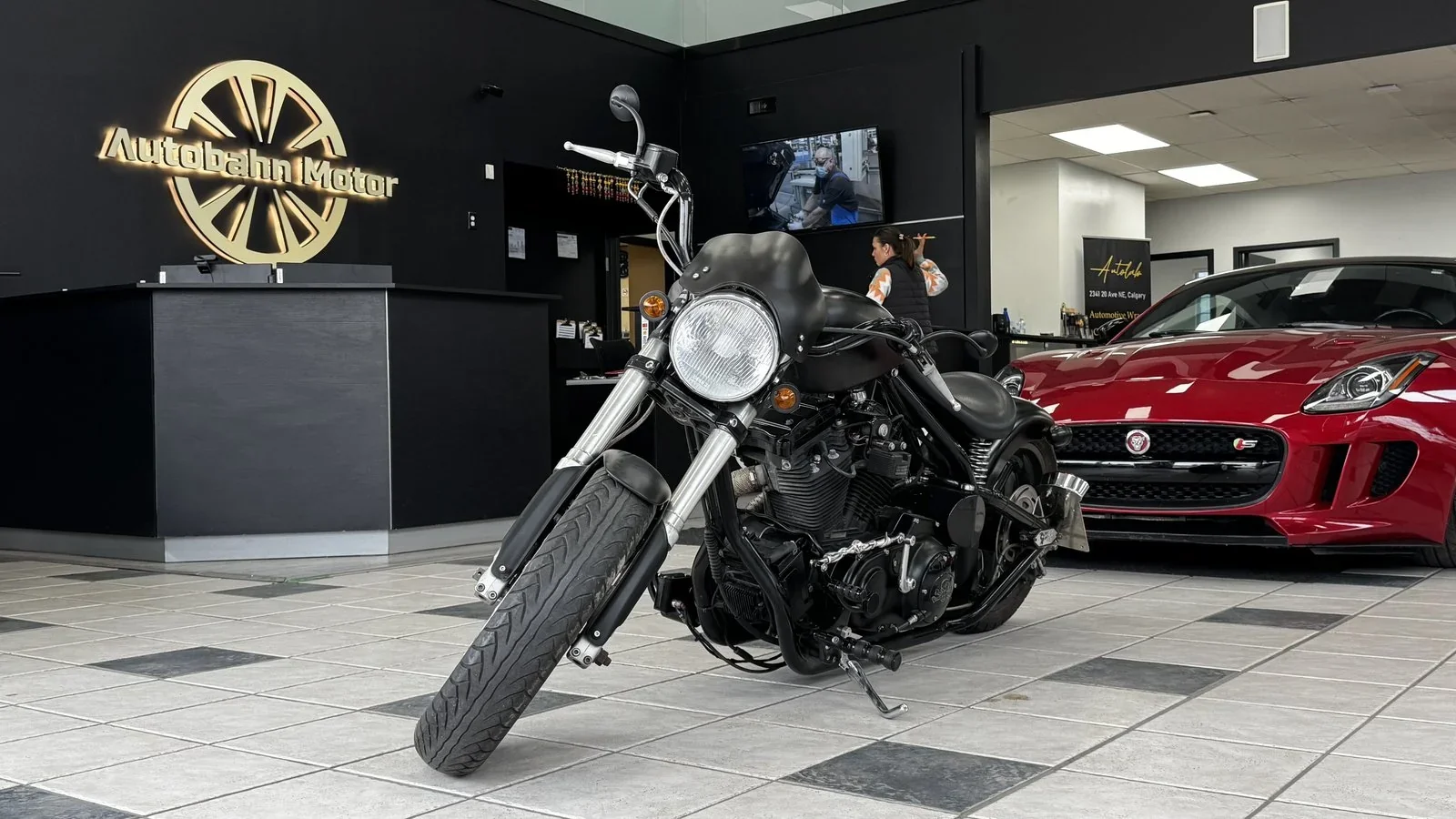
2006 Buell Redneck Mutant CUSTOM
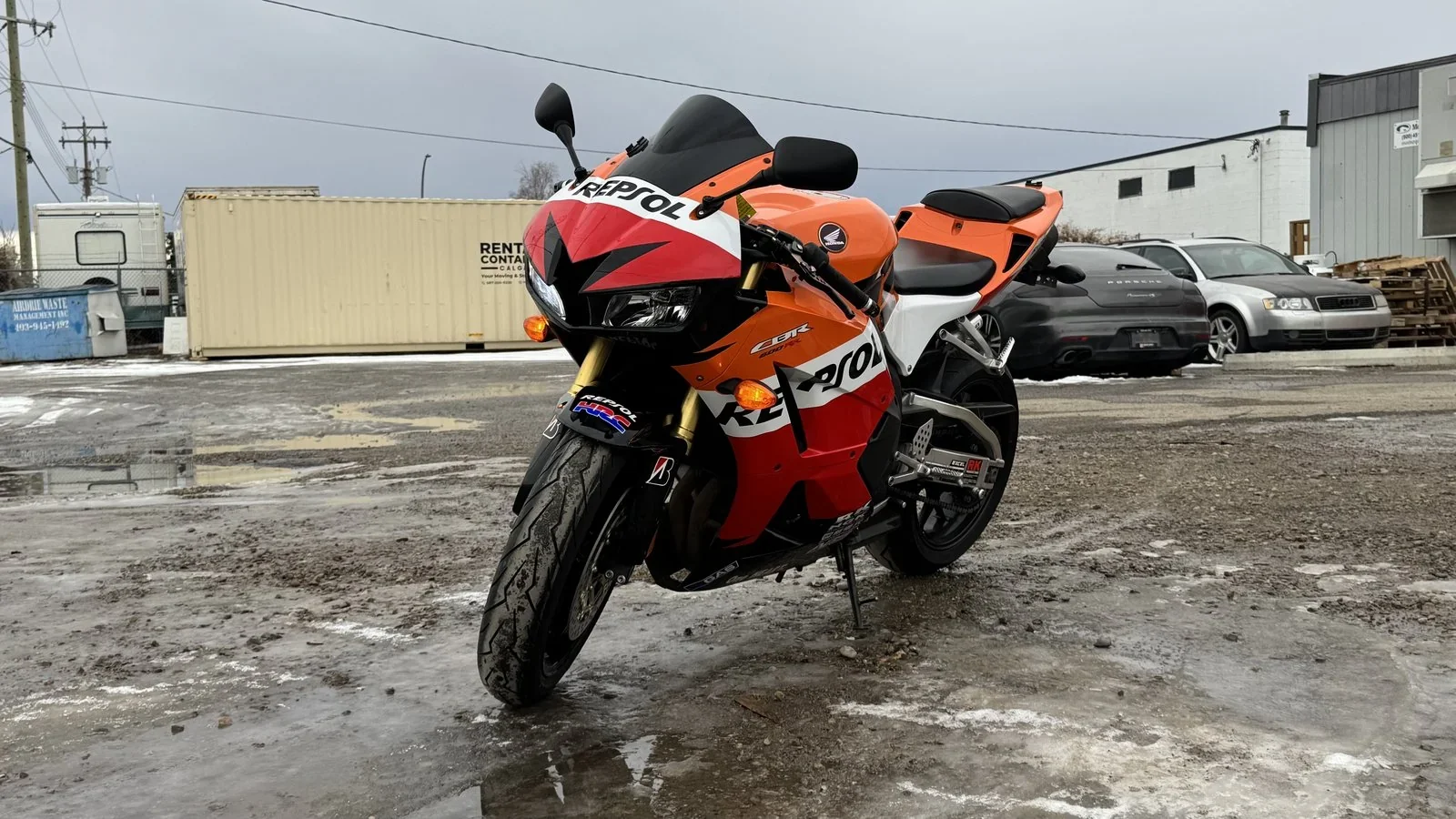
2013 Honda CBR600RR
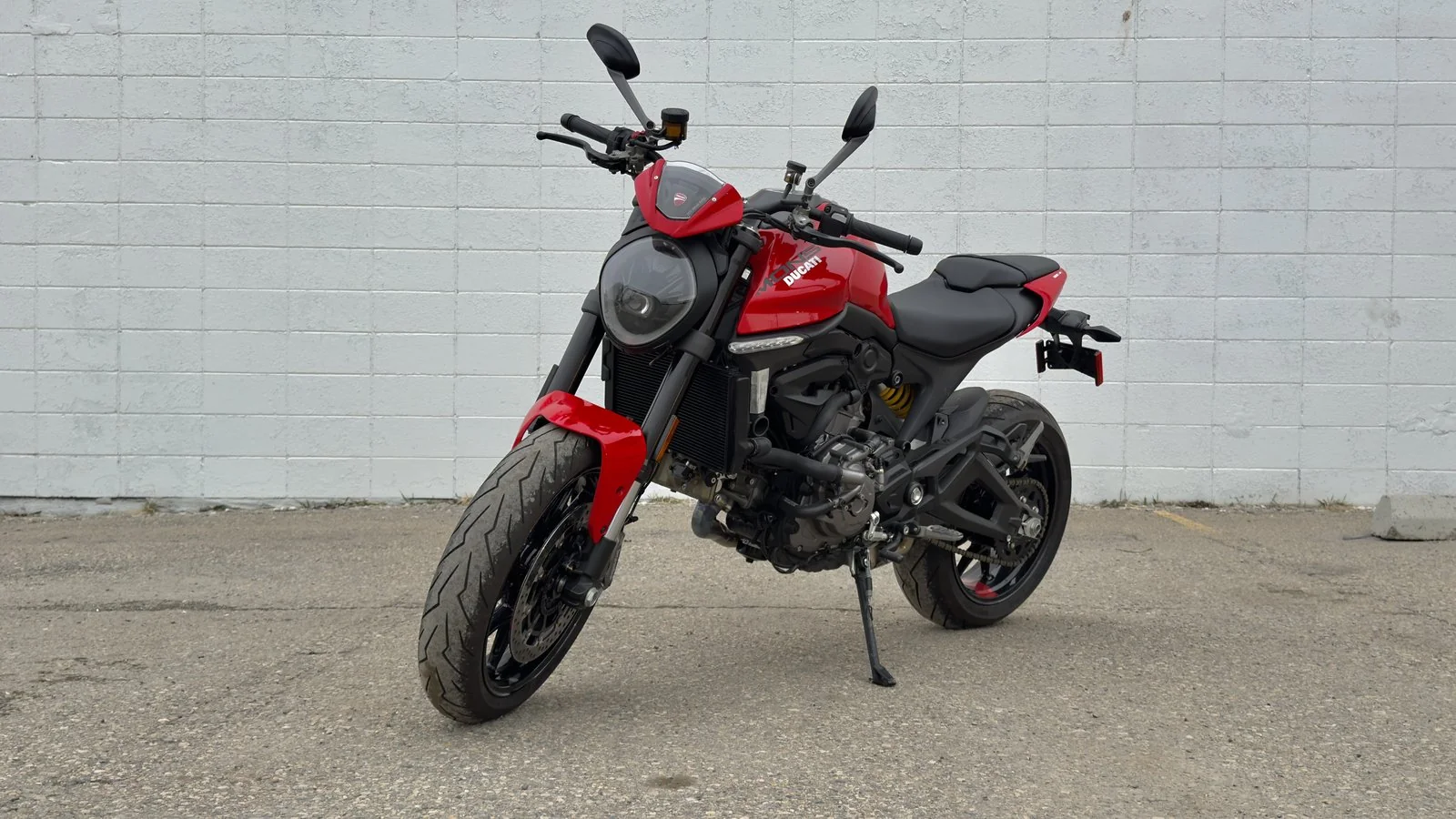
2021 Ducati Monster
Not seeing it? We'll find it.
We source through our dealer partner network across Western Canada: 25,000+ vehicles to choose from. Tell us what you want and what works for your budget.
Find my car3 min · no credit impactOAC = on approved credit. Payments are examples at 6.49% APR over 84 months with $0 down, based on each vehicle's advertised price; GST extra. Your rate depends on your credit (4.99%–29.9% APR).
Related Articles
Ready to Find Your Vehicle?
Browse our inventory or apply for financing. All credit situations welcome.
5.0118+ Google ReviewsAMVIC LicensedFree Delivery 300km