
What Lenders Actually Look for in Your Bank Statements
In this article
- What Do Auto Lenders Look for in Bank Statements in Canada?
- How Many Months of Statements Do Lenders Want?
- What Does a Lender Read From Your Pay Deposits?
- What Happens When a Payment Bounces?
- Do Overdrafts and Payday Loans Show?
- What About Big One-Off Deposits?
- How Do I Get My Statements Ready?
- Frequently Asked Questions
- Will a bounced payment on my bank statement automatically disqualify me from a car loan?
- Can I use a business bank account for income verification on a personal car loan?
- What if I was paid in cash and it is not in my bank statements?
- What Should I Do Next?
Check Your Options in 3 Minutes
No credit impact. All credit situations welcome.
5.0118+ Google ReviewsAMVIC LicensedFree Delivery 300km
A bank statement shows what really happens in your account: when your pay lands, what goes out, and whether a payment ever bounces. Some lenders list bank statements among their proof of income, so it helps to know what yours show before you send them.
If you work for an employer, our page on what lenders ask for when you have a job covers pay stubs, employer letters and T4s. This post is about the statements.
What Do Auto Lenders Look for in Bank Statements in Canada?
Bank statements are on some lenders' lists of proof of income, usually next to other papers. They show your pay landing, your regular payments, and any bounced payments or overdrafts. No lender page we read says how many bounced payments it will accept, so we will not invent a number. Every lender decides each file. We review every application and call you back.
How Many Months of Statements Do Lenders Want?
It varies. One Alberta lender's list names bank statements among its proof of income. One bank says to have pay stubs or bank statements ready if the lender asks. One loan-comparison site says to have records going back at least three months. A lender may want more months if you are self-employed or your pay moves around, so ask before you pull them. In our experience, some lenders also ask you to connect your bank account through a secure link instead of sending files.
What Does a Lender Read From Your Pay Deposits?
Your deposits show your pay as it lands. In our experience, a lender reads the pattern of your deposits next to your other papers. Deposits that match your pay stubs on a steady schedule are easy to read. Pay that arrives in different amounts or on different dates may prompt a question, so have your pay stubs or an employer letter ready.
To see your own picture, add up your pay deposits for three months and divide by three. Leave out transfers between your own accounts. For example, $4,200, $3,900 and $4,500 add up to $12,600, or $4,200 a month. A lender may read your statements differently. This is a self-check, not a formula.
What Happens When a Payment Bounces?
A returned payment is one your bank sends back because the money was not there. The bank may charge a non-sufficient funds (NSF) fee. Since March 12, 2026, federally regulated banks cannot charge more than $10 for an NSF fee, and before that NSF fees typically ranged from $45 to $48. An overdraft is when you do not have enough money in your account to cover a payment or withdrawal.
In our experience, what a lender notices is the returned payment, not the size of the fee. Lenders say a history of late or missed payments, especially recent ones, makes a decline more likely, and no lender page we read gives a number for how many it accepts. If your statements show some, a short note that says what happened and what changed is better than hoping the lender does not notice.
Do Overdrafts and Payday Loans Show?
In our experience, a pattern of overdrafts, or payday loan deposits and fees, tells a lender that money was tight, and the lender may ask about it. One bad month is read differently from a pattern. It is better to explain a rough stretch than to have it found.
What About Big One-Off Deposits?
In our experience, a lender may ask where a large one-off deposit came from, such as a bonus, a tax refund, a gift or the sale of a vehicle. Keep the paper that explains it, such as a bonus pay stub or a bill of sale.
How Do I Get My Statements Ready?
- Ask the lender how many months it wants and in what form.
- Mark any returned payments or overdrafts and write one line on each: what happened and what changed.
- Add up your pay deposits and divide by the number of months, leaving out transfers between your own accounts.
- Keep the paper behind any large one-off deposit.
- If you are self-employed, also have your Notice of Assessment and T1 General ready, with recent bank statements, personal and business.
Frequently Asked Questions
Will a bounced payment on my bank statement automatically disqualify me from a car loan?
No lender page we read says it does, and none gives a number. Lenders do say that a history of late or missed payments, especially recent ones, makes a decline more likely. Every lender decides each file.
Can I use a business bank account for income verification on a personal car loan?
Yes, you can bring it. One Alberta lender lists bank statements next to tax returns, and we suggest recent statements, personal and business, with your Notice of Assessment. Keep business deposits easy to tell apart from transfers between your own accounts.
What if I was paid in cash and it is not in my bank statements?
Cash that never reaches a bank account or a tax return cannot be shown on paper, so in our experience lenders do not count it. If your pay is mostly cash, talk to us first.
What Should I Do Next?
If your statements show a rough stretch and your credit took a hit, see bad credit car loans in Alberta. When you are ready, the quickest start is the online application. We review every application and call you back.
Sources (pages opened October 6, 2026): ATB: Navigating car loans in Alberta; RBC: how to get a car loan; Loans Canada: car loan approval; Santander Consumer Bank (Canada): our loans; Scotiabank: why a credit application may be declined; TD: credit granting process; Financial Consumer Agency of Canada: new NSF fee regulations (March 12, 2026); Financial Consumer Agency of Canada: getting overdraft protection; TD: personal loan application checklist.
Financing Resources
Cars you could drive home
See all inventory
2022 Lincoln Aviator Reserve
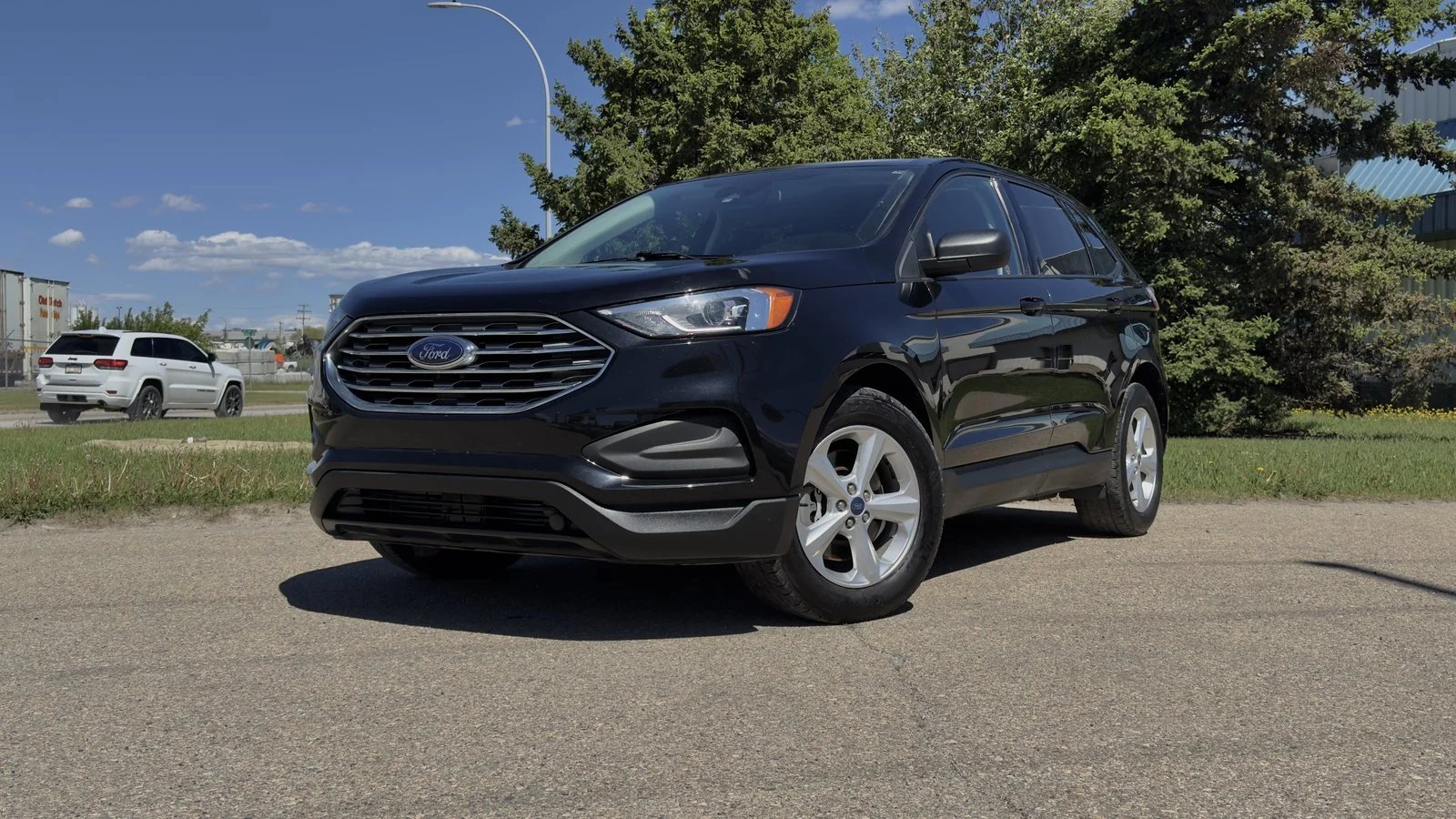
2020 Ford Edge SE
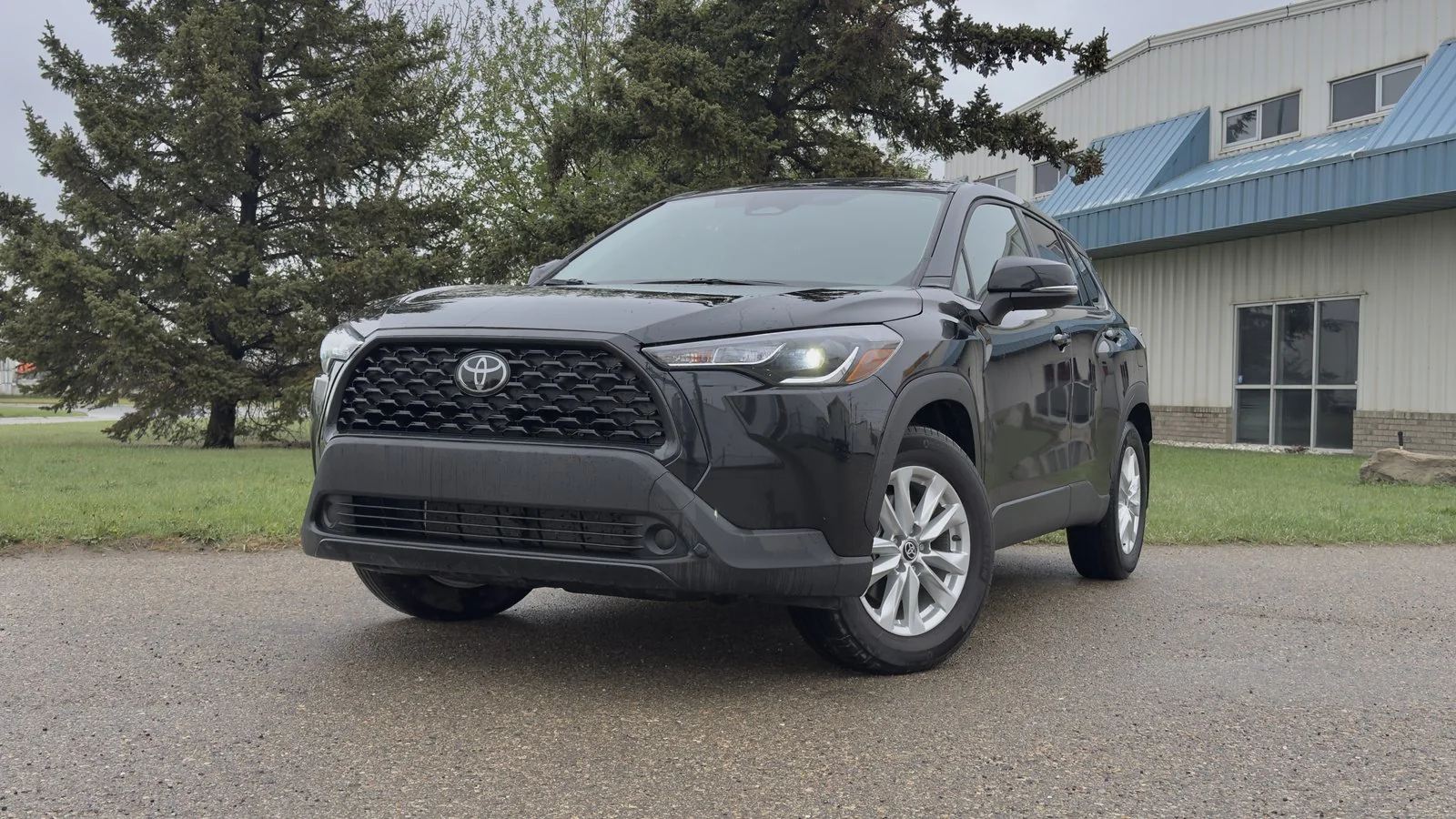
2024 Toyota Corolla Cross LE
Not seeing it? We'll find it.
We source through our dealer partner network across Western Canada: 25,000+ vehicles to choose from. Tell us what you want and what works for your budget.
Find my car3 min · no credit impactOAC = on approved credit. Payments are examples at 6.49% APR over 84 months with $0 down, based on each vehicle's advertised price; GST extra. Your rate depends on your credit (4.99%–29.9% APR).
Related Articles
Ready to Find Your Vehicle?
Browse our inventory or apply for financing. All credit situations welcome.
5.0118+ Google ReviewsAMVIC LicensedFree Delivery 300km