
How to Dispute a Collection Hurting Your Auto Loan Approval
In this article
- How Do You Dispute a Collection on Your Credit Report in Canada?
- What Rights Do You Have in Alberta?
- Which Collections Can You Dispute?
- How Do You File a Dispute, Step by Step?
- How Long Before You Apply Should You Dispute?
- What Does a Corrected Collection Change?
- What Not to Do: Common Dispute Mistakes
- Applying During or After a Dispute
- Is This a Fit for Your Situation?
- Frequently Asked Questions
- How long does it take for a credit bureau dispute to resolve in Canada?
- Can I dispute a collection that I actually owe but the amount is wrong?
- What if the collection agency verifies an item I know is wrong?
- Does disputing a collection stop debt collection calls?
- Can a dealership help me understand what's on my credit report before I apply?
- Compare and Apply
Check Your Options in 3 Minutes
No credit impact. All credit situations welcome.
5.0118+ Google ReviewsAMVIC LicensedFree Delivery 300km
You pulled your credit report before applying for a car loan and found a collection you do not recognize, or one you paid that still shows as open. An error like that can make a loan harder to get. This post explains how to dispute it in Alberta, what the rules say the bureau must do and what to do while you wait. If the collection is real, our guide to getting a car loan when accounts are in collections covers that side.
How Do You Dispute a Collection on Your Credit Report in Canada?
Tell the credit bureau in writing what is wrong and send proof. Equifax and TransUnion each keep their own file, so dispute with each bureau that shows the item. Filing is free. In Alberta, once you file a written statement of protest, the bureau must report back to you in writing within 45 days. The bureau checks with the company that reported the item, and if that company says the information is correct, the bureau keeps it.
What Rights Do You Have in Alberta?
The Financial Consumer Agency of Canada (FCAC) says: "The Federal government doesn't regulate credit bureaus." In Alberta, Part 5 of the Consumer Protection Act and the Credit and Personal Reports Regulation set the rules. Among other things:
- The Act says "Every reporting agency must adopt all reasonable procedures to ensure accuracy and fairness in the contents of its reports."
- On your written request, a bureau must give you your file "once each year at no charge," and tell you the sources of the information unless they are readily ascertainable.
- If you dispute anything in your file, you may file "a written statement of protest of not more than 100 words." The bureau "must use its best efforts to check the accuracy and completeness of all the information disputed" and must report to you in writing within 45 days after you file.
- Until the item is confirmed, corrected, supplemented or deleted, your protest "must be included in every report furnished" about you. After a change, the bureau must send the corrected report to you and, unless you ask otherwise, to everyone who received a report on the old file in the previous 6 months.
If a bureau does not treat you fairly, FCAC says to start by contacting the bureau and then your provincial consumer affairs office. In Alberta, Service Alberta's Consumer Investigations Unit investigates potential violations of consumer protection laws, and its list of complaints it can investigate includes collection agencies and credit reports.
Which Collections Can You Dispute?
Not every collection is wrong, but these four have real grounds:
- You paid it and it still shows unpaid. Equifax's guide shows a collection entry as unpaid or paid, and an agency that reported a debt must tell the bureau of a change in status within 35 days. FCAC says you may speed things up by asking the lender to verify its files and send the update to the bureaus.
- It is too old. FCAC tells you to look for "negative information about accounts that still appear after the maximum amount of time it's allowed to stay on your credit report." In Alberta, a bureau must not include unfavourable information about a debt if more than 6 years has elapsed since the last payment or the date the debt was incurred, whichever is later.
- It is not your debt. FCAC says to tell the debt collector, contact the creditor and check your credit report, and warns that accounts you do not recognize might mean someone applied for credit in your name. In Alberta, a collector may not keep collecting from a person who says they are not the debtor unless it first takes all reasonable precautions to make sure they are.
- The amount is wrong. Alberta's regulation says a collection agency may not charge a debtor any fee beyond the debt that is due and owing, apart from a reasonable dishonoured-cheque fee disclosed in writing first. You can ask the agency for a complete accounting of the debt.
How Do You File a Dispute, Step by Step?
- Get both reports. FCAC says to get your report from both Equifax and TransUnion. A collection can show on one and not the other, and each bureau has to be disputed on its own.
- Gather your proof. FCAC says to collect receipts, statements and other documents that prove there is a mistake. Equifax lists examples such as letters from a creditor supporting your claim and release letters from lenders or collection agencies.
- Ask the collector for details. FCAC says to ask for the amount you owe, who you owe it to and when you started owing it, and to say you will call back after you verify the information. Ask for the accounting in writing.
- File with each bureau. Equifax says you can file online or by mail, for free, and that you have to contact TransUnion directly about errors on your TransUnion file. FCAC says to use the forms from Equifax and TransUnion. State the specific ground, attach your proof and keep copies. In Alberta, a written statement of protest starts the 45-day clock, and Equifax says it processes disputes in about 15-20 days online and 20-25 days by mail.
- Keep paying your other bills. FCAC says "don't skip a payment even if you're disputing a charge."
- If it is still wrong, ask the lender to verify its files, ask to speak with someone at a higher level, add a short explanation to your file (see the FAQ below) and, if you need to, complain to your provincial consumer affairs office.
How Long Before You Apply Should You Dispute?
Start early, and plan for the longer figure: up to 45 days after you file in writing. While your protest is open it goes out with every report about you, so a lender who pulls your report in that time can see that the item is disputed. If you can wait for the result, the file a lender sees is the corrected one.
What Does a Corrected Collection Change?
Nobody can promise a score change from a dispute. What a better score can mean is a different rate band. Example, not an offer: at our Deep Subprime example rate of 24.9%, a $20,000 loan over 72 months is about $247 bi-weekly (about $538 a month), with about $18,700 in interest. At our Subprime example rate of 16.9%, the same loan is about $204 bi-weekly (about $444 a month), with about $11,950 in interest. That is about $6,750 less. A dispute only helps if something on your report is wrong, and your own rate depends on the lender and your whole file. Our car loan rates page shows every score band.
What Not to Do: Common Dispute Mistakes
- Do not pay a collection that is wrong just to make it go away. Equifax says that even when a collection is paid it "remains on your Equifax credit report." If the item is wrong, dispute it. If the debt is yours, our post on car loans while in collections covers paying or settling it safely.
- Do not pay someone to file for you. FCAC says "Credit bureaus must correct errors for free," and Equifax says you can file for free.
- Do not dispute an item that is correct. FCAC says that if the lender or organization says the information is correct, the credit bureau keeps it on your report.
- Do not sign or part-pay on an old debt without advice. Under Alberta's Limitations Act, a part payment or a signed, written acknowledgment made before the limit runs out starts the clock again.
Applying During or After a Dispute
If you need a vehicle now, you can still apply. In our experience, a lender reads the report as it stands that day, and in Alberta your open protest goes out with it. You can also add an explanation of up to 100 words to your file. Our post on reading your Equifax report shows what a lender sees. Tell us what you disputed and why, and bring your proof. We review every application and call you back, and every lender decides each file, so we cannot promise a result. You can start on our financing application page.
Is This a Fit for Your Situation?
We sell used vehicles in Alberta and work with buyers whose credit took a hit. If you have steady income and a collection you are disputing or working to resolve, we can look at your file. In our experience, lenders typically look for about $2,800 a month in income you can prove, from all sources combined. If you are under that, talk to us first.
Frequently Asked Questions
How long does it take for a credit bureau dispute to resolve in Canada?
Equifax says it processes disputes in about 15-20 days for online submissions and 20-25 days for mailed ones, and it asks for more information if it needs it. In Alberta, the bureau must report to you in writing within 45 days after you file a written statement of protest. Plan for the longer figure.
Can I dispute a collection that I actually owe but the amount is wrong?
Yes. FCAC says you have the right to dispute any information on your credit report that you believe is wrong. Ask the agency for a complete accounting of the debt first. Alberta's regulation bars a collection agency from charging fees beyond the debt that is due and owing, apart from a reasonable dishonoured-cheque fee disclosed in writing beforehand.
What if the collection agency verifies an item I know is wrong?
FCAC says that if the lender or organization says the information is correct, the credit bureau keeps it on your report. You can ask the bureau for your file and the sources of the information, ask the lender directly to verify its files, ask to speak with someone at a higher level and add a short explanation to your file: in Alberta, an explanation of not more than 100 words must be included in every report. If you think a bureau or an agency broke the rules, you can complain to the Consumer Investigations Unit.
Does disputing a collection stop debt collection calls?
No. A bureau dispute only deals with what is on your credit report, and a dispute with the collector is a separate step. In Alberta, an agency must stop collecting from you if you tell it by a verifiable means, such as certified mail or e-mail, that the debt is in dispute and that you want the creditor to take the matter to court. That is a different step from a bureau dispute, and the creditor can still take the matter to court. FCAC also says you can ask a collection agency to contact you only in writing.
Can a dealership help me understand what's on my credit report before I apply?
You can ask. Tell us what you found on your report and what a lender said, and we will tell you what to bring. We review every application and call you back, and every lender decides each file.
Compare and Apply
- Complete Bad Credit Car Buying Guide (Alberta) — Alberta car buying guide for all credit situations
Sources (pages opened October 6, 2026): Financial Consumer Agency of Canada: Checking your credit report for errors and fraud, Dealing with a debt collector, Improving your credit score; Equifax Canada: How to dispute information on your credit report, How to dispute a credit report, Consumer Credit Report User Guide (PDF), What information is in a credit report?, How long does information stay on your credit report?; Government of Alberta: Submit a consumer complaint; Alberta King's Printer: Credit and Personal Reports Regulation, Alta Reg 193/1999 (current as of July 16, 2025), Consumer Protection Act (current as of July 14, 2026), Collection and Debt Repayment Practices Regulation, Alta Reg 194/1999 (current as of July 1, 2026), Limitations Act (current as of December 15, 2022). These are public pages, quoted to show what they say. Check the source page before you rely on a detail. This is general information, not legal advice.
Financing Resources
Cars you could drive home
See all inventory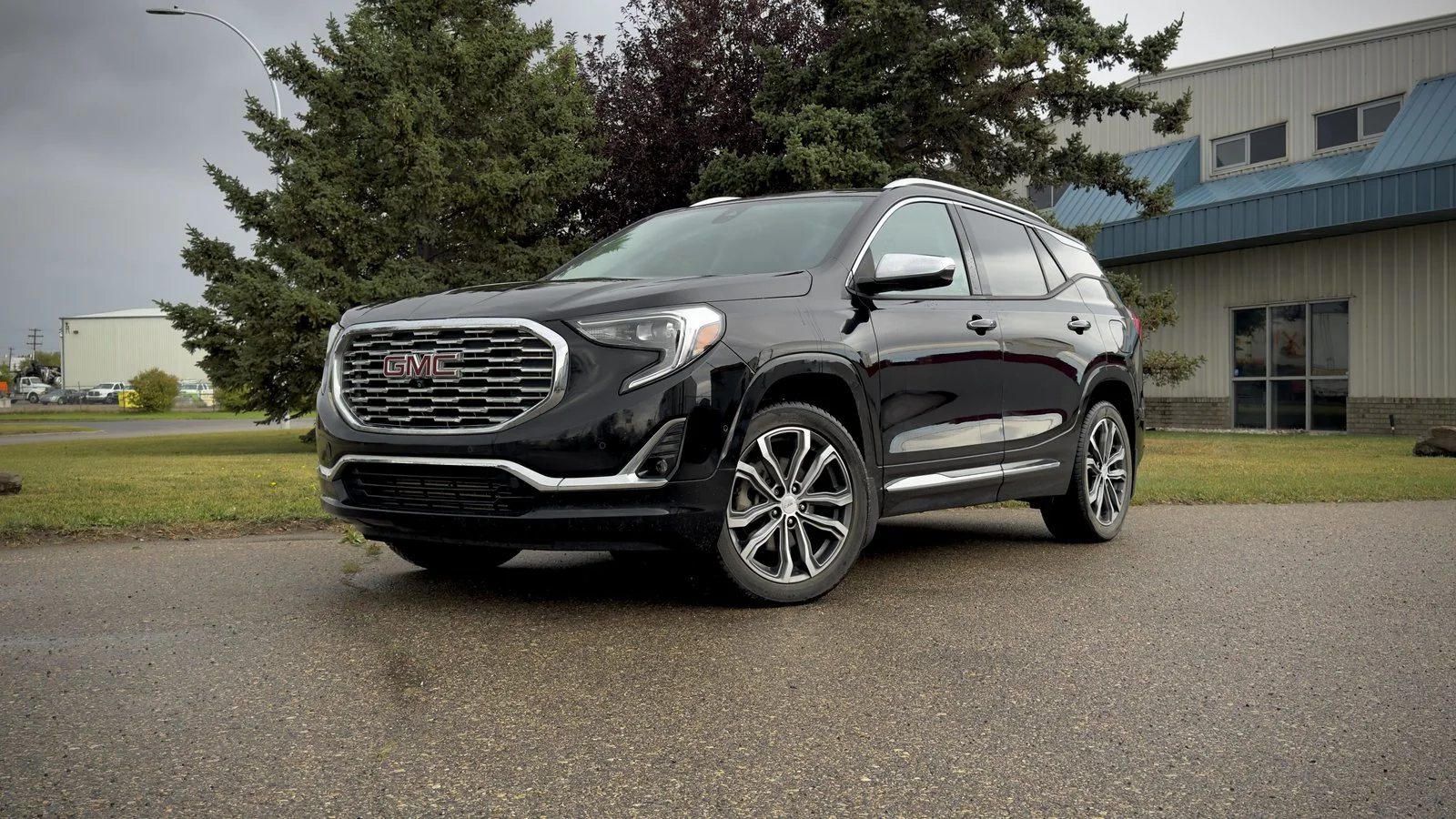
2020 GMC Terrain Denali

2014 BMW X3 xDrive28i
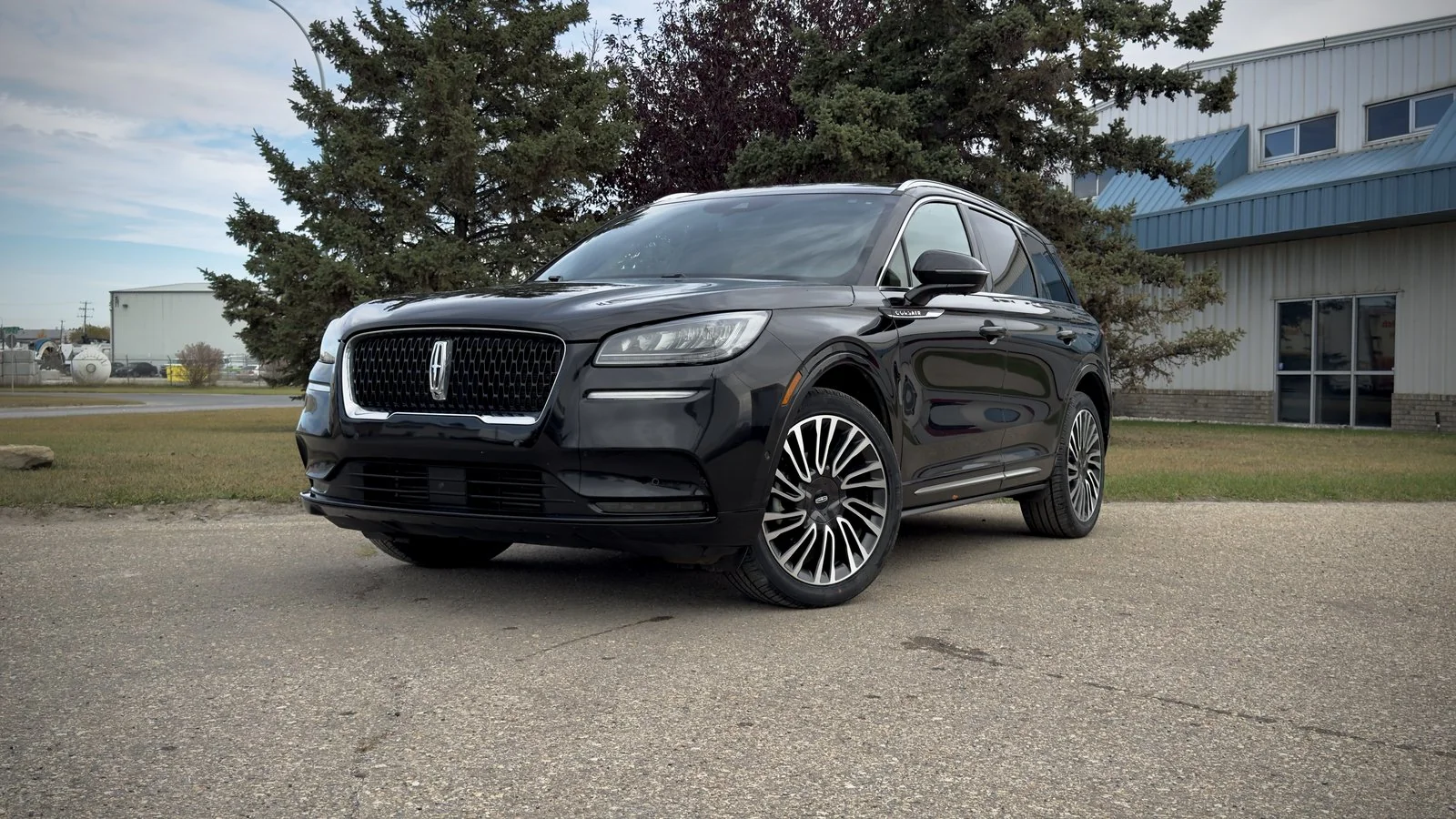
2021 Lincoln Corsair Reserve
Not seeing it? We'll find it.
We source through our dealer partner network across Western Canada: 25,000+ vehicles to choose from. Tell us what you want and what works for your budget.
Find my car3 min · no credit impactOAC = on approved credit. Payments are examples at 6.49% APR over 84 months with $0 down, based on each vehicle's advertised price; GST extra. Your rate depends on your credit (4.99%–29.9% APR).
Related Articles

Ready to Find Your Vehicle?
Browse our inventory or apply for financing. All credit situations welcome.
5.0118+ Google ReviewsAMVIC LicensedFree Delivery 300km