
Car Loan While in Collections: What Is Possible in Alberta
In this article
- Can You Get a Car Loan While in Collections in Alberta?
- What Does "In Collections" Mean on Your Credit File?
- How Do Lenders Read a File With Collections?
- Should You Pay or Settle a Collection Before You Apply?
- Can You Add Your Side of the Story to Your Credit File?
- Does a Down Payment Help When You Have Collections?
- What Proof of Income Do Lenders Want When You Have Collections?
- What Should You Do Before You Apply?
- Is This a Fit for Your Situation?
- Frequently Asked Questions
- Will a lender require me to pay off my collections before approving a car loan?
- How many collections are too many to get a car loan in Alberta?
- Can I still get a car loan if I have an active judgment against me?
- How long does a collection stay on my credit file in Alberta?
- Compare and Apply
Check Your Options in 3 Minutes
No credit impact. All credit situations welcome.
5.0118+ Google ReviewsAMVIC LicensedFree Delivery 300km
The collections notice arrived, and now the question is not only about the debt. It is whether you can still get to work. Many Albertans in this spot assume a collection ends any chance of a car loan. It does not have to. Each lender decides each file, and a collection is one part of it. Our guide to car loans with collections covers the wider picture, including how an unpaid bill or ticket ends up as a collection account. This post covers what lenders see, what paying or explaining a collection does and what to have ready.
Can You Get a Car Loan While in Collections in Alberta?
It can be possible. In our experience, a collection does not automatically end the conversation, because lenders look at the whole file. One major bank says a decline can come from "a combination of marginally weak factors, not just one major factor," and that credit granting policies vary "from one lender to the next." We cannot promise what any lender will decide.
What Does "In Collections" Mean on Your Credit File?
The Financial Consumer Agency of Canada (FCAC) says a creditor may use its own collections department, hire a collection agency to collect for it or sell your debt to an agency. FCAC also says: "Once your creditor sends your debt to a collection agency, your credit score will go down."
Equifax says past-due accounts that have been turned over to a collections agency could be included in your credit report. It also says your report may not match at the two bureaus, because some lenders report to both, just one or none at all. Equifax's guide to its report describes a collection entry as showing the type of collection, unpaid or paid, the original debt amount, the date of last activity with the credit grantor and the balance.
How Do Lenders Read a File With Collections?
There is no published rulebook, and lenders differ. In our experience, a lender asks the same few questions about a collection:
- What was the debt? A phone bill and a previous car loan tell different stories.
- How old is it? A collection from years ago sits differently than one from last month.
- How big is it? The amount matters next to your income.
- Is it paid or unpaid? Equifax's guide shows the entry as one or the other.
- What has happened since? Steady work and on-time payments on your other accounts help.
In our experience, a collection on a previous car loan or lease is the one lenders ask about most, because it is the same kind of loan. One major bank says a history of missed payments "could be of particular impact if previous creditors were forced to write off a loss."
Should You Pay or Settle a Collection Before You Apply?
Paying does not remove it. Equifax says: "If you pay the collection account before the 6-year period is up, it remains on your Equifax credit report, but the account may have less of an impact on your Equifax credit score." Equifax says the six years run "from the date of first delinquency on the account (typically when it went to collection)." In Alberta, a reporting agency also must not include unfavourable information about a debt "if more than 6 years has elapsed since the date of the last payment on that debt or the date the debt was incurred, whichever is later."
If you decide to pay or settle, do it carefully:
- FCAC says: "If the debt is yours and the amount is correct, paying the full amount you owe will resolve the issue." Get a receipt for every payment, do not send cash and deal only with the collector who contacted you.
- If you cannot pay in full, FCAC says to explain your situation, offer another way to repay, such as monthly payments, follow up in writing and, if possible, include a first payment.
- In Alberta, a collection agency may not accept less than the balance as a final settlement without the creditor's prior express consent. When a settlement is paid in full, it must give you a receipt that states the amount is "in final settlement of the debt or debts owing."
- An agency that reported the debt to a bureau "must inform the credit reporting agency of any change in the status of the account within 35 days of the change." Check your report about five weeks after you pay.
Be careful with old debts. Under Alberta's Limitations Act, a part payment or a signed, written acknowledgment made before the limit runs out starts the clock again. Alberta's collection rules also say an agency may not "pursue a non-judgment debt where the last payment or written acknowledgement by the debtor is more than 6 years previous." Before you pay or sign anything on a debt that is years old, get advice from a lawyer or a credit counsellor.
Can You Add Your Side of the Story to Your Credit File?
In Alberta, yes. The Consumer Protection Act says an individual may deliver to a reporting agency "an explanation or additional information, in writing as prescribed in the regulations, about the circumstances surrounding any item of information referring to the individual in the individual's file," and the agency must include it "in any report given containing the item." The regulation says the explanation must be "in writing and of not more than 100 words."
FCAC says lenders and others who review your credit report "may consider your consumer statement when they make their decisions about your credit." Keep yours short and factual: what the debt was, what happened and what you have done since.
Does a Down Payment Help When You Have Collections?
A down payment makes the loan smaller. One loan-comparison site says that by putting more money upfront, "you'll reduce the lender's risk as your car loan is less likely to end up upside down." Example, not an offer: on a $16,000 vehicle at 24.9% APR over 60 months the payment is about $216 bi-weekly (about $469 a month). With $3,000 down you borrow $13,000, and the payment is about $175 bi-weekly (about $381 a month). 24.9% is the example rate for our Deep Subprime tier (19.9%–29.9%). Our affordability calculator lets you try your own numbers.
What Proof of Income Do Lenders Want When You Have Collections?
Lenders confirm income before they lend, and one major bank says "A T4 slip or a pay stub is generally required as minimum proof of income." It asks for more if you are self-employed or on a contract. Another bank says lenders may want pay stubs or statements to show your income is "accurate and expected to continue in the future." In our experience, lenders typically look for about $2,800 a month in income you can prove, from all sources combined. If you are under that, talk to us first.
What Should You Do Before You Apply?
- Get both credit reports. FCAC says you can access your credit report online for free from Canada's 2 main credit bureaus, Equifax and TransUnion. Your report can differ at the two bureaus.
- List every collection. FCAC says the written notice from an agency should include its name, the name of the person or business you owe and the amount. Alberta also says an agency "must provide the debtor on request with a complete accounting of all the details of the debt."
- Check each one. If the debt is not yours, or the amount looks wrong, FCAC says to tell the debt collector, contact the creditor to find out how to correct the error and check your credit report. Our post on disputing a collection covers the steps.
- Decide whether to pay, settle or leave it. See the section above, and get advice first if it is an old debt.
- Add a short note to your file if there is a story worth telling.
- Gather proof of income. Recent pay stubs, or the documents a self-employed buyer would use.
The questions this post raises usually lead to the topics below — pick the angle that fits your scenario:
Is This a Fit for Your Situation?
We sell used vehicles in Alberta and work with buyers whose credit took a hit. If you have steady income and collections on your report, we can look at your file. We review every application and call you back, and we match your file with lenders that fit your situation. Every lender decides each file, so we cannot promise a result. You can start on our financing application page.
Frequently Asked Questions
Will a lender require me to pay off my collections before approving a car loan?
Some may ask for a collection to be paid or settled first, and others will not. In our experience, it comes up most often with a collection on a previous car loan. Every lender decides each file, so ask before you pay. If you do pay, get the receipt and check your report afterward.
How many collections are too many to get a car loan in Alberta?
We cannot give you a number. One major bank says its credit granting policies "vary by product and from one lender to the next," and that a decline can come from a mix of weaker factors. The amount, the type, the age and your income all play a part. Our overview of car loans with bad credit in Alberta covers what lenders look at across different files.
Can I still get a car loan if I have an active judgment against me?
That depends on the lender. FCAC says "A judgment is a court decision that says you owe someone money," which is different from a collection entry. A lender will want to know what it was for, whether it is paid and, if your pay is garnished, how much you keep. Our guide to a car loan with a wage garnishment in Alberta explains what that shows on a file.
How long does a collection stay on my credit file in Alberta?
Equifax says a collection account is removed 6 years from the date of first delinquency on the account, typically when it went to collection. FCAC says information about late or unpaid loans can stay up to 6 years. Alberta's regulation also bars a bureau from reporting unfavourable debt information more than 6 years after the last payment or the date the debt was incurred, whichever is later. The dates on your own report are what count.
Compare and Apply
- Complete Bad Credit Car Buying Guide (Alberta) — step-by-step guide to bad credit car buying in Alberta
Sources (pages opened October 6, 2026): Financial Consumer Agency of Canada: Dealing with a debt collector, Checking your credit report for errors and fraud, Getting your credit report and credit score, How long information stays on your credit report; Equifax Canada: What information is in a credit report?, Consumer Credit Report User Guide (PDF), How long does information stay on your credit report?; Alberta King's Printer: Credit and Personal Reports Regulation, Alta Reg 193/1999 (current as of July 16, 2025), Collection and Debt Repayment Practices Regulation, Alta Reg 194/1999 (current as of July 1, 2026), Limitations Act (current as of December 15, 2022), Consumer Protection Act (current as of July 14, 2026); Bank, credit union and loan-site pages: TD: credit granting process, Loans Canada: how to qualify for a car loan, Scotiabank: 7 reasons you may not be getting approved. These are public pages, quoted to show what they say. Check the source page before you rely on a detail. This is general information, not legal advice.
Financing Resources
Cars you could drive home
See all inventory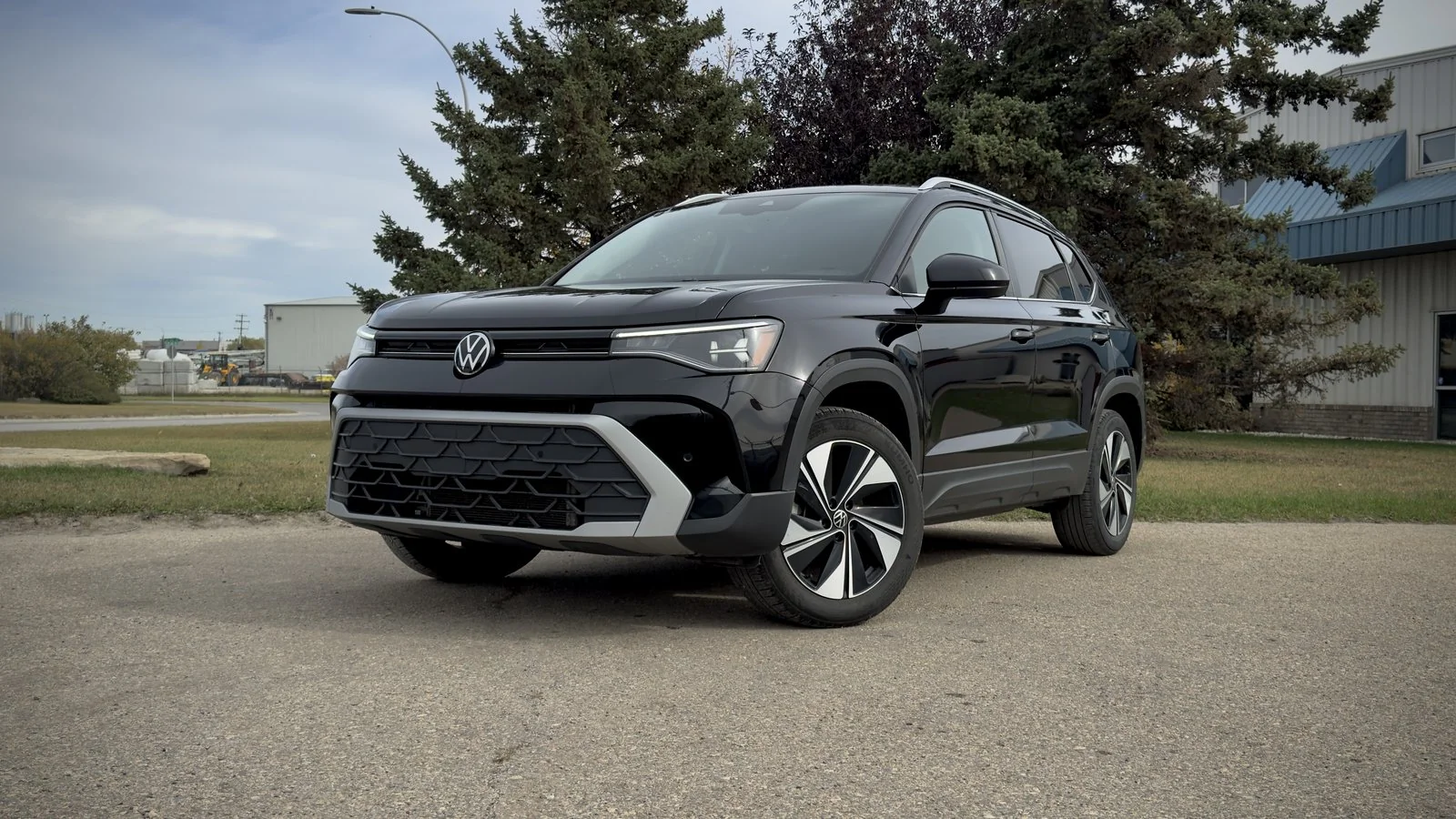
2025 Volkswagen Taos Comfortline
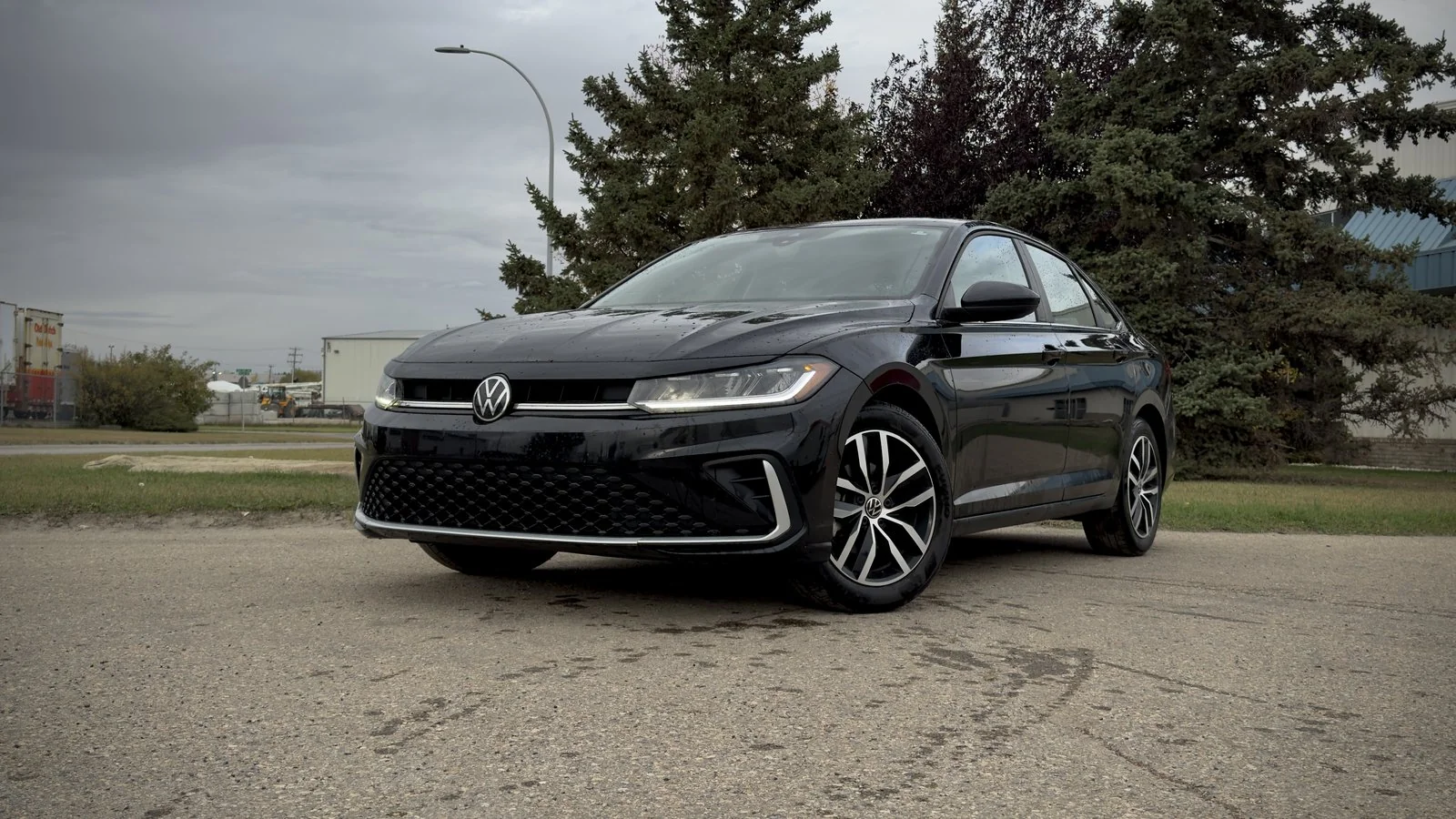
2026 Volkswagen Jetta Comfortline
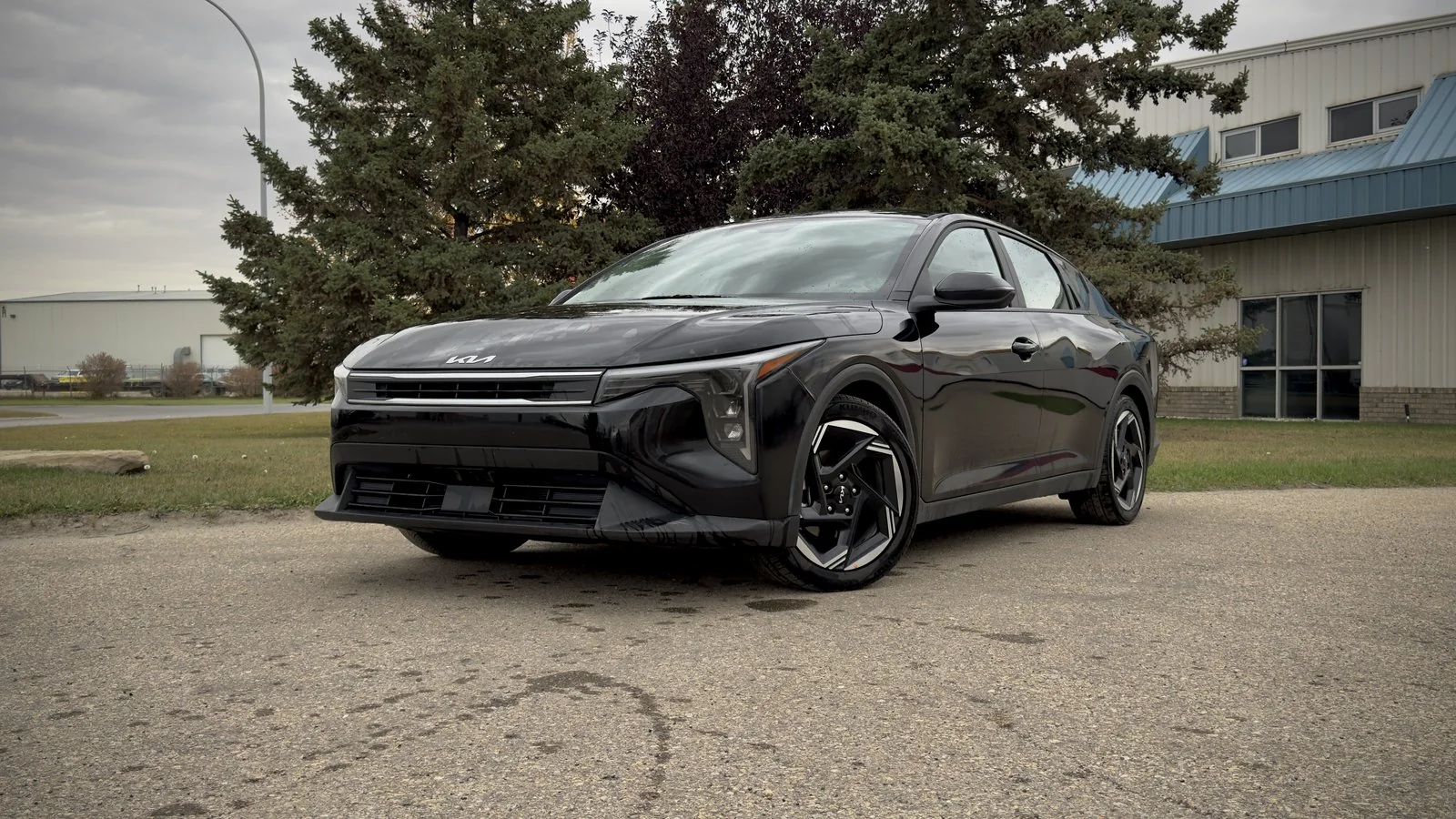
2025 Kia K4 EX
Not seeing it? We'll find it.
We source through our dealer partner network across Western Canada: 25,000+ vehicles to choose from. Tell us what you want and what works for your budget.
Find my car3 min · no credit impactOAC = on approved credit. Payments are examples at 6.49% APR over 84 months with $0 down, based on each vehicle's advertised price; GST extra. Your rate depends on your credit (4.99%–29.9% APR).
Related Articles
Ready to Find Your Vehicle?
Browse our inventory or apply for financing. All credit situations welcome.
5.0118+ Google ReviewsAMVIC LicensedFree Delivery 300km