
Car Lease Ending and Your Credit Took a Hit? Your Options
What can I do when my car lease ends and my credit is bad?
Under a closed-end lease, Alberta's vehicle regulator lists three options: return the vehicle, buy it if your contract has a purchase option, or lease a new one. With bruised credit, buying or financing needs a lender to say yes today. Compare the buyout price with a used car's payment. We review every application and call you back.
This page is part of our guide to second chance auto financing in Alberta. If you are still deciding between leasing and buying, read leasing vs financing a car in Alberta.
Who this page is for
- You lease a car, the term is ending or close, and you work with steady pay.
- Your credit took a hit since you signed: late payments, a collection or a rough patch.
- You want to compare buying it out, returning it and financing a used car.
General information about leases, not legal advice
Key Facts
- Who this is for
- Working, with a car lease that is ending
- Your options (AMVIC, closed-end lease)
- Return it, buy it if the contract has a purchase option, or lease a new one
- Find in your contract
- The buyout price, the kilometre limit, the wear and tear charges
- What credit changes
- Lease terms can differ with credit history (AMVIC)
- Lender network
- 21+ lenders
See what you pre-qualify for
A few quick answers. No commitment.
What are my options when my car lease ends?
You can return the car, buy it, or move into another one. AMVIC, the body that oversees vehicle dealers in Alberta, says: “Basically, you have three options under a closed-end lease when it expires.” They are to return the vehicle, buy it if the lease has a purchase option, or lease a new one. The Financial Consumer Agency of Canada (FCAC) says the same thing in its own words: “you may choose to buy the car, return it or lease a new one when your lease ends”. Two lessors’ own pages show the same three choices.
Which kind of lease you have changes the end. AMVIC says: “There are two kinds of leases: closed-end and open-end.” Check your contract to see which one yours is.
Start with three things in your contract. AMVIC’s page says: “Lease contracts must provide full disclosure of the following facts:” and lists them. Three of them matter now:
| Look for | What AMVIC’s list says | Why it matters now |
|---|---|---|
| The buyout price | “Residual value of the vehicle at the end of the lease” | What you would pay to keep the car, before taxes and fees. |
| The kilometre limit and the charge for going over | “Annual and total kilometer allowance” and “Cost of excess kilometers” | The cost of handing the car back with more kilometres than the contract allows. |
| The charges for damage and wear | “Charges that will apply for damage and excessive wear and tear” | What the lessor can bill you if it finds more than normal wear. |
Call your lessor, or the dealer that handles the lease, and ask for the purchase price and an estimate of any end-of-term charges. Get both in writing.
What does it mean to buy out my lease?
You pay the buyout price in your contract, plus what comes with it. One lessor’s FAQ says of that price: “This amount on the contract represents the option to purchase amount due at lease end date and is non-negotiable.” It adds: “It is subject to taxes and excludes any amounts remaining due under the lease or costs associated with the transfer of vehicle ownership in your province.” Another lessor may word it differently, so read your own contract.
The same FAQ says: “Yes, you may purchase your vehicle at any time before your lease end date.” A payoff quote is available from the dealer or the lessor.
Ask about paperwork before you commit. That FAQ also says: “A safety certification or any certificate of mechanical fitness and/or emissions certificate may be required in Canada when purchasing your vehicle depending on the province.” AMVIC says: “All AMVIC-licensed businesses must provide customers with a completed Mechanical Fitness Assessment (MFA) form before entering into a sales agreement/purchase contract for any used vehicle—it’s the law.” Whether either one applies to your buyout is a question for the dealer or lessor handling it. Ask what it is and what it costs.
If you borrow to buy it out, today’s file decides. A lender looks at your credit and your pay now. The buyout price may be higher or lower than what the same car sells for used, so compare it with listings for the same year, model and kilometres. If the buyout is higher, the difference is money you pay to keep the car.
What happens if I just return the car?
Usually you hand it back and settle any charges. AMVIC says: “You usually have no more payments to make at the end of the contract, unless the vehicle has been damaged by excess wear and tear. You may also have to pay a kilometre charge if you have driven a greater distance than the limit set out in the lease contract.” One lessor’s guide spells out more: “If you turn in your leased vehicle, you are responsible for any excess wear and tear charges, remaining payments, excess kilometre charges, fees, taxes and/or citations.”
- Look at the car before the return date. One lessor’s page says: “A pre-return inspection is optional, but beneficial to get ahead of any repairs that may need to be addressed prior to returning the vehicle.”
- Return it on time. The same lessor’s FAQ says: “Yes, you could be charged additional payments if your vehicle is returned late.”
- Keep your repair receipts and the check-in paperwork, so you can match them to any final invoice.
Once the car is back you need another one. That is where a financed used car comes in. The next sections show how the two paths compare.
Can I lease again with bad credit?
It depends on the file. AMVIC says: “Lease terms may differ from one consumer to another based on credit history.” FCAC lists “car-leasing companies” among the businesses that may request your credit report.
FCAC puts it plainly: “Leasing a car is like a long-term rental.” “You aren’t buying the car and won’t own it when the lease ends. However, you may be able to buy the car at the end of your lease term.” We are a used-car dealer, so our focus is financing a car you will own. If you are weighing the two, read leasing vs financing a car in Alberta. A rent-to-own plan is a different contract again; see lease-to-own car financing.
A lease can show on your credit report. Equifax Canada’s credit report guide lists lease accounts as their own type: “L: Lease Account”. Like any account, it carries a rating for how it was paid. Our glossary explains how the letters and numbers on a credit report work.
What would a used car payment look like next to a buyout?
Here is one example, side by side. The pay, the buyout price and the used-car price are examples, not figures from any lease or any market. Both loans use the same example rate and term, so the only thing that changes is the price.
Buy it out
Example buyout price from a contract
- Amount financed
- $29,000 over 72 months
- Example rate
- 16.9% APR (Subprime example)
Payment: ~$644/mo (or ~$296/bi-weekly)
About 12% of $5,200 gross monthly pay.
Return it, finance a used SUV
Example used SUV price
- Amount financed
- $22,000 over 72 months
- Example rate
- 16.9% APR (Subprime example)
Payment: ~$488/mo (or ~$225/bi-weekly)
About 9% of $5,200 gross monthly pay.
Example, not an offer. Your rate depends on your file; rates run from 4.99% APR (prime) to 29.9% APR (deep subprime).
A payment is only part of the cost. Add up what each path includes.
If you buy it out
- The buyout price in your contract.
- Taxes on it, and the cost of transferring ownership.
- Any safety or mechanical paperwork that applies.
- Interest, if you borrow to pay for it.
If you return it and finance a used car
- The final invoice: excess kilometres, wear and tear, fees and any payments still owing.
- The price of the next car, with its own taxes and fees.
- Interest on that loan.
- A car you will own at the end of the term.
To try your own numbers, use the payment calculator. For how your score sets the rate, see car loan rates in Alberta.
What if my lease is not over yet and I want out?
Early exits are costly. AMVIC says: “Terminating a lease early is usually extremely costly. The leasing company may require full payment of the lease.” FCAC lists as a drawback of leasing that “breaking a lease before it ends may be very costly”.
Before you decide, ask your lessor for the early-termination amount in writing. Then compare it with the same two paths above. If the lease is nearly over, waiting for the end date may cost less than leaving early.
When you are ready, the quickest start is the online application. Tell us about the lease when you apply. We review every application and call you back. Or call us at (825) 736-4438. If your pay is not the usual kind, see what car lenders verify when you work.
Example payments are estimates. Not an offer.
Vehicles in stock right now
Browse all inventory →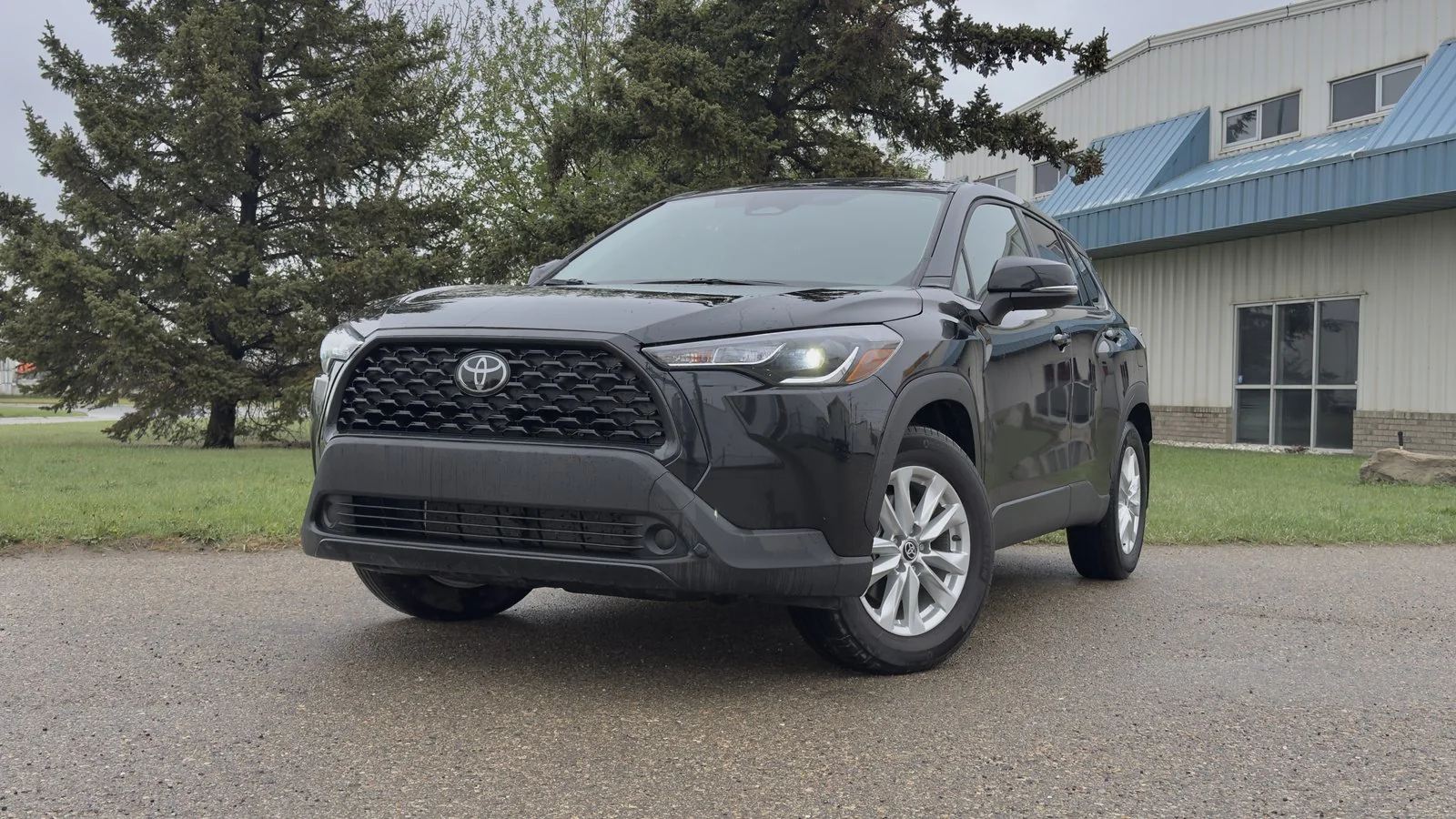
2024 Toyota Corolla Cross LE
$229 bi-weekly OAC
6.49% APR · 84 months · $0 down · cost of borrowing $8,225
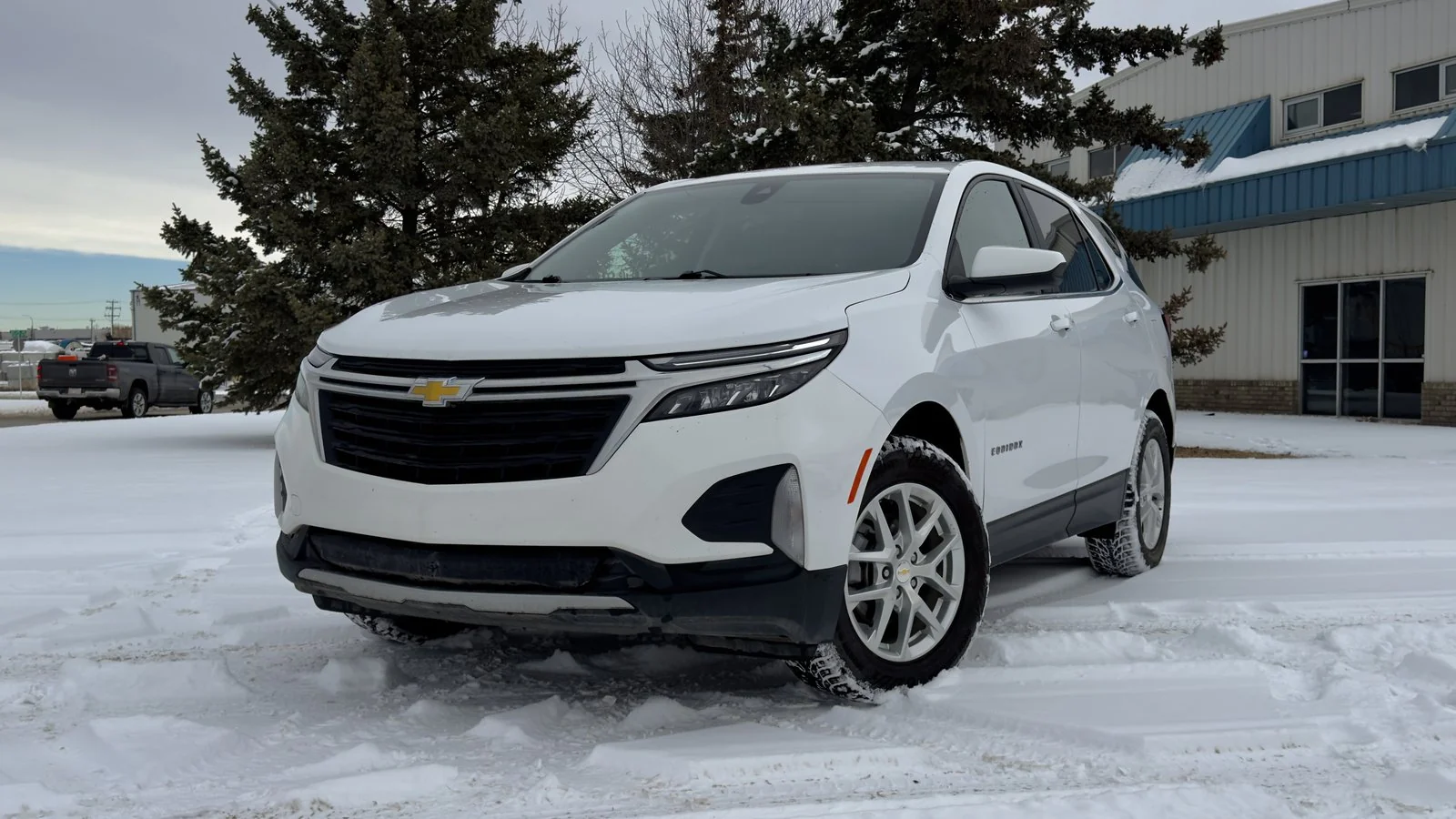
2022 Chevrolet Equinox LT
$157 bi-weekly OAC
6.49% APR · 84 months · $0 down · cost of borrowing $5,644
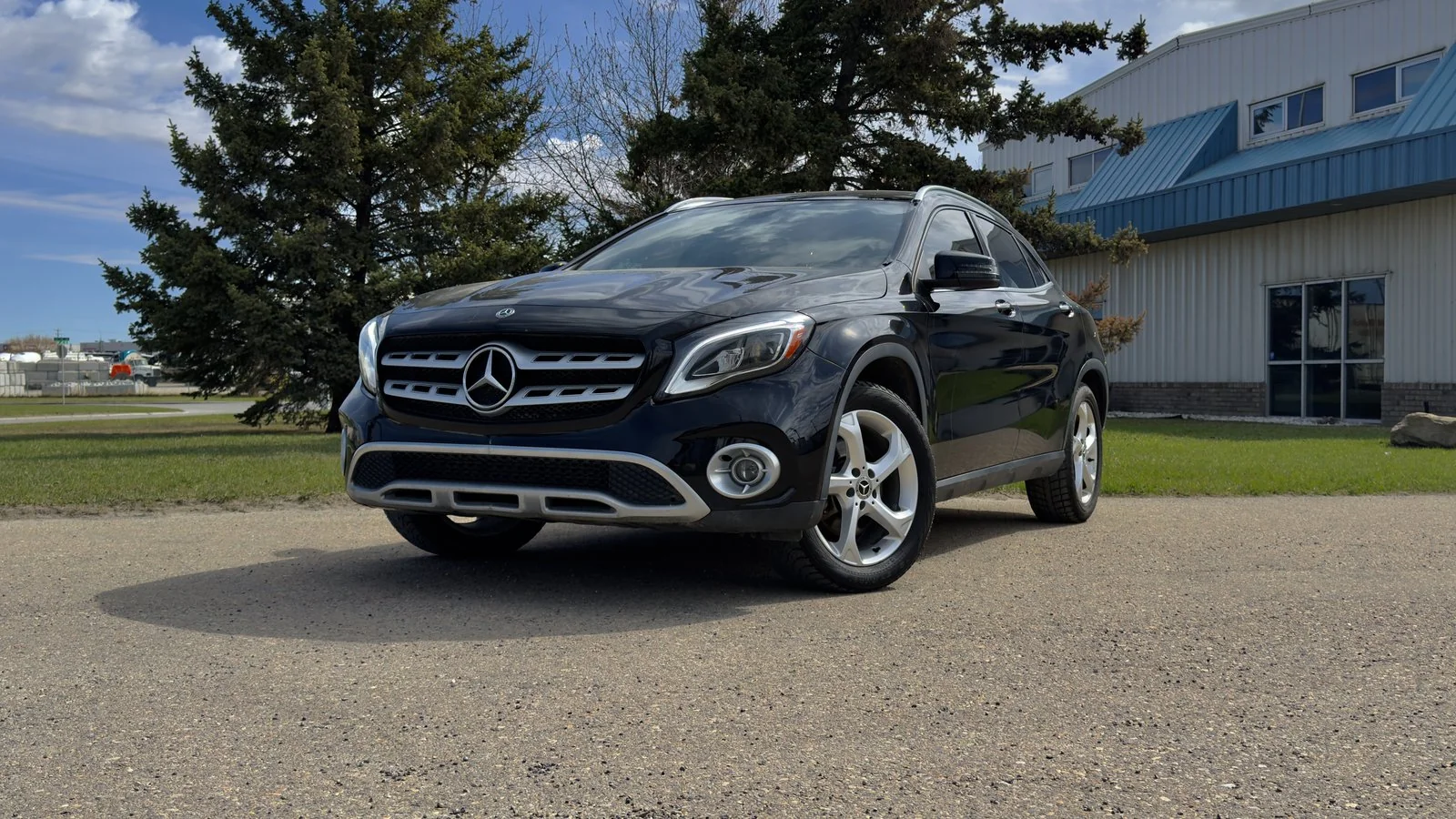
2020 Mercedes-Benz GLA250 4Matic
$150 bi-weekly OAC
6.49% APR · 84 months · $0 down · cost of borrowing $5,398
OAC = on approved credit. Payments are examples at 6.49% APR over 84 months with $0 down, based on each vehicle's advertised price; GST extra. Your rate depends on your credit (4.99%–29.9% APR).
Car lease ending with bad credit: common questions
Can I buy out my car lease with bad credit?
You can apply. Buying out means paying the purchase price in your contract, plus taxes and fees, in cash or with a loan. A lender decides on your file today, not on the day you signed the lease. We cannot promise a result. We review every application and call you back, and each lender decides each file.
What are my options when my car lease ends?
Alberta’s vehicle regulator, AMVIC, says: “Basically, you have three options under a closed-end lease when it expires.” You may return the vehicle, buy it if the lease has a purchase option, or lease a new one. Check your contract for which kind of lease you have.
Is the lease buyout price negotiable?
It depends on the lessor. One lessor’s FAQ says: “This amount on the contract represents the option to purchase amount due at lease end date and is non-negotiable.” Another lessor may differ, so read your own contract and ask for the purchase price in writing.
What can I be charged if I return a leased car?
AMVIC says: “You usually have no more payments to make at the end of the contract, unless the vehicle has been damaged by excess wear and tear. You may also have to pay a kilometre charge if you have driven a greater distance than the limit set out in the lease contract.” One lessor’s guide lists more: “If you turn in your leased vehicle, you are responsible for any excess wear and tear charges, remaining payments, excess kilometre charges, fees, taxes and/or citations.” Check your contract for each charge.
Does a lease show on my credit report?
Yes, it can. Equifax Canada’s credit report guide lists lease accounts as their own type: “L: Lease Account”. Like any account, it carries a rating for how it was paid. Read your own report before you apply for a loan.
Can I end my car lease early?
AMVIC says: “Terminating a lease early is usually extremely costly. The leasing company may require full payment of the lease.” The Financial Consumer Agency of Canada says “breaking a lease before it ends may be very costly”. Ask your lessor for the early-termination amount in writing before you decide.
Should I buy out my lease or finance a used car?
It depends on the numbers. Add up what each path costs: the buyout price, taxes and fees on one side, and the end-of-term charges plus the next car on the other. Then compare the monthly payments. Our payment calculator lets you try your own figures. We review every application and call you back.
Sources (pages opened October 6, 2026): Alberta Motor Vehicle Industry Council (AMVIC): Leasing a vehicle; AMVIC: Mechanical Fitness Assessment; Financial Consumer Agency of Canada: Car financing options; Financial Consumer Agency of Canada: Credit report and score basics; Equifax Canada: Consumer Credit Report User Guide (PDF, © 2017); GM Financial Canada: Lease End; GM Financial Canada: Lease End FAQ; GM Financial Canada: Lease End Guide (PDF); Mercedes-Benz Canada: Lease-End Options. These are public pages, quoted as written. Lessors set their own terms, and your contract is what counts, so check it and the source page before you rely on a detail.
Last reviewed October 2026 by the Shift Happens finance team
What Our Customers Say
“Simply amazing! Finding an affordable car these days is almost impossible, but Shahdeen and Luke made the entire process so smooth and stress-free. Knowledgeable, honest, and no pressure.”
“Dealt with Luke and Wes. It was one of the best car buying experiences I have ever encountered. I went back to buy another vehicle from these guys as they are just so easy to deal with.”
“A huge thank you to Wes and Luke for making my vehicle purchase such a great experience. This has been the best experience I've had at a dealership. They were patient, kind, and attentive.”
Other Financing Options
See what you pre-qualify for
Apply online. We review every application and call you back.
★★★★★ 118+ Google Reviews · AMVIC Licensed · Free Delivery 300km