
Self-Employed but Your Taxable Income Looks Low? How a Car Loan Works
Can I get a car loan in Alberta if I am self-employed and my taxable income is low?
Write-offs lower the income shown on your tax return, and lenders commonly ask for your Notice of Assessment. Some also list bank statements or, for corporation owners, financial statements. No lender page we read gives a formula for how it counts income, so every lender decides each file. We review every application and call you back.
Who this page is for
- You are self-employed, a contractor or a business owner, and you file a tax return.
- Your write-offs make your taxable income look lower than what your business brings in.
- Your credit took a hit and you want to know what to bring.
Key Facts
- Who this is for
- Self-employed, taxable income lower than the business
- Lenders commonly ask for
- Notice of Assessment and T1 General; sometimes a T2125 or bank statements
- Years of tax returns
- Varies: a recent one up to three years
- How a lender counts write-offs
- Not published; each lender decides
- Lender network
- 21+ lenders
See what you pre-qualify for
A few quick answers. No commitment.
Why does my taxable income look so low?
Because the net income on your tax return is what is left after business expenses. The Canada Revenue Agency says that, as a rule, you can deduct any reasonable current expense you incur to earn income. For a sole proprietorship or a partnership, the CRA encourages you to use Form T2125 to report business income and expenses. The form helps you work out your gross income and your net income, and both are needed to complete your tax return.
After the CRA processes your return it sends you a Notice of Assessment, a summary of your tax return. Its tax summary lists total income, net income and taxable income. The CRA also notes that you may be asked to give a copy to a financial institution to prove what your income was in the previous year.
Deducting what the tax rules allow is normal. This page is only about how a lower number looks on a loan application, and what else you can put next to it.
Which income do lenders read on a self-employed application?
Lenders commonly ask self-employed applicants for tax documents. The lender pages we read name the Notice of Assessment, the T1 General (your tax return) and sometimes the T2125. One bank’s loan checklist asks for your last two Notices of Assessment. Another asks for the last two years of T1 General with the matching Notice of Assessment.
Which line of the Notice of Assessment a lender uses, and how it treats your write-offs, is not published. None of the lender pages we read gives a formula, and we will not guess at one. Several of them add that more documents may be asked for, depending on the type of income.
So the honest answer is that it depends on the lender. Tell us what your Notice of Assessment shows and what your business brings in, and we will say what to bring.
How many years of tax returns do lenders want?
It depends on the lender. One bank’s checklist asks for your last two Notices of Assessment, and another bank for the last two years of T1 General. A third asks for a recent Notice of Assessment with the T1 General summary, and one credit union asks for three years of T1 General and T2125. Every lender sets its own rule, so ask before you pull everything.
What else can show what I earn?
A lower tax number does not leave you with nothing to show. These are the documents lenders list alongside it.
- Your T2125. It reports your business income and your expenses, not only the final figure. A credit union lists it with the T1 General.
- Bank statements. One Alberta lender lists them among its proof of income, next to tax returns. They show deposits as they land. How many months a lender wants varies, so ask before you pull them.
- A proof of income statement from the CRA. The CRA says you might need to give proof of income to a bank when you apply for a loan, and you can print a proof of income statement in My Account. One bank lists a recent CRA My Account assessment among its self-employment documents.
- Financial statements, if you are incorporated or in a partnership. One credit union asks for financial statements for the last three years.
- Another route some lenders offer. One Canadian non-prime auto lender lets self-employed borrowers send income documents in one of three categories, because some self-employed borrowers may not fit the conventional income verification process.
Which of these a lender accepts, and how much weight it gives each one, is up to that lender.
I own a corporation. What shows my income?
When your business is incorporated, its profits and losses are not automatically passed along to you. You can pay yourself a salary as an employee of your business, or you can pay yourself in dividends.
A salary is employment income, usually shown in box 14 of your T4 slip. Dividends are profits you receive from your shares in a corporation, and they are usually reported on an information slip such as the T5. Either way, what you take out is reported on your personal tax return.
The company’s own financial statements are a separate document. One credit union asks incorporated owners for them for the last three years. How much of the money still inside the company a lender counts is the lender’s call. None of the pages we read says.
What if my business is new or my taxes are not filed?
The CRA sends you a Notice of Assessment for every tax return you file. If a return has not been filed, there is no Notice of Assessment to show. If you are behind, getting your returns filed with your accountant’s help comes first. We do not give tax advice.
If your business is new, tell us your start date and what you have, and we will say what to bring. Some lenders offer more than one way to document income, so ask what is on offer before you decide your file will not work.
What does the payment look like next to a low number?
One example buyer, one car, one payment. The only thing that changes is the monthly income the payment is compared with.
Worked example
- Gross pay
- $3,300 a month
- Credit score
- 550–599
- Vehicle
- used SUV, $28,000
- Down payment
- $0
- Amount financed
- $28,000 over 72 months
- Example rate
- 16.9% APR (Subprime example)
Payment: ~$286/bi-weekly (or ~$621/mo)
That is about 19% of gross monthly pay. A common rule of thumb is to keep a car payment under 15% of gross pay.
Example, not an offer. Your rate depends on your file; rates run from 4.99% APR (prime) to 29.9% APR (deep subprime).
At $3,300 a month, the income on this example buyer’s tax return, the payment is about 19% of income. If a lender counted $5,000 a month instead, the same payment would be about 12%. Which figure a lender uses, and whether it looks beyond the tax return at all, is up to that lender. Lenders also look at more than one ratio, and every lender decides each file.
To try your own numbers, use the payment calculator. For how your score sets the rate, see car loan rates in Alberta, and for how pay and score work together, read good income, bad credit car loans.
What should I have ready before I apply?
- Government photo ID.
- Your Notice of Assessment and T1 General for the last two years. If you are incorporated, your company’s financial statements too.
- Your T2125, if you file one.
- Recent bank statements, personal and business.
- A void cheque or direct deposit slip, and proof of address.
You can print a proof of income statement from your CRA My Account, and your Notice of Assessment is available there once your return is processed. For pay stubs, employer letters and T4s, read what car lenders verify when you work. If your income comes from an app or follows the seasons, see gig worker car financing and seasonal worker car financing. The quickest start is the online application. We review every application and call you back. Or call us at (825) 736-4438.
Example payments are estimates. Not an offer.
Vehicles in stock right now
Browse all inventory →
2026 Volkswagen Jetta Comfortline
$195 bi-weekly OAC
6.49% APR · 84 months · $0 down · cost of borrowing $6,996
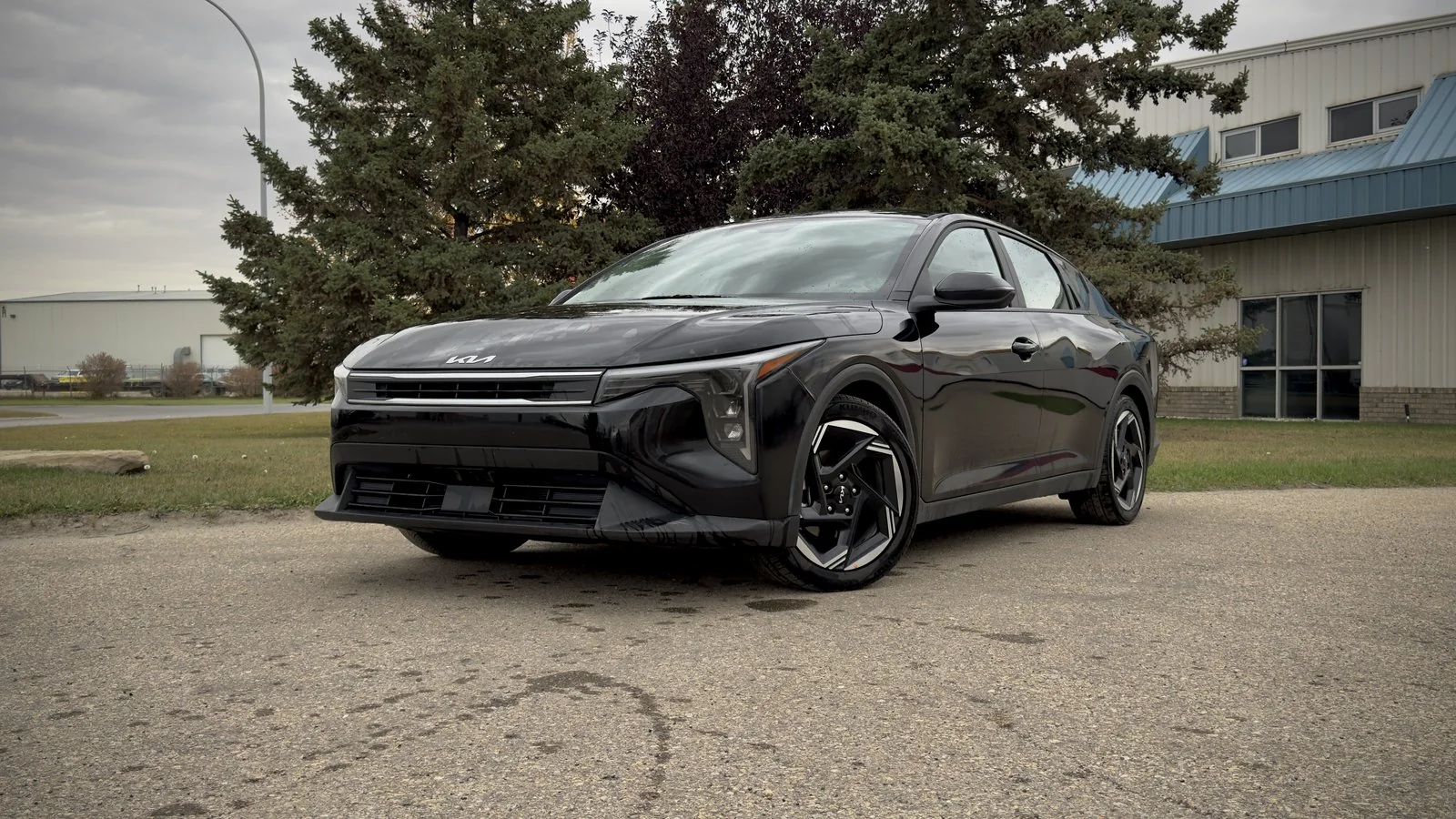
2025 Kia K4 EX
$171 bi-weekly OAC
6.49% APR · 84 months · $0 down · cost of borrowing $6,136
 Reconditioning
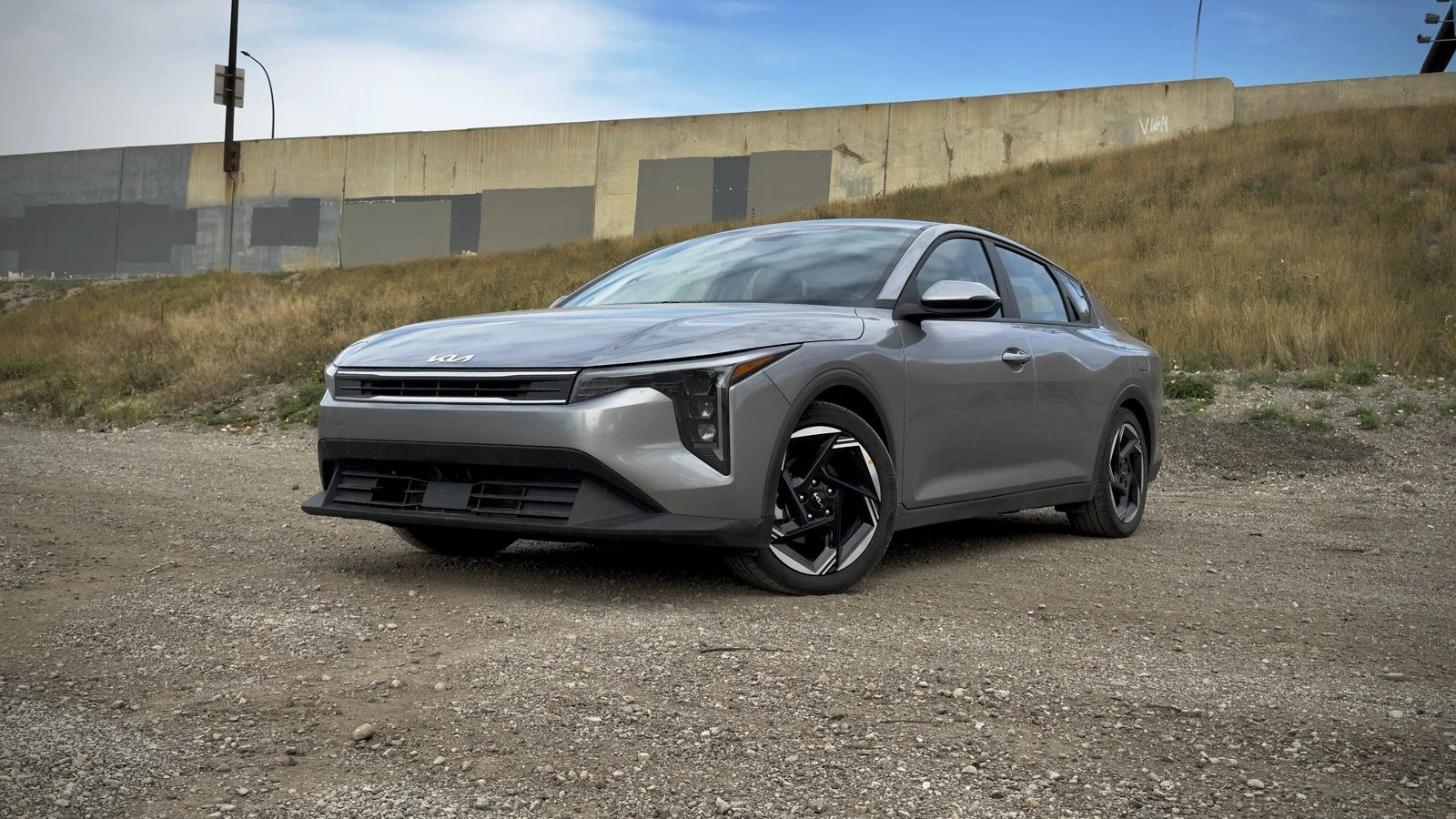
2025 Kia K4 EX
$171 bi-weekly OAC
6.49% APR · 84 months · $0 down · cost of borrowing $6,136
OAC = on approved credit. Payments are examples at 6.49% APR over 84 months with $0 down, based on each vehicle's advertised price; GST extra. Your rate depends on your credit (4.99%–29.9% APR).
Self-employed with low taxable income: common questions
Can I get a car loan if my tax return shows low income because of write-offs?
You can apply. Lenders ask for tax documents such as your Notice of Assessment, and each lender decides how much weight those numbers carry. Bring your Notice of Assessment, your T1 General and recent bank statements, and tell us what your business really brings in. We review every application and call you back.
What documents do self-employed buyers bring for a car loan?
Lenders commonly list your Notice of Assessment and your T1 General. Some also list the T2125, bank statements, or financial statements if you are incorporated. How many years they want varies, so ask us before you pull everything.
How many years of tax returns do I need?
It depends on the lender. On the pages we read, some ask for a recent Notice of Assessment, two banks ask for the last two years, and one credit union asks for three. Every lender sets its own rule, so ask us before you pull everything.
Do dividends count as income for a car loan?
Dividends from your own corporation are reported on your personal tax return, usually on an information slip such as the T5, so they are part of your tax documents. How much a lender counts is up to that lender. None of the lender pages we read gives a formula.
Do bank statements count as proof of income for a self-employed buyer?
Bank statements are on some lenders' lists of proof of income, usually next to tax returns. They show deposits as they land. How many months a lender wants varies, so ask before you pull them.
What if I have not filed my taxes yet?
The CRA sends a Notice of Assessment for every return you file, so without a filed return there is no Notice of Assessment to show. Getting your returns filed, with your accountant's help, comes first. Tell us where you are and we will say what to bring.
Should I change how I report my income before I apply?
That is a tax question, and we do not give tax advice. Talk to your accountant about any change to how you report income. Then tell us what your returns show and what your business brings in, and we will say what to bring.
Sources (pages opened October 5, 2026): Canada Revenue Agency: reading your notice of assessment; Canada Revenue Agency: report business income and expenses; Canada Revenue Agency: completing Form T2125; Canada Revenue Agency: notices of assessment; Canada Revenue Agency: business expenses; Canada Revenue Agency: lines 13499 to 14300, self-employment income; Canada Revenue Agency: proof of income statement; Canada Revenue Agency: line 10100, employment income; Canada Revenue Agency: lines 12000 and 12010, dividends; BDC: what is a corporation; TD: personal loan application checklist; TD: credit granting process; Scotiabank: Scotia Plan Loan documents; BMO: what to bring to a lending appointment; Affinity Credit Union: personal loans; CIBC: Personal Car Loan; ATB: navigating car loans in Alberta; AutoCapital Canada: our programs. These are public pages, quoted to show what the government and lenders publish. Every lender sets its own rules, so check the lender’s own page before you rely on a detail.
Last reviewed October 2026 by the Shift Happens finance team
What Our Customers Say
“Great experience with the team at Shift. The whole experience was easy from start to finish. Wes was quick to respond and answer all my questions. Luke was a dream with the paperwork.”
“Dealt with Luke and Wes. It was one of the best car buying experiences I have ever encountered. I went back to buy another vehicle from these guys as they are just so easy to deal with.”
“Had an amazing experience at this dealership from start to finish. Huge thanks to Luke for being professional, knowledgeable, and genuinely making the whole process stress-free.”
Other Financing Options
See what you pre-qualify for
Apply online in about three minutes. We review every application and call you back.
★★★★★ 118+ Google Reviews · AMVIC Licensed · Free Delivery 300km