
Good Income but Bad Credit? How Alberta Car Loans Work for You
Can I get a car loan in Alberta with good income and bad credit?
A steady job is the strongest thing in a bruised credit file. Lenders compare your pay to the payment and look at how long you have worked. Your score mostly sets the rate. We review every application and call you back, and every lender decides each file.
Who this page is for
- You have a steady job, or a business with income you can show.
- Your credit took a hit: a consumer proposal, a bankruptcy, collections, a repossession or a thin file.
- You want to know what the payment will really look like before you apply.
This page is part of our guide to bad credit car loans in Alberta. It is for people whose pay is solid and whose score is not.
Key Facts
- Who this is for
- Steady income, credit took a hit
- What lenders compare
- Your pay against the payment
- What sets your rate
- Your credit tier (4.99%–29.9% APR across all tiers)
- Lender network
- 21+ lenders
- What to bring
- ID, recent pay stubs or an NOA, bank statements, a void cheque, proof of address
See what you pre-qualify for
A few quick answers. No commitment.
Why lenders care about your pay more than your score
Your credit score tells a lender what happened in the past. Your pay stub tells them what you can do next month. When your credit took a hit, the pay stub is the stronger piece of the file.
Think about what a lender is really asking. Will this person make the payment? A late payment from two years ago says one thing. A steady job, with the same employer for a while and deposits that land on time, says another. Most lenders weigh both. In our experience, income you can prove carries a lot of weight when the score is low.
That does not mean your score does not matter. It does. It mostly decides your rate, which we cover below. But for many people with a consumer proposal, a past bankruptcy, collections or a repossession, the score is the thing they worry about and the paycheque is the thing that actually carries the file.
What helps most is making your income easy to see. Recent pay stubs. A job that has lasted a while. Bank statements that match. If you are new to a job, your first pay stubs, with your offer letter as support, show your income. If you work for yourself, your NOA and bank statements do the same job.
Every lender decides each file. We cannot promise what any lender will say. What we do is review your application, match it to lenders that fit your situation, and call you back. If a bank or credit union has already said no, read what a decline usually means and what to check first.
What “good income” means to a lender
“Good income” does not mean a big number. It means income that is steady, that you can prove, and that is big enough to carry the payment.
Lenders look at three things.
Is it steady? How long have you had this job, or this business? A longer stretch helps. A recent change is not a deal-breaker, and many people start a new job and need a vehicle right away. A school-year or public sector job is steady in its own way: see teachers and educational assistants and public sector employees. Pay that moves with the work, such as flat-rate or commission pay, is covered in car loans for flat-rate technicians.
Can you prove it? Pay stubs, a Notice of Assessment, or bank statements that show deposits. Cash that never touches a bank account is hard to count.
Is the payment small enough next to your pay? Many lenders like the payment to stay near 15% of your gross monthly pay, which is your pay before tax. That is a rule of thumb, not a lender rule, and it moves with your other debts.
Which brings up the last piece. Lenders add up what you already owe each month: credit cards, loans, a consumer proposal payment. The more of your pay is already spoken for, the less room there is for a new payment. A mortgage lender does a similar sum; see how a car payment counts in mortgage debt ratios. If part of your pay is garnished, see how lenders read a wage garnishment.
You can see how this works in our rate and payment tables. They show what a loan costs at each credit tier and the monthly pay that usually fits it. And if you want to run your own numbers, try the payment calculator or read how much car you can afford.
How your score still sets the rate
Good income gets your file taken seriously. Your credit score still decides which tier you are priced in, and the tier sets the rate.
Rates in our lender programs run 4.99%–29.9% APR. The higher your score, the lower in that range you land. Here is how the tiers line up.
| Tier | Score | Typical rate | Longest loan |
|---|---|---|---|
| Prime | 750+ | 4.99–8.9% | 96 months |
| Near-Prime | 650–749 | 6.9–12.9% | 96 months |
| Subprime | 500–649 | 7.9–24.9% | 96 months |
| Deep Subprime | 300–499 | 19.9–29.9% | 84 months |
Two things to know. First, a good income can move you toward the lower end of your own tier, because the lender sees less risk. It cannot always move you to a different tier. Second, there is no hard minimum score to apply. Your score mostly changes the rate (4.99%–29.9% APR depending on your file), not whether we can look at your file.
For the full breakdown by score band, see car loan rates by credit score. If you are wondering what a score of around 500 can get, read what a 500 credit score can get you. To see what your own pay can carry, check the loan size your pay can carry at each score band. If your score is around 600, a 600 credit score car loan on a steady income shows that band in full. For who we actually funded, by score and income, see real car loan approvals in Alberta.
What the payment looks like: one worked example
Numbers are easier than words here. This is one example of a buyer with steady pay and a score in the 550–599 band.
Worked example
- Gross pay
- $5,500 a month
- Credit score
- 550–599
- Vehicle
- used SUV, $26,000
- Down payment
- $0
- Amount financed
- $26,000 over 72 months
- Example rate
- 16.9% APR (Subprime example)
Payment: ~$266/bi-weekly (or ~$577/mo)
That is about 10% of gross monthly pay. A common rule of thumb is to keep a car payment under 15% of gross pay.
Example, not an offer. Your rate depends on your file; rates run from 4.99% APR (prime) to 29.9% APR (deep subprime).
Your own numbers will be different. A bigger down payment makes the payment smaller. A longer loan makes the payment smaller too, but you pay more interest overall. If you want to compare, change the term in the payment calculator and see how the total moves. Shopping for a family SUV or minivan? See the pay a three-row SUV or minivan loan needs.
When a co-applicant still helps
If your pay is solid but your credit is damaged, a co-applicant is not required. But it can help in two cases.
The first is when your income is a little short for the loan you want. A second person with income can make the numbers work. The second is when you want to move up a tier. A co-applicant with stronger credit can help you qualify in a better one.
Be clear on what you are asking. A co-applicant is legally responsible for the loan. If the payments stop, the lender can go to them. That is a big ask, even for family.
If you would rather not bring anyone in, there are other ways to close a gap: a bigger down payment, a smaller loan, or a few more months of income history. Read do cosigners help with a bad credit car loan and how down payments work before you decide. If the co-applicant would be a spouse with a consumer proposal on their file, see what that does to the application.
What to bring
Bring what shows who you are and what you earn. Having it ready helps us move faster, because we do not have to chase it.
- Government photo ID.
- Your two most recent pay stubs. If you are self-employed, your latest NOA and a few months of bank statements.
- A void cheque or direct deposit slip.
- Proof of your address, like a utility bill or a bank statement.
- If you have a trade-in, the ownership and any loan details.
If your income is not the usual kind, or you have a few months of history on a new job, tell us. There is often a way to show it. The quickest start is the online application. It takes about three minutes, and we review every application and call you back. Or call us at (825) 736-4438.
Example payments are estimates. Not an offer.
Vehicles in stock right now
Browse all inventory →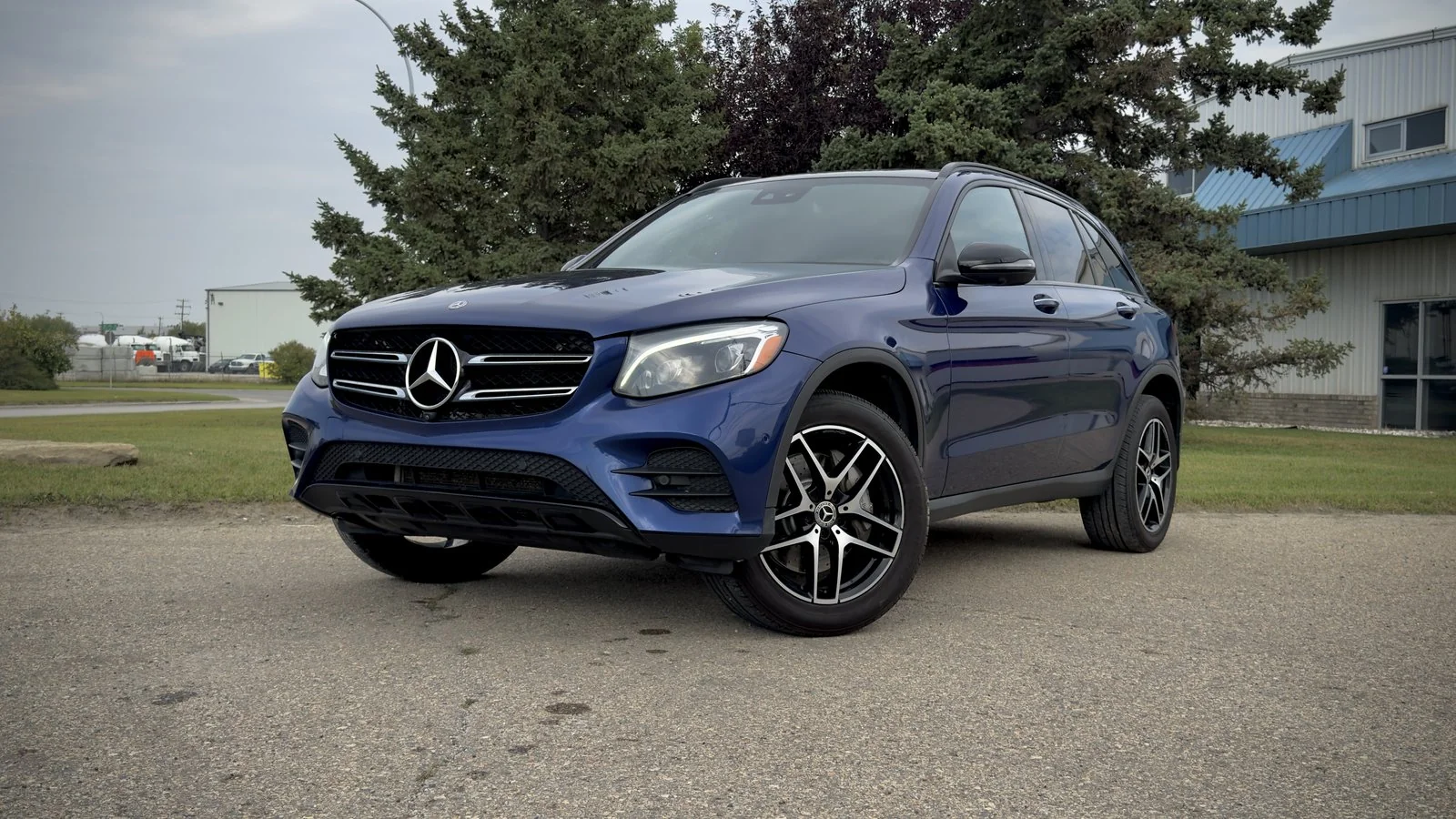
2019 Mercedes-Benz GLC-Class GLC300
$164 bi-weekly OAC
6.49% APR · 84 months · $0 down · cost of borrowing $5,889
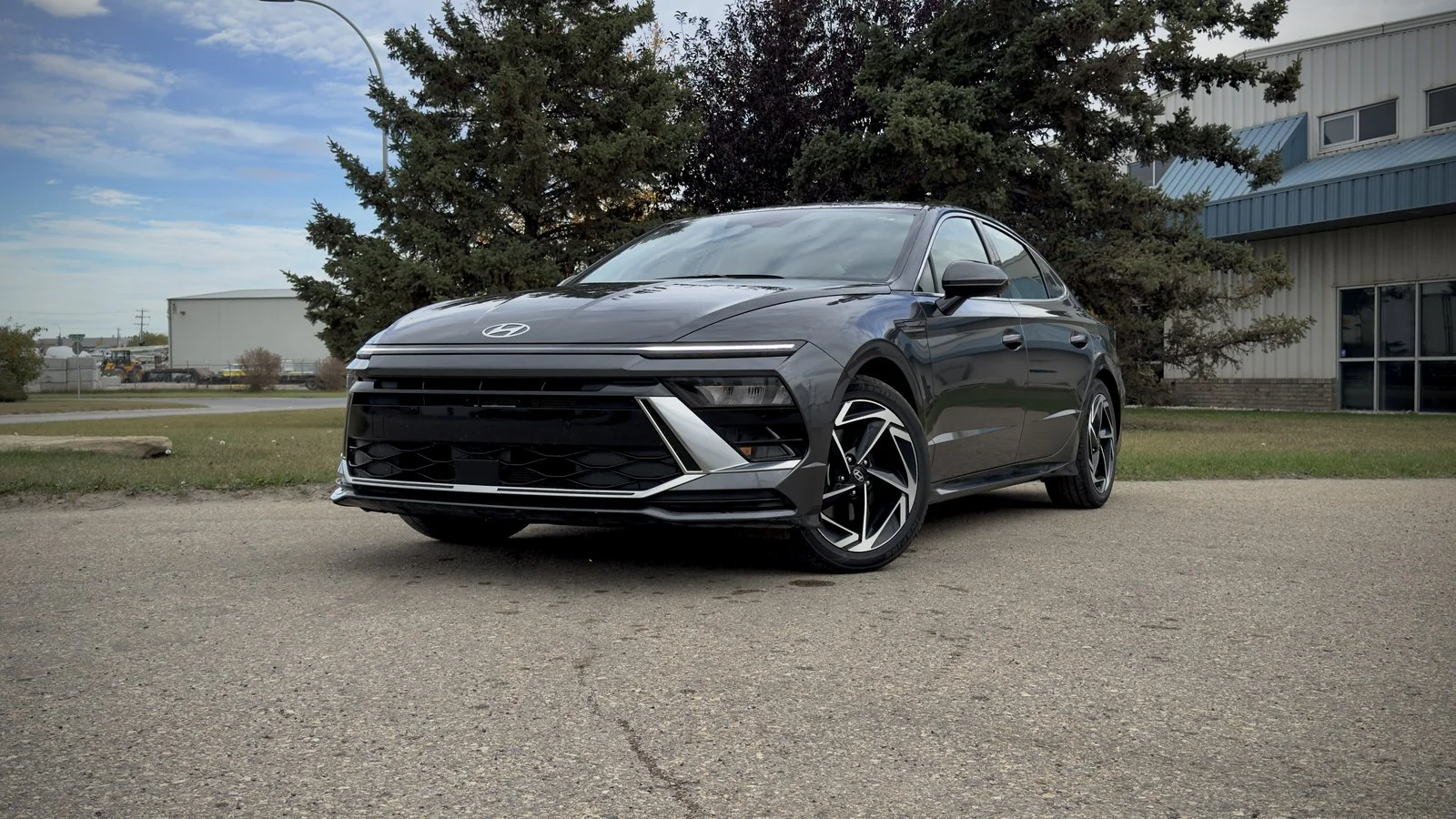
2025 Hyundai Sonata Preferred w/ Trend
$192 bi-weekly OAC
6.49% APR · 84 months · $0 down · cost of borrowing $6,872
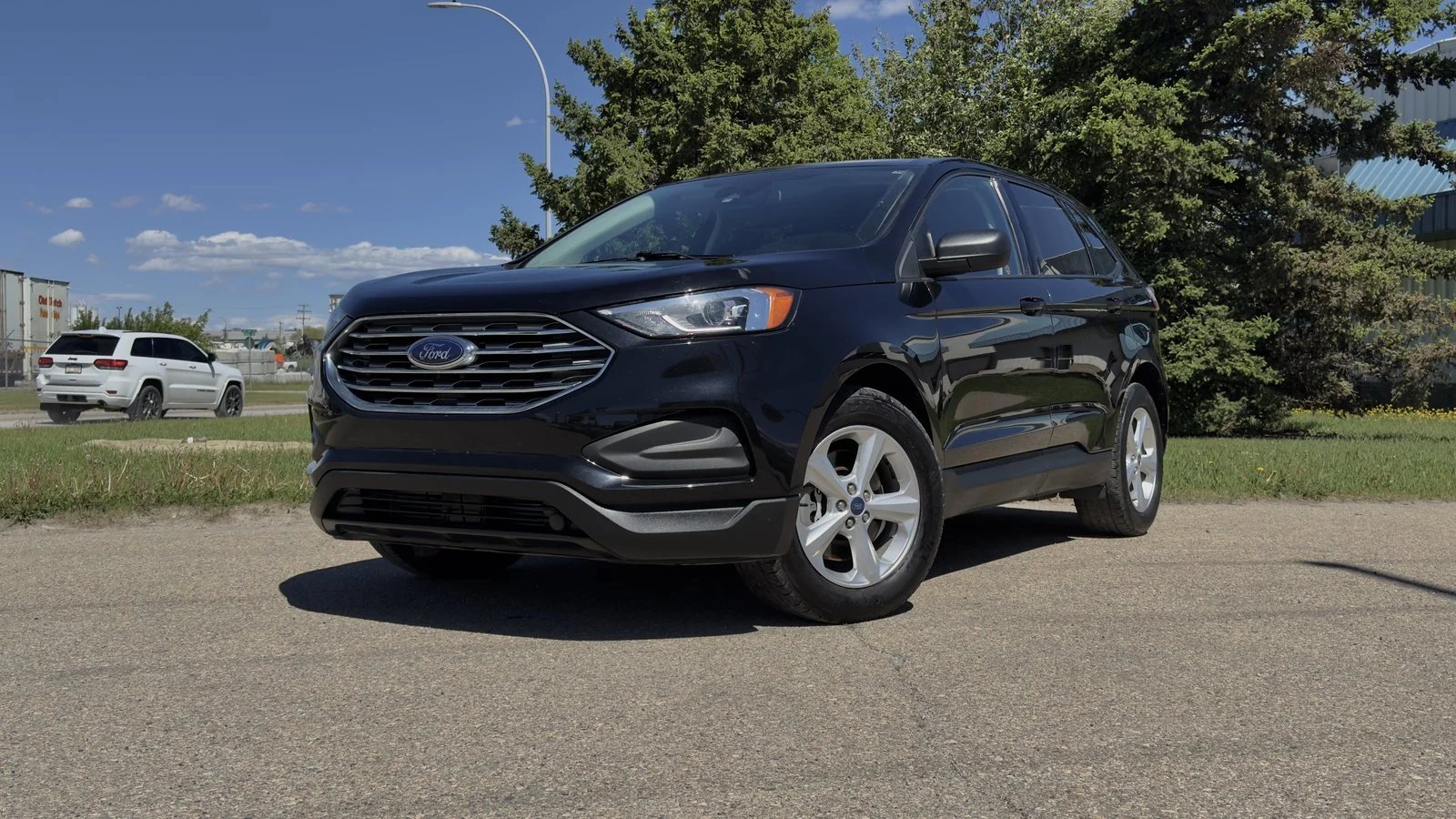
2020 Ford Edge SE
$150 bi-weekly OAC
6.49% APR · 84 months · $0 down · cost of borrowing $5,398
OAC = on approved credit. Payments are examples at 6.49% APR over 84 months with $0 down, based on each vehicle's advertised price; GST extra. Your rate depends on your credit (4.99%–29.9% APR).
Good income, bad credit: common questions
Can I get a car loan with good income and bad credit?
Many people do. Steady income you can prove is the strongest part of a file where credit took a hit. Lenders compare your pay with the payment and look at how long you have worked. Your score mostly sets the rate. We review every application and call you back, and each lender decides each file.
Do lenders care more about income or credit score?
They look at both. Your score places you in a rate tier. Your income shows whether you can carry the payment. When credit took a hit, steady pay often carries more of the file. We cannot promise what a lender will decide, but income you can prove always helps.
What credit score do I need if I make good money?
There is no hard minimum score to apply. Your score mostly changes the rate (4.99%–29.9% APR depending on your file). A good income can move you toward the lower end of your own tier, but it does not remove the tier.
How much car can I afford on my income?
A common rule of thumb is a payment near 15% of your gross monthly pay, before your other debts. That is a guide, not a lender rule. Use our payment calculator to try your own numbers, and see the rates page for the pay that usually fits each loan size.
Will a bigger down payment lower my rate?
It can help. A bigger down payment means you borrow less, and lenders see less risk in a smaller loan. It is not a promise of a lower rate, but it often helps the file and always lowers the payment. Each lender decides each file.
What if I am self-employed or just started a new job?
If you work for yourself, lenders usually want your NOA and several months of bank statements. If you just started a job, lenders usually want to see your first pay stub or stubs, and your offer letter helps as a supporting document. Some lenders call the employer to confirm. Tell us your situation and we will say what to bring.
Last reviewed October 2026 by the Shift Happens finance team
What Our Customers Say
“Luke and Wes are a fantastic team! I purchased a Lincoln Corsair in pristine condition. They got me the best interest rate for my financing and even helped me find the best insurer.”
“Amazing service. Wes was very helpful. Got me a great deal and made everything happen very quickly and stress free. Love my vehicle and much lower payments. Highly recommend!”
“When I started canvassing for a vehicle Luke reached out and was very helpful with finding cars and financing options. Luke and Shadeen helped with financing a private sale quickly.”
Other Financing Options
See what you pre-qualify for
Apply online in about three minutes. We review every application and call you back.
★★★★★ 118+ Google Reviews · AMVIC Licensed · Free Delivery 300km