
Declined for a Car Loan by Your Bank or Credit Union? What to Do Next
What should I do if my bank or credit union declined my car loan in Alberta?
A decline is one lender's answer on one day, not a verdict on every lender. Banks weigh your credit history, your income and what you already owe, and each one sets its own limits. Ask why, pull your credit reports and fix what you can, then apply with lenders that price the file you have.
Who this page is for
- A bank or credit union turned down your car loan, or you expect it would.
- You have a steady job, or a business with income you can show.
- You want to know why it happened and what to change before you apply again.
Key Facts
- Who this is for
- Steady income, bank or credit union said no
- What lenders weigh
- Credit history, income and what you already owe
- First two steps
- Ask the lender why, then get both credit reports
- Credit reports
- Free online from Equifax and TransUnion
- Lender network
- 21+ lenders
See what you pre-qualify for
A few quick answers. No commitment.
Why do banks and credit unions decline car loans?
Each lender weighs your credit history, your income and what you already owe against its own rules. Banks publish short lists of the reasons they say no, and a credit union’s loan page names the same factors in how much it will lend: your credit history, your income and your other debts. These are the reasons that come up most.
- Late or missed payments. A history of late or missed payments, especially recent ones, makes a decline more likely.
- Too much debt next to your income. Lenders add up what you already owe each month and compare it with your income. If too much of your pay is already spoken for, there is little room for a new payment.
- Income the lender cannot confirm. Banks ask for a pay stub or a T4, and more if you are self-employed or on contract. They also want to see that the income is likely to continue.
- A score below that lender’s minimum. A lender can set a minimum score for the loan you ask for. If your score is below it, the application can be declined.
- A mistake on your credit report. A payment marked late that you paid on time, or a closed account that still shows as open, can make a file look worse than it is.
It is often a mix. One bank says a decline can come from a combination of marginally weak factors rather than one big one. And every lender sets its own rules, so the same file can get a different answer somewhere else.
What does a decline mean, and what does it not mean?
It means this lender, for this loan, did not fit your file as it stood that day. It does not mean your income does not count, and it does not tell you what any other lender will say.
A credit rating changes as your circumstances change, and lenders decide on your current financial circumstances. That is why the reason matters more than the “no”. One major bank says that if an application is not approved, it will help you understand the reasons why. So ask. Write down what you are told.
We cannot promise what any lender will decide. What we do is review your application, match it with lenders that fit your situation, and call you back. For how that differs from going to one bank, read dealership financing compared with a bank loan. For the kinds of files that do get financed, see the car loans we funded, by score and income.
What should I do after a bank declines my car loan?
Take these in order.
- Ask the lender what drove the decision. Was it the score, the debts next to your income, the proof of income, or something else? You cannot fix what you have not named.
- Get both credit reports. Equifax and TransUnion are Canada’s two main credit bureaus. Each lets you see your credit report online for free, and you can ask them to mail you a free copy. Read both. Use the bureaus’ own sites, because fraudsters pretend to offer free reports to steal personal information.
- Check them for mistakes, and dispute what is wrong. Look for payments marked late that you paid on time, accounts that are not yours and closed accounts that still show as open. You have the right to dispute information you believe is wrong, and the bureaus must correct errors for free.
- Fix what you can. Payment history is the most important part of a credit score, so pay on time. Government guidance is to try to use less than 30% of your total credit limit, and a lower debt-to-income ratio improves your chances with a lender.
- Change the size of the ask. A smaller loan, more money down or a co-applicant with stronger credit can each change how a lender sees the file. A co-applicant is legally responsible for the loan, so it is a big ask. Read do cosigners help with a bad credit car loan and how down payments work.
- Apply where lenders price the file you have. Some auto lenders design their programs for buyers whose needs many traditional lenders do not meet. Rates in our lender programs follow your score band, as the table below shows. We review every application and call you back, and every lender decides each file.
How does my score band change the rate?
Rates in our lender programs run 4.99%–29.9% APR. Where you land inside that range depends on your score band and the rest of your file.
| Credit score | Typical rate |
|---|---|
| 750+ | 4.99–8.9% |
| 650–749 | 6.9–12.9% |
| 600–649 | 7.9–14.9% |
| 550–599 | 9.9–19.9% |
| 500–549 | 14.9–24.9% |
| 450–499 | 19.9–29.9% |
| 300–449 | 24.9–29.9% |
Your score band is a starting point, not the whole file. Lenders also weigh income, debts, time on the job and the size of the loan. For how pay and score work together, read good income, bad credit car loans. For the full picture by tier, see how subprime and prime financing compare and car loan rates by credit score.
What does a payment look like after a decline?
One example buyer, with steady pay and a score in the 500–549 band. Numbers are easier than words here.
Worked example
- Gross pay
- $4,200 a month
- Credit score
- 500–549
- Vehicle
- used SUV, $22,000
- Down payment
- $0
- Amount financed
- $22,000 over 72 months
- Example rate
- 16.9% APR (Subprime example)
Payment: ~$225/bi-weekly (or ~$488/mo)
That is about 12% of gross monthly pay. A common rule of thumb is to keep a car payment under 15% of gross pay.
Example, not an offer. Your rate depends on your file; rates run from 4.99% APR (prime) to 29.9% APR (deep subprime).
Your own numbers will be different. A bigger down payment makes the payment smaller. A longer loan makes it smaller too, but you pay more interest overall. To compare, change the term in the payment calculator and see how the total moves.
What should I have ready before I apply again?
- Government photo ID.
- Recent pay stubs. If you are self-employed, your latest Notice of Assessment and a few months of bank statements.
- The reason the lender gave for the decline, if you have it.
- A void cheque or direct deposit slip, and proof of address.
For how pay stubs, employer letters and T4s fit in, read what car lenders verify when you work. If you run your own business, see self-employed car financing in Alberta. The quickest start is the online application. We review every application and call you back. Or call us at (825) 736-4438.
Example payments are estimates. Not an offer.
Vehicles in stock right now
Browse all inventory →
2022 Lincoln Aviator Reserve
$267 bi-weekly OAC
6.49% APR · 84 months · $0 down · cost of borrowing $9,571
 Reconditioning
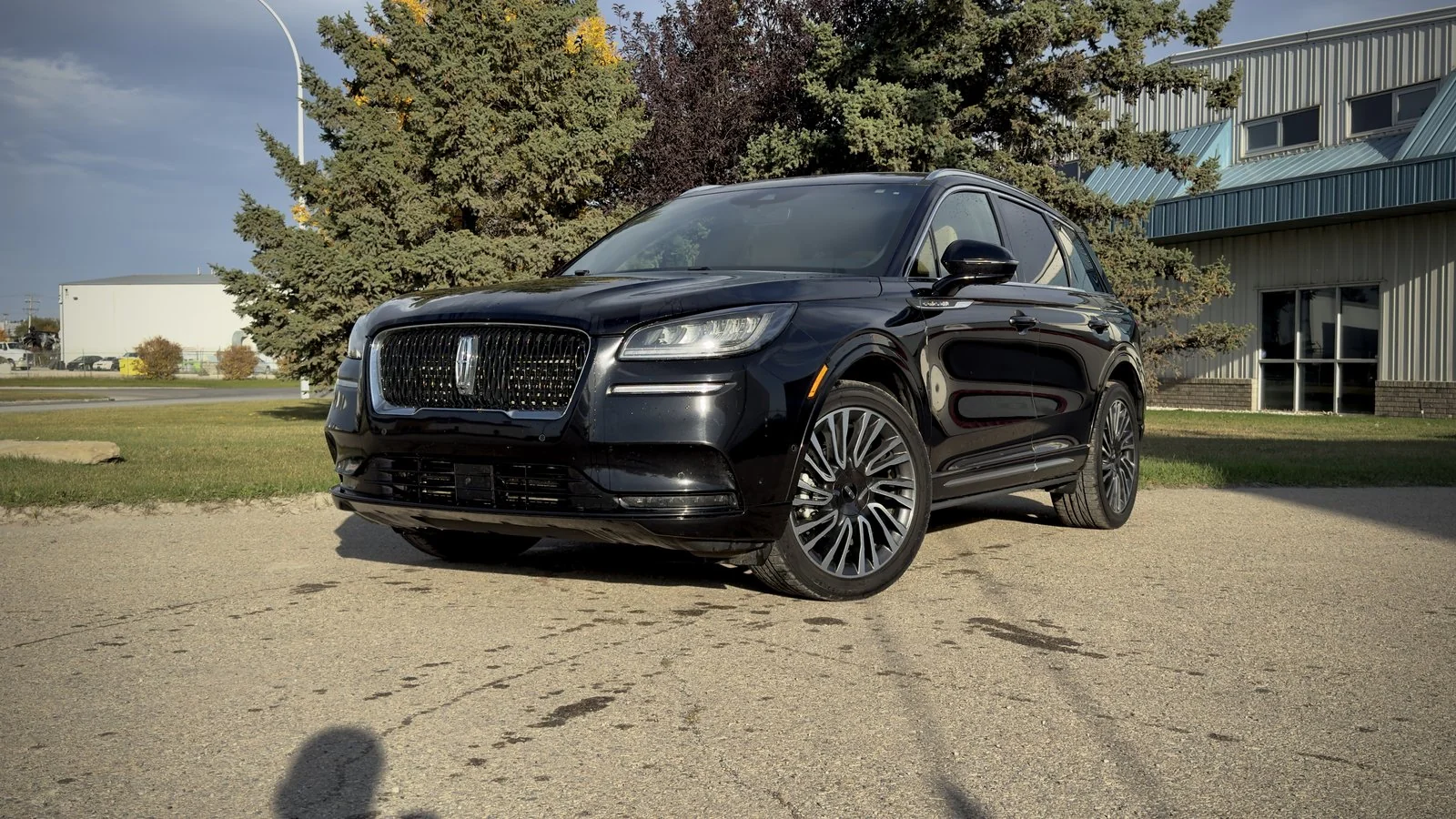
2021 Lincoln Corsair Reserve
$198 bi-weekly OAC
6.49% APR · 84 months · $0 down · cost of borrowing $7,117
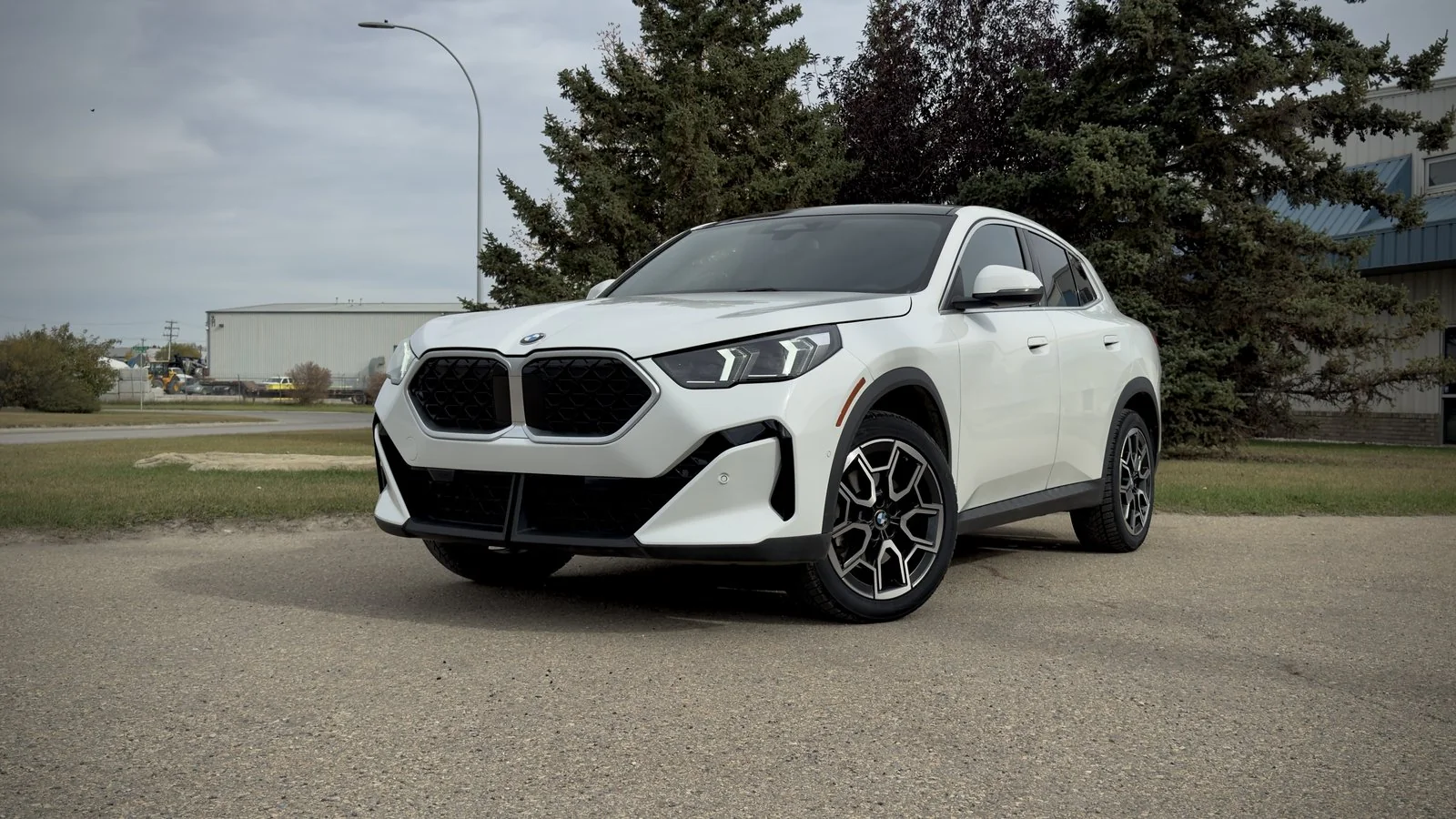
2025 BMW X2 xDrive28i
$246 bi-weekly OAC
6.49% APR · 84 months · $0 down · cost of borrowing $8,835
OAC = on approved credit. Payments are examples at 6.49% APR over 84 months with $0 down, based on each vehicle's advertised price; GST extra. Your rate depends on your credit (4.99%–29.9% APR).
Declined for a car loan: common questions
Why was my car loan declined when I have a steady job?
A job is one part of the file. A bank also looks at your credit history, what you already owe next to your income, and whether it can confirm your pay. Any one of these, or a mix of small ones, can lead to a decline. Ask the lender for the reason, then check your credit reports for mistakes.
Does one decline mean every lender will decline me?
No. Every lender sets its own rules, so the same file can get a different answer from a different lender. We cannot promise what any lender will say. We review every application and call you back.
How do I get my credit report for free in Canada?
Equifax and TransUnion, Canada's two main credit bureaus, each let you see your credit report online for free, and you can ask both to mail you a free copy. Get both and read them. Use the bureaus' own sites, because fraudsters pretend to offer free reports to steal personal information.
What if my credit report has a mistake?
You have the right to dispute information you believe is wrong, and credit bureaus must correct errors for free. Gather receipts or statements that prove the mistake, then use the forms from Equifax and TransUnion. If the lender that reported the information says it is correct, the bureau keeps it on your report.
Should I apply at another bank right away?
Not before you know why the first one said no. Ask what drove the decision and check your reports first, so the next application starts from a stronger file. A new application with nothing changed can bring the same answer.
Can a co-applicant or a bigger down payment help after a decline?
They can help. One bank says a co-signer with good credit can improve your chances of approval and may lower your rate, and more money down means a smaller loan and less risk for the lender. A co-applicant is legally responsible for the loan, so it is a big ask. Each lender decides each file.
How long should I wait before I apply again?
Rather than counting weeks, change what the lender saw. Fix a mistake on your report, bring balances down, add months on the job or put more money down. Then apply. Tell us what the lender said and we will say what to bring.
Sources (pages opened October 5, 2026): Financial Consumer Agency of Canada: getting your credit report; Financial Consumer Agency of Canada: errors on your credit report; Financial Consumer Agency of Canada: improving your credit score; TD: credit granting process; Scotiabank: 7 reasons you may not be getting approved; Affinity Credit Union: personal loans; ATB: navigating car loans in Alberta; Loans Canada: car loan approval; AutoCapital Canada: our programs. These are public pages, quoted to show what lenders and the government publish. Every lender sets its own rules, so check the lender’s own page before you rely on a detail.
Last reviewed October 2026 by the Shift Happens finance team
What Our Customers Say
“Luke was awesome to deal with and made the car buying experience enjoyable again for me and my wife after a few very unpleasant interactions in the past. I would highly recommend.”
“Simply amazing! Finding an affordable car these days is almost impossible, but Shahdeen and Luke made the entire process so smooth and stress-free. Knowledgeable, honest, and no pressure.”
“The buying experience was handled very professionally. Wes was very attentive and presented everything in an open and honest manner that gave me the reassurance that I made a good purchase.”
Other Financing Options
See what you pre-qualify for
Apply online in about three minutes. We review every application and call you back.
★★★★★ 118+ Google Reviews · AMVIC Licensed · Free Delivery 300km