
R7, R9 or I9 on Your Credit Report? What a Car Lender Sees
What do R7, R9 and I9 mean for a car loan?
An R7 means regular payments under a consolidation order or similar arrangement. An R9 or I9 means bad debt or a collection, on a revolving account (R) or an installment loan (I). A car lender reads the codes with your income and your down payment. Every lender decides each file. We review every application and call you back.
This page is part of our guide to second chance auto financing in Alberta. For short definitions, see our glossary entry on R7, R9 and I9 credit ratings.
Who this page is for
- You work, your pay is steady, and your credit report shows an R7, R9 or I9.
- You are on a debt management plan, finished one, or are not sure what a code means.
- You want plain information on what a car lender sees, not legal advice.
General information, not legal or financial advice
Key Facts
- Who this is for
- Working, with an R7, R9 or I9 on the report
- An R7 is (Equifax Canada)
- Regular payments under a consolidation order or similar arrangement
- An R9 or I9 is (Equifax Canada)
- Bad debt, placed for collection, or a skip account
- A debt management plan leaves your report
- 2 years after you finish paying off your debts
- Lender network
- 21+ lenders
See what you pre-qualify for
A few quick answers. No commitment.
What do the letters and numbers on my credit report mean?
A letter for the type of account, a number for how it is paid. Equifax Canada’s credit report guide lists the letters this way:
- “R: Revolving or option (open-end account)”
- “I: Installment (fixed number of payments)”
Put together, an R7 is a revolving account, like a credit card, paid under an arrangement. An I9 is an installment account, like a car loan, that went to bad debt or collection. These are the ratings a car lender asks about most:
| Code | What Equifax Canada’s guide says | In plain words |
|---|---|---|
| R1 or I1 | “1: Pays (or paid) within 30 days of payment due date or not over one payment past due.” | Paid within 30 days of the due date, or no more than one payment behind. |
| R7 or I7 | “7: Making regular payments under a consolidation order or similar arrangement.” | Paid under an arrangement, not as first agreed. Accounts in Alberta’s Orderly Payment of Debts program typically show this way (see below). |
| R8 or I8 | “8: Repossession (voluntary or involuntary return of merchandise).” | The item went back to the lender. For a car, that is a repossession. |
| R9 or I9 | “9: Bad debt; placed for collection; skip account.” | Treated as bad debt, or sent to collection. A creditor can also report R9 while you are in a repayment program (see below). |
The glossary has the same codes in short form, and how a consumer proposal or a bankruptcy shows: R7, R9 and I9 credit ratings. For how a lender reads a proposal, see car loans during or after a consumer proposal.
What does a debt management plan look like on my credit report?
It can show in more than one place, and it comes off the report. The Financial Consumer Agency of Canada (FCAC) explains the plan: “A debt management plan is an informal agreement between you and your creditors.” “A credit counsellor sets up a debt management plan on your behalf.” On how long it stays, FCAC says: “Credit bureaus remove this information from your credit report 2 years after you finish paying off your debts.”
Equifax Canada’s guide says the part of the report that lists bankruptcies “may contain non-bankruptcy information including: Orderly payment of debt or Credit Counselling.” So a plan can show outside the individual accounts.
How the accounts inside a plan show depends on how each creditor reports them, and two non-profit sources do not describe it the same way. A national association of credit counselling agencies says “there will be a note in your credit report that says you’re enrolled in a debt management plan”. A credit counselling agency says “A debt consolidation program (DCP) is not reported to the credit bureaus by the credit counselling agency. However, each individual account included in the DCP might be reported to the credit bureaus by the relevant creditor”. In plain words, one says the plan itself shows as a note, and the other says the agency does not report it while each creditor reports its own account. The only sure answer for your plan is your own report.
In Alberta, the Orderly Payment of Debts (OPD) program is run by a non-profit credit counselling agency. It says: “Debts protected under the Orderly Payment of Debts (OPD) program are typically reflected on a client’s credit report as R7, because the account is being paid under the protection of a debt consolidation order.” “The R7 is typically removed after two years following the successful completion of the OPD program.” It also says: “During the repayment period, the creditor may report a debt as R9 at the creditors’ discretion, even though the client is participating in the OPD program.” It gives this reason an OPD account shows on your report: “you are not paying your account as originally agreed”. Our page on Alberta’s OPD program and car financing covers the program itself.
Is my car loan in the plan? A non-profit credit counselling society says “a DMP can only be used for unsecured debts, which are debts that you haven’t put up collateral for.” FCAC lists, among the things a report can show, “registered items, like a lien on a car that lets the lender seize it if you don't pay”. The OPD agency’s list of debts that are not in its program includes “Secured loans such as car loans/leases or home mortgages”. Ask your credit counsellor how your own car loan is treated.
Can I get a car loan on a debt management plan, or after it?
It depends on the lender and on the rest of your file. We cannot promise a result, and every lender decides each file. We review every application and call you back. Here is what public pages say lenders look at.
- FCAC: “Lenders use your credit report and score to decide if they’ll lend you money and at what interest rate.”
- Equifax Canada says a credit score may be only one factor, and that the others “may include information such as your income, your down payment, or the amount of the loan.”
If you are on a plan now, talk to your credit counsellor before you take on a new payment. One non-profit says its counsellor will “make sure you can afford your payments based on a budget they’ll help you create”. A car payment changes that budget.
If you have finished a plan, ask your agency what letter it can give you. The OPD agency says: “However, with a good history of payments in the program, you can get a reference letter to take to new lenders.” Bring it with your other papers.
What does an R9 or I9 mean if the account was a car loan?
The I tells you it was an installment loan. Equifax Canada says: “An example of an installment loan would be a vehicle loan.” The entry for 9 reads “9: Bad debt; placed for collection; skip account.” So an I9 can be a past car loan that went to bad debt or collection. The guide gives a repossession its own rating: “8: Repossession (voluntary or involuntary return of merchandise).”
The guide also lists what a collection record carries, including “type of collection [UP CL: unpaid collection or PD CL: paid collection]”. So a collection can show as paid or unpaid.
One bank’s page on why applications are declined lists “History of missed or neglected payments” and says: “This will likely lead to a lower rating on your credit bureau and could be of particular impact if previous creditors were forced to write off a loss.” An R9 or I9 is a record of that kind of history. This is one bank’s view, not a rule that applies to every lender.
For how lenders read these files, see a car loan after a repossession, car loans with collections on your credit and the glossary entry on a deficiency balance.
How do I check my own report before I apply?
Get both reports. FCAC says: “You can access your credit report online for free from Canada’s 2 main credit bureaus”: Equifax and TransUnion. It adds: “Review your credit report regularly for errors or fraud. Get it from both Equifax and TransUnion.”
Then read each account in three steps.
- The letter and number. The letter is the type of account. The number is how it is being paid.
- The dates. When the account or plan started, and when it ended or is due to end. Items come off the report on a schedule, so the dates show what will drop off, and when.
- Mistakes. FCAC lists two to look for: “incorrect payment history, like payments a lender marked as late even though you paid on time” and “negative information about accounts that still appear after the maximum amount of time it’s allowed to stay on your credit report”.
On how long negative items stay, FCAC gives this example: “information about late or unpaid credit cards and loans: up to 6 years”. Our pages on how credit scores work in Canada and checking your credit score for free cover the rest.
What should I bring when I apply with an R7, R9 or I9 on my report?
Bring what shows your pay and where each account stands. Having it ready saves a lender from chasing it.
- Government photo ID.
- Your last two pay stubs, and your latest T4 or Notice of Assessment. If your pay is not the usual kind, see what car lenders verify when you work.
- If you are on a plan: a statement from your credit counsellor that shows when it started and where it stands.
- If you finished one: the completion letter, and the reference letter if your agency gives one.
- For a past loan or collection: the lender’s or collection agency’s letter that shows what is owing, or that it was paid.
- A void cheque and recent bank statements.
The quickest start is the online application. Tell us about the code when you apply. We review every application and call you back. Or call us at (825) 736-4438.
Example payments are estimates. Not an offer.
Vehicles in stock right now
Browse all inventory →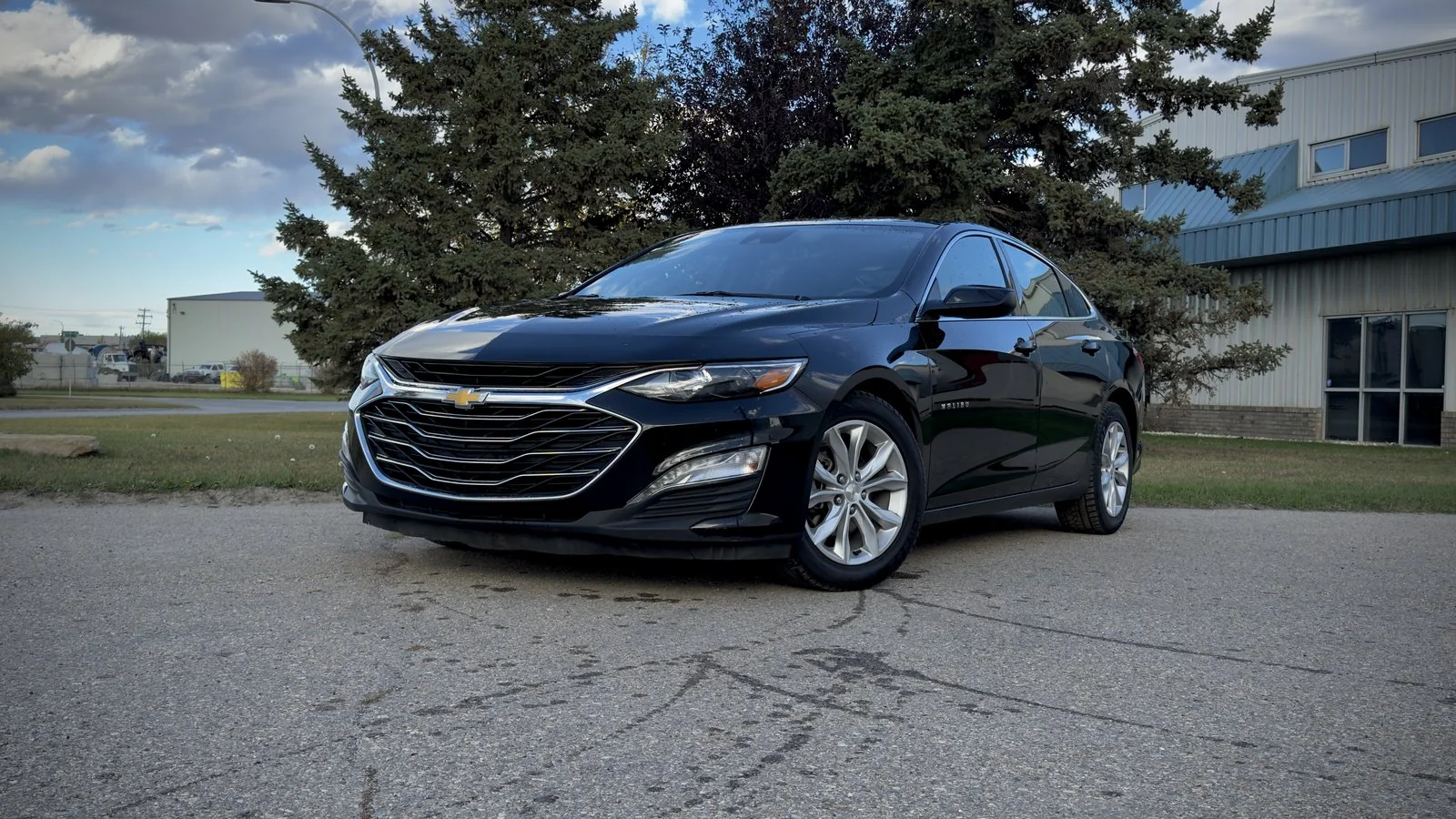
2025 Chevrolet Malibu 1LT
$164 bi-weekly OAC
6.49% APR · 84 months · $0 down · cost of borrowing $5,889
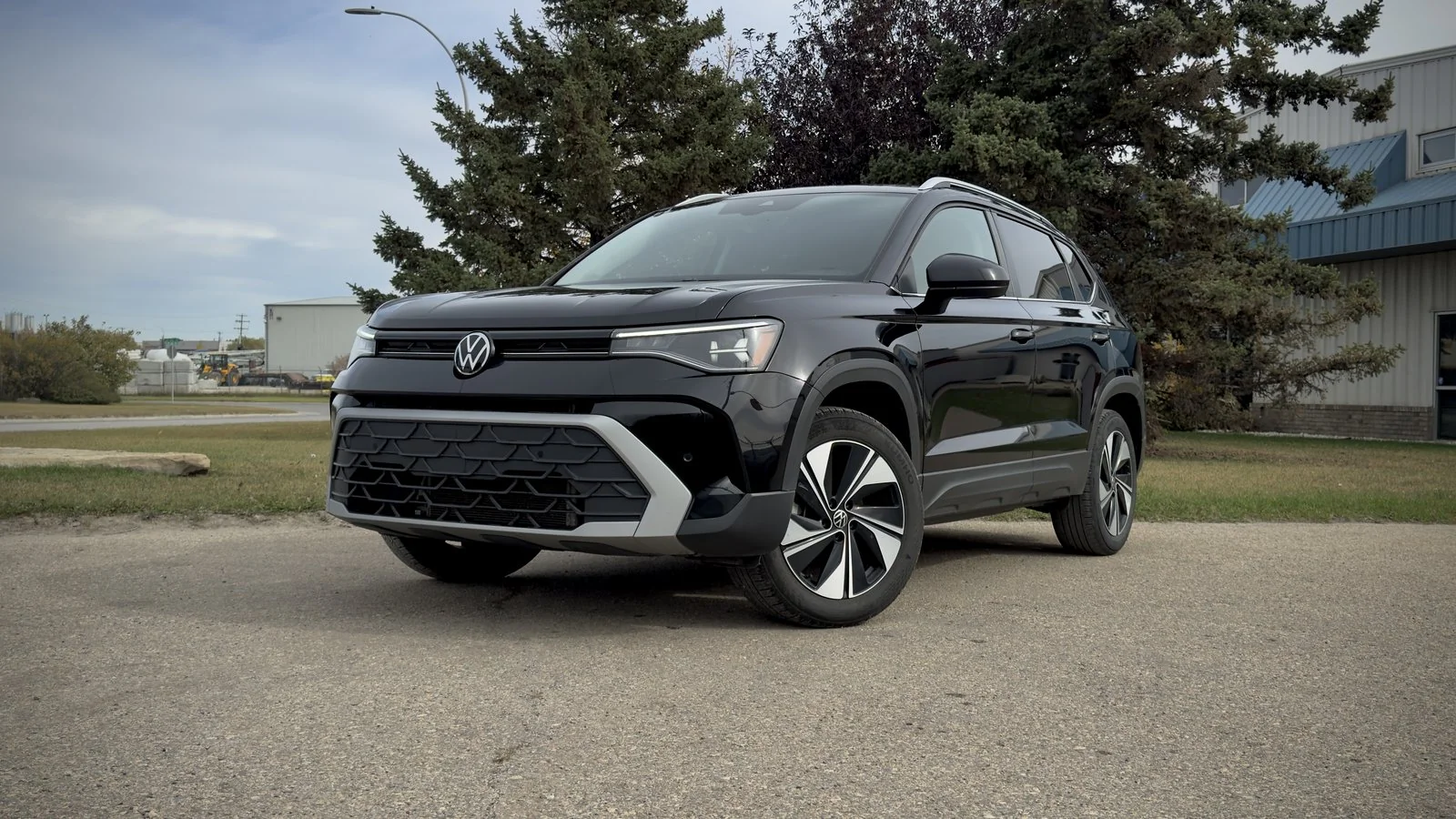
2025 Volkswagen Taos Comfortline
$185 bi-weekly OAC
6.49% APR · 84 months · $0 down · cost of borrowing $6,626
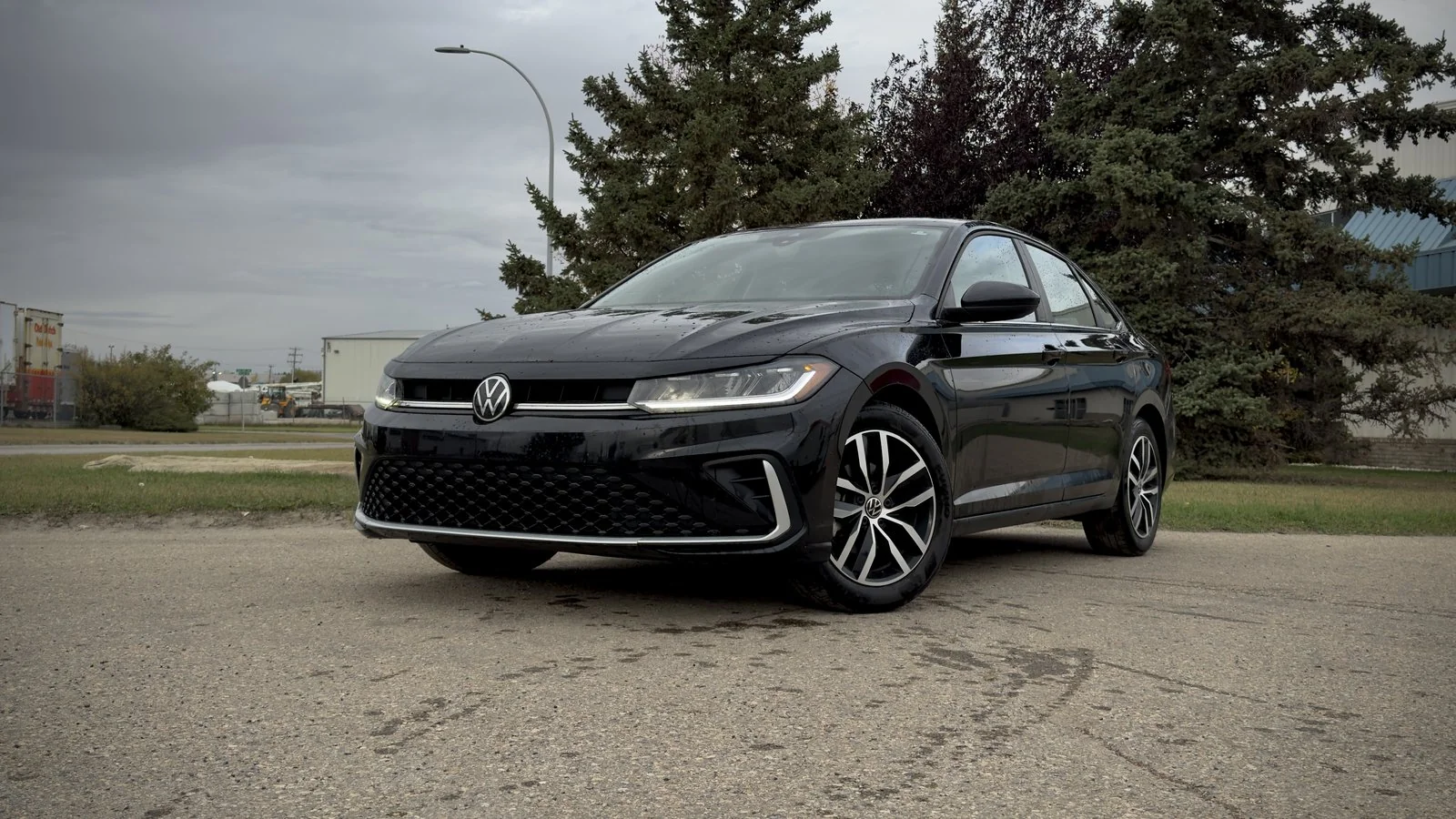
2026 Volkswagen Jetta Comfortline
$195 bi-weekly OAC
6.49% APR · 84 months · $0 down · cost of borrowing $6,996
OAC = on approved credit. Payments are examples at 6.49% APR over 84 months with $0 down, based on each vehicle's advertised price; GST extra. Your rate depends on your credit (4.99%–29.9% APR).
R7, R9 and I9 on a credit report: common questions
What does R7 mean on a credit report?
Equifax Canada’s credit report guide gives the rating as “7: Making regular payments under a consolidation order or similar arrangement.” The R is a revolving account, such as a credit card. Each lender weighs the code in its own way, and every lender decides each file.
What is the difference between R7 and R9?
Equifax Canada’s guide lists the two ratings like this: “7: Making regular payments under a consolidation order or similar arrangement.” and “9: Bad debt; placed for collection; skip account.” So an R7 account is being paid under an arrangement, and an R9 account is treated as bad debt or sent to collection. A creditor can report R9 even while you are in a repayment program, so read your own report.
What does I9 mean on a credit report?
The I is an installment account. Equifax Canada says “An example of an installment loan would be a vehicle loan.” The guide’s entry for 9 reads “9: Bad debt; placed for collection; skip account.” So an I9 can be a past car loan that went to bad debt or collection. Check your own report and ask the lender or collection agency about the account.
How long does a debt management plan stay on my credit report?
The Financial Consumer Agency of Canada says: “Credit bureaus remove this information from your credit report 2 years after you finish paying off your debts.” A credit counsellor can confirm the dates for your plan.
Can I get a car loan with an R7 on my credit report?
It depends on the lender and on the rest of your file, including your income and your down payment. We cannot promise a result. We review every application and call you back, and each lender decides each file. Rates run 4.99%–29.9% APR, depending on your file.
Does a debt management plan include my car loan?
One non-profit credit counselling society says “a DMP can only be used for unsecured debts, which are debts that you haven’t put up collateral for.” A car loan is usually secured by the car. Ask your credit counsellor how your car loan fits with your plan.
Sources (pages opened October 6, 2026): Equifax Canada: Consumer Credit Report User Guide (PDF, © 2017); Equifax Canada: Credit Mix: What It Is and How It Affects Credit Scores; Equifax Canada: 5 Things to Know About Your Credit Scores; Financial Consumer Agency of Canada: Credit report and score basics; Financial Consumer Agency of Canada: How long information stays on your credit report; Financial Consumer Agency of Canada: Getting your credit report and credit score; Financial Consumer Agency of Canada: Checking your credit report for errors and fraud; Money Mentors (Alberta non-profit credit counselling): Money & Debt FAQs; Credit Counselling Society (non-profit): Debt Management Program; Credit Canada (non-profit): Credit Counselling FAQs; Credit Counselling Canada (non-profit association): Debt Repayment; TD Canada Trust: Credit granting. These are public pages, quoted as written. Credit bureaus and agencies update their pages, and every lender sets its own rules, so check the source page before you rely on a detail.
Last reviewed October 2026 by the Shift Happens finance team
What Our Customers Say
“I honestly can't thank Luke enough. From start to finish he was patient, respectful, transparent, and genuinely cared about helping me find the right vehicle instead of just making a sale.”
“Luke was awesome to deal with and made the car buying experience enjoyable again for me and my wife after a few very unpleasant interactions in the past. I would highly recommend.”
“The buying experience was handled very professionally. Wes was very attentive and presented everything in an open and honest manner that gave me the reassurance that I made a good purchase.”
Other Financing Options
See what you pre-qualify for
Apply online. We review every application and call you back.
★★★★★ 118+ Google Reviews · AMVIC Licensed · Free Delivery 300km